
Quick Answer: Are Scott's Gummy Vitamins Safe for Your Child?
When considering whether Scott’s gummy vitamins are safe for your child, the answer is not a simple yes or no. Their safety depends heavily on your child’s developmental age, chewing ability, and your ability to manage access to these sweet, candy-like supplements. While these gummies are generally safe for older children who can chew thoroughly and follow instructions, they present distinct physical and physiological risks for younger children.
For toddlers and infants, gummy vitamins pose a severe choking hazard because their oral motor skills are still developing. Furthermore, because these supplements look and taste like candy, there is a constant risk of overconsumption, which can lead to vitamin toxicity. Before introducing Scott’s gummy vitamins or any other dietary supplement to your child’s daily routine, it is essential to consult a pediatrician. A healthcare professional can help you determine if your child actually needs a supplement and verify that the specific formulation aligns with their unique nutritional profile.
The Gummy Format: Sugar, Additives, and Dental Health
The primary appeal of gummy vitamins is undeniably their high palatability. For parents dealing with picky eaters who resist traditional pressed tablets or bitter liquid drops, gummies offer a stress-free way to deliver essential nutrients. Children often view them as a daily treat rather than a health requirement, which significantly improves compliance and reduces power struggles at the dining table.
Products mentioned in this guide


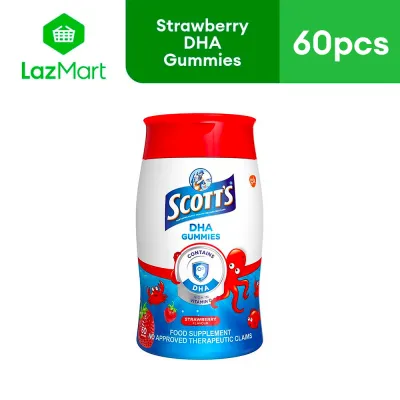
![Scotts DHA Gummies Strawberry + Orange 60s [Pack of 2] Helps Support Brain Development](https://img.lazcdn.com/g/p/57c252d1cbab5822cf70bdee533730fd.png_400x400q80.png_.webp)
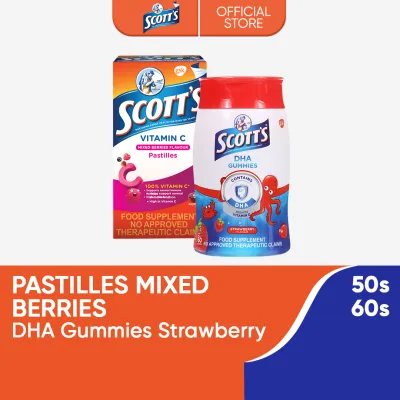
![[BUY 2 TAKE 1] Scotts DHA Gummies Strawberry and Orange 60s (Pack of 2) get 1 FREE Scotts Pastilles 50s](https://img.lazcdn.com/g/p/9b77b2adc3db029f7f791b72e2261a33.jpg_400x400q80.jpg_.webp)
Prices are valid at publication and may change. Please refer to the product page for the latest price.

However, this appealing format comes with notable formulation challenges. To achieve their pleasant taste and chewy texture, manufacturers must use sugars, syrups, or sugar substitutes. When selecting a product, parents should carefully inspect the ingredient label for added cane sugar, glucose syrup, or sugar alcohols such as maltitol and sorbitol. High amounts of added sugars can easily contribute to exceeding a child’s recommended daily sugar limit. Meanwhile, sugar alcohols, though lower in calories, can cause digestive discomfort, bloating, or mild laxative effects in sensitive young digestive systems.
The physical texture of gummies also poses a risk to pediatric dental health. Because they are sticky, small pieces of the gummy can easily become lodged in the deep grooves and crevices of your child’s molars. In the warm, humid climate of the Philippines, these trapped sugary residues create an ideal breeding ground for oral bacteria. Over time, this bacterial activity can erode tooth enamel and lead to cavities. If your child consumes gummy vitamins, it is highly recommended to establish a strict oral hygiene routine, ensuring they brush their teeth or at least rinse their mouth thoroughly with water immediately after taking the supplement.
Additionally, gummy vitamins present unique manufacturing and stability challenges compared to hard tablets. The active vitamins inside a gummy matrix are more sensitive to environmental factors like heat, light, and humidity. In tropical households, this can lead to faster nutrient degradation over time. To ensure that the product still meets its guaranteed nutrient levels by the expiration date, manufacturers sometimes overfill the vitamins during production. This variability makes it even more critical for parents to adhere strictly to the recommended serving sizes and avoid letting children consume them freely.
Age Appropriateness: Navigating Choking Hazards and Readiness
When it comes to pediatric supplements, age guidelines are not mere suggestions; they are critical safety thresholds designed to prevent physical injury. Parents must strictly follow the age recommendations printed on the product packaging of Scott’s gummy vitamins. Bypassing these age limits to introduce gummies early can expose your child to unnecessary hazards.
The most immediate physical risk associated with gummy vitamins is choking. Chewing a rubbery, gelatin- or pectin-based gummy requires a level of oral motor coordination that infants and young toddlers simply do not possess. Young children are still learning how to grind food down with their back teeth and coordinate their swallowing reflex. If a child swallows a gummy whole or only partially chewed, it can easily block their narrow airway, leading to a life-threatening choking emergency.
To determine if your child is developmentally ready for a gummy vitamin, you can use a practical readiness framework. Ask yourself the following questions:
- Chewing Competency: Can your child consistently and efficiently grind up other chewy, sticky, or dense foods, such as dried fruits or soft meats, without gagging?
- Eating Behavior: Does your child sit quietly and focus on chewing and swallowing their food, or do they tend to run, play, or talk while eating?
- Instruction Following: Is your child old enough to understand and follow the instruction to "chew completely before swallowing"?
If your child does not meet these criteria, or if they have any swallowing difficulties, gummy vitamins are not a safe choice. Fortunately, there are safer alternatives available for younger children who require nutritional support. Under the guidance of your pediatrician, you can opt for liquid vitamin drops or dissolvable powders that can be easily mixed into soft foods like mashed bananas, sweet potatoes, or warm lugaw. These formats eliminate the choking hazard entirely while still delivering the necessary nutritional support.
Overdose Risks and Side Effects to Monitor
Because gummy vitamins taste like candy, children often do not understand that they are medicine. This confusion makes them a prime target for accidental overconsumption. If a child gains unsupervised access to a bottle of gummies, they may quickly eat multiple servings, which can lead to serious physiological consequences.
The health risks of a vitamin overdose depend heavily on whether the nutrients involved are water-soluble or fat-soluble:
- Water-Soluble Vitamins: Nutrients like Vitamin C and the B-complex group are generally not stored in high amounts in the body. If your child consumes a moderate excess, their kidneys will typically filter out the surplus and excrete it through urine. While a massive dose can still cause acute stomach irritation, the long-term toxicity risk is relatively low.
- Fat-Soluble Vitamins: Vitamins A, D, and E are stored in the body's liver and fatty tissues. Because the body cannot easily excrete excess amounts of these vitamins, they can accumulate over time and lead to serious toxicity, known as hypervitaminosis. For instance, chronic excess of Vitamin A can cause joint pain, severe headaches, and liver damage, while too much Vitamin D can lead to dangerously high calcium levels in the blood, potentially damaging the kidneys.
- Minerals: Some gummy formulations contain minerals like zinc or iron. Iron, in particular, is highly toxic to young children in large doses and represents one of the leading causes of pediatric poisoning. Always check the label to see if iron is included in your child's specific gummy brand.
As a parent, you must closely monitor your child for any unusual symptoms after they begin taking a new supplement. Watch for immediate side effects such as nausea, vomiting, abdominal pain, diarrhea, or a sudden loss of appetite. If you notice persistent skin rashes, unusual fatigue, or headaches, these could also indicate an adverse reaction or chronic overconsumption.
If you discover or suspect that your child has eaten multiple gummy vitamins beyond the recommended daily dose, act immediately. Do not wait for physical symptoms to appear. Contact your pediatrician, go to the nearest hospital emergency department, or call the National Poison Management and Control Center in the Philippines. When seeking medical help, always bring the exact product bottle with you. This allows healthcare professionals to examine the ingredient list, calculate the precise amount of vitamins and minerals your child may have ingested, and administer the correct treatment.
Safe Storage and Label-Reading Tips for Parents
Preventing accidental vitamin poisoning starts with proactive safety measures in your home. Because children are naturally drawn to the bright colors and sweet aromas of gummy vitamins, you must treat these supplements with the same caution as prescription medications.
Implement these practical storage habits to keep your children safe:
- High and Locked Storage: Store all vitamin bottles in a high cabinet that is completely out of your child's sight and reach. Avoid keeping them on kitchen countertops, dining tables, or bedside drawers where a curious child could climb to reach them.
- Maintain Original Packaging: Always keep the gummies in their original child-resistant container. Ensure the cap is clicked securely into place after every single use. Never transfer the vitamins to decorative jars or unlabelled plastic bags.
- Establish Clear Boundaries: Never refer to vitamins as "candy," "sweets," or "treats" to coax your child into taking them. Use clear, age-appropriate language to explain that these are special medicines designed to help their bodies grow strong, and that they must only be taken when given by an adult.
In addition to safe storage, mastering the art of reading supplement labels is vital for every parent. When evaluating a bottle of Scott’s gummy vitamins or any other pediatric brand, look closely at the serving size, which can vary from one to two gummies depending on the child’s age. Check the allergen warnings carefully; many traditional gummies use bovine or porcine gelatin as a gelling agent, which may not align with your family’s dietary or religious preferences. If your child has a known sensitivity, look for plant-based alternatives that use pectin instead. Furthermore, check the storage temperature instructions on the label. In the tropical climate of the Philippines, where indoor temperatures can easily exceed 30°C, you may need to store the bottle in a cool, dark place or even a refrigerator if specified by the manufacturer, to prevent the gummies from melting into a single sticky mass.
Finally, it is crucial to remember that dietary supplements are designed to complement a diet, not replace it. Before purchasing gummy vitamins, take a close look at your child’s daily meals. In the Philippines, a diet rich in local, nutrient-dense foods—such as malunggay leaves added to soups, fresh papayas, mangoes, and local fish—can naturally provide most of the essential vitamins and minerals your child needs. If your child is eating a balanced, varied diet, they may not require a daily multivitamin at all. Consulting with a pediatrician will help you determine if a supplement is truly necessary or if simple dietary adjustments can achieve the same health benefits safely.
Frequently Asked Questions (FAQ)
Can my child take gummy vitamins if they have a gelatin allergy?
If your child has a known gelatin allergy, traditional gummy vitamins may not be safe for them, as gelatin is commonly derived from animal sources like beef, pork, or fish. You should carefully read the ingredient label to identify the gelling agent used. Many manufacturers now offer allergen-free, plant-based alternatives that use pectin (derived from fruits) instead of gelatin. Always verify the allergen warnings on the packaging and consult your pediatrician before introducing a new product to an allergic child.
Do gummy vitamins cause cavities?
Yes, gummy vitamins can increase the risk of cavities due to their high sugar content and sticky texture. The gelatinous matrix easily clings to the chewing surfaces and hard-to-reach gaps of your child’s teeth, providing a continuous food source for cavity-causing bacteria. To protect your child’s dental health, ensure they brush their teeth thoroughly or rinse their mouth with water immediately after consuming any gummy supplement.
Is it safe to give my child adult gummy vitamins by cutting them in half?
No, it is not safe to give your child adult gummy vitamins by cutting them in half. Active ingredients are not always distributed evenly throughout a gummy, meaning a halved piece could contain either too little or a dangerously high concentration of certain nutrients. Furthermore, adult formulations are designed for mature bodies and often contain vitamin and mineral doses that far exceed safe daily limits for children. Always choose age-appropriate pediatric formulations and follow the manufacturer’s exact dosage instructions.

Community discussion
Share your experience or ask a question. Comments are reviewed before publication.