
Baby-proofing is a critical milestone for parents as infants transition from crawling to pulling themselves up on furniture. During this stage, which typically begins around six to nine months of age, babies explore their world primarily with their mouths. Sharp furniture corners present an obvious physical hazard, leading many caregivers to install corner rubber protectors. However, when a teething baby begins to chew on these protective covers, a new set of safety concerns emerges regarding chemical toxicity and physical choking hazards.
While corner guards are designed to cushion impacts and prevent head injuries, they are not always built to withstand constant mouthing and biting. The safety of these products depends heavily on their material composition, the strength of their adhesive, and the vigilance of the caregiver. In tropical environments like the Philippines, where high humidity and ambient heat can accelerate the breakdown of adhesives and certain synthetic materials, understanding these risks is essential for maintaining a safe home environment.
Material Safety: Is the Rubber in Corner Protectors Non-Toxic?
When evaluating the chemical safety of corner protectors, it is important to understand that the term “rubber” is often used loosely by manufacturers. Commercial corner guards are typically made from one of three materials: natural rubber, synthetic rubber (such as Nitrile Butadiene Rubber, or NBR), or silicone. Each of these materials has distinct chemical properties that affect how safe they are for a baby who frequently mouths objects.
Products mentioned in this guide
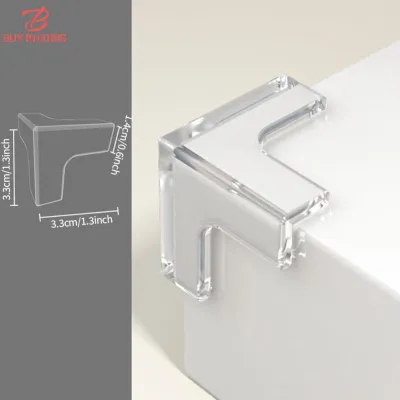
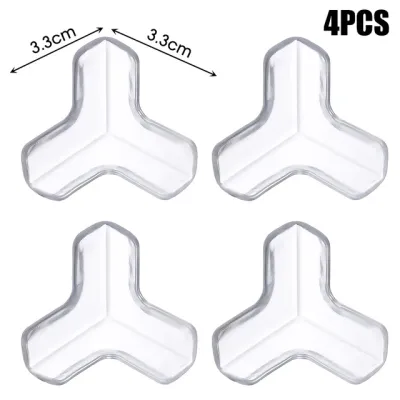
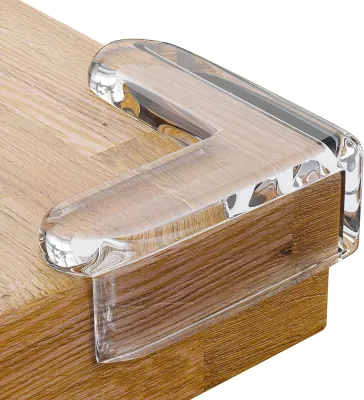
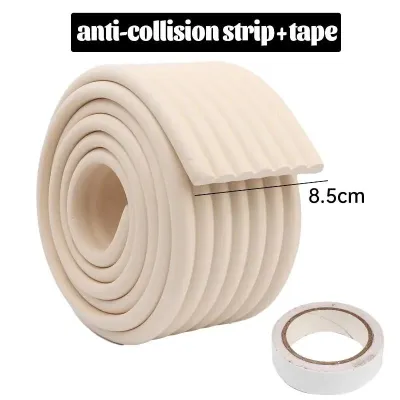
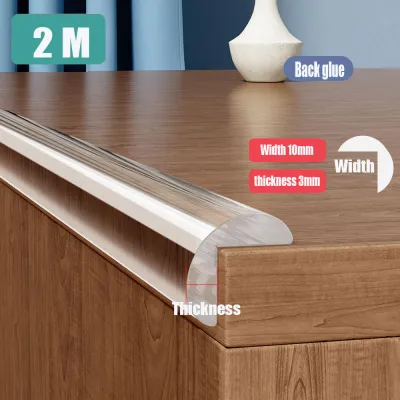
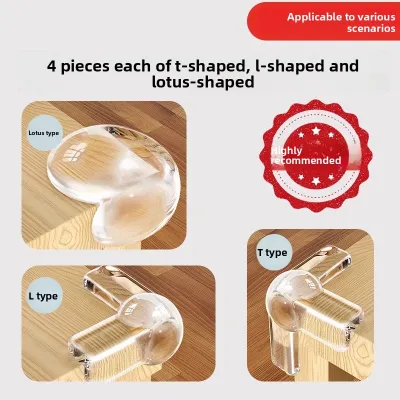

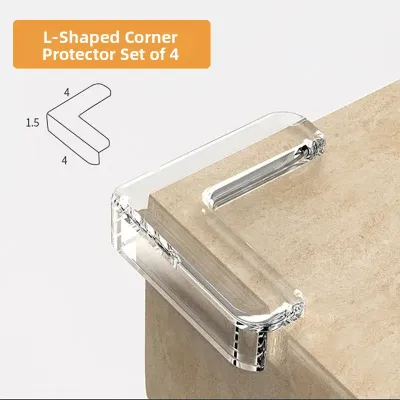
Prices are valid at publication and may change. Please refer to the product page for the latest price.
Natural rubber is harvested from organic sources and is generally biodegradable. While it is free from many synthetic chemical additives, it contains natural proteins that can trigger latex allergies in sensitive infants. If your family has a history of latex sensitivity, natural rubber protectors may not be the safest choice for your household.
Synthetic rubber, particularly NBR foam, is highly popular because of its soft, cushiony texture that effectively absorbs impacts. However, low-cost synthetic rubbers can sometimes contain harmful chemical additives used during manufacturing, such as phthalates, heavy metals, or formamide. Phthalates are plasticizers that can leach out when exposed to warm baby saliva, posing potential developmental risks if ingested over time.
Food-grade silicone has emerged as a highly durable alternative to traditional rubber. Silicone is an inert material, meaning it does not react with food, liquids, or saliva, and it does not support the growth of mold or bacteria. Because it is highly resistant to heat and degradation, food-grade silicone is widely used in baby bottle nipples and teething toys, making it a generally safer option for babies who chew.
Regardless of the material type, caregivers must actively verify the safety certifications of any corner protector before installation. Do not rely solely on product titles or marketing claims on online marketplaces. Look for explicit packaging labels indicating that the product is BPA-free, phthalate-free, lead-free, and compliant with international safety standards such as EN71 or ASTM F963. If these certifications are missing, treat the product as unverified and avoid using it in areas accessible to a teething child.
Physical Risks: Choking and Ingestion Hazards from Chewing
Beyond chemical toxicity, physical hazards represent a significant concern when babies interact with corner protectors. Teething infants, typically between the ages of 6 and 24 months, experience intense gum discomfort and will bite down on firm surfaces to relieve pressure. The repetitive biting, pulling, and twisting forces exerted by a baby can quickly degrade the structural integrity of soft baby-proofing materials.

Soft foam rubber protectors are particularly vulnerable to tearing under teething pressure. A baby’s sharp incisors can easily slice through low-density foam, allowing them to bite off small chunks. These detached pieces present an immediate choking hazard, as they can easily block an infant’s narrow airway or be accidentally inhaled into the lungs.
The adhesive backing used to secure the corner guard to the furniture is another common point of failure. Over time, warm baby saliva can seep under the edges of the protector, dissolving or weakening the adhesive bond. If the adhesive fails, the baby may be able to pull the entire guard off the furniture. This not only exposes the sharp corner once again but also leaves the baby with a long, flexible object or sticky adhesive residue that they may attempt to swallow.
Decorative corner guards, such as those shaped like animals, cartoon characters, or spheres, often feature small protruding parts or multi-piece constructions. While these designs may look appealing in a nursery, they introduce additional weak points. A baby can easily focus their chewing on these small decorative elements, causing them to snap off and become choking hazards.
To prevent these physical risks, caregivers must learn to recognize the early signs of wear and tear. Inspect the corner guards daily for visible bite marks, deep indentations, crumbling foam, or peeling edges. If you notice any sticky adhesive residue leaking from the sides, or if the guard feels loose when gently tugged, it has reached the end of its safe lifespan. Stop using the compromised protector immediately and replace it with a fresh, intact guard.
Choosing Safer Corner Guards for Babies Who Chew
Selecting the right corner guard requires balancing impact protection with physical and chemical safety. When browsing options on an online marketplace or at a local baby specialty store, prioritize simple, one-piece designs. Avoid guards with complex shapes, hollow interiors, or detachable decorative parts, as these are far more likely to fail under the mechanical stress of a baby’s chewing.
Material density and tear resistance are critical factors to evaluate. High-density silicone or heavy-duty, solid rubber guards offer significantly better tear resistance than soft, airy foam protectors. While solid materials may feel slightly firmer to the touch, they still provide ample cushioning to prevent serious head injuries while remaining tough enough to withstand sharp baby teeth without tearing.
The choice of adhesive is just as important as the guard itself. Look for corner protectors that utilize high-quality, double-sided acrylic adhesives, such as those manufactured by reputable brands. The adhesive should cover the entire inner surface of the guard to prevent any gaps where a baby’s fingers or saliva could penetrate. Ensure the manufacturer specifies that the adhesive is non-toxic and safe for use around children.
Consider the age and developmental stage of your child when choosing a protector. For younger infants who are just beginning to sit up or crawl, soft foam guards may be acceptable under close supervision. However, once your baby reaches the cruising and teething stage—typically around 9 to 12 months—transitioning to high-density silicone guards is highly recommended to minimize the risk of material tearing.
Finally, always read the manufacturer’s warnings and instructions regarding the intended use of the product. Some corner guards are designed specifically for glass tables, while others are formulated for finished wood or metal. Choosing a guard that matches your specific furniture type ensures a stronger adhesive bond, reducing the likelihood of accidental detachment and subsequent choking hazards.
Installation and Routine Checks to Prevent Detachment
Proper installation is the foundation of effective baby-proofing. Before applying any adhesive, thoroughly clean the furniture corner to remove dust, oils, wax, and furniture polish, which can severely compromise the adhesive bond. Use rubbing alcohol to clean the surface, and allow it to dry completely. In the humid tropical climate of the Philippines, moisture on the furniture surface can prevent the adhesive from bonding correctly, so ensuring a bone-dry surface is essential.
Once the surface is prepared, peel the backing from the adhesive and press the corner protector firmly onto the furniture. Apply steady pressure for at least 30 seconds to ensure the adhesive makes full contact with the surface. Most high-quality adhesives require a curing period—typically 24 hours—to reach their maximum bonding strength. It is critical to keep your baby away from the newly installed protectors during this curing phase, as any pulling or tugging before the adhesive is fully set will permanently weaken the bond.
Even the most secure installation will degrade over time due to environmental factors and physical interaction. Establish a routine inspection schedule to check the integrity of all baby-proofing devices in your home. A quick daily check before your baby begins their playtime is ideal, supplemented by a more thorough weekly inspection.
During your weekly check, gently but firmly tug on each corner protector from multiple angles to test the strength of the adhesive. Inspect the edges for any signs of lifting, dust accumulation, or peeling. If you observe any movement, or if the guard can be easily peeled back by a finger, remove it entirely, clean the furniture surface, and reapply the guard with fresh, high-quality adhesive tape.
Emergency Steps If a Baby Bites Off or Swallows a Piece
Despite your best efforts, accidents can happen. If you suspect your baby has bitten off or swallowed a piece of a corner protector, you must act immediately. If the baby is actively choking—indicated by an inability to cry, cough, or breathe, high-pitched squeaking noises, or a bluish tint to the skin—immediately perform infant choking rescue maneuvers, such as alternating back blows and chest thrusts, and call emergency medical services right away.
If the baby has swallowed a piece of the protector but is not actively choking, they may still face risks of airway irritation or gastrointestinal blockage. Monitor your child closely for the next 24 to 48 hours. Seek immediate professional medical evaluation if you observe warning signs such as persistent coughing, wheezing, difficulty swallowing, excessive drooling, vomiting, abdominal pain, or a sudden refusal to eat or drink.
Never attempt to induce vomiting or use chemical laxatives without direct instructions from a qualified healthcare professional, as this can cause further damage to the baby’s esophagus or airway. If you are unsure whether your baby has ingested a piece of the protector, consult your pediatrician or visit the nearest emergency department for a professional assessment.
Once the immediate safety of your child is secured, take steps to prevent a recurrence. Immediately remove the damaged corner protector and any other guards of the same model from your home. Thoroughly vacuum the surrounding floor area to ensure no small, torn pieces of foam or adhesive remain accessible to your crawling baby. Re-evaluate your baby-proofing strategy and consider upgrading to more durable, bite-resistant materials.
Frequently Asked Questions (FAQ)
Are silicone corner protectors safer than rubber?
Silicone corner protectors are generally considered safer and more durable than traditional foam rubber guards for babies who chew. Food-grade silicone is chemically inert, meaning it does not leach harmful toxins when exposed to saliva, and it is naturally free from plasticizers like phthalates. Additionally, silicone possesses high tear strength, making it much harder for a teething baby to bite off small pieces compared to soft, low-density foam rubber.
However, material type alone does not guarantee safety. Caregivers must still verify that any silicone protector they purchase carries certified non-toxic labels and is free from chemical fillers. Always inspect the physical design of the silicone guard, ensuring it is a solid, one-piece construction with a secure adhesive backing that prevents the baby from pulling it loose.
How often should I check the adhesive on corner guards?
You should perform a basic visual check of your corner guards daily and a physical pull-test at least once a week. If your baby is actively teething or has been observed chewing on or pulling at a specific corner guard, inspect that area immediately. High humidity and temperature, common in tropical regions like the Philippines, can accelerate the breakdown of adhesives, making frequent inspections even more critical.
To test the adhesive safely, give the corner guard a firm but gentle tug. If you feel any sliding, lifting, or if the edges are peeling away from the furniture, the adhesive has failed. Do not attempt to press a failing adhesive back down; instead, remove the guard, clean the surface thoroughly, and reapply it using fresh, high-quality double-sided tape.

Community discussion
Share your experience or ask a question. Comments are reviewed before publication.