
Traditional rattan baby walkers are a familiar sight in many Filipino households, often cherished for their lightweight design, rustic aesthetic, and deep-rooted cultural presence. However, modern pediatric guidelines and safety experts advise caution when using any sit-in baby walker, including those made of traditional rattan. While these items are widely available in local craft markets and online marketplaces, they present distinct physical and developmental hazards that require careful evaluation. To keep your infant safe, it is essential to understand these risks, perform rigorous pre-use inspections, and establish strict supervision protocols.
Deciding whether to introduce a rattan walker into your home involves balancing traditional practices with modern safety realities. Because these walkers lack the standardized safety features of modern, certified baby gear, the responsibility of ensuring a secure environment falls entirely on the caregiver. By learning what to look for and establishing clear boundaries for use, you can make an informed decision that prioritizes your baby’s physical development and overall well-being.
Understanding the Risks of Traditional Rattan Walkers
Traditional rattan baby walkers are highly valued for their lightweight construction, but this very characteristic poses a significant tipping hazard. Unlike modern plastic walkers that feature wide, heavy bases designed to resist tipping, a rattan walker has a much higher center of gravity. When an active baby leans over the side to reach for a toy or attempts to navigate over a small obstacle, the lightweight frame can easily lose balance. This can result in the walker tipping over entirely, potentially leading to head injuries, bruises, or pinched fingers.
Products mentioned in this guide
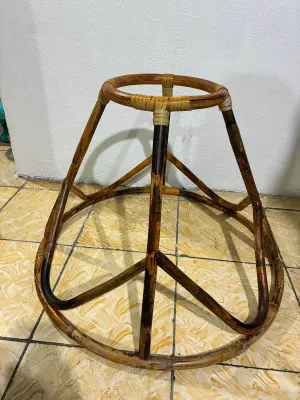
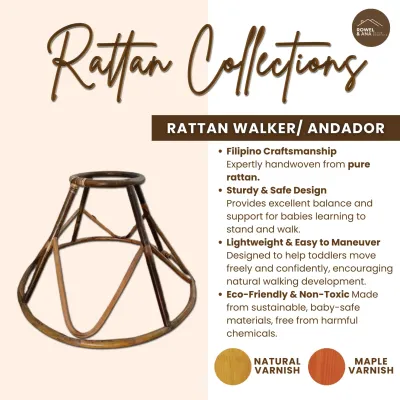
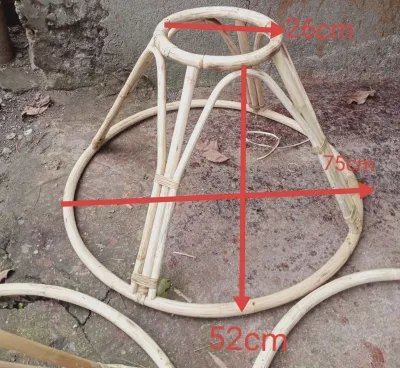
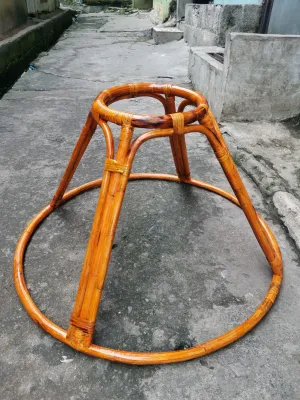
Prices are valid at publication and may change. Please refer to the product page for the latest price.
Material-specific risks are also a major concern when dealing with natural fibers in a tropical climate. The high humidity levels in the Philippines make natural rattan highly susceptible to moisture absorption, which can lead to mold and mildew growth within the tight weaves. If left unchecked, these fungi can trigger respiratory issues or skin irritation in sensitive infants. Furthermore, as rattan dries out during hotter seasons, the fibers can become brittle, leading to cracking, loose bindings, and sharp splinters that can easily scratch a baby’s delicate skin.
From a developmental perspective, pediatricians worldwide raise concerns about the use of traditional sit-in walkers. These devices place infants in an unnatural upright position before their muscles and bones are developmentally ready to support their weight. Because the seat suspends the baby, they tend to push off with their toes rather than planting their feet flat on the ground. This can lead to tight calf muscles and a habit of toe-walking, which may temporarily alter natural gait mechanics and delay independent walking.
Additionally, sit-in walkers limit a baby’s ability to view their lower body. Visual feedback of their own legs and feet moving is a crucial component of cognitive and motor development. When this view is blocked by the walker’s frame or seat, the baby misses out on learning how their movements relate to the space around them, which can slow down the acquisition of balance and spatial awareness.
Pre-Purchase and Pre-Use Inspection Checklist
Before purchasing a rattan walker from a local artisan or an online marketplace, a thorough physical inspection is mandatory to ensure structural integrity. Begin by checking the frame joints and connection points. Traditional rattan furniture relies on small nails, screws, or wrapped bindings to hold the structure together. Ensure that all screws are flush with the wood, no nail heads are protruding, and the rattan wraps are tightly bound without any loose ends that a baby could unravel or choke on.

Next, run your hands carefully over every surface of the walker, including the underside of the frame and the inner rim of the seat. Look for any signs of splinters, sharp fiber ends, or rough patches. If the walker has a painted or varnished finish, verify that the coating is completely intact and not peeling or flaking. Because infants frequently explore their environment with their mouths, any peeling finish poses a direct ingestion hazard, and parents should verify with the seller that only non-toxic, lead-free finishes were used.
The seat portion of the walker requires close examination to prevent slipping or posture issues. Inspect the fabric seat and its attachment points to the rattan frame. The seams must be double-stitched and made of durable, washable material that can securely support your baby’s weight. Check the seat depth; it should be deep enough to prevent the baby from easily leaning out, yet positioned at a height that allows their feet to touch the floor flatly or slightly on the balls of their feet when they are resting. Avoid models that do not offer secure, reinforced seat attachments.
Finally, evaluate the wheel assembly and mobility. Traditional rattan walkers often use simple plastic casters attached to the wooden base. Ensure that each wheel is securely fastened and rotates smoothly without wobbling. Many traditional models lack built-in wheel locks or friction strips, which are standard on modern safety-certified walkers. If the walker moves too freely or lacks a reliable braking mechanism, it can easily run away on smooth tiled floors, making it highly dangerous for an infant who cannot yet control their speed.
Safe Usage Guidelines and Active Supervision
Creating a safe environment is the most critical step if you choose to use a rattan walker. Before placing your baby in the device, you must thoroughly clear the designated play area. Ensure there is a flat, even surface free of loose rugs, door thresholds, or electrical cords that could catch the wheels and cause a sudden stop or tip-over. Block off access to high-risk areas such as kitchens, bathrooms, and any steps or stairs using secure, hardware-mounted baby gates.
In a typical Filipino household, extra care must be taken around common hazards like open doorways leading to patios, laundry areas with standing water, or low tables holding hot liquids and heavy objects. A baby in a walker can move surprisingly fast, reaching speeds that caregivers might not anticipate. Ensure that all tablecloths, hanging cords, and fragile items are placed completely out of reach, as the elevated height of the walker allows the baby to grab objects they normally could not access while crawling.
To support healthy physical development, enforce strict time limits on walker use. Limit your baby’s time in the walker to no more than 10 to 15 minutes per session, and no more than once or twice a day. Overusing a sit-in walker can strain developing hip joints and leg muscles, whereas short intervals allow the baby to experience a change of perspective without compromising their physical alignment.
Most importantly, never use a baby walker as a containment device or a substitute for active adult supervision. A caregiver must remain in the same room, within arm’s reach, and keep their eyes on the baby at all times. Walkers do not teach babies how to walk; they simply provide temporary mobility. Remaining close by ensures you can intervene immediately if the walker encounters an obstacle or if the baby attempts an unsafe movement.
When to Stop Using the Rattan Walker
Knowing when to retire the rattan walker is just as important as knowing how to use it safely. The first indicator is the baby’s physical growth. Always check the manufacturer’s label or product documentation for specific weight and height limits. If the baby’s chest sits higher than the top rim of the walker frame, or if their weight approaches the maximum limit, stop using the device immediately to prevent structural failure or tipping.
Behavioral milestones also signal that it is time to transition away from the walker. If your baby begins to show signs of attempting to climb out of the seat, or if they can lean far enough over the edge to touch the floor with their hands, the risk of a fall increases dramatically. Additionally, if the baby has developed enough leg strength to propel the walker with significant force, they may crash into walls or furniture, risking injury to their feet and hands.
Regularly monitor the physical condition of the walker for material degradation. In humid tropical climates, natural materials can deteriorate quickly. If you notice any cracked rattan poles, loose or unraveling bindings, wobbly wheels, or signs of mold growth that cannot be completely cleaned, it is time to stop using the walker. Do not attempt temporary home repairs with tape or glue, as these methods cannot guarantee the structural integrity required to keep an active baby safe.
Safer Alternatives for Baby Mobility and Development
For parents concerned about the inherent hazards of traditional sit-in walkers, several safer, developmentally friendly alternatives are available. Stationary activity centers are an excellent option. These devices allow your baby to stand upright, bounce, and spin to play with surrounding toys, but they do not have wheels. This design eliminates the risk of runaway falls, tipping over stairs, or accessing out-of-reach household hazards while still keeping the baby entertained and upright.
Another highly recommended alternative is a baby push walker. Unlike sit-in models, a push walker requires the baby to stand independently and push the toy forward from behind. This activity supports natural walking mechanics, as the baby must balance their own weight, plant their feet flat on the floor, and use their core muscles to steer. Push walkers are ideal for babies who are already pulling themselves up to stand and taking tentative steps while holding onto furniture.
Ultimately, the most effective and safest way to encourage healthy motor development is unstructured floor time. Allowing your baby to spend ample time on a clean play mat encourages rolling, crawling, sitting, and pulling up naturally. These activities build the essential core, back, and neck strength required for independent walking. By prioritizing floor play and using stationary or push-along toys, you can support your baby’s physical milestones in a secure and natural manner.
Frequently Asked Questions (FAQ)
At what age can a baby safely use a rattan walker?
A baby should only be placed in a sit-in walker if they have achieved full head control and can sit upright completely independently, which typically occurs around six months of age. However, age is less important than physical development and size. Always verify the specific manufacturer’s age, weight, and height guidelines on the product label before use, and ensure your baby’s feet can comfortably touch the floor to prevent hip strain.
Do traditional walkers delay a baby's walking development?
Yes, pediatric research suggests that frequent use of traditional sit-in walkers can delay independent walking. Because these devices suspend the baby’s weight, they encourage toe-walking and do not require the baby to balance their own torso or engage their core muscles. To support natural walking development, prioritize supervised floor play and push-along toys that require the baby to support their own weight and practice natural balance mechanics.

Community discussion
Share your experience or ask a question. Comments are reviewed before publication.