
Quick Answer: Is a Mouth Opener Safe for Daily Use?
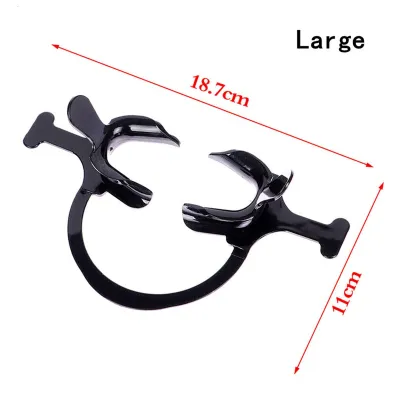
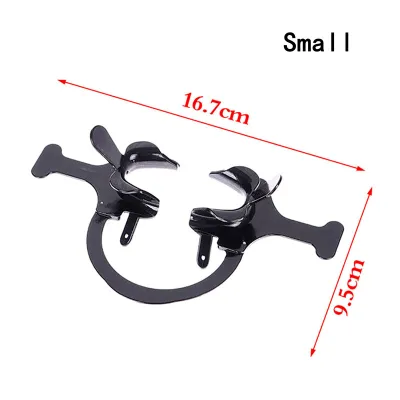
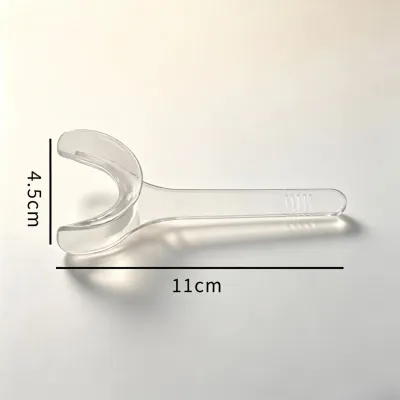
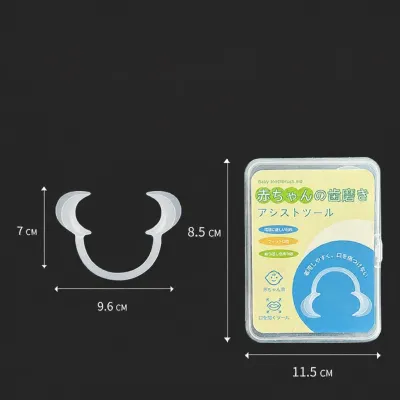
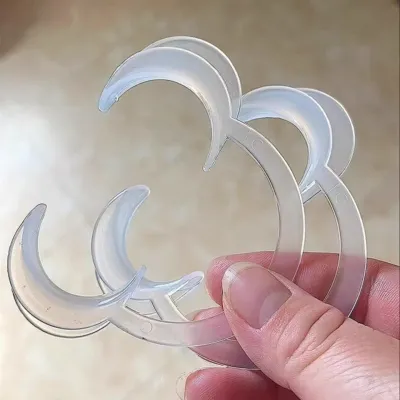
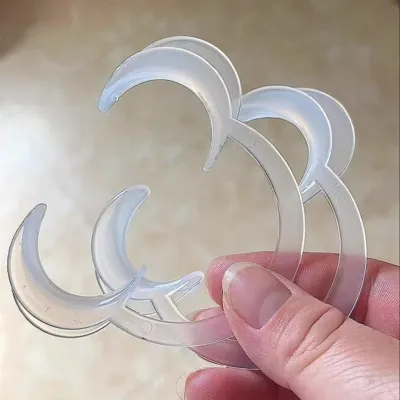
Using a mechanical mouth opener or mouth prop on a toddler at home is generally unsafe and highly discouraged by pediatric dental professionals. While these devices are sometimes utilized in controlled clinical settings by trained dentists, using consumer-grade versions at home for routine brushing, feeding, or administering medicine poses severe physical risks to a child’s developing oral structures.
Your toddler’s mouth is highly delicate, and forcing it open with a rigid plastic or silicone tool can easily lead to tissue damage, tooth displacement, or jaw strain. The primary safety rule for parents is to avoid mechanical retractors or props entirely during standard home care. Instead, focus on cooperative behavioral techniques and safe physical positioning to manage a resisting child.
Physical Risks to Toddler Teeth, Gums, and Jaw Structures
Introducing a rigid, mechanical device into a struggling toddler’s mouth carries immediate physical dangers. Because toddlers naturally wiggle and resist when uncomfortable, any sudden movement while a mouth opener is in place can concentrate immense pressure on fragile areas, leading to painful injuries.
Products mentioned in this guide
![[Popular choice] Mouth Opener C Shape With Handle Intraoral Cheek Retractor Lip Expander for Kids Oral Care Tool](https://img.lazcdn.com/g/p/8aa83dd942c72c8a683f6a2c2076fe49.jpg_webp_400x400q80.jpg_.webp)

Prices are valid at publication and may change. Please refer to the product page for the latest price.

Gum and Soft Tissue Trauma
The oral mucosa and gums of a young child are highly vascularized and thin. Rigid plastic edges or even stiff silicone components of consumer-grade mouth openers can easily scrape, cut, or bruise these delicate tissues. In the warm, humid environment of the mouth, even a minor laceration can quickly become painful, making subsequent brushing sessions even more difficult and increasing the risk of localized infections.
Risks to Developing Primary Teeth
Primary teeth, commonly known as baby teeth, have much shorter roots and thinner enamel than permanent adult teeth. They are not designed to withstand the concentrated, leverage-based pressure exerted by a mechanical prop. If a toddler bites down hard on a rigid device, or if the device slips during a struggle, it can chip the enamel, loosen the tooth from its socket (luxation), or even cause an accidental extraction. Such damage can negatively impact the development and alignment of the permanent teeth waiting underneath the gums.
Temporomandibular Joint (TMJ) Strain
A toddler’s jaw joint is still developing and consists of highly flexible ligaments and cartilage. Forcing the mouth open wider than its natural comfortable range, or keeping it propped open for extended periods, places immense strain on the temporomandibular joint. This strain can cause immediate muscle spasms, joint pain, and potentially long-term alignment issues if the joint is repeatedly forced or hyperextended.
Choking and Aspiration Hazards
One of the most critical safety concerns is the risk of choking or aspiration. If a mouth opener is not perfectly sized or if it lacks a secure, medical-grade tether, a struggling child can easily dislodge it. The device can slip backward into the throat, triggering a severe gag reflex, causing vomiting, or completely blocking the airway. This danger is amplified if the device is made of cheap plastics that can crack or break under the pressure of a child’s bite.
Medical vs. Routine Use: Understanding the Context
To understand why these devices are unsafe for home use, it helps to distinguish between professional clinical applications and daily parenting routines. The environment, training, and equipment quality differ drastically between a dental office and a family bathroom.
Clinical Applications under Professional Supervision
In a pediatric dental clinic, mouth props are specialized, medical-grade tools designed to keep the mouth open during complex procedures where movement could cause injury from dental drills or sharp instruments. Pediatric dentists undergo years of training to select the exact size of prop required, place it securely on stable primary molars, and continuously monitor the child’s airway, breathing, and jaw alignment throughout the procedure.
The Danger of Consumer-Grade Devices
Many mouth retractors and props sold on online marketplaces are marketed directly to parents as convenient tools for routine brushing or forcing medicine down a resisting child’s throat. These consumer-grade items rarely undergo rigorous safety testing, lack standardized sizing, and are often made of materials that do not meet medical safety standards. Using these tools at home encourages a reliance on physical force, which can traumatize the child physically and emotionally.
The Necessity of Professional Guidance
There are rare medical circumstances where a pediatric dentist or occupational therapist might prescribe a specific oral prop for home use, such as for children with severe physical or developmental challenges. However, this should never be a self-prescribed solution. If a prop is medically necessary, the professional must personally fit the device, demonstrate its safe insertion, and train the caregiver on how to monitor the child’s airway and soft tissues during use.
Safe Alternatives for Toddler Oral Care and Medicine Administration
Maintaining oral hygiene and administering medication are non-negotiable parts of parenting, but they can be accomplished safely without resorting to mechanical force. By using proper positioning, gentle tools, and positive behavioral strategies, you can care for your child’s mouth safely.
Proper Physical Positioning Techniques
If you need to stabilize a resisting toddler for a quick oral examination or brushing, physical positioning is far safer than a mechanical tool. The “lap-to-lap” or “knee-to-knee” method is highly effective. Two adults sit facing each other with their knees touching, forming a secure platform. The child sits on one adult’s lap, facing them, and then lays their head back into the other adult’s lap. This position provides the brushing adult with clear visibility and control of the head while the other adult gently holds the child’s hands, keeping the airway completely clear and safe.
Age-Appropriate Oral Care Tools
Using the right tools can make the brushing experience much more comfortable for a toddler, reducing their resistance.
- Silicone Finger Brushes: For younger toddlers, a soft silicone finger brush fits snugly over your finger, allowing you to gently massage the gums and clean early teeth while feeling the child's bite pressure directly.
- Small-Headed Toddler Toothbrushes: Choose toothbrushes specifically designed for toddlers, featuring very small heads and ultra-soft bristles to prevent accidental gum irritation.
- U-Shaped Manual Brushes: While they do not replace traditional brushing entirely, some soft silicone U-shaped brushes can be a gentle way to introduce the sensation of brushing to a highly resistant child.
Behavioral Strategies for Cooperative Care
Building a positive association with oral hygiene is the most sustainable way to ensure cooperation. Turn brushing into a game by letting your toddler brush a favorite stuffed animal’s teeth first, or brush your own teeth alongside them to model the behavior. Use short, engaging songs or tooth-brushing apps to keep them distracted. Offering small choices, such as letting them select between two different colors of toddler-safe toothpaste, helps build a sense of autonomy and control.
Safe Techniques for Administering Medicine
Forcing a child’s mouth open to pour liquid medicine down their throat is a major choking hazard. Instead, use a clean plastic oral syringe. Gently slide the tip of the syringe into the side of your toddler’s mouth, aiming toward the inside of their cheek rather than the back of their throat. Dispense the liquid slowly, in small increments, allowing them to swallow naturally between drops. This method prevents choking and does not require forcing the jaw open.
Warning Signs and When to Consult a Pediatric Dentist
Even with the gentlest care, accidental slips can happen. It is crucial to know how to identify signs of oral trauma and when to seek professional help rather than attempting to manage severe resistance or injuries at home.
Immediate Red Flags to Watch For
Monitor your child closely after any difficult oral care session. Seek professional dental advice immediately if you notice any of the following symptoms:
- Unexplained bleeding from the gums, tongue, or inner cheeks
- Visible swelling or bruising on the lips, gums, or jawline
- A primary tooth that appears loose, chipped, or out of its normal alignment
- The child refusing to eat, drink, or swallow, or crying when warm or cold liquids touch their teeth
- The child favoring one side of their mouth when chewing or complaining of jaw pain
Immediate Steps to Take in Case of Injury
If an oral injury occurs during brushing, remain calm to keep your child from panicking. Gently rinse their mouth with cool, clean water to assess the source of any bleeding. If there is a cut on the lip or gum, apply gentle pressure with a clean, damp piece of gauze or a washcloth. To reduce swelling, apply a cold compress or a damp, cool cloth to the outside of the child’s cheek. Avoid applying any topical pain gels or medications directly to the injured oral tissues without consulting a professional first.
When to Seek Professional Intervention
If your toddler’s resistance to oral care is so extreme that you feel tempted to use a physical restraint or a mouth opener, it is time to consult a professional. Extreme resistance can sometimes stem from sensory processing sensitivities, oral motor delays, or underlying dental pain that makes brushing physically uncomfortable. A pediatric dentist or an occupational therapist can evaluate your child, identify the root cause of the aversion, and provide professional, stress-free strategies to make oral care safe and manageable.
Frequently Asked Questions (FAQ)
Can I use a silicone finger brush instead of a mouth opener to keep my toddler's mouth open?
A silicone finger brush is designed solely for gentle cleaning and massaging of early teeth and gums, not as a mechanical prop to force the jaw open. While the soft silicone material provides a protective barrier if your toddler accidentally bites down, you should never wedge your finger or the brush into the back of their mouth to keep it open. Doing so can trigger a strong gag reflex, cause discomfort, and put your finger at risk of a painful bite. Use the finger brush gently on accessible areas, and pause if your child closes their mouth.
What should I do if my toddler absolutely refuses to open their mouth for brushing?
If your toddler completely refuses to open their mouth, do not attempt to force their jaw open. Forcing the mouth open creates a negative association with oral hygiene and increases the risk of physical injury. Instead, pause the session, comfort your child, and try again later when they are calm. You can try using distraction techniques, such as playing a favorite video, singing a silly song, or letting them hold their own toothbrush to brush your teeth. If the resistance is persistent and severe, consult a pediatric dentist for professional guidance.
Are there any safe mouth props for special needs children at home?
For children with specific developmental, sensory, or physical challenges, specialized oral props can sometimes be used at home, but they must never be purchased without professional oversight. A pediatric dentist, occupational therapist, or speech therapist must evaluate your child to prescribe the correct size, shape, and material. They will also provide hands-on training to ensure you can insert, monitor, and remove the prop safely without compromising your child’s airway or causing dental trauma.

Community discussion
Share your experience or ask a question. Comments are reviewed before publication.