
Are Foam Crib Bumper Sets Safe for Babies?
When preparing a nursery in the Philippines, parents naturally prioritize comfort and safety. A crib foam bumper set is often marketed as a soft, protective cushion designed to keep babies from knocking against hard wooden slats. However, major pediatric and safety organizations worldwide, along with local child health advocates, advise against using any crib bumpers, including foam sets, for infants.
The primary safety concerns are severe: suffocation, entrapment, and an elevated risk of Sudden Infant Death Syndrome (SIDS). While these padded accessories look cozy, they introduce unnecessary hazards into what should be a completely secure environment.
The gold standard for infant sleep safety is a bare, uncluttered crib. Any soft object, regardless of how plush or premium the material feels, poses a direct threat to a sleeping baby who lacks the motor skills to extricate themselves from a dangerous position. Despite marketing claims promising protection from bumps and bruises, clinical evidence and expert consensus show that the safety risks of foam bumpers far outweigh any perceived benefits.
Products mentioned in this guide
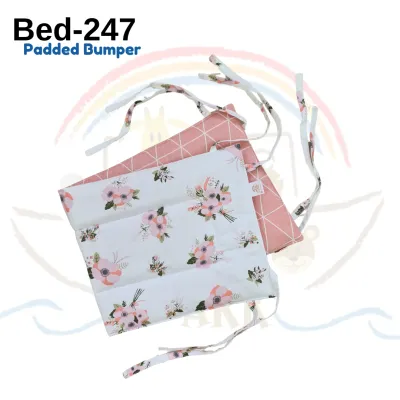
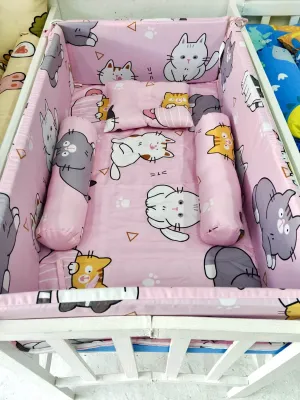
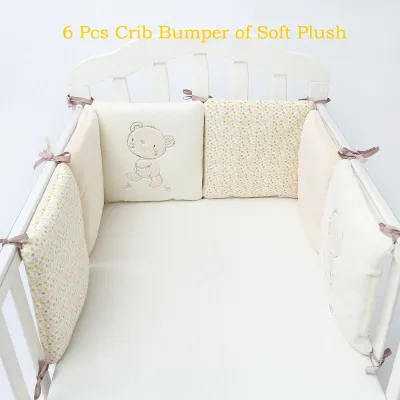
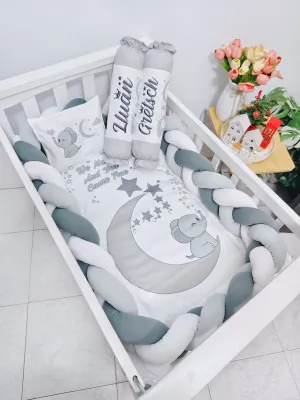
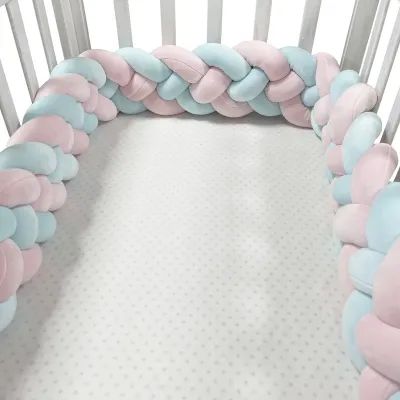
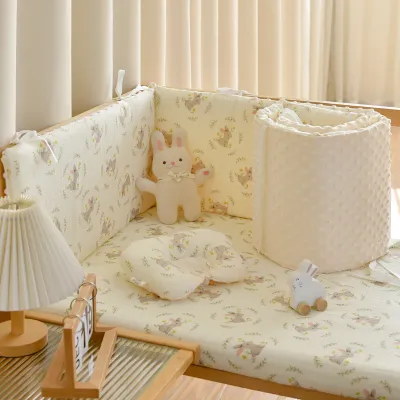

Prices are valid at publication and may change. Please refer to the product page for the latest price.
When browsing local specialty shops or online marketplaces in the Philippines, these sets are often sold across a wide price range—from budget-friendly options around ₱500 to premium imported sets exceeding ₱3,000. However, price and premium marketing do not equate to safety. For parents looking to buy nursery essentials, understanding the physical risks associated with these products is the first step in creating a truly secure sleep space.
Key Safety Risks Associated with Foam Crib Bumpers
Suffocation and Entrapment
Infants, particularly those under six months, have limited neck control and motor strength. If a sleeping baby rolls over or wiggles to the edge of the mattress, their nose and mouth can easily become pressed against the dense foam of a bumper. Unlike a hard wooden slat, which allows air to flow around it, foam forms a seal that blocks oxygen. This can quickly lead to suffocation. Additionally, a baby can become wedged in the tight gap between the bumper and the mattress or the crib side, trapping them in a position where they cannot breathe.

Overheating
This risk is especially critical in the Philippines, where high ambient temperatures and tropical humidity are year-round realities. Foam is a highly effective insulator that traps body heat and restricts natural ventilation within the crib. When a crib is enclosed by a foam bumper, it creates a microclimate of stagnant, warm air. Overheating is a well-documented risk factor for SIDS, as it can cause a baby to fall into an unnaturally deep sleep from which they cannot easily arouse themselves to breathe.
Climbing and Falls
As babies reach developmental milestones, typically between six and nine months, they begin pulling themselves up to a standing position. During this stage, a dense foam bumper ceases to be a cushion and instead becomes a step. Older infants can step onto the firm foam to gain extra height, allowing them to climb over the crib rail. This significantly increases the risk of serious falls onto hard bedroom floors, which can cause severe head injuries.
Detachment Hazards
Most foam bumper sets rely on fabric ties or Velcro straps to secure them to the crib rails. If these ties break, fray, or become loose, they present a direct strangulation hazard. Furthermore, if a baby pulls on a loose bumper, the heavy foam padding itself can collapse onto them, leading to trapping or choking. Caregivers must realize that no matter how tightly tied a bumper seems initially, babies are remarkably persistent at pulling and tugging on their surroundings.
Current Safety Recommendations and Guidelines
Global and local pediatric authorities maintain a unified stance on safe sleep. The American Academy of Pediatrics (AAP) and pediatric organizations in the Philippines emphasize that a baby’s sleep surface must be free of all soft bedding. This includes pillows, blankets, quilts, sheepskins, and all types of crib bumpers.
To simplify these guidelines, health educators promote the “ABCs of Safe Sleep” framework:
- Alone: The baby should sleep in their own space, free from other people, pets, or soft objects.
- Back: Babies must always be placed on their backs for every sleep session, both naps and nighttime.
- Crib: The sleep environment should be a safety-approved crib, playpen, or bassinet with a firm, flat mattress.
When shopping, parents may encounter foam bumper sets labeled as “safety certified” or “approved.” It is crucial to understand that there are no official safety standards that make a traditional foam bumper safe for unsupervised infant sleep. Parents should check for product recalls via official trade channels and verify if specific products have been flagged by international consumer safety commissions. Ultimately, regulatory compliance of a material does not override the fundamental medical recommendation to keep the crib bare. Always consult your pediatrician if you have questions about your baby’s specific developmental needs or sleep environment.
Are "Breathable" or Mesh Bumpers Any Safer?
In response to growing safety concerns over traditional foam, manufacturers have introduced alternative designs, such as mesh or “breathable” bumpers. These products are marketed as a safer compromise, promising that their porous fabrics allow continuous airflow even if a baby’s face is pressed directly against them.
Despite these marketing claims, pediatric health guidelines do not make exceptions for mesh or breathable liners. The core recommendation remains absolute: keep the crib completely empty. There is a lack of conclusive clinical evidence proving that these alternative bumpers prevent injuries, and they still introduce several of the same risks associated with traditional foam.
For instance, while a mesh liner may reduce the risk of suffocation, it does not eliminate other physical hazards. Mesh bumpers can still detach, leading to entanglement or strangulation from loose ties. As the baby grows, even a thin mesh liner can be bunched up or stepped on, acting as a climbing aid that facilitates falls. Parents should look past persuasive marketing buzzwords and focus on the scientifically backed requirement of an empty, bare crib for optimal safety.
How to Set Up a Safe Crib Without Bumpers
Many parents buy foam bumpers out of a genuine desire to protect their child from getting their limbs stuck between crib slats or hitting their heads against the wooden frame. While it can be distressing to hear your baby cry after bumping their head, pediatricians reassure parents that these minor bumps rarely cause serious injury. A small, temporary bruise is a minor event compared to the life-threatening risks of suffocation and SIDS associated with foam bumpers.
To set up a safe, bumper-free sleep space, start with the mattress. Ensure you use a firm, flat mattress designed specifically for your crib model. There should be no gaps wider than two fingers between the mattress edge and the crib frame to prevent entrapment. Cover the mattress with a tightly fitted sheet that does not pull up at the corners.
To keep your baby warm without loose blankets, use a wearable blanket or sleep sack. In the tropical climate of the Philippines, select lightweight, breathable fabrics such as single-layer cotton or muslin. These sleep sacks keep the baby’s arms and legs contained, reducing the likelihood of limbs slipping through the crib slats while preventing overheating.
Before assembling or using a crib, verify the spacing of the slats. Safe crib designs feature slats spaced no more than 2 3/8 inches (about 6 centimeters) apart. This spacing is narrow enough to prevent a baby’s head or torso from slipping through, effectively eliminating the risk of head entrapment without the need for dangerous foam padding. Always check the manufacturer’s user manual and inspect the crib regularly to ensure all joints remain secure.
Frequently Asked Questions (FAQ)
At what age is it safe to use a crib bumper?
Safety guidelines advise against using crib bumpers at any age during infancy. Once a baby is old enough to roll over, sit, or stand, the risk of suffocation is joined by the risk of falls. A toddler can use the bumper as a step to climb out of the crib. Therefore, bumpers should be avoided entirely throughout the years your child sleeps in a crib.
What should I do if I already bought a foam crib bumper set?
If you have already purchased a foam crib bumper set, the safest action is to remove it from the crib immediately. You can repurpose the foam padding for supervised activities outside the sleeping area. For example, use the soft panels as a cushioned border during tummy time on the floor, or place them in a designated playpen where your baby is under continuous adult supervision. Never leave a baby unattended with these materials.
How can I stop my baby from getting their legs stuck in the crib rails?
To prevent your baby’s limbs from slipping through the rails, ensure your crib complies with standard slat spacing (no more than 2 3/8 inches apart). Dressing your baby in a lightweight sleep sack is a highly effective way to keep their legs together and prevent them from poking through the slats. If a limb does slip through, stay calm; babies usually wake up, cry to alert you, or naturally wiggle themselves free. This temporary inconvenience is far safer than the silent, high-risk hazard of a foam bumper.

Community discussion
Share your experience or ask a question. Comments are reviewed before publication.