
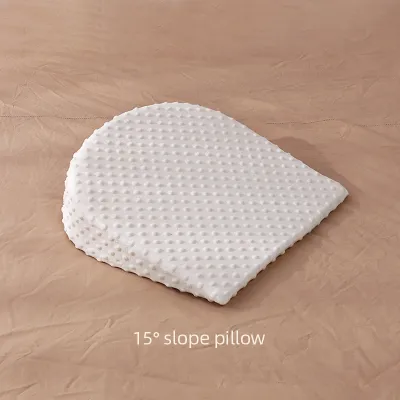
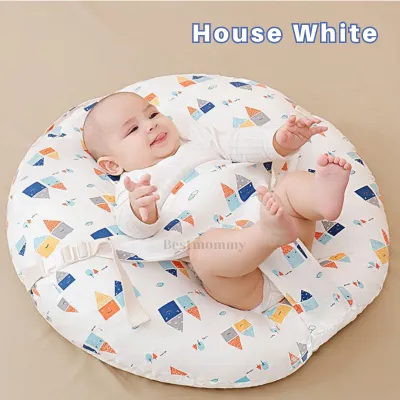
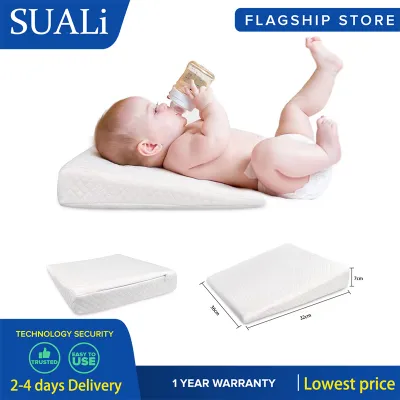
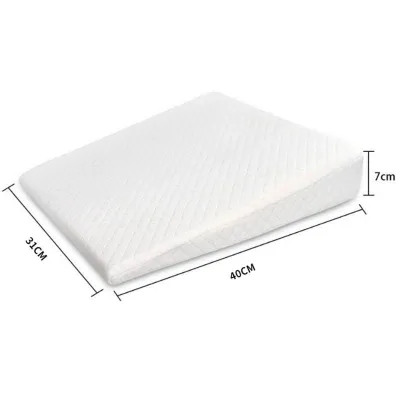
No, elevated pillows, wedges, and sleep positioners are not safe for infant sleep. They pose severe risks of positional asphyxia, suffocation, and entrapment. While marketing claims often suggest these products relieve reflux or congestion, pediatric health authorities globally and locally advise keeping a baby’s sleep surface completely flat and clear. This guide explores the physical hazards of elevated sleep surfaces, explains the difference between loose pillows and medically supervised mattress adjustments, and provides safe, practical alternatives to help your baby sleep comfortably and securely.
Understanding the Safety Risks of Elevated Baby Pillows
An infant’s airway is highly pliable and about the width of a drinking straw. Because their neck muscles are not yet strong enough to support their relatively heavy head, any positioning that forces the head forward can easily compress the trachea. This silent obstruction, known as positional asphyxia, can cut off oxygen without the baby making a sound or struggling.
Gravity acts on any inclined surface, creating a physical hazard for a sleeping baby. Even a slight angle can cause an infant to slide downward or roll over earlier than they would on a flat surface. This movement can wedge their face against the bottom of the pillow, the side of the crib, or the mattress itself, leading to rapid suffocation.
Products mentioned in this guide



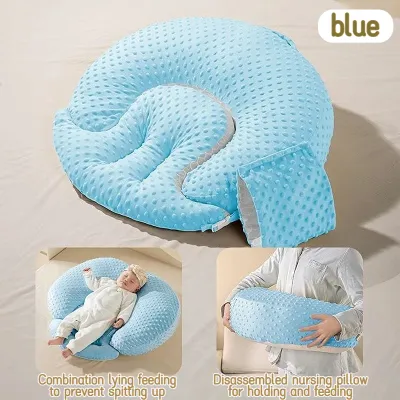
Prices are valid at publication and may change. Please refer to the product page for the latest price.
Soft, inclined pillows conform to the baby’s face if they turn or tilt, blocking airflow. Standard safe sleep guidelines for infants under 12 months require a firm, flat surface that does not indent under the baby’s weight. Soft materials create pockets of trapped carbon dioxide, which the baby may re-breathe, dangerously lowering their oxygen levels.
In warm, humid tropical climates like the Philippines, soft synthetic materials in elevated pillows can trap body heat and sweat. Overheating is a significant, documented risk factor for sleep-related infant deaths. Keeping the sleep surface flat and free of plush padding helps maintain a stable, safe body temperature throughout the night.
Medical Exceptions: Reflux, Congestion, and Mattress Elevation
Parents facing sleepless nights due to a congested or spitting-up baby often turn to commercial wedges. However, pediatricians strongly advise against placing these loose items inside the crib. The risk of the baby sliding off the wedge and becoming trapped far outweighs any temporary comfort the incline might offer.

If elevation is medically necessary for severe gastroesophageal reflux disease (GERD), it involves tilting the entire mattress base or crib frame, not placing a pillow under the baby’s head. This adjustment keeps the sleep surface flat while raising the head of the bed, reducing the risk of the baby bending at the waist and compressing their airway.
Any adjustment to the sleep surface angle must be done under direct medical supervision. Parents should verify with their pediatrician whether mattress elevation is truly necessary, as many common infant spit-ups are normal developmental phases that do not require physical intervention.
When a doctor does recommend elevating the crib mattress, the adjustment is typically made by placing secure blocks under the legs of the crib frame or inserting a specialized wedge beneath the mattress itself, never on top of the sheet. The sheet must remain tightly fitted over the mattress to prevent any loose fabric from creating a suffocation hazard.
Even when the mattress itself is elevated, the risk of the baby sliding down to the foot of the crib remains. This is why flat sleep is still the gold standard for unsupervised rest, and any elevation should be monitored closely according to professional medical advice.
Core Principles of a Safe Infant Sleep Environment
A safe sleep environment begins with a firm, flat mattress that does not conform to the shape of your baby’s head. The mattress should fit snugly within the crib or bassinet frame, leaving no gaps along the edges where a baby could become trapped.
The “bare crib” rule is essential for preventing accidental suffocation. Keep the sleep area completely free of loose bedding, quilts, comforters, sheepskins, stuffed toys, and bumper pads. A fitted sheet is the only item that should cover the mattress.
Placing your baby on their back for every sleep period—both daytime naps and nighttime sleep—is the single most effective way to reduce sleep-related risks. Once your baby can roll over independently from back to front and front to back, you can allow them to choose their own sleep position, but always start them on their back.
In humid tropical environments, managing moisture and heat is crucial for infant comfort and safety. Choose lightweight, breathable sheets made of natural fibers like 100% cotton to prevent sweat accumulation and keep the baby cool. Regularly inspect the mattress for any signs of mold or mildew caused by high humidity.
Room-sharing without bed-sharing is highly recommended for the first six months of life. Keeping the baby’s crib or bassinet in your bedroom close to your bed allows for easy monitoring, comforting, and feeding while maintaining a safe, separate sleep space.
What to Check If Considering an Elevated Pillow for Older Toddlers
Pillows should not be introduced to a child’s sleep environment until they are at least 12 to 18 months old, and many pediatric experts suggest waiting until they transition to a toddler bed. Before this stage, a child’s physical development does not require a pillow, and the safety risks remain high.
When transitioning to a toddler pillow, always verify the manufacturer’s minimum age, weight, and developmental guidelines on the product label. Never use a standard adult pillow, which is too large and soft, posing a suffocation risk for a young child.
Choose a pillow that offers firm support rather than a soft, plush feel. The pillow should be relatively flat and thin, supporting the natural alignment of the child’s neck and shoulders without allowing their head to sink deeply into the material.
Ensure the pillow cover is highly breathable, securely zipped, and free of any detachable decorative elements like buttons, tassels, or loose zipper pulls that could become choking hazards. In humid climates, a washable, hypoallergenic cover is essential to prevent the buildup of dust mites and allergens.
Regularly inspect the toddler pillow for wear and tear. Check the seams to ensure no filling is escaping, and replace the pillow immediately if it loses its shape, becomes lumpy, or shows signs of moisture retention and mold.
Safe Alternatives for Reflux and Nasal Congestion
To manage mild reflux or spit-up naturally, keep your baby in an upright position on your shoulder for 20 to 30 minutes after every feeding. This simple practice uses gravity to help keep stomach contents down and reduces the likelihood of spit-up when they are laid flat.
Ensure you burp your baby thoroughly during and after feedings to release trapped air. This prevents air bubbles from building up in the stomach, which can push milk back up the esophagus and cause discomfort when the baby lies down.
For nasal congestion, use sterile saline drops to loosen mucus in the nasal passages, followed by a gentle nasal aspirator before sleep. This clears the airway effectively, allowing the baby to breathe comfortably while lying flat on their back without the need for risky elevated pillows.
Optimizing the air quality and circulation in the nursery can also ease congestion. In warm, humid regions, using a clean fan to circulate air—ensuring it does not blow directly on the baby—or a cool-mist humidifier can keep the air comfortable and reduce stuffiness.
If your baby’s reflux or congestion is severe enough to disrupt their sleep consistently, consult a pediatrician. They can evaluate your baby for underlying conditions and recommend safe, medical treatments rather than relying on unproven and potentially dangerous sleep positioners.
Frequently Asked Questions (FAQ)
Can I use an elevated pillow for my baby's daytime naps?
No, the safety risks of elevated pillows do not change based on the time of day or the duration of the sleep period. Positional asphyxia and suffocation can occur quickly, even during a short, supervised nap. If you want to keep your baby elevated while they are awake, hold them upright in your arms, use a baby carrier, or engage in supervised tummy time on a flat floor. For any sleep, your baby must always be placed on a flat, firm surface.
Are anti-reflux wedges safe for newborns?
Despite marketing claims suggesting they help with colic, spit-up, or reflux, anti-reflux wedges and sleep positioners are not safe for newborns. Newborns have very limited head control and are highly vulnerable to airway obstruction if their head tilts forward on an incline. They are also at risk of sliding down the wedge, which can lead to suffocation against the crib bedding. Always consult your pediatrician for safe, evidence-based ways to manage newborn reflux.

Community discussion
Share your experience or ask a question. Comments are reviewed before publication.