
A clear, flat, and uncluttered sleep surface is the foundational rule of infant sleep safety. While beautifully curated nursery bedding sets often feature matching bolster pillows, pediatric safety guidelines advise against placing any pillows, cushions, or soft toys in a baby’s crib during their first year of life. Introducing a bolster pillow too early poses serious safety hazards, including suffocation, entrapment, and sudden infant death syndrome (SIDS) risks. For most children, a pillow should only be introduced once they transition out of a crib and into a toddler bed, typically around or after two years of age, and only when they have achieved specific developmental milestones.
Parents often face conflicting information when browsing nursery accessories. Many retail packages display infants sleeping peacefully alongside soft bolsters, creating a false impression of safety. However, infant development and sleep safety experts emphasize that a baby’s sleeping area must remain completely bare. Understanding the physical risks associated with these products, recognizing the developmental signs of readiness, and knowing how to evaluate bedding materials are essential steps in keeping your child safe.
Understanding the Safety Risks of Bolster Pillows in Cribs
The primary concern with placing a bolster pillow in an infant’s crib is the risk of physical suffocation. Babies have delicate, developing airways that can easily be obstructed if their nose or mouth becomes pressed against a soft surface. Unlike older children or adults, infants do not have the neck strength or motor control to easily pull themselves away from an object that is blocking their breathing.
Products mentioned in this guide





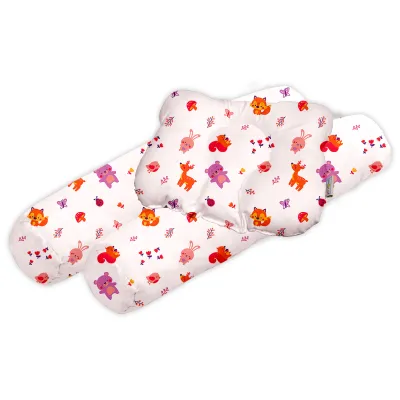

Prices are valid at publication and may change. Please refer to the product page for the latest price.
Entrapment is another critical hazard associated with bolster pillows. Because of their cylindrical shape, these pillows can easily roll or shift within the crib. A wiggling baby can easily become wedged between the bolster pillow and the crib slats, or between the pillow and the mattress. Once trapped in these tight spaces, a baby may find it impossible to reposition themselves, leading to dangerous situations where their breathing is restricted.
During the first few months of life, a baby’s physical mobility is highly limited. If a bolster pillow rolls over or if the baby accidentally rolls against it, they may lack the developmental ability to push the object away or roll back to a safe position. This vulnerability is particularly high during unsupervised sleep times, such as overnight or during naps, when parents are not actively watching every movement.
It is vital to distinguish between supervised awake time and unsupervised sleep. While a bolster pillow might seem like a convenient prop to keep a baby in place on a play mat while you are actively watching them, it has no place in a crib where a baby is left unattended. Unsupervised sleep requires a completely clear space, free of any potential hazards that could compromise the baby’s breathing or movement.
When Can a Child Safely Transition to a Bolster Pillow?
Determining when to introduce a bolster pillow should be based on your child’s individual physical milestones rather than a strict calendar age. While many pediatric organizations suggest that pillows of any kind should be avoided until a child is at least two years old, developmental readiness is the most reliable indicator. Your child must be able to roll over easily in both directions, sit up independently, and possess the strength to push heavy objects away from their face.

Before introducing any pillow to your child’s bed, consulting your pediatrician is a highly recommended step. A qualified healthcare professional can evaluate your child’s specific physical development, neck strength, and motor skills to provide personalized guidance. They can help you determine if your child is ready for a pillow or if it is safer to maintain a bare sleeping environment for a longer period.
In addition to professional medical advice, parents must carefully review the manufacturer’s documentation for any bedding product. Never assume a product is safe for an infant simply because of its name or marketing imagery. Always check the product label for explicit minimum age, weight, and height recommendations. If a manufacturer specifies that a bolster pillow is intended for children aged two and older, do not use it for a younger child under any circumstances.
When your child does eventually transition to a toddler bed, a bolster pillow can sometimes help them feel secure in their new, larger sleeping space. However, this transition should only occur when the child has fully outgrown the crib and has the physical capability to manage their bedding independently. Introducing a pillow too early, even to a highly mobile toddler who is still in a crib, can create a climbing hazard, allowing them to step on the pillow to scale the crib rails.
Evaluating a Bolster Pillow Set Marketed for Babies and Toddlers
When shopping for nursery bedding, you will frequently encounter products labeled as a “bolster pillow set for baby.” It is crucial to understand that marketing terms do not equal safety guarantees. Manufacturers often package these sets together for aesthetic appeal rather than practical, safe use during infancy. As a caregiver, you must look past the packaging and critically evaluate the product’s design, materials, and intended use.
Firmness is one of the most important physical characteristics to assess when evaluating a bolster pillow. A safe pillow for an older toddler must be firm enough to support their head without conforming closely to their face. To test this, press your hand firmly into the center of the pillow; if your hand leaves a deep, lasting impression or if the pillow feels excessively plush, it is too soft and poses a suffocation risk. The pillow should quickly regain its shape once pressure is released.
Material breathability is another essential factor, especially in warm and humid tropical climates. High humidity can cause moisture to build up in bedding, leading to discomfort and potential hygiene issues. Look for bolster pillows made with breathable, hypoallergenic covers such as organic cotton or bamboo, which allow for better airflow. The inner filling should also be breathable and resistant to trapping heat, helping to keep your child comfortable and preventing overheating during sleep.
Carefully inspect the construction quality of any bolster pillow before bringing it into your child’s room. Check all seams for secure, tight stitching to ensure that no loose threads can unravel, as these can pose a wrap hazard for tiny fingers and toes. Zippers must be high-quality, hidden, or recessed so that your child cannot easily open them and access the inner filling, which can be a serious choking hazard. Avoid any pillows with decorative buttons, ribbons, or tassels that could detach.
Safe Sleep Environment Checklist for Your Nursery
Creating a safe sleep environment involves looking at the nursery as a whole, ensuring that the introduction of any new bedding item does not compound existing risks. Start by verifying the condition of the crib mattress. The mattress must be exceptionally firm and fit tightly within the crib frame, leaving no gaps along the edges where a child’s head or limbs could become trapped. The fitted sheet must wrap tightly around the mattress without any loose fabric or bunching.
Managing the sleep environment’s temperature and humidity is critical for preventing overheating, which is a significant risk factor in sleep-related infant accidents. In tropical regions, high ambient temperatures require careful attention to sleepwear and bedding layers. Instead of adding bolster pillows or heavy blankets to keep a child cozy, rely on lightweight, breathable sleepwear or a sleep sack. Keep the nursery well-ventilated and at a comfortable temperature to ensure a safe, restful sleep.
When you decide to introduce a bolster pillow to an older toddler’s bed, establish a strict daily monitoring routine. Inspect the bed regularly to ensure the pillow remains in its proper position and is not creating a hazard. If you observe your child showing signs of distress, becoming awkwardly wedged against the pillow, or using it as a step stool to attempt climbing out of their bed, remove the bolster pillow immediately. Always prioritize a clear, safe space over decorative bedding arrangements.
When allocating your nursery budget in ₱, prioritize investing in a high-quality, certified firm mattress and snug-fitting sheets rather than expensive, decorative bedding bundles that include unnecessary pillows. Keeping the sleep space simple and clear is the most effective way to protect your child. If you ever feel unsure about the safety of your child’s sleep setup, stop using the accessory immediately and consult a qualified professional for guidance.
Frequently Asked Questions (FAQ)
Can I use a bolster pillow for supervised tummy time or play?
Yes, a firm bolster pillow can sometimes be used as a supportive prop during supervised tummy time or active play once your baby has developed basic neck control. Placing a small, firm bolster under the baby’s chest can help them prop themselves up and look around, which aids in strengthening their neck, shoulder, and back muscles. However, this activity must always be conducted under active, constant adult supervision. You must remain within arm’s reach at all times, and the moment the play session ends or you need to step away, you must immediately remove the bolster pillow from the baby’s reach. Never allow a baby to fall asleep on or near a bolster pillow during tummy time.
What should I do if my toddler rolls against the bolster pillow during sleep?
If you observe your toddler sleeping with their face pressed against or wedged under a bolster pillow, you should gently reposition them to a safer, clear area of the bed. Take this opportunity to evaluate the pillow itself; if it is too large for the bed, excessively soft, or easily shifts around, it may not be suitable for their current developmental stage. Consider removing the bolster pillow from the bed entirely until they are older and more capable of managing their bedding. If your child frequently ends up in awkward or restricted positions during sleep, or if you have ongoing concerns about their sleep safety, consult your pediatrician for personalized advice and guidance.

Community discussion
Share your experience or ask a question. Comments are reviewed before publication.