
No, loose blankets are not safe for newborn babies. Pediatric health organizations and safe sleep experts globally recommend keeping all loose bedding, including blankets, quilts, and pillows, out of your baby’s sleep space for at least the first year of life. Introducing a loose blanket too early poses serious safety hazards, such as suffocation, strangulation, and an increased risk of Sudden Infant Death Syndrome (SIDS). While you may be eager to dress up your baby girl’s nursery with beautiful, soft bedding, her safety must always come first.
For parents navigating the early months, keeping a newborn warm without a blanket can feel counterintuitive. Fortunately, modern pediatric guidelines offer clear, evidence-based alternatives that keep your little one cozy and secure without compromising her safety. Understanding when and how to safely transition to a traditional blanket is a vital milestone in your parenting journey.
Understanding the Risks of Loose Blankets for Newborns
The primary reason safe sleep guidelines strictly prohibit loose blankets in a newborn’s crib is the direct risk of physical suffocation. During sleep, a baby naturally moves, wiggles, and shifts positions. If a loose blanket is present in the crib, these movements can easily cause the fabric to drape over the baby’s face, blocking her nose and mouth and cutting off her oxygen supply.
Products mentioned in this guide
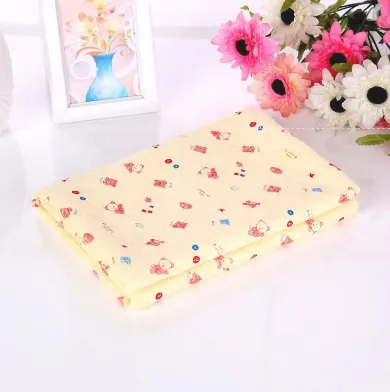
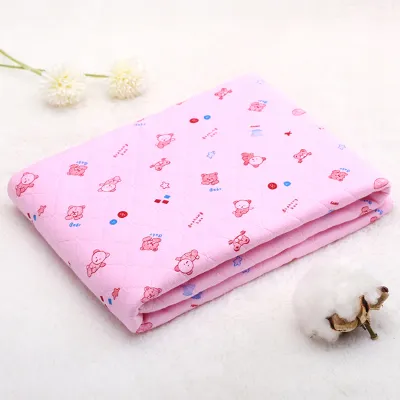
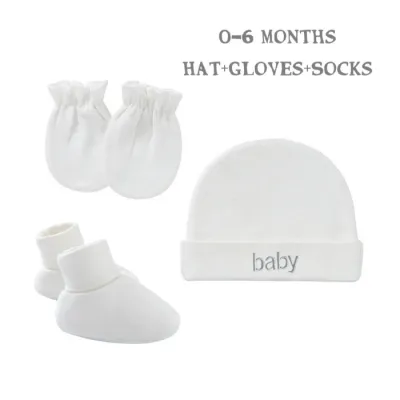
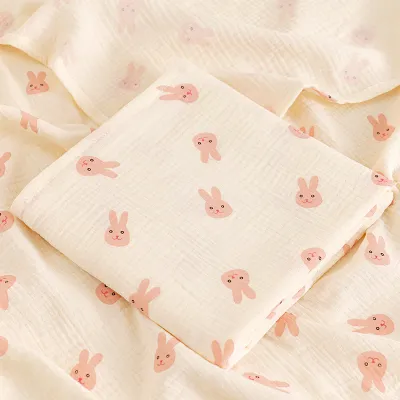
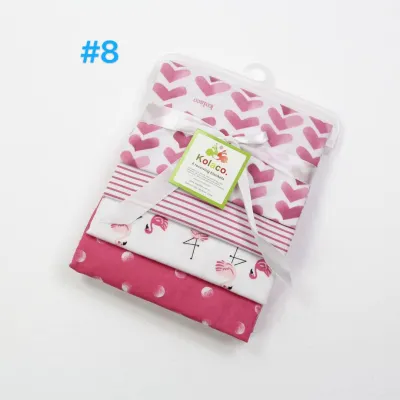
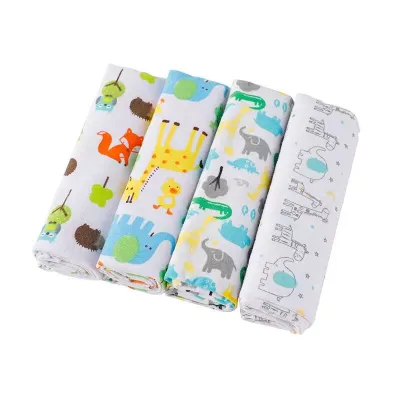
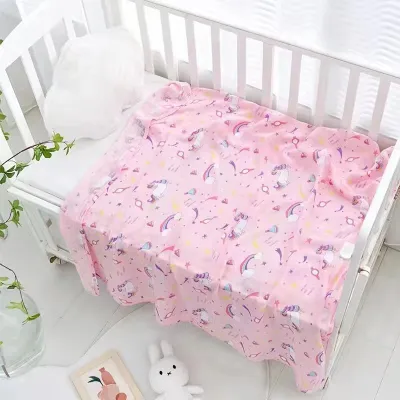
Prices are valid at publication and may change. Please refer to the product page for the latest price.
In addition to suffocation, loose blankets present a high risk of entrapment and strangulation. A wriggling infant can easily become tangled in the folds of a loose sheet or blanket. This entanglement can restrict her movement, compress her chest, or wrap around her neck, leading to life-threatening situations in a matter of minutes.
These physical hazards are a major factor in the global pediatric consensus linking loose bedding to an increased risk of Sudden Infant Death Syndrome (SIDS). SIDS is the sudden, unexplained death of an infant under one year of age, often occurring during sleep. Research indicates that a cluttered sleep environment, particularly one containing loose blankets, significantly elevates this risk by creating micro-environments of trapped carbon dioxide and reducing fresh air circulation around the baby’s face.
Newborns are uniquely vulnerable to these hazards because they lack the motor skills, coordination, and physical strength to rescue themselves. If a blanket covers a newborn’s face, she cannot simply reach up and pull it away. Her neck muscles are not yet strong enough to lift her head, and she cannot roll over or shift her body to escape the obstruction. Because of these developmental limitations, caregivers must ensure that the sleep environment itself remains entirely free of potential hazards.
When Can You Safely Introduce a Blanket?
The general consensus among pediatricians and child safety organizations is that loose blankets should not be introduced into a baby’s crib until she is at least 12 months old. By the time your baby girl reaches her first birthday, her risk of SIDS drops significantly, and her physical capabilities have advanced to a point where she can navigate her sleep space much more safely.

Age alone, however, is not the only factor to consider; developmental milestones play a crucial role in determining when your baby is ready for a blanket. Before placing any loose bedding in her bed, your child must be able to roll over easily in both directions—from back to tummy and tummy to back. She should also be able to sit up independently and demonstrate the manual dexterity to push objects away from her face and body.
Even when your baby girl reaches these milestones, it is highly recommended to consult your pediatrician before making any changes to her sleep environment. Every baby develops at her own pace, and factors such as premature birth, respiratory conditions, or individual physical development can influence this timeline. Your pediatrician can provide personalized guidance tailored to your baby’s specific growth and health profile, ensuring that any transition is made at the safest possible moment.
Safe Alternatives to Keep Your Baby Warm at Night
To keep your newborn warm and comfortable without the risks of loose bedding, wearable blankets and sleep sacks are the ideal solution. These garments are designed to be worn over your baby’s regular sleepwear, providing a secure layer of warmth that cannot be kicked off or pulled over her face. When choosing a sleep sack, it is essential to verify the proper fit around the neck and armholes according to the manufacturer’s sizing chart. The neck opening should be snug enough that the baby’s head cannot slip down inside the sack, yet loose enough to prevent chafing or restriction.
Swaddling is another traditional and effective method for keeping newborns warm and soothing their startle reflex. When swaddling, use a lightweight, breathable fabric and ensure the wrap is secure but not overly tight around the hips and chest. The critical stopping condition for swaddling is when your baby shows any signs of attempting to roll over, which can happen as early as two months of age. Once your baby begins to roll, swaddling must be discontinued immediately, as a swaddled baby who rolls onto her stomach has no way to lift her head or clear her airway. At this stage, transitioning to an arms-free wearable blanket is the safest next step.
Managing the ambient room temperature is also key to keeping your baby comfortable without relying on heavy blankets. In tropical climates like the Philippines, where high humidity and warm temperatures are common, managing the indoor environment requires careful attention. If you use air conditioning, aim to keep the room at a comfortable, stable temperature, and monitor it using a dedicated room thermometer. If you rely on natural ventilation or electric fans, ensure the fan is not blowing directly onto the baby, and dress her in lightweight, breathable layers such as cotton onesies.
Building a Safe Sleep Environment Checklist
Creating a safe sleep space involves more than just omitting blankets; it requires a comprehensive approach to the entire crib setup. To ensure your baby girl’s sleeping area meets established safety standards, start with the mattress. The crib mattress must be firm and flat, resisting any indentation when the baby lies on it. It should fit snugly within the crib frame with no gaps along the edges, and it must be covered only by a tightly fitted sheet designed specifically for that exact mattress size to prevent the sheet from slipping or bunching.
Next, clear the crib completely of all soft objects and loose items. This means removing pillows, bumper pads, stuffed toys, sleep positioners, and any loose blankets or quilts. While these items are often marketed as cute nursery accessories, they present significant suffocation and entrapment hazards. A bare crib is the safest crib, containing only the firm mattress, the fitted sheet, and your baby.
Always place your baby on her back for every sleep session, including daytime naps and nighttime sleep. This position keeps her airway open and is the single most effective way to reduce the risk of SIDS. Once your baby is old enough to roll over independently in both directions, you do not need to flip her back if she rolls during sleep, but she must always start the night on her back.
Finally, understand the guidelines regarding room sharing versus bed sharing. Pediatric experts strongly recommend room sharing—sleeping in the same room as your baby—for at least the first six months, as this proximity allows for easy monitoring and feeding. However, bed sharing (co-sleeping in the same bed) is not recommended due to the high risk of accidental suffocation, entrapment, or overlay. Your baby should sleep on her own separate, dedicated sleep surface, such as a crib, bassinet, or play yard, placed close to your bed.
How to Choose a Blanket for Your Baby Girl When the Time Comes
When your baby girl reaches the appropriate age and developmental milestones to safely use a blanket, selecting the right product requires careful consideration of materials and construction. Prioritize lightweight, highly breathable fabrics such as organic cotton, bamboo, or muslin. These materials allow for excellent air circulation, which is particularly important in warm, humid climates, helping to prevent overheating while still providing a comforting layer of warmth.
The size and weight of the blanket are equally critical factors. Choose a blanket that is appropriately sized for a toddler bed or crib, avoiding oversized adult blankets that can easily bunch up and create bulk. The blanket should be lightweight enough that your child can easily move it, kick it off, or pull it away from her face if she feels uncomfortable. Heavy, quilted, or weighted blankets are not suitable for young children and should be avoided.
Always review the care and maintenance labels on any blanket before purchasing. Baby bedding requires frequent washing to remove sweat, spit-up, and spills, so the blanket must be machine washable and durable enough to withstand regular cleaning. Look for blankets that maintain their softness and shape after multiple washes, and avoid those with loose threads, tassels, fringes, or decorative embellishments that could unravel and pose a choking or wrapping hazard.
Frequently Asked Questions (FAQ)
Can I use a blanket to cover my baby in a stroller or car seat?
Using blankets inside travel gear requires strict safety precautions to prevent harness failure and overheating. You should never place a thick blanket, bulky jacket, or puffy coat underneath the car seat harness straps, as these compressible materials prevent the harness from tightening securely against your baby’s body, which can lead to ejection during a crash. Instead, secure your baby firmly in the harness first, and then tuck a lightweight blanket over the top of the buckled straps, keeping it well away from her face. Alternatively, look for car seat covers specifically designed and approved by the manufacturer that fit over the outside of the car seat frame without interfering with the safety harness.
How do I know if my baby is too hot or too cold at night?
To accurately assess your baby’s temperature, do not rely on her hands or feet, as an infant’s extremities naturally feel cooler due to their developing circulatory systems. Instead, gently feel the nape of her neck or her chest with your hand; these areas should feel warm and dry. Signs that your baby may be too hot include flushed skin, rapid breathing, damp hair, or sweat on her chest. If you notice these signs, remove a layer of clothing or adjust the room’s ventilation. If her chest or neck feels cool to the touch, you can add a lightweight, wearable sleep sack or an extra layer of breathable clothing to keep her comfortable.

Community discussion
Share your experience or ask a question. Comments are reviewed before publication.