
Baby patting pillows have gained popularity among parents looking for ways to soothe their infants to sleep. Designed to mimic the gentle, reassuring weight of a parent’s hand, these pillows are often marketed as a solution for fussy babies who struggle to settle down. However, when it comes to infant sleep, safety must always take priority over convenience.
While these pillows can be useful tools for supervised, awake soothing, they are not safe for unsupervised sleep, especially for infants under 12 months of age. Placing any soft, pillow-like object in an infant’s crib poses severe safety risks, including suffocation, entrapment, and Sudden Infant Death Syndrome (SIDS). Understanding how to use these products safely, and when to keep them out of the crib entirely, is essential for protecting your baby.
In warm and humid tropical climates like the Philippines, sleep safety also involves managing airflow and heat. Adding extra plush items to a crib not only increases physical safety hazards but can also contribute to overheating. By learning the developmental guidelines and safety precautions associated with baby patting pillows, you can make informed decisions that keep your little one comfortable and secure.
Products mentioned in this guide
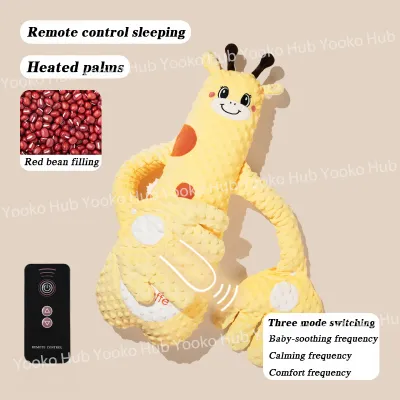
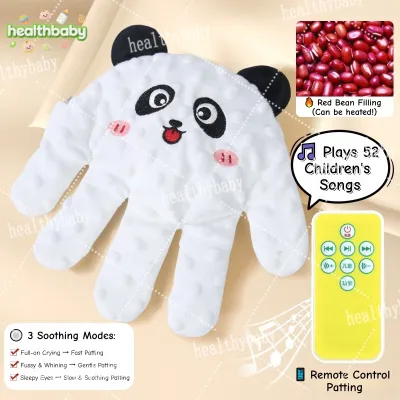
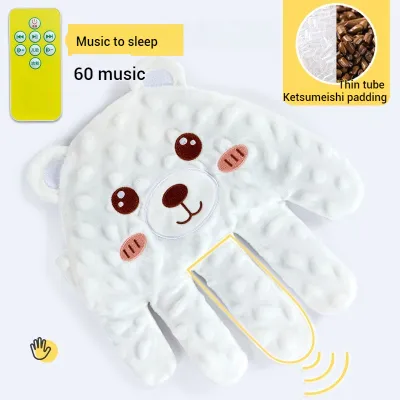
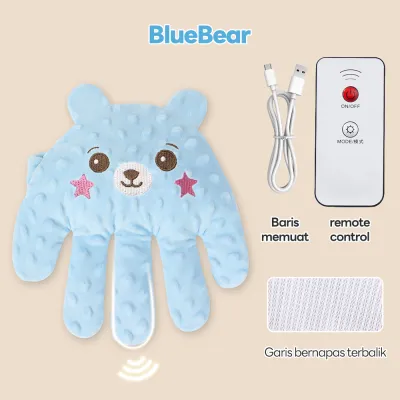
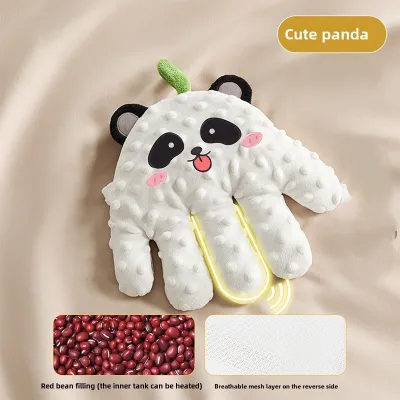
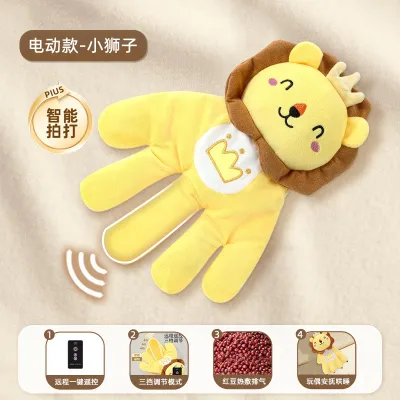
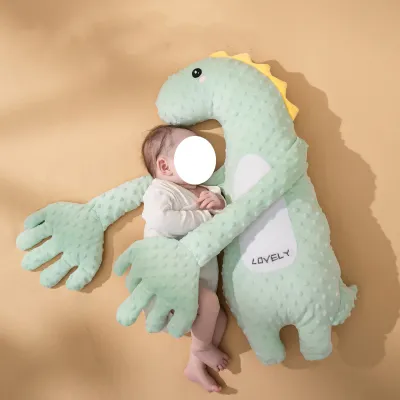
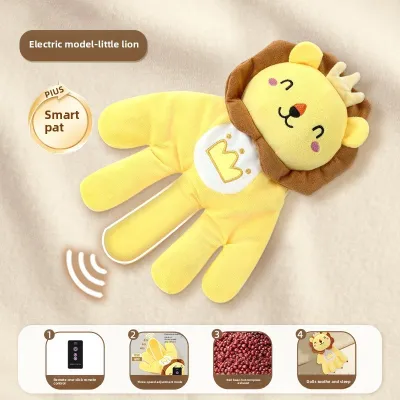
Prices are valid at publication and may change. Please refer to the product page for the latest price.
Understanding the Safety Risks of Baby Patting Pillows
To understand why baby patting pillows pose a risk, it helps to look at how infants breathe and move. Newborns and young infants have limited neck strength and motor control. If a soft object like a patting pillow shifts or if the baby rolls over against it, they may not have the physical strength to move their head away. This can lead to positional asphyxia, where the baby’s airway becomes blocked, or suffocation if the soft fabric covers their nose and mouth.
Soft bedding is one of the most common environmental contributors to SIDS and accidental suffocation. When an infant breathes in a confined space created by soft pillows or heavy blankets, they can end up rebreathing their own exhaled carbon dioxide. This lack of fresh oxygen can quickly become dangerous, especially since young babies do not always wake up automatically when their oxygen levels drop.
There is a critical distinction between active, supervised soothing and unattended sleep. Using a patting pillow to calm a crying baby while you are actively watching them is a hands-on activity. Unattended sleep, on the other hand, occurs when the baby is left alone in their crib or when the caregiver falls asleep. During these times, any loose or soft object in the sleep space becomes an immediate hazard.
Recommended Age Guidelines and Usage Scenarios
For infants under 12 months of age, pediatric health organizations worldwide recommend a completely bare sleep surface. This means no pillows, blankets, bumper pads, or soft toys should be in the crib during sleep. Consequently, a baby patting pillow must never be left in the crib with an unsupervised infant under one year old, regardless of how settled the baby seems to be with it.

If you choose to use a baby patting pillow, it should only be during supervised, awake soothing sessions. For example, you might place the pillow gently on your baby’s back or chest while they are awake and resting on a flat play mat, with you sitting right beside them. This can help calm a fussy baby during the day. However, the moment the baby begins to drift off to sleep, the pillow must be removed immediately, and the baby should be transitioned to a safe, bare sleep space.
As your child grows into a toddler, their physical capabilities change. Between 12 and 18 months, toddlers develop the neck strength and coordination needed to easily roll over, sit up, and push objects away from their faces. Only after reaching these developmental milestones, and preferably after 18 months, should you consider introducing a thin, firm toddler pillow. Always consult your pediatrician before introducing any pillow to your child’s bed to ensure they are developmentally ready.
Essential Safety Precautions for Supervised Use
If you decide to use a baby patting pillow for awake soothing, establishing strict safety boundaries is vital. First and foremost, you must maintain constant visual and physical supervision. This means you are actively watching your baby and are close enough to intervene instantly if the pillow shifts, covers the baby’s face, or if the baby attempts to roll over.
Supervision is not passive; it requires your full attention. Avoid using the pillow while you are distracted by chores, looking at a screen, or feeling drowsy yourself. If you feel tired, it is safest to put the pillow away and place your baby in their crib. If your baby falls asleep during a supervised session, remove the pillow immediately and transfer them to their back on a firm mattress.
Additionally, never use a patting pillow on soft surfaces such as adult beds, sofas, or plush armchairs. These surfaces are highly unstable and increase the risk of the baby rolling into a crevice or under the pillow. Always place your baby on a flat, firm, and stable surface, such as a dedicated play mat on the floor, during supervised soothing sessions.
What to Look for When Choosing a Patting Pillow
If you are shopping on an online marketplace or at a local baby boutique for a patting pillow to use during supervised awake time, you must evaluate the product’s design features carefully. Look for pillows made from highly breathable fabrics, such as organic cotton or bamboo. In hot and humid climates, breathable materials help prevent sweat buildup and skin irritation, while also reducing the risk of overheating.
Inspect the physical design of the pillow. It should be relatively flat and firm rather than overly plush or deeply contoured. Avoid pillows filled with loose materials like small plastic beads, buckwheat, or husks, as these can pose a severe choking hazard if a seam splits. The stitching should be durable, double-sewn, and entirely free of loose threads, ribbons, or decorative tassels that could wrap around a baby’s fingers or neck.
Always read the manufacturer’s product label for age recommendations, weight limits, and safety warnings. Do not rely solely on product titles or marketing claims that promise better sleep. If a product lacks clear safety instructions or does not specify age limits, it is best to avoid using it. Remember to check for any product recalls or safety alerts issued by consumer protection agencies before making a purchase.
Building a Safe Sleep Environment Without Pillows
Creating a safe sleep space does not require expensive gadgets or plush bedding. In fact, the safest sleep environment for an infant is incredibly simple. Adhering to the “bare is best” rule means your baby’s crib or bassinet should contain only a firm, flat mattress and a tightly fitted sheet. This clean setup eliminates the physical hazards associated with suffocation and entrapment.
To keep your baby warm without the risk of loose blankets, consider using wearable blankets or sleep sacks. These garments are designed to fit securely around your baby’s body without sliding up over their face. In tropical regions, choose lightweight, single-layer cotton or muslin sleep sacks to ensure your baby stays comfortable without getting too hot.
Proper room ventilation is another key factor in maintaining a safe sleep environment. Ensure the room has good airflow by using a ceiling fan or a standing fan, making sure the air is not blowing directly onto the baby. Keeping the room at a comfortable, cool temperature helps prevent overheating, which is a known risk factor for sleep-related infant deaths. Regularly check your baby’s chest or the back of their neck; if they feel hot or sweaty, adjust the room temperature or remove a layer of clothing.
Frequently Asked Questions (FAQ)
Can I leave a baby patting pillow in the crib while my baby sleeps?
No, you should never leave a baby patting pillow in the crib while your baby sleeps unsupervised. For infants under 12 months, any soft object, pillow, or loose bedding in the sleep space poses a serious risk of suffocation, entrapment, and SIDS. The crib must remain completely bare during sleep. If you use the pillow to soothe your baby while they are awake, you must remove it the moment they fall asleep.
Are weighted patting pillows safe for infants?
Weighted patting pillows and other weighted sleep products are not recommended for infants. The added weight can place undue pressure on a baby’s developing chest and ribcage, potentially restricting their breathing and lowering their oxygen levels. Pediatric health authorities advise against using weighted blankets, swaddles, or pillows for infants due to these safety concerns. Always consult a pediatrician if you have questions about soothing techniques for your baby.

Community discussion
Share your experience or ask a question. Comments are reviewed before publication.