
Baby-proofing is a vital step in preparing your home for an active toddler, but the very tools designed to protect your child can sometimes introduce unexpected hazards. Baby corner protectors are widely used to cushion sharp edges on coffee tables, TV consoles, and low shelves. However, if these safety devices are poorly manufactured, improperly installed, or allowed to degrade, they can transform into choking hazards or expose your little one to unwanted chemical compounds.
Understanding how to evaluate these products before bringing them into your home is essential for maintaining a secure environment. Because babies naturally explore their world by mouthing objects, corner guards are frequently subjected to biting, pulling, and chewing. By learning how to spot physical wear, verify material safety labels, and execute a secure installation, you can minimize these risks and ensure your baby-proofing efforts remain safe.
Understanding the Choking Hazard Risks of Corner Protectors
The primary physical risk associated with baby corner protectors is the potential for small parts to detach and enter a child’s airway. Many popular corner guards are made of soft, pliable materials like foam or silicone, which are highly effective at absorbing impacts but can be vulnerable to structural damage. Over time, exposure to friction, sunlight, and room temperature changes can cause these materials to degrade, making them brittle, crumbly, or prone to tearing.
Products mentioned in this guide
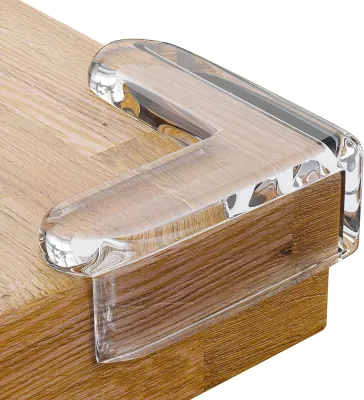
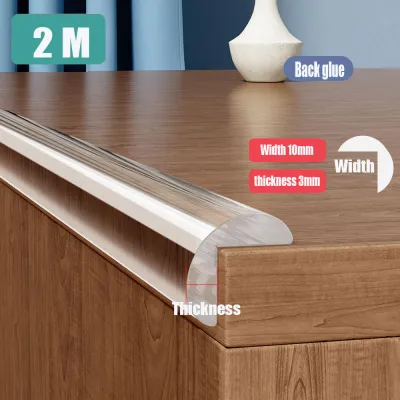
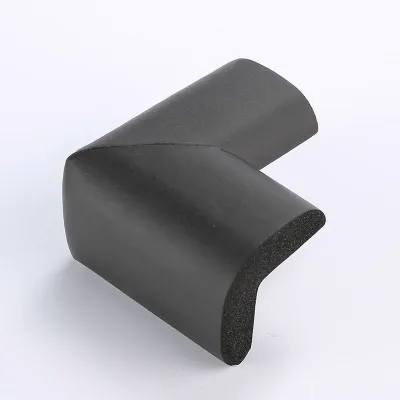

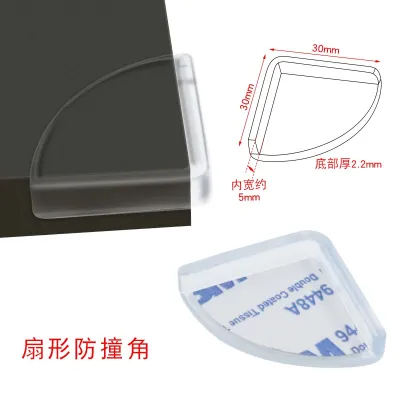
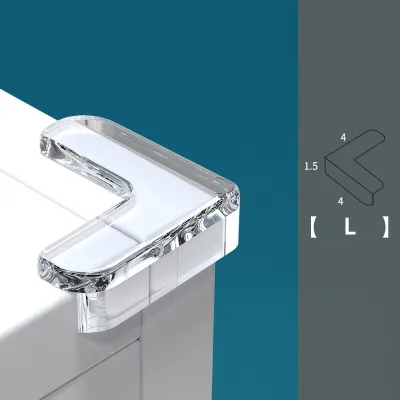
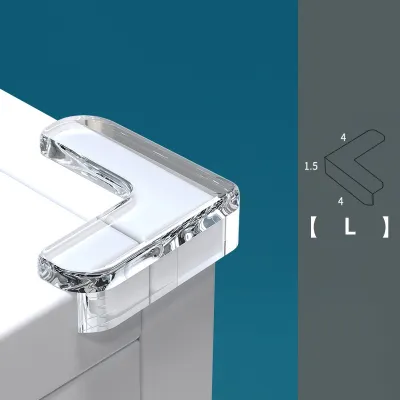
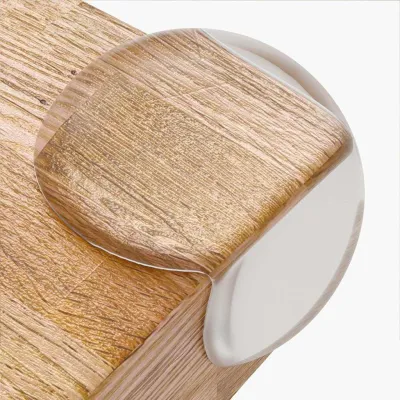
Prices are valid at publication and may change. Please refer to the product page for the latest price.
Teething babies present a unique challenge to the structural integrity of edge guards. When a child bites or chews on a soft foam protector, their sharp primary teeth can easily puncture the surface. With repeated chewing, small chunks of foam can be bitten off entirely. Silicone protectors, while generally tougher than open-cell foam, can also develop micro-tears if repeatedly gnawed, which can eventually lead to larger pieces splitting off under tension.
Adhesive failure is another major contributor to choking hazards. In warm, humid tropical climates, standard double-sided adhesives can lose their grip much faster than they would in dry environments. When the adhesive backing begins to peel, a curious baby can easily grab the loose edge and pull the entire protector off the furniture. Once detached, the corner guard itself—or the sticky, rolled-up adhesive residue left behind—becomes an immediate choking hazard.
To prevent these situations, caregivers should establish a routine inspection checklist. At least once a week, physically inspect every corner protector in your home by gently tugging on the edges to test the adhesive strength. Look closely for any signs of wear, such as hairline cracks, teeth marks, thinning sections, or crumbling edges. Run your fingers along the material to feel for changes in texture, as foam that has become stiff or sticky is a clear sign of chemical breakdown.
If you observe any tearing, loose corners, or crumbling material, you must take immediate action. Remove the damaged protector right away and clean the furniture surface thoroughly to remove any remaining adhesive. Do not attempt to patch a torn protector with household tape or glue, as these temporary fixes are easily bypassed by a determined toddler and can introduce additional risks.
Evaluating Toxic Materials and Chemical Concerns
Because babies frequently mouth corner protectors, the chemical composition of these safety devices is just as important as their physical durability. Corner guards are commonly manufactured from synthetic polymers, including ethylene-vinyl acetate (EVA) foam, nitrile butadiene rubber (NBR) foam, polyvinyl chloride (PVC), and silicone. While these materials are chosen for their cushioning properties, some low-quality formulations may contain harmful additives used to increase flexibility or reduce manufacturing costs.

When shopping for corner protectors, caregivers should be aware of specific chemical groups that are frequently scrutinized in children’s products. These include phthalates, which are plasticizers often used to make PVC soft and pliable, and Bisphenol A (BPA), a chemical used in certain plastics. Other concerns include heavy metals like lead or cadmium, which can be present in cheap pigments, and halogenated flame retardants. Because these substances can migrate out of the plastic when chewed or sucked on, verifying the chemical safety of the product is a critical step.
To verify what a product is made of, carefully read the product packaging and manufacturer disclosures. Look for clear, explicit statements indicating that the product is free from BPA, phthalates, heavy metals, and latex. Reliable manufacturers often print specific safety standards or compliance labels on their packaging, such as conformity marks indicating the product has been evaluated under regional toy safety regulations. Be cautious of vague marketing terms like “eco-friendly” or “non-toxic” if they are not accompanied by a specific list of materials or testing standards.
If you are browsing online marketplaces or local baby boutiques and find a product that lacks clear material disclosures, it is best to proceed with caution. A complete absence of ingredient lists or manufacturer contact information is a significant red flag. In such cases, you can attempt to contact the brand directly to request a material safety data sheet (MSDS) or product specification sheet. If the seller cannot provide clear documentation regarding the chemical makeup of the protector, look for an alternative product that offers full transparency.
You can also perform simple sensory checks to help identify potentially low-quality products. When you first open a package of corner protectors, pay close attention to any strong, pungent chemical odors. A heavy, sweet, or gasoline-like smell is a strong indicator of off-gassing, which occurs when volatile organic compounds (VOCs) escape from the material. While some mild odor is common with newly manufactured plastics, an overwhelming chemical smell that persists after airing out suggests poor manufacturing quality and potential chemical exposure, meaning the product should not be placed within your baby’s reach.
Best Practices for Selecting and Installing Safe Protectors
Selecting the right corner protector involves balancing physical safety, material quality, and secure installation. When evaluating different designs, prioritize one-piece structures that do not feature small, detachable decorative elements. While animal-shaped or cartoon-themed corner guards can look appealing, any design with small ears, eyes, or multi-part assemblies presents a higher risk of breaking apart under a baby’s grip. A simple, streamlined, and wide-profile design is generally much safer and harder for a child to grasp and peel away.
Proper surface preparation is the single most important factor in ensuring long-lasting adhesion, especially in humid environments. Before applying any adhesive, clean the furniture corner thoroughly to remove dust, oils, polish, and fingerprint residue. Use rubbing alcohol and a clean microfiber cloth to wipe down the surface, as standard household wood cleaners often leave behind a slick film that prevents the adhesive from bonding correctly. Allow the surface to dry completely before proceeding with the installation.
When applying the adhesive tape, press the corner protector firmly onto the furniture and hold it in place for at least 30 seconds to activate the pressure-sensitive bond. For the strongest possible hold, allow the adhesive to cure undisturbed for 24 hours before letting your baby near the area. Installing the protectors in the evening after your child has gone to sleep is an excellent way to ensure the adhesive has ample time to bond without being pulled or nudged.
Always follow the manufacturer’s specific guidelines regarding age limits, weight, and suitable furniture surfaces. Some adhesives are designed specifically for finished wood, while others work best on glass, metal, or plastic. Using a protector on an incompatible surface can lead to premature peeling. Additionally, keep in mind that corner protectors are designed for infants and young toddlers; as children grow older and stronger, they may develop the coordination to intentionally peel off even well-secured guards, indicating it may be time to transition to other safety strategies.
Maintain a regular schedule to test the structural integrity of your baby-proofing setup. Every few days, give each corner guard a firm nudge to verify that the edges remain flush with the furniture. If you notice any lifting, do not wait for the protector to fall off completely. Remove it, clean the old adhesive residue off the furniture using a mild adhesive remover or vegetable oil, and reinstall a fresh protector using high-quality, baby-safe replacement tape.
Emergency Steps If Your Baby Bites or Swallows Protector Material
Despite your best efforts, babies can be incredibly quick, and a determined toddler might succeed in biting off or detaching a piece of a corner protector. If you suspect your baby has placed a piece of protector material in their mouth, the first and most important step is to remain calm. Panicking can startle your baby, causing them to gasp, which can accidentally draw the object deeper into their airway.
Gently open your baby’s mouth and look inside. If you can clearly see the piece of foam or silicone and it is loose near the front of the mouth, carefully sweep it out with your finger. However, if the object is lodged near the back of the throat or if you cannot see it clearly, do not perform a blind finger sweep. Doing so can inadvertently push the material further down, worsening the obstruction.
Monitor your child closely for immediate red flags that indicate a partial or complete airway obstruction. If your baby is coughing vigorously, let them continue to cough, as this is the body’s natural and most effective way to clear an object. However, if they are gagging, wheezing, struggling to breathe, unable to make sound, or if their lips and fingernails begin to turn blue, these are life-threatening emergencies. You must immediately perform age-appropriate choking first aid (such as back blows and chest thrusts for infants, or abdominal thrusts for older toddlers) and seek emergency medical services right away.
If your baby has swallowed a small piece of the protector and is breathing, swallowing, and acting normally, you should still take immediate steps to secure the environment. Remove the remaining damaged corner protector from the furniture to prevent any further ingestion, and clean the area thoroughly. Even if your child appears completely fine, contact your pediatrician or a local poison control hotline for guidance. A medical professional can advise you on what symptoms to watch for over the next 24 to 48 hours as the material passes through their digestive system, ensuring your peace of mind.
Frequently Asked Questions (FAQ)
Are transparent silicone protectors safer than opaque foam ones?
Neither material is universally safer, as physical safety depends heavily on manufacturing quality and how well the protector is maintained. Opaque foam protectors are highly cushioned and excellent for absorbing impacts, but they are softer and easier for teething babies to bite through or tear. Transparent silicone protectors are typically denser and more resistant to biting, making them highly durable against chewing. Additionally, the transparency of silicone makes it much easier for caregivers to perform visual checks, allowing you to spot dirt buildup, mold, or peeling adhesive underneath without removing the guard. However, because silicone is firmer, it may offer slightly less impact absorption than thick foam, so your choice should depend on your child’s habits and the specific furniture edges you need to cover.
How often should I replace baby corner protectors?
There is no fixed calendar schedule for replacing baby corner protectors, as their lifespan depends on environmental factors and daily wear. In tropical regions with high humidity and warm temperatures, adhesive backings can degrade more rapidly, sometimes requiring replacement within a few months. Instead of relying on a set timeline, perform physical condition checks at least once a week. You should replace a corner protector immediately if you observe any lifting at the edges, a loss of cushioning elasticity, visible teeth marks, tearing, or if the material feels sticky or brittle. Regularly replacing worn guards ensures they continue to provide reliable impact protection without becoming a peeling hazard.

Community discussion
Share your experience or ask a question. Comments are reviewed before publication.