
When preparing a home for a new baby, the term “baby bumper protector” often leads to confusion because it refers to two entirely different products: padded fabric liners designed for cribs, and protective foam or silicone guards meant for sharp furniture edges. While they share a similar name, their safety profiles could not be more different. One is a documented hazard that should never be placed in a infant’s sleep space, while the other is an essential tool for preventing painful bumps and bruises as your child begins to crawl and walk.
Understanding the distinction between these two products is critical for maintaining a safe home. Traditional padded crib bumpers, once popular for softening the look of wooden crib slats, are now widely recognized by pediatric health organizations as dangerous. In contrast, furniture edge and corner guards are highly recommended safety accessories, provided they are installed securely and monitored regularly. By learning how to evaluate these products, you can make informed decisions that protect your baby from sleep-related hazards and household impact injuries.
The Suffocation and Entrapment Risks of Crib Bumpers
Traditional padded crib bumpers pose severe, documented hazards to sleeping infants. The primary danger stems from the physical mechanics of suffocation. When a baby rolls over or wedges their face against a soft, padded bumper, their nose and mouth can easily become blocked by the fabric. Because infants lack the neck strength and motor skills to pull themselves away, this contact can quickly lead to oxygen deprivation.
Products mentioned in this guide

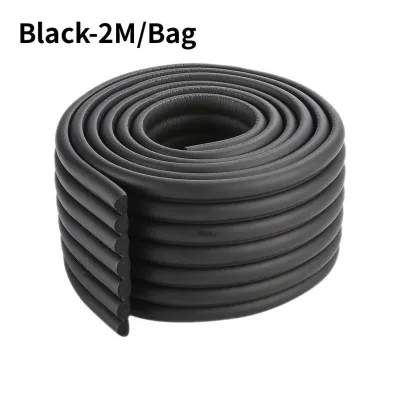
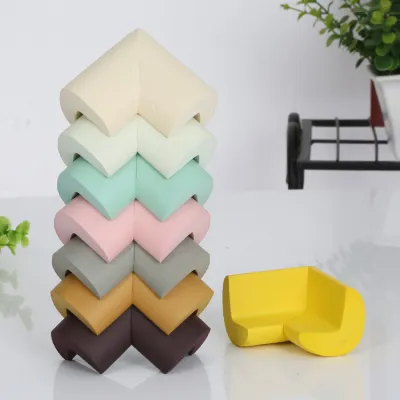
Prices are valid at publication and may change. Please refer to the product page for the latest price.
In addition to direct suffocation, padded bumpers create a high risk of carbon dioxide rebreathing. When a baby is enclosed by thick, non-breathable fabric walls, exhaled air becomes trapped in the immediate sleep pocket. The infant then repeatedly breathes in this stale air, which rapidly lowers their oxygen levels and can lead to fatal outcomes. This risk is particularly high in warm, humid climates where stagnant air can exacerbate breathing difficulties.
Entrapment is another major concern associated with these products. A baby can easily slip into the narrow gap between the soft bumper and the crib mattress, or become wedged between the bumper and the wooden slats. Once stuck in these tight spaces, the pressure on their chest can restrict breathing even if their face is not fully covered.
Furthermore, the ties, ribbons, or plastic fasteners used to secure padded bumpers to the crib frame present immediate strangulation hazards. As babies grow more active, they may pull on these strings, wrapping them around their neck or limbs. Older infants may also use the bulky padding as a step to climb up and fall out of the crib. Because of these combined risks, the clear and immediate safety directive is to remove all soft padding, pillows, and traditional bumpers from your baby’s sleep area.
How to Safely Use Furniture Edge and Corner Guards
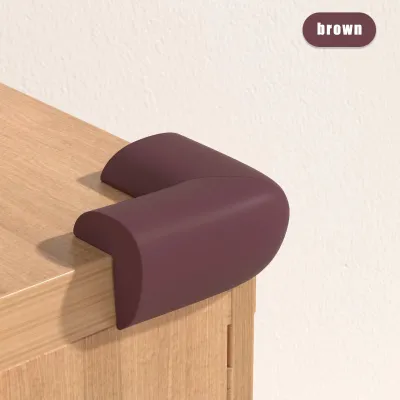
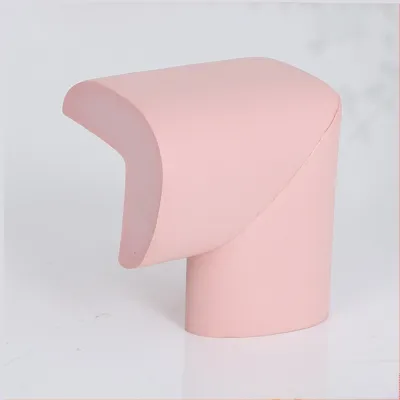
While crib bumpers must be avoided, furniture edge and corner guards are highly effective tools for baby-proofing your living space. As your baby transition from crawling to pulling themselves up on coffee tables, TV consoles, and low shelves, sharp corners pose a constant threat of impact injuries. Selecting the right material for these guards is the first step toward creating a safer environment.

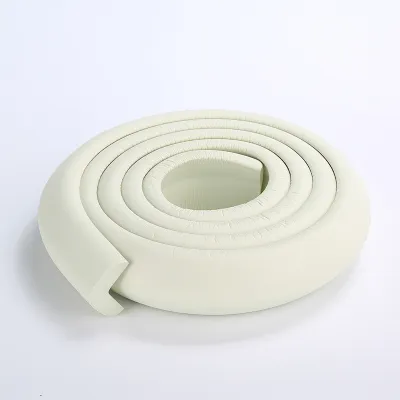
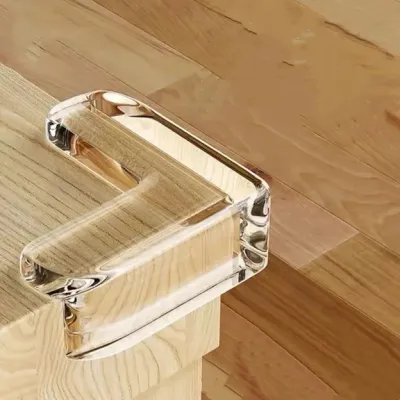
High-density foam guards offer excellent shock absorption and are ideal for long, sharp edges of wooden tables or low cabinets. Silicone and rubber guards are thinner and more discreet, making them excellent choices for glass tabletops or modern furniture where you want to preserve the aesthetic. When purchasing, verify the manufacturer’s specifications to ensure the materials are non-toxic and free from heavy metals, as curious babies frequently attempt to bite or chew on low-lying surfaces.
To ensure these guards remain safe, proper installation is essential. Begin by thoroughly cleaning the furniture surface with rubbing alcohol to remove dust, oils, and polish, allowing it to dry completely. In humid tropical environments, moisture can prevent adhesives from bonding correctly, so apply the guard during the coolest, driest part of the day. Apply a strong, double-sided adhesive recommended by the manufacturer, press the guard firmly along the entire edge, and allow it to cure for at least 24 hours before letting your baby near the furniture.
Routine maintenance is critical to prevent these safety tools from becoming hazards themselves. Regularly inspect each guard to ensure the adhesive has not loosened, as a partially detached foam strip can become a choking hazard if a baby tears off a piece and puts it in their mouth. If you notice any peeling, bubbling, or bite marks, remove the damaged section immediately and replace it with fresh material.
When your child outgrows the need for edge protectors, removing them safely requires patience to avoid damaging your furniture’s finish. Use a hairdryer on a low, warm setting to gently heat the adhesive, which softens the bond and allows you to peel the guard away slowly. Clean any remaining sticky residue using a mild, non-toxic cleaner, vegetable oil, or warm soapy water, ensuring you keep your baby away from the area until the surface is completely clean and dry.
Are Mesh or "Breathable" Crib Liners a Safe Alternative?
Many parents turn to mesh or “breathable” crib liners as a compromise, believing they prevent limbs from slipping through crib slats without the suffocation risks of padded bumpers. While mesh fabric does allow better airflow than thick padding, these products are still not considered safe for an unsupervised sleep environment. They do not eliminate the physical risks of entanglement and strangulation.
Mesh liners can still become detached from the crib frame, creating loose fabric loops that can wrap around a baby’s neck, fingers, or toes. Additionally, as infants learn to roll and push themselves up, they can wedge their faces into the corners where the mesh is tied, potentially restricting their airway. If the mesh liner is not pulled completely taut, a baby’s head can still get trapped between the fabric and the wooden slats.
Before purchasing any aftermarket crib accessory, always check the latest pediatric safety guidelines and the specific warnings provided by your crib manufacturer. Most modern cribs are engineered to be used exactly as sold, without any additional fabric additions. The safest rule of thumb for infant sleep is to keep the environment completely bare, relying only on a tight, well-fitted sheet over a firm mattress.
Creating a Safe, Bumper-Free Sleep Environment
To keep your baby comfortable and safe during sleep without relying on dangerous crib bumpers, you can implement several practical alternatives. If you are concerned about your baby getting cold during the night, avoid loose blankets and instead use wearable blankets or sleep sacks. In warm, tropical climates, choose lightweight, breathable fabrics like muslin or single-layer cotton sleep sacks to prevent overheating while keeping your baby feeling secure.
Ensuring a proper mattress fit is another crucial step in nursery safety. The crib mattress must be firm, flat, and fit the crib frame snugly with no gaps. You can perform a simple check: if you can fit more than two fingers between the edge of the mattress and the wooden crib frame, the mattress is too small, creating a dangerous gap where a baby’s head or limbs could become trapped.
Managing the room temperature effectively also eliminates the perceived need for extra padding or heavy bedding. Use a reliable room thermometer to monitor the nursery, and adjust electric fans or air conditioning units to maintain a comfortable, breezy airflow. Position fans so they circulate the air gently throughout the room without blowing directly onto the sleeping baby, ensuring a restful and safe night’s sleep.
Frequently Asked Questions (FAQ)
When can my baby safely sleep with a pillow or soft bumper?
Pediatric health guidelines recommend keeping your baby’s sleep space completely bare for at least the first year of life to minimize the risk of sudden infant death syndrome (SIDS) and accidental suffocation. Soft items, including pillows, quilts, and plush toys, should not be introduced to the crib during this period.
Most children do not require a pillow until they transition from a crib to a toddler bed, which typically occurs between 18 months and three years of age. When you do introduce a pillow, select a small, firm toddler-sized pillow rather than a standard adult pillow, and ensure your child has the motor skills to easily move their head and body away from soft surfaces.
How do I remove furniture edge guards without damaging the finish?
To remove adhesive edge guards without ruining wood finishes or paint, use a hairdryer on a low-heat setting to warm the adhesive backing. Direct the warm air along the edge of the guard for a few minutes to soften the glue, then slowly and gently peel the guard away from the surface.
If any sticky residue remains on the furniture, apply a small amount of vegetable oil, olive oil, or a mild, baby-safe dish soap to a soft microfiber cloth and rub the area gently. Avoid harsh chemical solvents or abrasive scrubbing pads, which can strip varnish or paint. Always keep your baby in another room during this process to prevent them from inhaling any cleaning fumes or swallowing small bits of hardened adhesive.

Community discussion
Share your experience or ask a question. Comments are reviewed before publication.