
Baby bolster pillows are not safe for newborns or infants under one year old. While these long, cylindrical cushions are often marketed as cozy sleep accessories, positioning aids, or decorative crib elements, pediatric health authorities and sleep safety guidelines explicitly warn against placing them in an infant’s sleep environment. During the first year of life, a baby’s crib, bassinet, or playpen must remain completely bare to prevent accidental suffocation, entrapment, and other sleep-related hazards.
For parents navigating the warm, humid climate of the Philippines, keeping a baby comfortable and safe during sleep is a top priority. It can be highly tempting to surround a sleeping infant with soft bolsters to create a snug, secure feeling that mimics the womb, or to prop them up after feeding. However, doing so introduces severe risks that outweigh any perceived comfort. Understanding the developmental milestones, physical limitations, and safety standards associated with infant bedding is essential for protecting your little one during rest.
Understanding Sleep Safety Risks for Newborns
Infants require a flat, firm, and bare sleep surface to ensure their airways remain completely unobstructed throughout the night and during naps. A firm mattress does not conform to the shape of a baby’s head or face, which is crucial because newborns lack the neck strength and motor skills to turn their heads if their breathing is blocked by soft materials. Introducing a bolster pillow, no matter how small, lightweight, or firm it feels to an adult, compromises this safe sleep environment and introduces unnecessary hazards.
Products mentioned in this guide
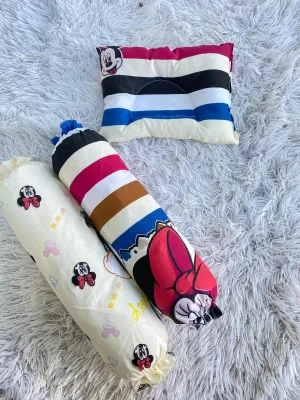
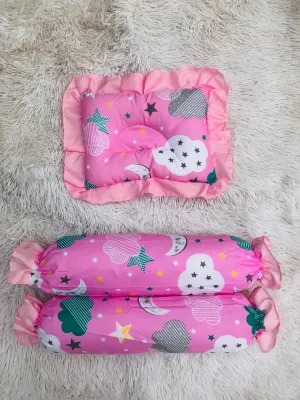
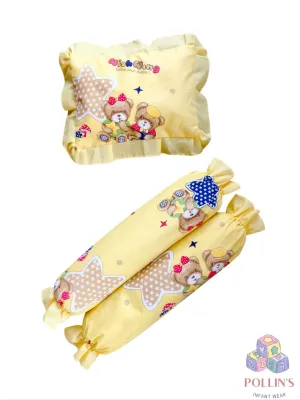



Prices are valid at publication and may change. Please refer to the product page for the latest price.
Soft bedding accessories pose a direct risk of airway obstruction and suffocation. If a newborn rolls, shifts, or even slumps against a bolster pillow, their nose and mouth can easily become covered by the fabric or filling. Because their respiratory systems are still developing, infants can also experience “rebreathing,” a dangerous situation where they repeatedly inhale their own exhaled carbon dioxide trapped in the pockets of soft bedding, leading to rapid oxygen deprivation and carbon dioxide buildup.
In tropical climates, overheating is another critical risk factor linked to Sudden Infant Death Syndrome (SIDS). Surrounding an infant with plush bolster pillows restricts natural airflow around their body, trapping heat and moisture in the crib. This lack of ventilation can quickly cause a baby’s body temperature to rise, especially during warm afternoons or humid nights. Overheating can lead to deep, heavy sleep from which an infant may struggle to wake up if their breathing is compromised.
Many parents consider using positional pillows, rolled-up blankets, or improvised fabric supports to keep their baby sleeping on their back or side, or to prevent them from rolling. However, these items are not safe substitutes for supervised sleep and can easily shift under a baby’s weight, creating a trap. Always check current pediatric sleep guidelines and verify the manufacturer warnings on any infant bedding product, as many items sold online or in local markets may not meet modern safety recommendations.
Age Guidelines: When to Introduce a Bolster Pillow
Parents should wait until their child transitions from a crib to a toddler bed—typically around or after the age of two—before introducing any pillows, including bolsters. Before this transition, a child’s physical development does not require or benefit from head elevation. Keeping the sleep space bare remains the safest practice throughout infancy and early toddlerhood, ensuring that the child has ample room to move without any risk of entrapment.

Before introducing a bolster pillow, observe your child’s physical milestones to ensure they can use one safely. Your child must demonstrate strong head and neck control, the ability to roll over independently in both directions, and the coordination to push objects away from their face. If a child cannot easily move a pillow or shift their body away from it, the item remains a safety hazard in their bed, regardless of their chronological age.
It is highly recommended to consult a pediatrician before introducing any pillow or transition bedding to your child’s sleep routine. A healthcare professional can evaluate your child’s specific physical development, health history, and sleep habits to provide personalized guidance. This step is particularly important if your child has respiratory issues, allergies, or developmental delays that might affect their mobility or breathing during sleep.
It is also helpful to recognize that pillows are entirely optional for toddlers and are not strictly necessary for proper spinal alignment or physical comfort. Unlike adults, young children have different body proportions, with relatively larger heads and shorter necks, meaning they do not require neck support to sleep comfortably. If your toddler is sleeping soundly on a flat mattress, there is no developmental need to introduce a bolster pillow, and you can safely delay its introduction.
Choosing a Safe Bolster Pillow for Toddlers
When your child is old enough and you decide to introduce a bolster pillow, prioritize firm support over plush, overly soft materials. A safe toddler bolster should retain its shape under gentle pressure and not conform easily to the child’s face. Avoid pillows filled with loose feathers, down, or extremely soft foam that can create a sinking effect or block breathing if the child rests their face against it. The pillow should feel supportive and resilient to the touch.
Select an appropriate size that fits the toddler bed without taking up excessive space. A bolster pillow that is too large can crowd the bed, leaving little room for the child to move naturally, or it can create a dangerous step-up that allows an active toddler to climb out of the crib or bed and fall. The pillow should be small enough to serve as a gentle comfort item rather than a bulky barrier that restricts movement.
Given the warm and humid climate, look for bolster pillows with breathable, hypoallergenic, and machine-washable covers. Removable covers made from natural fibers like cotton help manage sweat and prevent the buildup of dust mites, mold, and allergens. Regular washing is essential to maintain hygiene, especially if your child drools, has sensitive skin, or suffers from childhood eczema, which can be aggravated by trapped moisture and dust.
Always verify product labels for safety certifications, age-appropriate usage warnings, and material transparency before purchasing. Look for clear indications that the product is intended for toddlers rather than infants, and check for any chemical flame retardant disclosures or material certifications. Avoid buying unbranded bedding from online marketplaces that lacks clear safety labeling, manufacturer contact information, or clear care instructions.
Safe Usage and Sleep Environment Checks
When introducing a bolster pillow to a toddler’s bed, position it correctly to support the head or body without blocking the airways. Ensure the pillow does not push the child’s chin down toward their chest, as this position can restrict breathing. The bolster should lie flat and secure, rather than being propped up at an awkward angle that could cause it to slide over the child’s face during the night or during active sleep.
Keep the rest of the sleep environment clean and free from unnecessary clutter. Even for a toddler, a bed crowded with loose blankets, multiple stuffed toys, and heavy quilts increases the risk of overheating and accidental entrapment. Maintain a minimalist approach to bedding, keeping only the essential items needed for comfort and warmth, and ensure that any blankets used are lightweight and securely tucked in.
Monitor your child closely during the initial nights or naps after introducing the bolster pillow. Check on them periodically to observe how they interact with the pillow during sleep, ensuring they do not end up with their face pressed against it or trapped underneath it. If you notice any signs of breathing difficulties, heavy sweating, or discomfort, remove the pillow immediately and consult a pediatrician before trying to use it again.
Establish a regular routine to inspect the bolster pillow for wear, tear, or loss of structural firmness. Over time, washing and daily use can cause the filling to clump, the seams to split, or the fabric to wear thin. If the pillow loses its firmness, develops loose threads, or shows signs of mold from humidity, replace it immediately to ensure your child’s continued safety and comfort.
Frequently Asked Questions (FAQ)
Can a baby bolster pillow prevent or treat flat head syndrome?
No, baby bolster pillows are not recommended medical treatments for flat head syndrome (positional plagiocephaly). Using pillows or positioning devices to treat this condition can introduce serious suffocation risks to an infant’s sleep environment. If you are concerned about your baby’s head shape, consult a pediatrician who can recommend safe repositioning techniques during awake time, supervised tummy time, or approved medical therapies.
Are nursing bolster pillows safe for newborn sleep?
No, nursing bolster pillows are strictly unsafe for unsupervised newborn sleep. While these supportive cushions are highly useful for feeding and supervised awake time under direct adult supervision, they pose severe suffocation and fall risks if a baby is left to sleep on them. If your baby falls asleep on a nursing pillow, gently transfer them to a flat, firm, and bare sleep surface immediately.
What should I do if my toddler refuses to sleep without a pillow?
If your toddler insists on having a pillow but you want to ensure their safety, start with a very thin, firm toddler pillow or a small, folded, breathable cotton blanket instead of a thick bolster. Ensure the overall sleep environment is comfortable, cool, and conducive to rest. Gradually transitioning with a low-profile, firm option allows your child to feel comforted without introducing unnecessary safety risks to their bed.

Community discussion
Share your experience or ask a question. Comments are reviewed before publication.