
Baby bed fences can offer peace of mind for parents transitioning a toddler to a larger bed, but they carry significant risks if chosen or used incorrectly. Because these barriers are aftermarket additions rather than integrated parts of a bed, they can create hidden hazards such as entrapment, suffocation, and falls. In the Philippines, where warm, humid weather often influences the choice of lightweight mattresses and minimal bedding, ensuring a secure and breathable sleep environment is especially critical. Before installing a baby barrier fence for bed, caregivers must understand how to evaluate these products, install them flawlessly, and recognize when it is time to transition to a different sleep setup.
Understanding the Safety Risks of Bed Fences
The primary concern with any aftermarket bed guard is the creation of unintended spaces. When a bed fence is installed, it sits adjacent to the mattress. If the fence is not perfectly flush, a gap can form between the mattress edge and the barrier. A baby or toddler rolling over during sleep can easily slide into this gap. If the space is wide enough for the body but too narrow for the head, dangerous entrapment can occur, putting pressure on the child’s neck or chest.
Suffocation is another critical risk associated with poorly designed or improperly installed bed fences. If a baby rolls face-first against the barrier, they rely entirely on the breathability of the material to maintain airflow. Solid fabric panels, heavy plastic backings, or loose decorative covers can block breathing passages instantly. In warm, humid climates, poor ventilation also increases the risk of overheating, which is a known factor in unsafe sleep environments.
Products mentioned in this guide
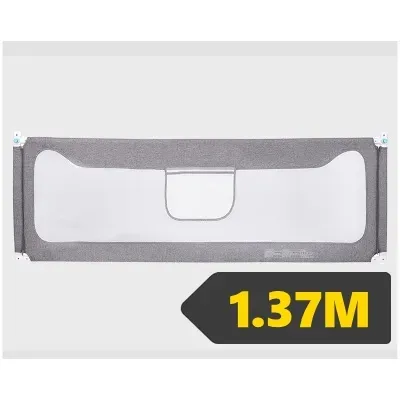


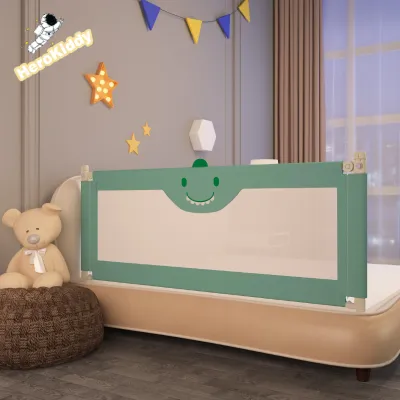
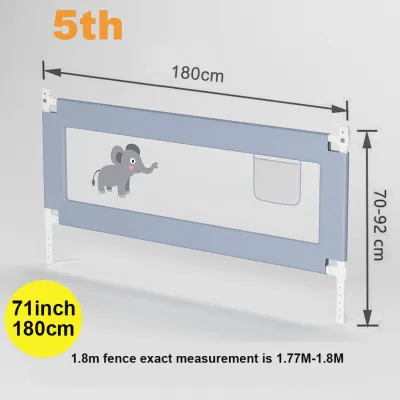

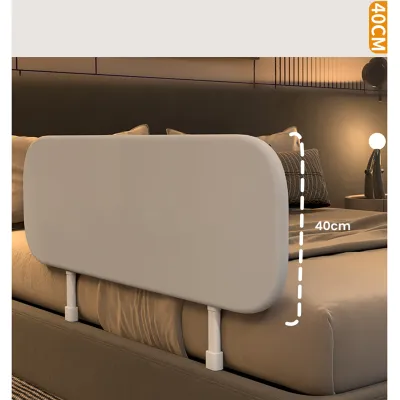

Prices are valid at publication and may change. Please refer to the product page for the latest price.
Furthermore, as babies grow into active toddlers, their physical capabilities change rapidly. A bed fence is designed to prevent accidental rolls, not to withstand the active climbing or standing weight of an older toddler. If a child attempts to use the fence as a stepping stool to climb out of bed, they risk falling from a much greater height than if they had simply rolled off a low mattress. Additionally, if the structural joints or mounting brackets of the fence are weak, the entire barrier can collapse under the child’s shifting weight, leading to severe falls or impact injuries.
How to Choose a Safe Baby Barrier Fence for Bed
Selecting a safe baby barrier fence for bed requires looking past marketing claims on ecommerce platforms and focusing on physical specifications. The first feature to evaluate is the mesh material. The mesh must be exceptionally fine, tightly woven, and completely non-stretch. When you press against the mesh, it should remain rigid and not sag or pocket, as sagging fabric can create a suffocation pocket if a child’s face rests against it.

The gap elimination design is the most critical safety feature to verify. Look for bed fences that feature a positive locking mechanism or an adjustable tension system that pulls the barrier tightly against the side of the mattress. Some designs use heavy-duty steel anchor plates that sit flat under the mattress, secured by adjustable straps anchored to the opposite side of the bed frame. Avoid any product that relies solely on the weight of the mattress to hold the fence in place, as mattresses can shift easily during sleep.
Height and structural integrity are equally important. The fence must be tall enough to accommodate your mattress thickness while still leaving a safe barrier height above the mattress surface. Measure your mattress before purchasing to ensure the fence frame will extend sufficiently upward. The frame itself should be constructed from sturdy, rigid materials like steel or heavy-duty aluminum, with secure locking joints that cannot be accidentally released by a child’s hands.
Finally, always verify safety labels and certifications on the physical packaging rather than relying on online product descriptions. Look for markings that indicate compliance with recognized international safety standards for children’s products. These certifications ensure the product has undergone rigorous testing for structural strength, material toxicity, and entrapment prevention. If a product lacks clear manufacturing details, safety labels, or physical instruction manuals, it is best to avoid it entirely.
Proper Installation and Mattress Compatibility
Even the most securely designed bed fence can become hazardous if it is incompatible with your bed setup or installed incorrectly. Before installation, you must verify that the fence is explicitly rated for the specific thickness and weight of your mattress. Lightweight foam mattresses, which are common in many households, may not provide enough downward pressure to keep a basic slide-under bed fence stable. If the mattress is too light or too thin, the base of the fence can lift, creating a dangerous V-shaped gap where a child can slide underneath.
Securing the base of the fence is a step that cannot be rushed or bypassed. If the manufacturer provides anchoring straps, these must be routed completely under the mattress and secured tightly to the opposite side of the bed frame or box spring. If you are installing the fence on a wooden slatted bed frame, ensure the mounting brackets are screwed directly into the slats or securely clamped to the side rails. The fence must not wiggle, slide, or tilt when a moderate amount of outward force is applied.
Under no circumstances should you attempt to make makeshift adjustments to fix a poorly fitting bed fence. If you notice a gap between the mattress and the barrier, do not attempt to fill it with rolled-up blankets, pillows, bolster cushions, or extra foam padding. These soft items are highly malleable and introduce new, severe suffocation and entrapment hazards. If the fence does not fit your mattress perfectly without modifications, stop using it immediately and seek an alternative sleep solution.
Daily Safety Checks and When to Stop Using the Fence
Safety is not a one-time setup; it requires continuous vigilance through daily maintenance and inspections. Every morning, and especially after changing the bed sheets, perform a quick physical check of the bed fence. Press your hand against the barrier to ensure the tension straps have not loosened and that the frame remains flush against the mattress. Check that the locking joints are fully engaged and that the anchor plates under the mattress have not shifted out of alignment.
Regularly inspect the physical components of the fence for signs of wear and tear. High humidity and daily use can degrade materials over time. Look closely for broken or sticking zippers, torn mesh, loose stitching, bent metal frames, or cracked plastic hinges. If any component is damaged, the structural integrity of the entire barrier is compromised, and it must be replaced or removed immediately. Do not attempt to repair a broken bed fence with tape, glue, or non-original parts.
Knowing when to stop using a bed fence is just as important as knowing how to install it. These barriers are temporary safety aids, not permanent fixtures. As soon as your child reaches the manufacturer’s maximum height or weight limit, or begins attempting to climb over the fence, it must be removed. A child who is physically active enough to pull themselves up or swing their legs over the top of the barrier is at a high risk of a serious fall, making the fence more dangerous than an open bed.
Safe Sleep Alternatives to Bed Fences
If your current bed setup is incompatible with a bed fence, or if you prefer to avoid the risks associated with these barriers entirely, several safe sleep alternatives are available. One highly effective option is a floor bed or a Montessori-style bedroom setup. By placing a high-quality mattress directly on the floor—or on a very low-profile slatted base to prevent moisture buildup in humid climates—you eliminate the risk of falls from heights. In this setup, the entire bedroom must be thoroughly baby-proofed, with heavy furniture anchored to the walls, electrical outlets covered, and small objects removed.
Another reliable alternative is transitioning the child to a dedicated toddler bed or a convertible crib. These sleep spaces are engineered from the ground up with built-in, low-profile safety rails that are structurally integrated into the bed frame. Because these rails are part of the original design, they do not suffer from the shifting and gap-creation issues common with aftermarket bed fences.
For families who wish to keep their child close but want to avoid the hazards of bed-sharing and bed fences, room-sharing remains an excellent approach. Placing a standard crib, travel cot, or playard directly next to the parental bed allows for close proximity and easy nighttime comforting while ensuring the child sleeps on a separate, flat, and completely safe surface free of entrapment risks.
Frequently Asked Questions (FAQ)
Can I use a bed fence for a newborn or young infant?
No, bed fences should never be used for newborns or young infants. These products are designed exclusively for older toddlers who are transitioning out of a crib and possess the motor skills to move themselves away from a barrier. Young infants lack the head control and physical strength to extricate themselves if they roll against a mesh panel or slide into a gap, making the risk of suffocation and entrapment extremely high. For infants, a flat, firm mattress in an approved crib, bassinet, or playard is the only safe sleep surface.
Are bed fences with padded covers safer?
No, bed fences with thick padded covers or aftermarket fabric wraps are not safer and can actually increase sleep hazards. While padding might seem like a good way to prevent minor bumps, it introduces soft, compressible surfaces that pose a direct suffocation risk if a baby’s face presses against them. Furthermore, bulky padding can alter the physical dimensions of the fence, preventing it from sitting flush against the mattress and creating new, unpredictable gaps. Stick to the manufacturer’s original, taut mesh design and avoid adding any aftermarket accessories.
What should I do if my baby gets stuck in the bed fence?
If you discover your child is trapped or stuck in a bed fence, the most critical first step is to remain calm so you can act quickly and safely. Immediately support the child’s body weight to relieve any pressure on their neck, chest, or limbs. Gently and carefully guide their head or limb out of the gap, avoiding any forceful pulling or jerking motions that could cause joint or spinal injuries. Once the child is free, assess them immediately for breathing difficulties, bruising, or distress, and seek professional medical attention if you notice any signs of injury or if the child was unresponsive.

Community discussion
Share your experience or ask a question. Comments are reviewed before publication.