
Caring for a newborn comes with a steep learning curve, especially when dealing with frequent spit-ups. Many parents, exhausted by midnight outfit changes and worried about their baby’s comfort, turn to products like the anti-spitting milk pillow. These inclined foam wedges promise to elevate your baby’s head, theoretically using gravity to keep milk down and prevent reflux.
However, when it comes to unsupervised infant sleep, the short answer from pediatric health authorities is clear: anti-spitting milk pillows are not safe. While they are widely available on online marketplaces, placing your baby to sleep on any inclined surface increases the risk of serious sleep-related accidents. Understanding the physical dangers of these products is essential for keeping your little one safe while finding alternative, evidence-based ways to manage normal infant spit-up.
The Safety Verdict: Are Anti-Spitting Milk Pillows Safe for Sleep?
The primary appeal of an anti-spitting milk pillow is the promise of a peaceful night’s sleep for both parent and baby. In the Philippines, where warm, humid nights can already make babies fussy, a product that claims to soothe reflux and prevent choking sounds like a lifesaver. Unfortunately, major pediatric and consumer safety organizations worldwide warn against using any inclined sleep positioners. These authorities consistently state that babies should only sleep on flat, firm surfaces without any added support pillows.
Products mentioned in this guide
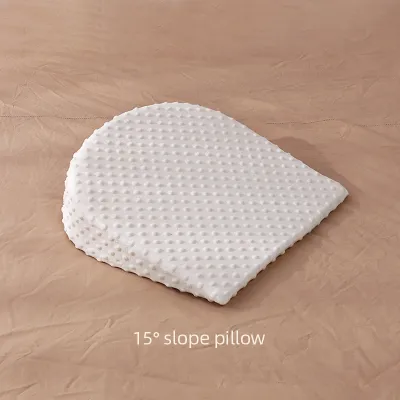


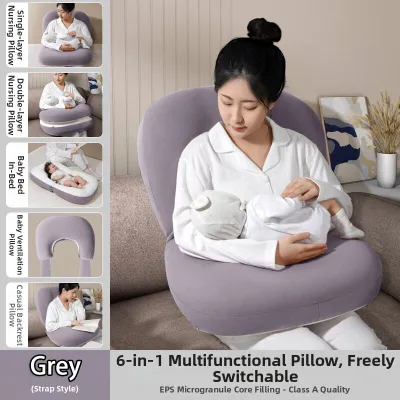
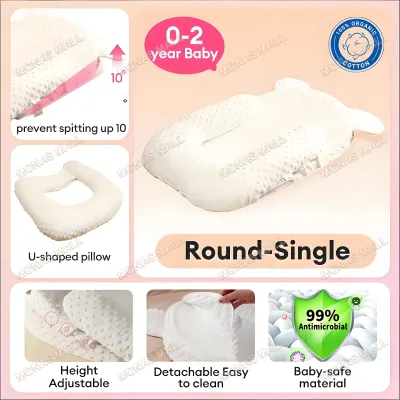
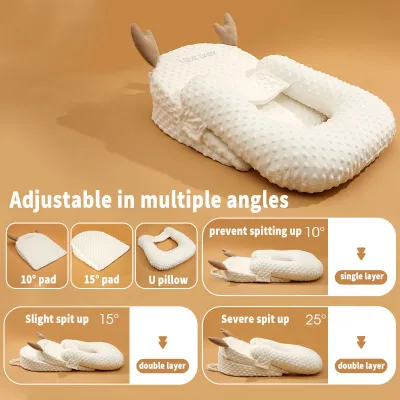

Prices are valid at publication and may change. Please refer to the product page for the latest price.
A critical distinction must be made between supervised, awake use and unsupervised sleep. Some manufacturers state their pillows are acceptable for lounging while a caregiver is actively watching. However, the moment a baby falls asleep, or if the caregiver’s attention drifts, the product becomes an immediate hazard. Sleep safety guidelines are absolute because a sleeping baby cannot rescue themselves from a compromised position.
Commercial marketing often exploits parental anxiety by using medical-sounding terms like “anti-reflux,” “ergonomic,” or “pediatrician-approved.” It is vital to recognize that these marketing labels are not regulated safety certifications. A manufacturer’s claim that a pillow prevents spit-up does not override established medical guidelines. When evaluating any bedding accessory, safety must always take precedence over convenience or unverified product claims.
Ultimately, a flat, firm mattress remains the gold standard for infant sleep. This setup minimizes the risk of airway obstruction and accidental suffocation. While managing spit-up on a flat surface requires more cleanup, it ensures your baby’s breathing remains completely uncompromised throughout the night.
Hidden Risks of Inclined Sleep for Infants
To understand why inclined sleep is dangerous, it helps to look at the unique anatomy of an infant. A baby’s head is proportionally much larger and heavier than their body, and their neck muscles are still developing. When a baby is placed on an incline, such as an anti-spitting milk pillow, gravity naturally pulls their heavy head forward. This movement can cause the chin to press firmly against the chest.

This chin-to-chest position leads to a condition known as positional asphyxia. Because an infant’s airway is soft and highly flexible—much like a thin, pliable straw—bending the neck forward can easily kink and close the trachea. This restriction cuts off the baby’s oxygen supply silently. Unlike adults, a sleeping newborn may not wake up or struggle when their airway is blocked; they simply stop breathing.
Another significant hazard is the risk of rolling or sliding. Inclined pillows often cause babies to slide downward or roll to the side. Because young infants lack the core strength and motor skills to reposition themselves, they can easily become trapped. A baby who slides down may end up with their face pressed against the soft fabric sides of the pillow or the crib slats, leading to suffocation.
Furthermore, many anti-spitting pillows feature contoured designs or soft, plush fabrics intended for comfort. These soft surfaces pose a severe risk of rebreathing. If a baby’s face turns into a soft hollow or a raised edge, exhaled carbon dioxide can become trapped in the fabric. The baby then breathes in this stale air instead of fresh oxygen, which can quickly lead to hypoxia.
Why These Pillows Conflict with Safe Sleep Guidelines
Safe sleep guidelines are built around a simple, evidence-based concept: the “bare crib” rule. This rule dictates that a baby should sleep alone, on their back, on a firm, flat mattress covered only by a tight-fitted sheet. Adding any extra items—including blankets, bumper pads, stuffed toys, or anti-spitting pillows—violates this fundamental safety standard.
Every pillow or wedge introduced to the sleep environment creates gaps, soft surfaces, and angles that do not exist in a standard crib. These additions turn a controlled, safe environment into an unpredictable hazard zone. Even if a pillow is marketed as breathable, the physical angle it creates still poses a threat to the baby’s open airway.
When shopping for baby bedding, parents should look beyond appealing product descriptions on ecommerce platforms. Instead of trusting terms like “anti-spitting,” verify whether the product complies with recognized international or local safety standards. Check if the product category has been subject to safety recalls or consumer warnings before making a purchase.
If you are uncertain about a specific product’s safety, always consult official guidelines from local health departments or pediatric associations, such as the Philippine Pediatric Society. These organizations provide updated, unbiased advice based on clinical research rather than commercial interests. Keeping your baby’s sleep space completely bare is the most effective way to prevent sleep-related accidents.
Safe, Effective Ways to Manage Baby Spit-Up
Managing infant spit-up safely does not require buying expensive, risky sleep positioners. Most babies spit up because their lower esophageal sphincter—the muscle keeping food in the stomach—is still maturing. This is a normal developmental stage, and there are several practical, safe strategies you can use to minimize the mess and discomfort.
First, focus on frequent and thorough burping. Instead of waiting until the end of a feeding, try burping your baby midway through, especially if you are bottle-feeding. This helps release trapped air pockets before they can push milk back up. In a warm tropical climate, keeping your baby comfortable and calm during feeds also prevents them from gulping air too quickly.
After feeding, keep your baby in an upright, supervised position for at least 20 to 30 minutes. You can hold them against your shoulder or place them in a secure, upright carrier while you remain awake and attentive. This simple practice uses gravity safely while your baby is awake, allowing their stomach contents to settle before they are laid down to sleep.
Your feeding technique can also make a significant difference. If breastfeeding, work with a lactation consultant to ensure a deep, proper latch, which reduces the amount of air swallowed. For bottle-fed babies, consider using anti-colic bottles designed with venting systems to limit air intake. These bottles are widely available in local baby stores and online marketplaces, typically ranging from ₱300 to ₱800.
It is reassuring to know that normal spit-up, often called “spitting up,” is generally harmless. Healthy babies possess natural gag and cough reflexes that automatically protect their airways. When lying flat on their back, the trachea is actually positioned above the esophagus. If spit-up occurs, gravity keeps the fluid in the esophagus, allowing the baby to swallow it back down safely rather than inhaling it.
To manage the inevitable mess without compromising safety, invest in a high-quality, waterproof mattress protector. Ensure the protector fits tightly around the crib mattress with absolutely no loose fabric or wrinkles. Keep several fitted cotton sheets on hand so you can quickly swap out soiled bedding. Using a clean, flat sheet is infinitely safer than placing a soft, absorbent pad or pillow under your baby’s head.
When to See a Doctor for Reflux and Spit-Up
While most infant spit-up is a temporary, harmless phase, some babies may suffer from a more severe condition like Gastroesophageal Reflux Disease (GERD). It is important for parents to distinguish between a “happy spitter” who gains weight well and a baby who needs medical attention. Relying on commercial pillows to manage severe symptoms can delay proper medical care.
Watch for warning signs that indicate your baby’s spit-up requires professional evaluation. These signs include poor weight gain or weight loss, forceful or projectile vomiting, and extreme irritability or crying during or immediately after feedings. Other red flags include refusing to eat, coughing or wheezing during feeds, or spit-up that is green, yellow, or contains blood.
If your baby exhibits any of these symptoms, do not attempt to treat the issue at home with inclined pillows or other sleep positioners. These products do not cure reflux and can worsen the physical risks for a distressed baby. Instead, schedule a consultation with a qualified pediatrician to get an accurate diagnosis and a safe, tailored treatment plan.
If a pediatrician diagnoses your baby with a medical condition that requires a specific sleeping position, follow their instructions precisely. Any deviation from standard flat-sleep guidelines must be explicitly prescribed, monitored, and regularly reviewed by a healthcare professional. Never take it upon yourself to alter your baby’s sleep environment based on advice from online forums or product advertisements.
Frequently Asked Questions (FAQ)
Can I use an anti-spitting pillow for supervised awake time?
Some anti-spitting pillows are marketed for supervised, awake lounging or tummy time. If the manufacturer’s instructions explicitly permit this, you may use the pillow, but only under constant, active adult supervision. You must remain in the same room, keeping your eyes on the baby at all times to ensure their head does not fall forward. The moment your baby shows any signs of drowsiness or falls asleep, you must immediately transfer them to a safe, flat, and firm sleep surface.
Is it safe to elevate the crib mattress instead of using a pillow?
No, elevating the crib mattress by placing rolled towels underneath it or putting blocks under the crib legs is not recommended by safety authorities. Elevating the mattress creates an incline that can cause your baby to slide down to the foot of the crib. This sliding can result in the baby’s face becoming pressed against the crib sides or footboard, creating a serious suffocation or entrapment hazard. A completely flat, firm mattress is the only safe standard.
What should I do if my baby spits up while sleeping flat?
If your baby spits up while sleeping flat on their back, try not to panic. Healthy babies have highly effective, natural airway protection mechanisms, including gagging and coughing reflexes. When a baby is on their back, their airway anatomy naturally prevents spit-up from entering the lungs. Simply wipe away the spit-up, change the fitted sheet if it is wet, and place your baby back down on their back on the flat, firm mattress.

Community discussion
Share your experience or ask a question. Comments are reviewed before publication.