
Aquafresh Milk Teeth 0-2 toothpaste is generally safe for babies when used strictly in accordance with pediatric dental guidelines and under direct adult supervision. Because infants in this age group have not yet developed the coordination to spit out excess foam, safety depends entirely on using the correct, minimal dosage and verifying the specific formulation on the packaging. Parents must take an active role in monitoring how much toothpaste is applied and understanding the role of fluoride in early oral care.
Establishing a healthy oral hygiene routine early in life helps protect primary teeth from decay, which is crucial for your baby’s long-term dental development. However, navigating the ingredients and safety recommendations of infant oral care products can feel overwhelming for new parents. By understanding how to read product labels, manage swallowing risks, and recognize when to seek professional advice, you can confidently support your baby’s dental health.
Understanding Fluoride Guidelines for Babies Aged 0-2
Pediatric dental associations worldwide emphasize that fluoride is a highly effective tool for preventing early childhood tooth decay, but its use in infants requires careful calibration. For babies aged zero to two, the general recommendation is to use a very small amount of fluoridated toothpaste as soon as the first primary tooth erupts. This early introduction helps strengthen the developing enamel against acid attacks from milk, formula, and early solid foods, provided that parents strictly control the portion size to prevent excessive systemic ingestion.
Products mentioned in this guide
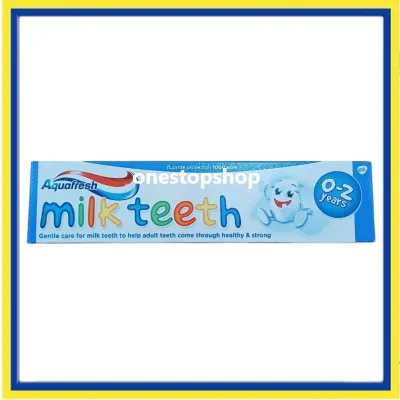
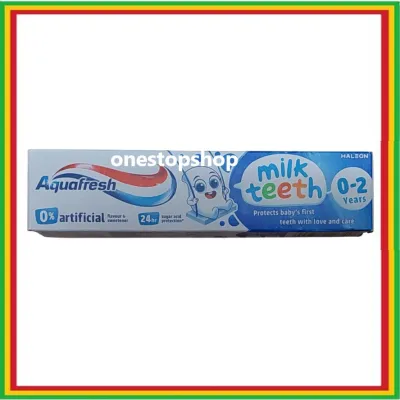
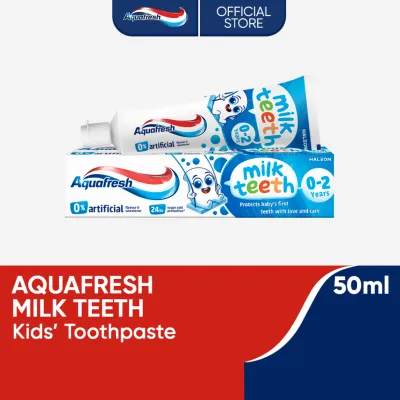
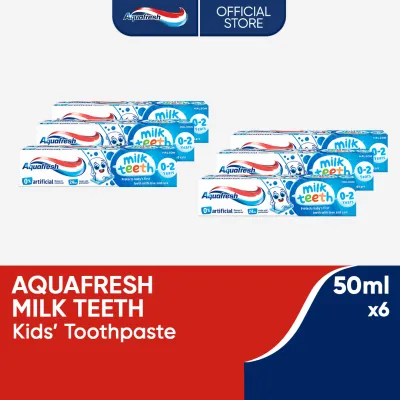
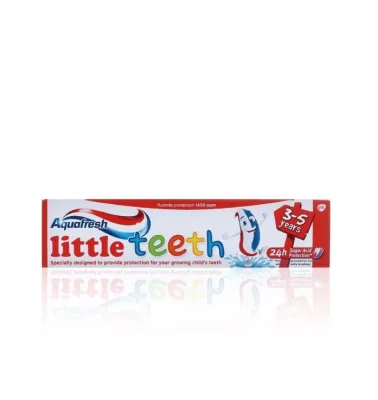
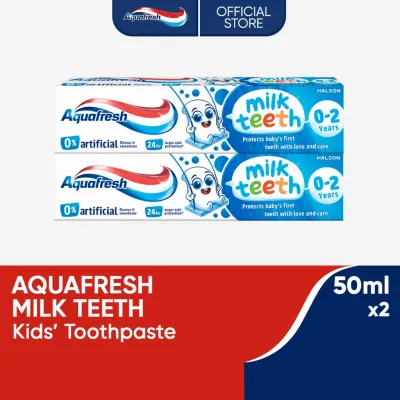
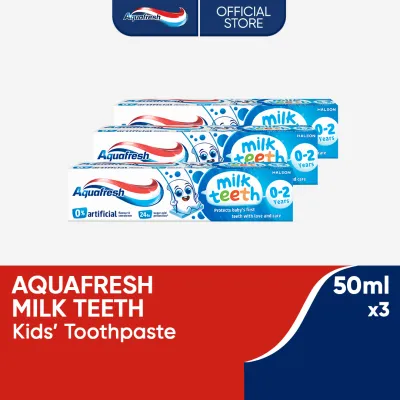
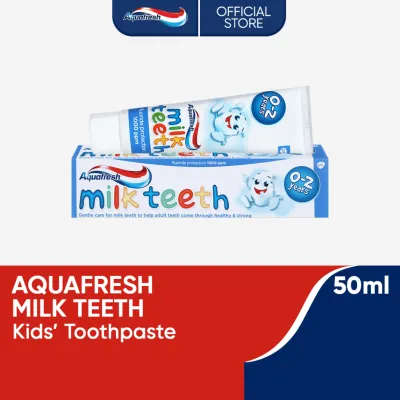
Prices are valid at publication and may change. Please refer to the product page for the latest price.
When evaluating Aquafresh Milk Teeth 0-2, parents should inspect the physical packaging to identify the exact fluoride concentration and type. This information is typically located on the back of the box or the crimp of the tube, expressed in parts per million (ppm). Infant formulations are generally designed with a lower fluoride concentration—often around 500 ppm to 1000 ppm—compared to adult toothpastes, which usually contain much higher levels. The active ingredient is commonly listed as sodium fluoride, which must be verified on the specific batch you purchase to ensure it aligns with your pediatrician’s or pediatric dentist’s recommendations.
The choice between using a fluoridated toothpaste like Aquafresh Milk Teeth 0-2 and a fluoride-free alternative depends largely on your baby’s individual risk factors and local environmental conditions. Fluoride-free toothpastes are often recommended for infants who live in areas with naturally high levels of fluoride in the drinking water, or for parents who prefer to avoid fluoride entirely during the earliest stages of tooth eruption. Conversely, if your baby is at a higher risk for dental caries, a pediatric dentist may strongly recommend a low-fluoride toothpaste to provide essential enamel protection. Consulting a local dental professional in the Philippines can help you determine the fluoride levels in your municipal or well water, allowing you to make an informed decision tailored to your child’s specific needs.
How to Verify Aquafresh Milk Teeth 0-2 Ingredients
To ensure the safety and suitability of any oral care product for your baby, it is essential to establish a habit of verifying the full ingredient list on the physical packaging. Manufacturers occasionally update their formulations, meaning that online product descriptions or older reviews may not accurately reflect the specific tube you hold in your hand. Always locate the ingredient panel on the outer box or the back of the tube, and cross-reference it with official brand resources if you notice any unexpected discrepancies.

When reviewing the ingredients of a baby toothpaste, there are several common additives to watch for, particularly if your infant has sensitive skin or known allergies. Many adult toothpastes contain Sodium Lauryl Sulfate (SLS), a foaming agent that can sometimes cause oral irritation, dryness, or mild mouth sores in sensitive individuals. Infant formulas, including Aquafresh Milk Teeth 0-2, are often formulated without SLS to minimize these risks, but parents should always verify this on the label. Additionally, look for the presence of mild abrasives like hydrated silica, which help clean the teeth gently without scratching the delicate, thin enamel of primary teeth.
Sweeteners and flavorings are another critical category to evaluate when checking baby toothpaste ingredients. Because infants are naturally drawn to sweet tastes, manufacturers often use non-cariogenic sweeteners such as sorbitol, saccharin, or xylitol to make the brushing experience more pleasant. While these ingredients do not promote tooth decay, parents should check for any artificial dyes, strong synthetic flavorings, or specific preservatives like parabens or sodium benzoate if their baby has a history of allergic reactions or systemic sensitivities. If your baby has diagnosed dietary restrictions or skin sensitivities, cross-referencing the ingredient list with a trusted pediatrician is a prudent step before the first use.
Safe Brushing Practices and Managing Swallowing Risks
The primary safety concern when using a fluoridated toothpaste with infants is the inevitable swallowing of the product. Because babies under the age of two do not possess the developmental coordination or muscle control required to spit out toothpaste, they will swallow almost everything applied to their brush. To manage this risk safely, pediatric dentists universally recommend using an extremely small amount of toothpaste—specifically, a minimal smear that is no larger than a single grain of rice.
Applying this tiny smear correctly is key to minimizing systemic fluoride ingestion while still providing localized protection to the teeth. Instead of squeezing a thick dollop onto the bristles, gently press a tiny scrape of toothpaste across the top of a soft-bristled baby toothbrush. This ensures the paste is distributed thinly and cannot be easily swallowed in one large clump. When brushing, position your baby comfortably; in the warm and humid climate of the Philippines, finding a cool, well-ventilated spot indoors can help keep your baby calm and cooperative. Cradle your baby’s head gently in your lap or hold them securely against your chest to give you a clear, unobstructed view of their mouth.
As you brush, use gentle, circular motions to clean the front, back, and chewing surfaces of any erupted teeth, as well as the surrounding gumline. Because spitting is not developmentally expected at this stage, you do not need to rinse your baby’s mouth with water after brushing, as rinsing would wash away the protective fluoride film left on the teeth. Instead, you can use a clean, damp washcloth to gently wipe away any excess saliva or foam from their lips and outer gums. This simple practice keeps the swallowed amount well within safe, non-toxic limits while maximizing the topical benefits of the toothpaste.
When to Stop Use and Consult a Pediatric Dentist
While Aquafresh Milk Teeth 0-2 is formulated with infant safety in mind, parents must remain vigilant for any signs of adverse reactions or discomfort. If you notice visible signs of oral irritation, such as redness, swelling of the gums or lips, a rash around the mouth, or if your baby displays unusual fussiness or crying during or immediately after brushing, stop using the toothpaste immediately. These symptoms may indicate a sensitivity or allergic reaction to one of the ingredients, requiring a thorough evaluation by a healthcare professional.
Certain health conditions or developmental factors may also require you to consult a pediatric dentist before introducing or continuing the use of any fluoridated toothpaste. For example, if your baby has developmental delays, structural oral differences like a cleft lip or palate, or if you reside in an area with highly fluoridated drinking water, a professional assessment is essential. A pediatric dentist can provide a customized oral care plan that balances cavity prevention with the prevention of dental fluorosis, ensuring your baby’s developing permanent teeth remain healthy and unstained.
Additionally, parents must take immediate action if a baby accidentally ingests a large quantity of toothpaste directly from the tube. Always store toothpaste tubes securely out of reach of infants and toddlers to prevent accidental access. If your baby does manage to swallow a significant amount of toothpaste, offer them a small glass of milk or water; the calcium in milk binds to fluoride in the stomach, helping to reduce its absorption. Monitor your baby closely for symptoms such as nausea, vomiting, abdominal pain, or unusual lethargy, and contact a local healthcare provider, poison control center, or visit an emergency room immediately for professional guidance.
Frequently Asked Questions (FAQ)
Can I use Aquafresh Milk Teeth 0-2 if my baby has no teeth yet?
Before your baby’s first tooth erupts, there is no need to use toothpaste of any kind. During this early stage, oral hygiene should focus on keeping the gums clean and healthy using alternative, non-abrasive methods. You can gently wipe your baby’s gums with a soft, clean, damp washcloth or a silicone finger brush after feedings to remove milk residue and prevent the buildup of bacteria. Introducing a baby toothpaste is only necessary once the first primary tooth begins to break through the gums, signaling the start of active tooth brushing.
What should I do if my baby swallows a large amount of toothpaste?
If your baby swallows a substantial amount of toothpaste directly from the tube, take immediate, low-risk steps at home to mitigate potential discomfort. Offer your baby a small serving of milk or water, as the calcium in milk naturally binds with fluoride to minimize its absorption in the digestive tract. Monitor your baby closely for signs of systemic distress, such as vomiting, drooling, stomach pain, or lethargy. If you observe any of these symptoms, or if you suspect a very large quantity was ingested, seek immediate medical attention from a qualified healthcare professional or your local emergency department.

Community discussion
Share your experience or ask a question. Comments are reviewed before publication.