
Caring for a congested newborn can be stressful for parents, especially during seasonal weather changes or high-humidity days in the Philippines when stuffy noses make feeding and sleeping difficult. When looking for a solution, the aqua flow nasal aspirator often comes up as a popular tool to help clear tiny airways. However, before using any suction device on a newborn or young infant, it is vital to understand whether it is safe for their highly delicate nasal passages. While these devices can be effective when used correctly, their safety depends entirely on verifying the manufacturer’s age guidelines, using the correct suction settings, and employing gentle, precise techniques.
Newborns are obligate nose breathers, meaning they naturally breathe through their noses rather than their mouths during their first few months of life. Even a small amount of mucus can cause noticeable congestion, leading to fussiness during feeding. While a nasal aspirator can offer quick relief, an infant’s nasal lining is incredibly thin, sensitive, and prone to swelling or bleeding if subjected to excessive suction or improper handling. To ensure your baby’s safety, you must treat the device as a precision tool that requires careful preparation, strict hygiene, and a clear understanding of when to step back and consult a pediatrician.
Checking Age Appropriateness and Suction Settings
Before introducing any nasal clearing device to your baby, your very first step must be to verify the manufacturer’s official age and weight recommendations. Many parents assume that any product labeled “baby-safe” or “infant-friendly” is automatically suitable for a newborn, but marketing terms on packaging do not replace technical specifications. You must locate the user manual or inspect the product packaging to find the explicit minimum age or weight limit defined by the manufacturer. Some electric or manual aspirators are designed strictly for infants over a certain age, such as three or six months, because a newborn’s nasal cavity is too small and fragile to withstand the physical tip or the pressure generated by the device.
Products mentioned in this guide
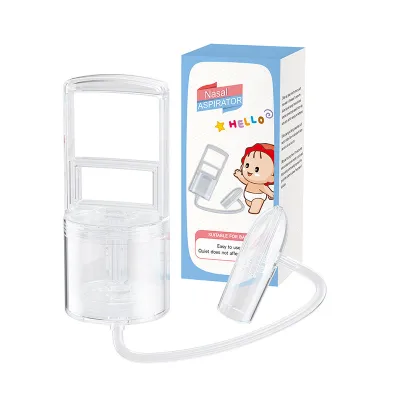
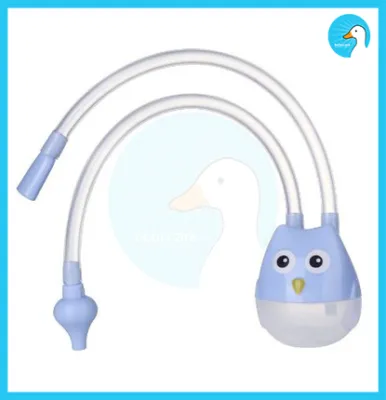
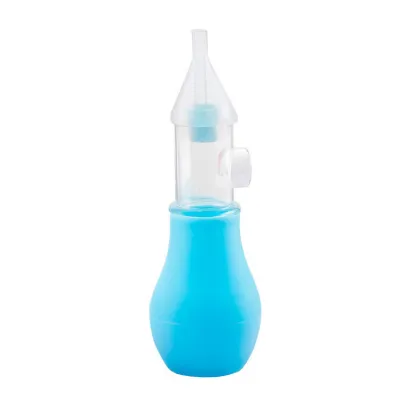
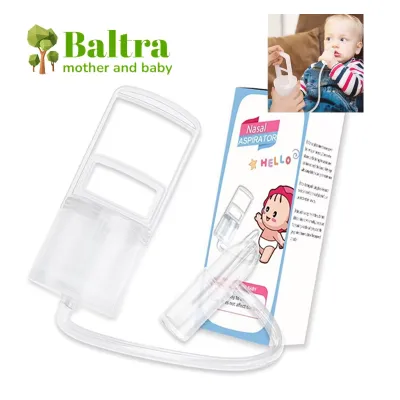
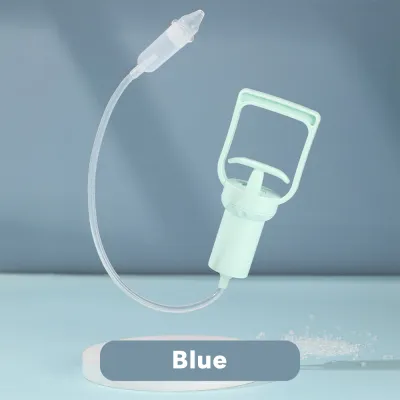
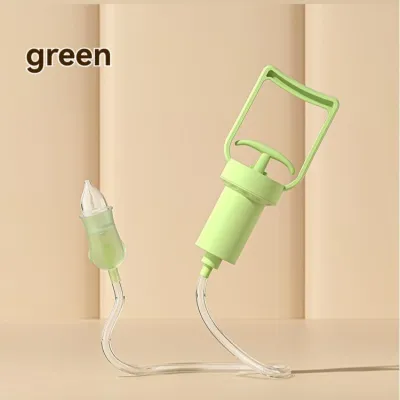
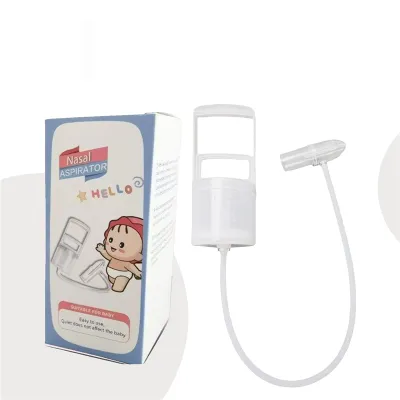
Prices are valid at publication and may change. Please refer to the product page for the latest price.
If the manufacturer’s documentation confirms that the device is safe for newborns, you must next familiarize yourself with its suction control mechanism. If you are using an electric version of the aqua flow nasal aspirator, look for the physical buttons or dials that adjust the suction levels. Always start by testing the device on the lowest possible setting. You can test the suction strength against the inside of your clean wrist to get a physical sense of the pressure before placing the nozzle anywhere near your baby’s nose.
For manual or oral suction aspirators, where you use your own breath to create suction through a tube, you have direct control over the force applied. However, this requires extreme caution, as it is easy to pull too hard when trying to clear stubborn mucus. Regardless of the design, never assume that a higher suction setting will clear the nose faster or better. In fact, high suction pressure can create a vacuum effect that pulls against the delicate mucosal lining, causing immediate swelling that actually makes the congestion worse. Always prioritize the gentlest possible setting that successfully coaxes the mucus out.
Additionally, you should verify if the product requires specific accessories, such as silicone tips of varying sizes. Newborns require the smallest, softest tip available, which should be made of medical-grade, flexible silicone. Using a tip that is too large can stretch the nostril or press painfully against the nasal septum, while a tip made of rigid plastic can easily scratch the internal tissues if the baby wiggles. If your device did not come with a designated newborn-sized tip, do not attempt to use it until you have acquired the correct, manufacturer-approved accessory.
Proper Technique to Avoid Nasal Tissue Injury
Using a nasal aspirator safely requires a steady hand, a calm environment, and a strict adherence to proper physical technique. The most critical rule when clearing an infant’s nose is to limit the insertion depth of the nozzle. You should never push the tip deep into the baby’s nostril. Most modern aspirators feature physical guards or flared tips designed to prevent deep insertion, but you must still remain highly conscious of the depth. The tip should only rest gently at the very opening of the nostril, creating a light seal rather than being forced upward into the nasal cavity.

To make the process smoother and safer, it is highly recommended to soften the mucus before applying any suction. You can use a few drops of sterile saline solution, which is widely available in local pharmacies across the Philippines for around ₱150 to ₱300. Administering one or two drops of saline into each nostril helps loosen dry or thick mucus, allowing it to flow out easily with minimal suction pressure. After applying the drops, wait about one to two minutes to let the saline do its work before you begin using the aspirator.
When you are ready to apply suction, keep each individual session incredibly brief. A single suction attempt should last no longer than two to three seconds per nostril. Prolonged suction can dry out the nasal passages, cause painful pressure changes in the baby’s middle ear, and irritate the delicate blood vessels inside the nose. If the mucus does not clear after a couple of brief attempts, stop the process entirely. Continuing to apply suction to a stubborn blockage will only cause tissue inflammation, which mimics the feeling of congestion and makes it even harder for your baby to breathe.
Throughout the process, you must closely monitor your baby’s physical reactions and behavioral cues. It is completely normal for infants to dislike having their noses cleared, and they may cry or squirm. However, you must watch for signs of intense distress, vigorous physical resistance, or sudden head movements. If your baby is thrashing, attempting to force the nozzle into their nose poses a severe risk of scratching or puncturing the nasal lining. If your baby becomes highly agitated, pause the session, comfort them, and try again only when they have calmed down, or consider alternative comfort measures like a warm bath to create natural steam.
Cleaning and Hygiene Practices to Prevent Infection
Maintaining pristine hygiene is just as important as using the correct suction technique. Because a nasal aspirator comes into direct contact with bodily fluids and is used near the baby’s airway, it can easily become a breeding ground for harmful bacteria, mold, and viruses if not cleaned properly. Immediately after every single use, you must disassemble all removable parts of the aspirator. Leaving mucus sitting inside the chamber or tubing even for a few hours allows pathogens to multiply rapidly, which can reintroduce infections to your baby during the next use.
Wash all disassembled parts thoroughly using warm water and a mild, baby-safe dish soap. If the manufacturer’s instructions allow, you can sanitize the silicone tips by boiling them in water for a few minutes or using a steam sterilizer. However, you must check the manual first, as some plastic components or electronic parts can warp or become damaged under high heat. For long, thin tubing that cannot be easily scrubbed, flush warm, soapy water through the line repeatedly, followed by a thorough rinse with clean water to ensure no soap residue remains.
In the warm, tropical climate of the Philippines, high humidity levels can significantly slow down drying times, creating an ideal environment for mold to develop inside enclosed spaces like tubes and collection chambers. After washing, place all parts on a clean, dry paper towel or a dedicated drying rack in a well-ventilated area. Ensure that every component is completely air-dried before reassembling the device or storing it in a closed container. Never store an aspirator while any moisture remains inside the tubing, as inhaling mold spores can cause severe respiratory irritation or allergic reactions in young infants.
Finally, pay close attention to the condition of the device’s backflow filters. Many electric and manual aspirators utilize small foam or paper filters designed to prevent mucus and moisture from entering the motor or the user’s mouthpiece. These filters must be checked regularly and replaced according to the manufacturer’s recommended schedule. If a filter becomes damp, discolored, or clogged, it can restrict airflow, reduce the device’s effectiveness, and harbor bacteria. Always keep a stock of genuine replacement filters on hand so you are never tempted to reuse a compromised filter.
Warning Signs: When to Stop and Seek Medical Help
While mild nasal congestion is a common part of infancy, parents must know how to recognize when home care is no longer safe or sufficient. You must stop using the nasal aspirator immediately if you observe any signs of physical trauma to the nasal tissues. This includes nasal bleeding, persistent redness around the nostrils, or visible swelling of the inner nasal lining. If you see even a small speck of blood in the suctioned mucus, it is a clear signal that the nasal tissues are irritated, and you should give the baby’s nose a complete break from suctioning for at least 24 to 48 hours.
More importantly, you must be able to distinguish between simple nasal stuffiness and true respiratory distress. A nasal aspirator is only meant to clear superficial mucus from the upper airway; it cannot treat lower respiratory infections or breathing difficulties. Seek immediate medical attention if your infant exhibits signs of respiratory distress, such as rapid breathing, flaring nostrils, grunting sounds, or chest retractions—where the skin sucks in tightly around the ribs or collarbone when the baby inhales. These symptoms indicate that the baby is working too hard to breathe and requires urgent professional evaluation.
You should also consult a pediatrician if your baby’s congestion persists for more than a few days without improvement, or if it is accompanied by other concerning symptoms. A fever, poor feeding, extreme lethargy, or a persistent cough are all signs that an underlying infection may be present. Never rely solely on a nasal aspirator to manage a sick infant. Your pediatrician can provide a proper diagnosis, recommend safe saline treatments, and help you establish a secure care plan to keep your baby comfortable and healthy.
Frequently Asked Questions (FAQ)
Can I use the Aqua Flow nasal aspirator while my baby is sleeping?
It is highly discouraged to use a nasal aspirator while your baby is asleep. The physical sensation of a nozzle entering the nostril, combined with the sudden sound and pressure of suction, will almost certainly startle your baby awake, causing sudden movement. This abrupt movement increases the risk of the nozzle scratching or bruising the delicate nasal lining. Additionally, startling a sleeping infant can cause a sudden gasp, which could draw loose mucus deeper into their airway. If your baby is congested during sleep, it is much safer to gently upright them, apply a drop of saline, or use a cool-mist humidifier in the room to ease their breathing naturally.
How many times a day is it safe to use a nasal aspirator on a newborn?
As a general rule, you should limit the use of a nasal aspirator to no more than three to four times a day, always checking your specific device’s manual for any manufacturer-defined limits. Overusing the device can quickly irritate and inflame the sensitive nasal passages, leading to increased swelling that actually worsens congestion. To maximize the benefit while minimizing irritation, prioritize using the aspirator during key transition times, such as right before feeding or before putting your baby down for sleep. This helps ensure they can suckle comfortably and rest peacefully without unnecessary, repetitive suctioning throughout the day.

Community discussion
Share your experience or ask a question. Comments are reviewed before publication.