
Finding the balance between household budgeting and your baby’s comfort is a continuous journey for parents in the Philippines. Choosing a budget-friendly option like the Airotots diaper can significantly lower your monthly expenses, but whether it can fully replace premium household names like Pampers and Huggies depends on several practical factors. Your baby’s unique skin sensitivity, daily urine output, and your own availability to perform frequent diaper changes will ultimately determine if this switch is successful.
In many cases, budget-friendly diapers are highly practical for daytime use but may require more frequent changes to match the heavy-duty overnight performance of premium brands. Because every baby’s body shape and skin type differ, the most reliable approach is to purchase a small trial pack first. This allows you to observe the diaper’s real-world fit, absorbency, and compatibility with your baby’s skin before committing your hard-earned budget to a bulk purchase.
Comparing Absorbency and Leak Protection
To determine if a budget diaper can hold up against premium alternatives, you must look closely at how it manages moisture. Start by examining the physical construction of the diaper. When you handle a diaper, feel the thickness and distribution of the absorbent core. Premium brands often utilize advanced superabsorbent polymers distributed evenly to prevent sagging, whereas budget options might have thinner cores or concentrated padding that clumps when wet. You should also check the packaging for features like a wetness indicator, which is a helpful visual cue for busy caregivers, though not always present on budget lines.
Products mentioned in this guide
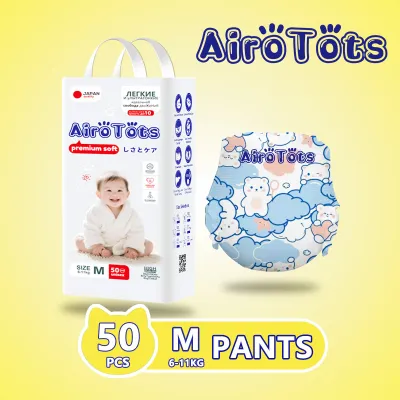
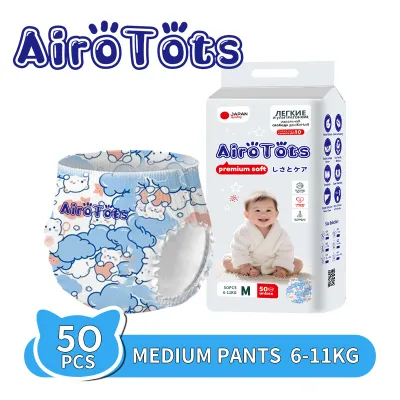
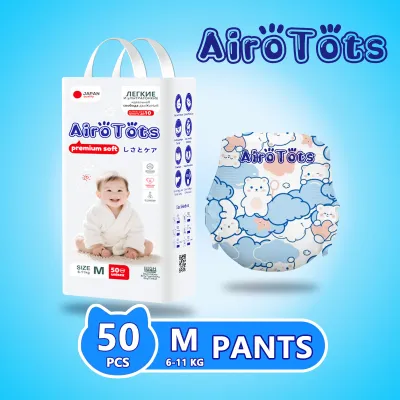
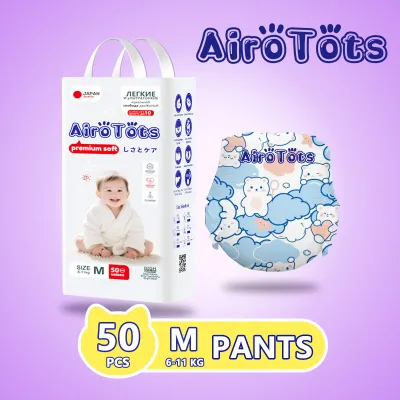
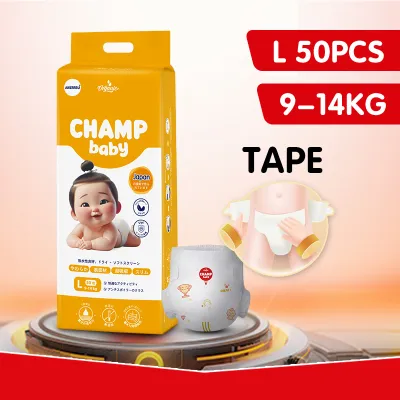

Prices are valid at publication and may change. Please refer to the product page for the latest price.
You can conduct a simple, safe test at home to compare absorbency limits without relying on guesswork. Place a dry diaper flat on a clean surface and pour a measured amount of lukewarm water—about 100 to 150 milliliters, which simulates a typical infant wetting—directly onto the center of the core. Wait for one minute, then press a dry paper towel firmly against the inner lining. A diaper with high-quality distribution layers will leave the paper towel dry, indicating that moisture is locked away from your baby’s skin. If the paper towel comes away damp, or if you notice the filling shifting into heavy clumps, the diaper may struggle with multiple wettings.
This test highlights a critical trade-off in diaper management. While a premium diaper might successfully lock away several wettings over twelve hours, a budget diaper may reach its capacity much sooner. If you choose a more affordable option, you must be prepared to change the diaper more frequently. Allowing a saturated diaper to sag not only increases the risk of side leaks through the leg cuffs but also keeps moisture in direct contact with your baby’s skin, which can lead to discomfort and irritation.
Evaluating Breathability and Skin Sensitivity
In the tropical climate of the Philippines, high humidity and heat make breathability a primary concern for infant skin care. When evaluating a diaper, run your fingers along the inner lining to assess its softness. A rough or stiff texture can cause friction against your baby’s delicate thighs and groin during active play. Next, stretch the elastic waistband and inspect the leg cuffs. The elastic should feel flexible and soft, providing a snug seal without digging into the skin or leaving deep impressions.

When transitioning your baby to a new diaper brand, close monitoring is essential during the first forty-eight hours. Inspect your baby’s skin during every change for early signs of irritation, such as mild redness, localized warmth, or a bumpy heat rash. If you notice any adverse skin reactions, stop using the new brand immediately and return to your previous trusted diaper. Keeping the diaper area clean and completely dry before fastening a new diaper is crucial, especially when testing a new material.
It is important to recognize that some babies have highly sensitive skin or conditions like eczema that demand specialized care. Premium diaper lines often feature hypoallergenic materials, organic cotton, or lotion-infused liners designed to minimize friction. If your baby is prone to severe diaper rash, the cost savings of a budget brand may be offset by the need for expensive barrier creams or pediatric consultations. In such cases, sticking with dermatologically tested premium brands is often the safest path for your baby’s comfort.
Calculating the True Cost Per Diaper
Comparing diaper prices on supermarket shelves or online marketplaces can be deceptive because package sizes and sheet counts vary widely. To find the true value, you must calculate the cost per individual piece. Take the total retail price of the pack and divide it by the exact number of diapers inside. For example, if a pack costs ₱450 and contains 30 diapers, the cost per piece is ₱15.00. Perform this simple calculation for every brand and pack size you consider, keeping a running list on your phone for quick reference.
Many parents assume that buying the largest bulk box automatically yields the lowest unit price, but this is not always true. Retail promotions, shipping fees on ecommerce platforms, and regional price differences can skew the math. Sometimes, medium-sized packs on discount actually offer a better cost-per-piece value than standard bulk packaging. Always verify the unit price based on the actual checkout price, including any local delivery charges or taxes, to ensure your calculations are accurate.
Additionally, you must factor in potential hidden costs that arise from diaper performance. If a premium diaper costs ₱18 per piece but lasts all night, you only use one diaper for the sleeping hours. If a budget diaper costs ₱10 per piece but leaks, requiring you to use two diapers overnight or change your baby’s clothes and bedsheets, the actual cost of ownership rises. Frequent daytime changes also mean you will go through a budget pack much faster. If you end up using eight budget diapers a day compared to five premium ones, the daily cost difference narrows significantly, making the premium option more competitive than it initially appeared.
Decision Framework: Choosing the Right Diaper for Your Baby
To make a practical decision for your household, you can use a simple framework based on your daily routine, budget flexibility, and your baby’s physical needs. This structured approach helps you balance immediate financial savings with long-term convenience and skin health.
Choose Airotots if:
- Strict Budget Limits: You need to minimize immediate weekly grocery expenses and require a highly accessible price point.
- Frequent Daytime Changes: You or a dedicated caregiver can monitor and change the baby's diaper every two to three hours during the day.
- Resilient Skin: Your baby does not have a history of severe diaper rash, eczema, or sensitivity to standard synthetic materials.
- Active Daytime Wear: You want an affordable option for active hours when the baby is awake and moving, making frequent changes easy to manage.
Choose Pampers or Huggies if:
- Overnight Sleep Protection: You prioritize uninterrupted night sleep and need a diaper that reliably locks away moisture for up to twelve hours.
- Sensitive Skin Needs: Your baby has highly sensitive skin that reacts quickly to moisture or friction, requiring dermatologically tested materials.
- Travel and Outings: You are traveling, running errands, or in situations where finding a clean changing station is difficult and diaper changes must be delayed.
Verify first if:
- Sizing and Cut Differences: You are transitioning between brands, as budget options often have different sizing cuts, elastic tensions, and weight ranges compared to premium lines. Always check the manufacturer's weight guidelines on the packaging and compare them to your baby's current weight before buying a large quantity.
Frequently Asked Questions (FAQ)
Can I use Airotots during the day and premium brands at night?
Yes, mixing diaper brands is an excellent, cost-effective strategy used by many practical parents. By using a budget-friendly option like Airotots during the day when you can easily change your baby every few hours, you save money on high-frequency use. You can then reserve highly absorbent premium diapers for overnight sleep or long outings where changes are less convenient. When using this hybrid approach, ensure both brands fit your baby properly around the waist and thighs to prevent leaks or skin chafing during transitions.
How do I know if a budget diaper is the right size for my baby?
You should always start by checking the manufacturer’s weight range printed on the packaging, keeping in mind that budget brands may run smaller or have a narrower cut than premium brands. Look for physical signs of a poor fit during use. If you notice deep red marks around your baby’s thighs or waist, frequent blowouts, or if the waistband sits too far below the belly button, the diaper is likely too small. Conversely, if there are visible gaps around the legs or the diaper slips down when your baby crawls, you need to size down to prevent leaks.

Community discussion
Share your experience or ask a question. Comments are reviewed before publication.