
Selecting the right toothpaste for kids is a crucial milestone in establishing a lifelong routine of healthy oral hygiene. Many parents assume that any product labeled for children will work, but the ideal choice actually depends on your child’s specific age, developmental stage, and physical ability to spit. Because young children naturally swallow what is in their mouths, choosing a toothpaste requires balancing effective cavity protection with strict safety considerations.
This guide is designed to help you navigate the often-confusing array of children’s oral care products. By understanding safety guidelines, learning how to read ingredient labels, and knowing when to transition between different formulations, you can confidently build a safe and effective brushing routine. Matching the product to your child’s developmental milestones is key to protecting their growing smile.
Understanding Fluoride and Safety Guidelines for Children
Fluoride is a naturally occurring mineral that plays a vital role in strengthening tooth enamel and preventing dental caries. When applied topically through regular brushing, it helps rebuild weakened enamel and reverses the early stages of tooth decay. However, because young children have not yet fully developed their swallowing reflexes, they are highly likely to ingest toothpaste during brushing. This creates a delicate balance for parents: providing enough fluoride to protect developing teeth while minimizing the risk of dental fluorosis.
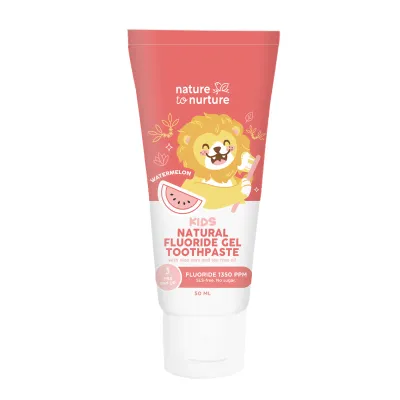
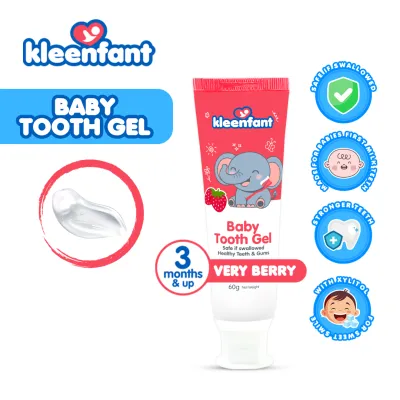
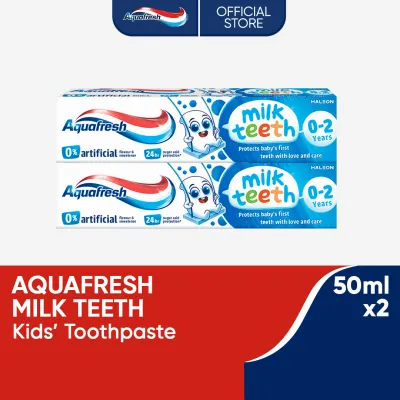
Products mentioned in this guide
![[BUY 1 FREE 2] Colgate Kids Toothpaste Tiger 40g Pack of 3](https://img.lazcdn.com/g/p/944807338374ecb33d01f20b4a0d812e.jpg_400x400q80.jpg_.webp)
![[BUY 3 FREE 3] Colgate Anti-Cavity Kids (2-5 Years) Toothpaste Tiger Strawberry Flavour 40g Value Pack of 6](https://img.lazcdn.com/g/p/54b91792f10882126493928fca91c184.jpg_400x400q80.jpg_.webp)

![[Bundle of 3] Hapee Kiddie Bubblegum Pop Toothpaste 40g](https://img.lazcdn.com/g/p/7d69f7556ac53ce6e2280d0d14fb5101.png_400x400q80.png_.webp)
![[Bundle of 3] Hapee Kiddie Strawberry Bloom Toothpaste 40g](https://img.lazcdn.com/g/p/a12e967f298dfd18d16df4b3c5c19b31.png_400x400q80.png_.webp)
Prices are valid at publication and may change. Please refer to the product page for the latest price.
Dental fluorosis is a cosmetic condition that occurs when young children ingest excessive amounts of fluoride while their permanent teeth are still forming under the gums. It typically manifests as faint white lines or streaks on the tooth surfaces. To prevent this, pediatric dental guidelines emphasize strict control over both the concentration of fluoride in the toothpaste and the physical amount applied to the toothbrush.
For very young children, dental authorities generally recommend using a tiny smear of toothpaste—no larger than a single grain of rice. As children grow older and learn how to spit out excess foam reliably, this amount can be safely increased to a pea-sized portion. It is always essential to check the manufacturer’s age recommendations and warnings printed on the packaging, as these are tailored to the formulation’s specific concentration. Because every child’s oral health needs can vary, consulting a pediatric dentist is the most reliable way to establish a personalized fluoride plan.
Choosing Toothpaste by Age Group and Developmental Stage
Children’s oral care is not a one-size-fits-all journey, as a child’s mouth undergoes rapid changes from infancy through the school years. Selecting the right toothpaste requires matching the product’s formulation to your child’s current developmental milestones, particularly their ability to control their swallowing reflex.

Infants and Toddlers (0–2 Years)
The arrival of a baby’s first tooth, which often occurs around six months of age, marks the official beginning of their oral care routine. During this initial stage, infants and toddlers do not possess the motor skills or cognitive ability to spit out toothpaste after brushing. Consequently, the primary goal for parents is to gently clean the new teeth and gums while ensuring that whatever is placed in the mouth is entirely safe to swallow.
For this age group, parents often start with fluoride-free training toothpastes. These formulations are specifically designed to be swallowed safely, allowing babies to get accustomed to the physical sensation of brushing without any risk of chemical ingestion. Alternatively, if a pediatric dentist identifies a high risk of early childhood cavities, they may recommend using a tiny, controlled amount of low-fluoride toothpaste. In either case, the application must be limited to a minimal smear—roughly the size of a grain of rice—spread thinly across the bristles of a soft baby toothbrush.
When evaluating products for infants and toddlers, it is crucial to look for gentle, non-foaming formulas. Many standard toothpastes contain foaming agents that can be uncomfortable or distressing for a baby, potentially leading to resistance to brushing. Additionally, ensure the product is free from harsh abrasives that could scratch delicate, newly erupted enamel. Opt for mild, natural flavors rather than highly sweetened options, as overly sweet pastes can encourage toddlers to swallow the product intentionally.
Preschoolers (3–5 Years)
By the time children reach the preschool years, they are developing greater physical coordination and can begin learning how to spit out excess saliva and toothpaste. This developmental milestone opens the door to stronger cavity protection, as their diet often expands to include a wider variety of foods, including natural sugars from tropical fruits and starches. Transitioning to a mild fluoride toothpaste during this stage helps fortify their primary teeth against decay.
The standard recommendation for preschoolers is to transition to a children’s fluoride toothpaste, but only under close parental supervision. The amount used should be strictly limited to a pea-sized portion, which provides sufficient active ingredients to protect the teeth without posing a significant risk if a small amount is accidentally swallowed. Parents should actively demonstrate the spitting process, encouraging the child to make a distinct “spitting” sound and action to ensure they understand the goal is to clear the mouth, not swallow the foam.
Flavor selection becomes highly influential during the preschool years, as children are quick to reject tastes they find too strong or spicy, such as traditional adult mint. Look for kid-friendly flavors like mild strawberry, bubblegum, or fruit punch that make the brushing experience enjoyable. However, be cautious of formulations that taste too much like candy, as this can tempt children to eat the toothpaste directly from the tube. Active parental supervision remains non-negotiable during this stage to ensure the child uses the correct amount and consistently spits out the residue.
School-Age Children (6+ Years)
As children enter school age, their primary teeth begin to loosen and make way for their permanent adult teeth. This transition period is critical, as permanent teeth require robust protection to last a lifetime. By age six, most children have fully mastered the ability to spit reliably and can understand instructions regarding proper brushing duration and technique.
At this stage, children can safely transition to standard family toothpastes or junior formulations that contain standard fluoride levels. These products offer the advanced cavity protection necessary to safeguard newly emerging permanent molars. If your child still dislikes the strong, icy sensation of adult mint, junior toothpastes often feature milder mint or mixed-fruit flavors that bridge the gap between early childhood products and adult formulations.
School-age children may also begin to develop unique oral health needs that require specialized formulations. For instance, children undergoing early orthodontic treatment with braces may benefit from specific plaque-fighting formulas, while those experiencing temporary tooth sensitivity during the loss of baby teeth might require a gentler paste. Any transition to specialized products should be guided by a professional dental evaluation. Even as children gain independence, parents should continue to provide oversight to ensure they brush for a full two minutes and maintain proper technique.
Key Ingredients and Labels to Check Before Buying
Reading the ingredient list on a tube of children’s toothpaste is one of the most effective ways to ensure you are purchasing a safe and high-quality product. Many commercial formulations contain additives that, while safe for adults, may cause irritation or discomfort in a child’s sensitive mouth.
One common ingredient to evaluate is sodium lauryl sulfate (SLS), a surfactant responsible for creating the rich foam associated with brushing. While SLS is highly effective at dispersing toothpaste throughout the mouth, it can sometimes irritate delicate oral tissues or contribute to the formation of painful mouth sores in sensitive children. If your child frequently complains of discomfort during brushing, look for “SLS-free” labels on the packaging. Additionally, it is wise to limit products containing parabens, artificial dyes, and heavy preservatives, opting instead for clean, straightforward ingredient profiles.
When verifying the fluoride concentration, look closely at the active ingredients panel on the back of the box or tube. Fluoride levels are typically measured in parts per million (ppm). For children’s formulations, concentrations generally range from 500 ppm to 1000 ppm, depending on the target age group. Cross-reference this number with the age recommendations printed on the front of the packaging and any specific guidance provided by your family’s pediatric dentist. Finally, look for recognized dental association seals or regulatory approvals on the physical packaging, which indicate that the formulation has met established safety and efficacy standards.
Building a Shortlist: What to Look for in Online Stores and Pharmacies
When shopping for children’s toothpaste in the Philippines, parents have access to a wide variety of local and imported options through online marketplaces, local pharmacies, and supermarkets. To build a reliable shortlist, start by utilizing search filters on e-commerce platforms to narrow down products by specific age groups, fluoride content, and established baby care brands. This helps eliminate adult formulations and irrelevant products immediately.
Before adding any item to your cart, take the time to verify the seller’s credibility. Look for official brand stores or authorized distributors to avoid counterfeit products, which can pose serious health risks due to unregulated ingredients. Carefully read customer reviews to gather feedback on the product’s actual taste, texture, and packaging integrity. Pay close attention to comments mentioning whether the flavor was well-received by other children or if the tube’s cap is easy for little hands to operate.
It is also highly recommended to compare prices across different platforms and physical retail outlets. Prices for quality children’s toothpaste typically range from ₱100 to ₱400, depending on the brand, size, and specialized ingredients. Checking expiration dates is particularly important when buying online, as expired toothpaste can lose its efficacy, especially regarding fluoride’s ability to protect enamel. By combining online convenience with physical verification at reputable local pharmacies, you can ensure you are getting an authentic, safe, and cost-effective product for your family.
Frequently Asked Questions (FAQ)
Can I use adult toothpaste for my child if we run out of kids' toothpaste?
Using adult toothpaste for young children is generally not recommended, even as a temporary measure. Adult formulations typically contain significantly higher concentrations of fluoride, which increases the risk of dental fluorosis if swallowed by a child who cannot yet spit reliably. Furthermore, adult toothpastes often feature strong mint flavors that can feel intensely spicy or burning to a child’s sensitive mouth, potentially creating a negative association with brushing. They also tend to contain harsher abrasives designed to remove adult stains, which can wear down the thinner, more delicate enamel of primary teeth. If you temporarily run out of children’s toothpaste, it is much safer to brush your child’s teeth thoroughly with plain water and a soft-bristled brush for a night, and then purchase an age-appropriate replacement the following day.
What should I do if my child swallows a large amount of toothpaste?
If you suspect your child has ingested a large amount of fluoride toothpaste directly from the tube, remain calm and take immediate action. First, determine approximately how much was consumed and check the fluoride concentration on the packaging. For a small extra swallow during normal brushing, simply encourage your child to drink a glass of water or milk. Milk is particularly helpful because the calcium binds with the fluoride in the stomach, reducing its absorption and minimizing potential stomach upset. However, if a significant portion of the tube has been swallowed, monitor your child for symptoms like nausea, vomiting, or abdominal pain, and contact a local poison control center or your pediatrician immediately for professional guidance. To prevent such accidents, always store all toothpaste tubes securely out of reach of young children, treating them with the same safety precautions as household medications.

Community discussion
Share your experience or ask a question. Comments are reviewed before publication.