
Choosing the right formula milk for your child is a highly individualized decision that depends on their age, digestive tolerance, and specific nutritional needs rather than a single brand. In the Philippines, parents are faced with a wide array of options, including prominent brands like Abbott (Similac and Pediasure), Nido, NAN, and Enfagrow. Each of these brands targets different developmental stages and dietary goals, making it essential to understand what each lineup offers. Navigating these choices requires careful label reading, an understanding of your child’s unique growth patterns, and close consultation with your pediatrician.
In a tropical climate like the Philippines, practical factors such as proper storage to prevent spoilage from high humidity also play a role in your daily feeding routine. Additionally, formula feeding represents a recurring household expense, meaning parents must balance nutritional requirements with long-term budget sustainability in ₱. Ultimately, the right formula is the one that your child digests well, supports their steady growth, and aligns with professional medical advice.
Understanding the Core Lineups of Abbott, Nido, NAN, and Enfagrow
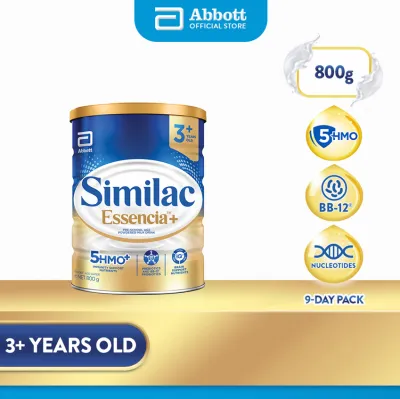
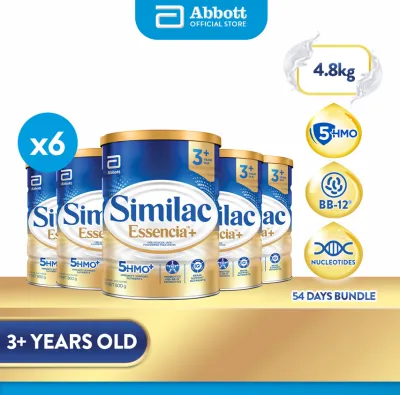
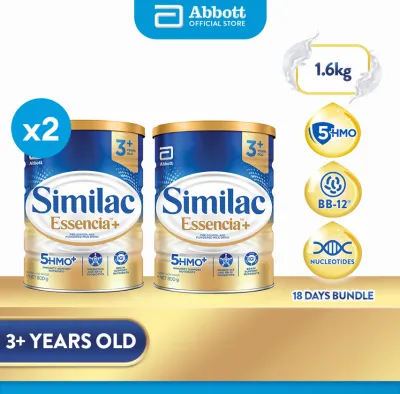
To make an informed choice, it is helpful to understand how each manufacturer structures its product lines. Abbott offers two distinct brands that serve very different purposes. Similac is primarily focused on infant and early toddler nutrition, designed to support general growth and brain development. In contrast, Pediasure is not a standard infant formula; it is a clinically designed nutritional supplement for children aged one year and older who require catch-up growth, have specific nutritional gaps, or are highly selective eaters.
Products mentioned in this guide

Prices are valid at publication and may change. Please refer to the product page for the latest price.
Nestlé’s NAN lineup is widely recognized for its focus on digestive comfort and early childhood development. It ranges from infant formulas to growing-up milks, often incorporating specialized protein blends and active cultures. NAN products are structured in sequential stages to match a child’s developing digestive system as they transition from exclusive milk feeding to solid foods.
Enfagrow, produced by Mead Johnson, is a major player in the toddler and preschool milk segment. The brand heavily emphasizes cognitive development, often highlighting specific nutrient blends on its packaging. Enfagrow products are typically categorized by age stages, such as Stage 3 for toddlers and Stage 4 for preschool-aged children, to provide age-appropriate levels of vitamins and minerals.
Nido, also from Nestlé, is a highly popular brand in Filipino households, particularly for older toddlers and school-aged children. Its growing-up milks, such as Nido 3+ and Nido 5+, are formulated to support the immune system and bone development of active, growing kids. Because brand portfolios, formulations, and packaging designs update frequently, parents must always verify the current product stage and intended age group directly on the label before purchasing.
Key Factors to Evaluate on Formula Labels
When comparing these brands, looking past the front-of-pack marketing and examining the nutritional facts and ingredient list is crucial. The first and most critical factor is age and stage appropriateness. Formula stages are carefully calibrated to match a child’s physiological development. For instance, infant kidneys and digestive tracts are highly sensitive and cannot safely process the higher protein and mineral concentrations found in toddler or school-age milks.

Specific nutritional goals should guide your evaluation of the ingredient list. Parents often look for key components such as Docosahexaenoic Acid (DHA), Arachidonic Acid (ARA), prebiotics like Galacto-oligosaccharides (GOS) or Fructo-oligosaccharides (FOS), and Human Milk Oligosaccharides (HMOs). While these ingredients are designed to support brain development and gut health, their presence and concentrations vary across brands and stages. Rather than assuming a higher concentration of a single nutrient makes a brand superior, look for a balanced profile that meets your pediatrician’s recommendations.
Another vital aspect to check is the sugar and additive content, especially in growing-up milks designed for toddlers and older children. Some commercial milks contain added sugars, such as sucrose, corn syrup solids, or maltodextrin, to improve taste and increase caloric density. High intake of added sugars in early childhood can influence taste preferences and impact dental health. Carefully review the ingredient list to identify these added sweeteners, opting for products that prioritize lactose as the primary carbohydrate source whenever possible.
Matching Your Child's Needs to the Right Formula
Selecting the right formula requires matching your child’s observable health status with the specific design of the milk. Abbott’s Pediasure is highly specific in its application. It is formulated as a calorie-dense option to help children who are falling behind on their growth charts, recovering from an illness, or struggling with severe selective eating. Because of its high caloric density, Pediasure should only be introduced under the direct supervision and monitoring of a pediatrician, rather than used as a standard daily beverage for a child growing normally.
For children who are growing at a healthy, steady rate and transitioning through standard toddlerhood, brands like NAN, Enfagrow, or Nido are generally more appropriate. If your child has a sensitive stomach, prone to mild gas or fussiness, a formula like NAN with modified proteins may offer better digestive comfort. If your focus is on general cognitive and physical development alongside a balanced diet of solid foods, Enfagrow or Nido can provide reliable nutritional support.
However, if your child has a history of allergies, severe reflux, lactose intolerance, or suspected cow’s milk protein allergy, standard commercial formulas are not suitable. These conditions require specialized, hypoallergenic, or lactose-free formulas that must be prescribed by a medical professional. Never attempt to manage suspected allergies or digestive disorders by switching between standard commercial brands without professional guidance.
How to Transition Safely and Monitor Tolerance
Once you and your pediatrician have selected a formula, introducing it safely requires a systematic approach. A gradual transition is highly recommended to allow your child’s digestive system to adapt to the new protein structures and fat blends. This is typically done by slowly mixing the old and new formulas over several days, or by gradually replacing one feeding per day with the new brand. Always follow the manufacturer’s specific preparation instructions, paying close attention to scoop sizes and water ratios, as these differ significantly between brands.
During the transition period, which usually lasts two to three weeks, perform daily observable checks on your child’s physical response. Monitor their stool consistency, color, and frequency; a temporary, mild change is common, but persistent diarrhea or hard, dry stools indicate poor tolerance. Keep a close eye on their skin for any signs of rashes or eczema, and observe their behavior for excessive gas, bloating, or sudden feeding refusal.
Knowing when to stop the transition is critical for your child’s safety. Stop using the new formula immediately and seek prompt medical attention if your child exhibits severe symptoms. These include projectile or persistent vomiting, blood or mucus in the stool, hives, swelling of the face or lips, or signs of respiratory distress. These symptoms can indicate a serious allergic reaction or severe intolerance that requires immediate professional intervention.
Frequently Asked Questions (FAQ)
Can I mix two different formula brands in one bottle?
Mixing two different formula brands or stages in a single bottle is generally discouraged unless explicitly directed by your pediatrician. Each brand has a unique nutritional profile, scoop size, and powder density designed to be dissolved in a specific volume of water. Combining them can alter the overall concentration, leading to an incorrect balance of nutrients and water. This can place an unnecessary strain on your child’s kidneys and digestive system, potentially causing dehydration or severe digestive discomfort.
How do I know when it is time to switch to the next formula stage?
The decision to transition to the next formula stage should be guided by the age recommendations printed on the product packaging and confirmed by your pediatrician. While developmental cues, such as increased appetite or finishing bottles faster, might seem like signs to switch, they are often just temporary growth spurts. Transitioning too early can expose your child to higher protein and mineral levels that their developing digestive system is not yet ready to process safely.

Community discussion
Share your experience or ask a question. Comments are reviewed before publication.