
Starting baby-led weaning is an exciting milestone for families in the Philippines, marking the transition from exclusive milk feeding to a world of textures, flavors, and self-discovery. As your little one learns to navigate solid foods, the right feeding gear acts as a crucial partner in their developmental journey. Hoshi Baby has become a popular choice among Filipino parents seeking functional, aesthetic, and durable feeding essentials. However, selecting the perfect combination of bowls, plates, cups, and utensils requires matching the products to your baby’s specific developmental stage. By understanding how your child’s motor skills evolve, you can make informed purchasing decisions that support their independence, minimize mealtime mess, and ensure a safe feeding environment.
Understanding Baby-Led Weaning Stages and Tableware Needs
Baby-led weaning is not a single event but a continuous developmental progression that unfolds over several months. In the initial stage, typically around six months of age, babies use their whole hands to explore food. They rely on a palmar grasp, scooping up large pieces of food with their fists and bringing them to their mouths. During this phase, tableware serves more as a sensory boundary than a tool for self-feeding. As babies approach nine to twelve months, their fine motor skills mature, and they develop the pincer grasp, using their thumb and index finger to pick up smaller morsels. This transition marks the period when they begin to show interest in using utensils and drinking from cups independently.
To support these milestones, parents must look for specific developmental signs of readiness before introducing advanced tableware. Your baby should be able to sit upright with minimal support and have good head and neck control before starting solids. When these physical milestones are met, the design of your feeding gear becomes highly relevant. For early weaning, heavy tableware with wide, stable bases prevents accidental tipping when babies enthusiastically pat or swipe at their trays. As their hand-eye coordination improves, the focus shifts to lightweight items with ergonomic handles that fit their small hands, allowing them to practice lifting and tilting without frustration.
Products mentioned in this guide
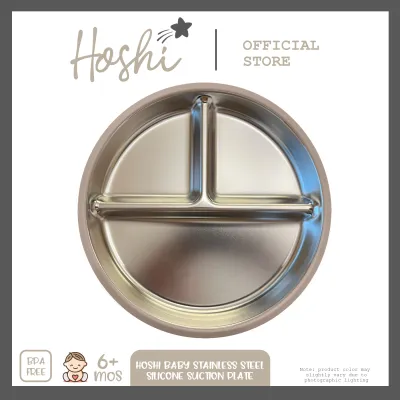
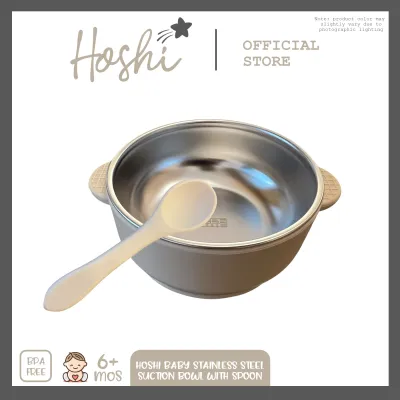
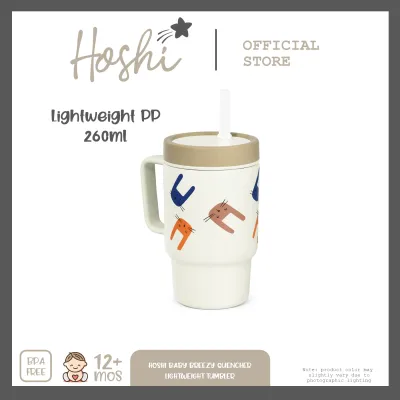
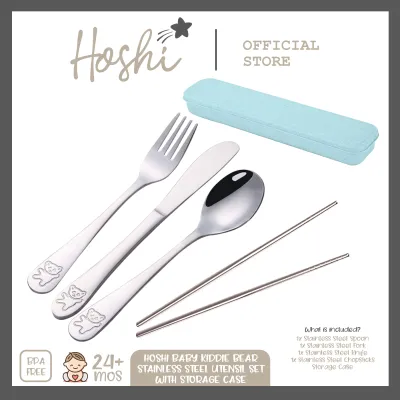
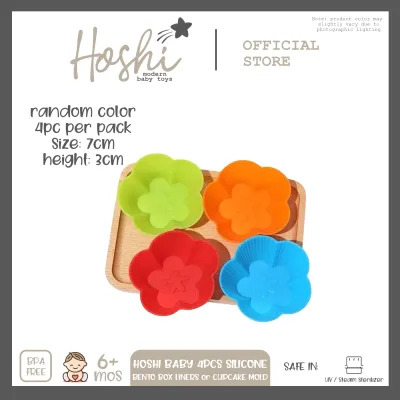
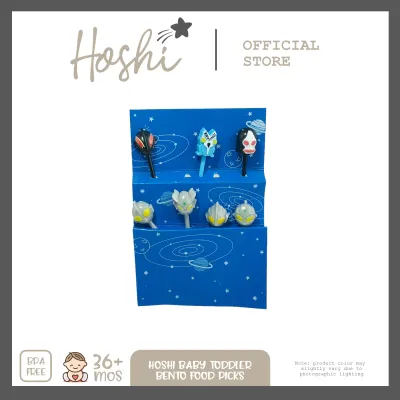
Prices are valid at publication and may change. Please refer to the product page for the latest price.
In the tropical climate of the Philippines, where high humidity can affect how materials feel and dry, choosing the right tableware design also involves practical home management. High chairs with plastic or wooden trays are common in Filipino households, and the compatibility of your tableware’s base with these surfaces is essential for a smooth feeding experience. Aligning the physical weight, base stability, and handle size of your chosen Hoshi Baby products with your baby’s current motor skills ensures that mealtime remains a positive learning experience rather than a constant struggle with runaway plates.
What to Look for in Hoshi Baby Bowls and Plates
When browsing the Hoshi Baby Philippines catalog, you will find a variety of bowls and plates designed to accommodate different stages of the weaning journey. For babies who are just starting baby-led weaning, shallow plates with wide compartments are highly beneficial. These plates allow you to spread out different food items, such as steamed vegetables or soft fruit spears, making it easy for your baby to see, touch, and grab them. The low rims of shallow plates do not obstruct their hands, which is crucial when they are still perfecting their palmar grasp.

As your baby transitions to mixed textures, grains, and liquid-based meals like local rice porridges or purees, deeper bowls become necessary. Deeper walls provide a physical barrier that helps older babies scoop food onto their spoons. When they push the spoon against the curved side of a deep bowl, it guides the food onto the utensil, building confidence and reducing spills. When selecting these items, always verify the dimensions and volume capacities listed on the product packaging to ensure they match your baby’s typical portion sizes.
One of the most critical features to evaluate in any weaning plate or bowl is the suction base. A strong suction mechanism keeps the dish firmly anchored to the high chair tray, preventing your little one from launching their meal across the dining room. When purchasing Hoshi Baby items, check the product descriptions for details on the suction base design and the presence of an easy-release tab. This tab allows parents to lift the bowl effortlessly after meals while keeping it secure from curious baby hands during feeding.
Additionally, material specifications and temperature limits must be verified directly on the manufacturer’s label or official store listings before you make a purchase. Because weaning tableware undergoes frequent washing and sterilization, you need to ensure the materials can withstand your preferred cleaning methods. Look for clear disclosures regarding temperature resistance, especially if you plan to use steam sterilizers, microwaves, or dishwashers. Verifying these specifications beforehand protects the structural integrity of the tableware and ensures it remains safe for daily use.
Selecting the Right Hoshi Baby Cups for Developing Motor Skills
Introducing a cup is a vital step in oral motor development, helping babies transition from the sucking reflex used for breast or bottle feeding to the mature swallowing patterns required for open-cup drinking. When exploring Hoshi Baby cups, parents generally choose between open cups, straw cups, and spout cups. Each of these designs serves a distinct developmental purpose. Pediatric feeding experts often recommend practicing with open cups early on, as they encourage proper tongue positioning and lip sealing. However, straw cups are also highly valued for building cheek strength and lip coordination, while spout cups can offer a transitional step, provided they do not interfere with natural swallowing patterns.
For early graspers, the physical design of the cup plays a major role in how quickly they learn to drink independently. Look for cups that feature easy-hold double handles or textured, non-slip surfaces. Double handles allow babies to use both hands to stabilize the cup as they bring it to their mouth, compensating for their still-developing spatial awareness. A weighted base is another excellent feature to look for, as it helps keep the cup upright when placed back on the table, minimizing spills during the trial-and-error phase of learning.
Before finalizing your purchase, it is essential to check the manufacturer’s age recommendations and cleaning instructions, particularly for cups with complex parts. Straw cups and spout cups often feature removable lids, silicone straws, and specialized valves designed to prevent leaks. While these spill-proof features are convenient, they also require meticulous cleaning to prevent mold growth, which can be a common issue in the humid Philippine climate. Ensure that all parts can be easily disassembled and that the manufacturer’s guidelines permit thorough sterilization or the use of specialized straw brushes.
Choosing Hoshi Baby Utensils for Self-Feeding Milestones
The journey to self-feeding with utensils requires significant hand-eye coordination and fine motor control. When selecting Hoshi Baby spoons and forks, you must match the utensil’s shape and size to your baby’s current grasp style. For infants who are just beginning to experiment with utensils, chunky, short-handled spoons are ideal. These are designed for the palmar grasp, allowing the baby to hold the utensil securely in their fist. The short length makes it easier for them to guide the spoon to their mouth without poking themselves or losing control of the food.
As your baby’s coordination improves and they transition to a pincer grasp, they will benefit from longer, slightly angled utensils. These designs allow for deeper access into bowls and plates, helping them scoop up food more efficiently. Angled handles can also reduce the amount of wrist rotation required to bring food to the mouth, making the self-feeding process less frustrating for toddlers who are still refining their movements.
Safety features are paramount when choosing utensils for young children. When reviewing Hoshi Baby product pages, verify that the spoons and forks feature soft, flexible tips that protect your baby’s sensitive gums and developing teeth. Another crucial design element is a built-in choke-guard barrier. This shield prevents the baby from inserting the utensil too far into their mouth, reducing the risk of gagging or choking during self-feeding practice.
Finally, always read the product labels for material safety, durability, and dishwasher compatibility before adding items to your cart. Weaning utensils are subjected to constant biting, dropping, and washing, so they must be made from robust, food-grade materials that will not chip, crack, or degrade over time. Checking these details ensures that the utensils you choose are both supportive of your baby’s milestones and highly durable for long-term use.
How to Verify Safety and Care Instructions Before Buying
Ensuring the safety and longevity of your baby’s weaning tableware requires careful verification of product details before making a purchase. When shopping for Hoshi Baby products in the Philippines, always look for official safety certifications, age-grade warnings, and complete material disclosures on the product packaging or official online store listings. Reliable manufacturers will clearly state whether their products are free from harmful chemicals such as BPA, phthalates, and lead. Verifying these disclosures gives you peace of mind that the items coming into direct contact with your baby’s food meet high safety standards.
Proper care and maintenance are equally important for preserving the quality of your weaning gear. Standard care practices include checking the maximum temperature thresholds for sterilization. Some materials may warp or degrade if exposed to boiling water, UV sterilizers, or high-heat dishwasher cycles. Additionally, avoid using harsh chemical detergents or abrasive scrubbing pads, as these can create micro-scratches on the surface of plastic or silicone tableware. In the warm and humid climate of the Philippines, these tiny scratches can become breeding grounds for bacteria and mold if not dried thoroughly.
Lastly, establish a routine of inspecting your baby’s tableware before every meal. Over time, active use, teething, and frequent washing can cause wear and tear. If you notice any signs of cracking, peeling, tearing, or structural weakness—especially on silicone straws, suction bases, or utensil tips—stop using the product immediately. Consulting the manufacturer or retailer for guidance on replacement parts or proper disposal ensures that your child’s feeding environment remains completely safe and hygienic throughout their weaning journey.
Frequently Asked Questions (FAQ)
When should I introduce an open cup during baby-led weaning?
You can begin introducing an open cup as early as six months of age, alongside the introduction of solid foods. Look for developmental signs of readiness, such as your baby being able to sit independently with good head control and showing a desire to reach for and grasp objects. When starting, use a small, baby-sized cup and fill it with only a few sips of water or breast milk to minimize spills. Always supervise your baby closely during practice sessions to help them guide the cup to their lips, and strictly follow the manufacturer’s age guidelines printed on the cup’s packaging.
How do I clean and maintain Hoshi Baby weaning tableware?
To keep your weaning tableware hygienic and durable, always follow the specific care instructions and material guidelines provided on the Hoshi Baby product label. Generally, wash the items immediately after use with mild, baby-safe dish soap and warm water. Avoid extreme temperature shocks, such as transferring a cold silicone bowl directly into a high-heat sterilizer, as this can weaken the material over time. Inspect the tableware regularly for deep scratches or bite marks where bacteria can hide, and ensure all parts are completely dry before storing them in a cool, dry cupboard to prevent mold.
What should I do if the suction base on a bowl stops working?
If your bowl’s suction base is losing its grip, first check the surface of the high chair tray or table. The surface must be completely clean, smooth, dry, and free of any oily residue or dust, as even minor textures or crumbs can break the vacuum seal. Press down firmly on the center of the bowl to push out all the air beneath the suction pad. If the suction base continues to fail or shows visible signs of warping, tearing, or physical damage, contact the retailer or manufacturer for support or to inquire about a replacement.

Community discussion
Share your experience or ask a question. Comments are reviewed before publication.