
The transition to solid foods is an exciting milestone in your baby’s development, but it also introduces a new set of kitchen challenges. Preparing, storing, and serving homemade purees requires containers that are not only convenient but also completely safe for infant feeding. While plastic options are widely available, many parents are turning to glass as a more reliable, hygienic, and long-lasting alternative.
Choosing the right baby food glass container involves understanding how different materials perform under extreme temperatures and daily wear. In the Philippines, where high humidity can accelerate food spoilage and mold growth, selecting high-quality storage is essential for maintaining food safety. This guide provides a practical framework to help you evaluate glass types, lid designs, and capacity options so you can make an informed decision for your family.
Why Choose Glass Containers for Baby Weaning?
Glass is naturally non-porous, meaning it does not absorb food colors, oils, or strong odors over time. When preparing local weaning staples like kalabasa (squash), kamote (sweet potato), or carrots, plastic containers often end up permanently stained with a bright orange hue. Glass remains perfectly clear and pristine, allowing you to easily inspect the contents and ensure the container is thoroughly clean before serving.
Products mentioned in this guide
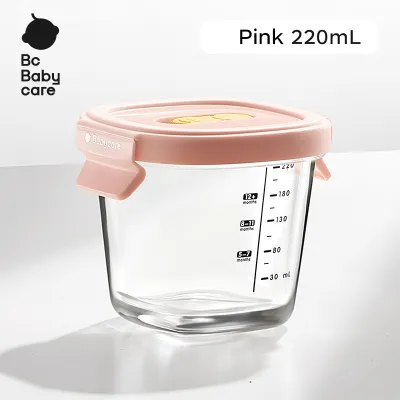
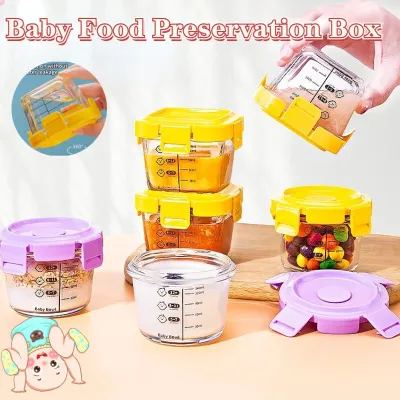
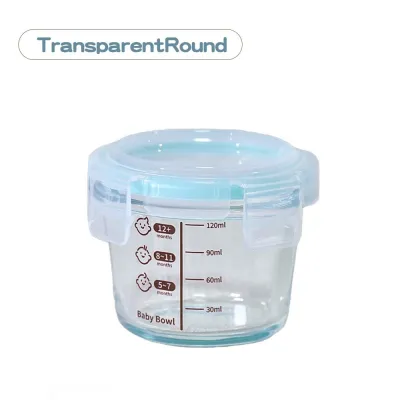
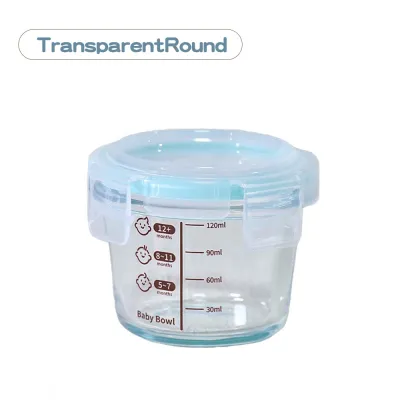
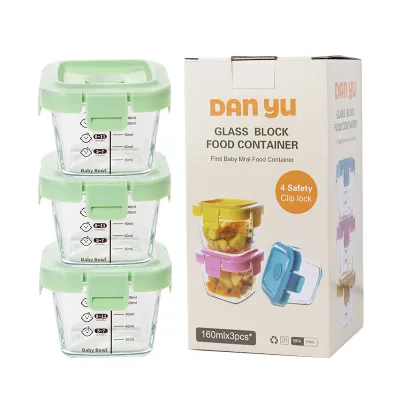
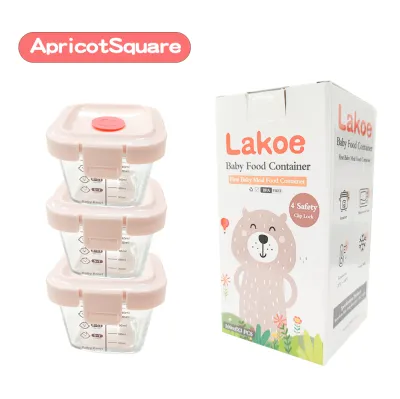
Prices are valid at publication and may change. Please refer to the product page for the latest price.
In addition to aesthetic benefits, glass offers superior odor resistance compared to plastic alternatives. If you prepare savory vegetable broths or fish-based purees, the lingering smells can easily penetrate plastic walls and affect the taste of the next meal. Glass containers prevent this odor transfer entirely, ensuring that a sweet fruit puree stored tomorrow tastes exactly as it should, without any leftover savory notes.
Chemical safety is another primary reason parents opt for glass during the weaning phase. Even when labeled as BPA-free, some plastics can release other chemical plasticizers when subjected to high heat in microwaves or steam sterilizers. High-quality glass is chemically inert and does not leach harmful substances into your baby’s food, providing a reliable barrier that keeps meals pure and uncontaminated.
Finally, glass containers offer exceptional durability and long-term value. While the initial purchase price may be higher than plastic sets, glass does not warp, scratch, or degrade after repeated washings and heating cycles. Scratches in plastic can harbor bacteria and make cleaning difficult, whereas a well-maintained glass container can safely last through multiple childhoods, making it a highly sustainable choice.
Essential Features to Evaluate Before Buying
When comparing different glass containers, the lid and sealing mechanism require close inspection. Look for lids equipped with secure, four-sided locking latches that provide a physical, leakproof seal to prevent messy spills in your diaper bag. The quality of the seal determines how well the container preserves the freshness of your homemade purees and prevents dry air from causing freezer burn.

In a tropical and humid climate, mold prevention is a critical safety consideration for baby gear. Lids with integrated, non-removable rubber seals are highly susceptible to trapping moisture and microscopic food particles, creating a breeding ground for black mold. To maintain proper hygiene, prioritize lids with fully removable silicone gaskets that can be easily popped out, scrubbed, sterilized, and completely air-dried.
Understanding the specific type of glass used in the container is crucial for safety. Borosilicate glass is highly recommended for baby food storage because it contains boron trioxide, which gives it a very low coefficient of thermal expansion. This structural property allows the glass to transition smoothly from a cold freezer to a warm microwave without cracking. Tempered soda-lime glass is more resistant to physical impacts but is significantly more sensitive to sudden temperature swings.
Protective accessories, such as removable silicone sleeves, add immense practical value to glass containers. These sleeves cushion the glass against accidental drops on hard kitchen floors, which are commonly tiled in Filipino homes. Additionally, a silicone sleeve provides a non-slip grip when handling wet containers during washing and insulates the glass so you can comfortably hold a warm container while feeding your baby.
A wide-mouth design is another feature that simplifies daily meal preparation and feeding. Containers with wide openings allow you to easily spoon purees directly from a blender or food processor without spilling. They also accommodate baby spoons of all sizes, allowing you to scoop out every last bite easily, and they make manual hand-washing with a standard sponge straightforward.
Matching Container Capacity to Weaning Stages
During the early stages of weaning, typically around six months, babies consume incredibly small portions of food. Introducing solids starts with just one or two teaspoons of smooth puree per meal to test tolerance and allergies. Storing these tiny portions in large containers leaves too much empty headspace, which exposes the food to excess air and accelerates oxidation and spoilage. Small glass jars with a capacity of 60ml to 120ml (2 to 4 ounces) are ideal for these initial tasting portions, helping to minimize food waste.
As your baby grows and reaches the mid-to-late weaning stages (around 8 to 12 months), their appetite expands, and their meals become chunkier and more complex. At this point, you will need to transition to larger containers with a capacity of 180ml to 240ml (6 to 8 ounces). These larger sizes are perfect for storing multi-ingredient meals, such as mashed vegetables mixed with grains and minced proteins, or for packing wholesome snacks like sliced soft fruits for family outings.
Batch cooking is a highly efficient way to manage baby food preparation, but it requires organized storage. To make this practical, look for modular, stackable glass container sets that fit neatly together. Recessed lids allow the containers to stack securely on top of one another without sliding, helping you optimize vertical space in compact refrigerators and freezers while keeping your prepared meals clearly organized.
Building Your Shortlist: What to Verify on Product Pages
When browsing online marketplaces or e-commerce platforms, it is important to look past generic marketing claims like “premium quality” or “shatterproof.” Scroll down to the technical specifications section of the product listing to verify the actual materials used. Ensure the product description explicitly confirms the use of high-quality borosilicate glass, food-grade silicone, and BPA-free polypropylene (PP) for the lids.
Be cautious of product listings that lack clear safety certifications or fail to specify temperature limits. A reliable manufacturer will clearly state the minimum and maximum temperatures the glass can withstand, usually ranging from -20°C to over 200°C. Additionally, check if the brand offers replacement parts, such as extra lids or silicone gaskets, so that a single lost lid does not render an otherwise perfect glass container unusable.
Because glass is inherently fragile, the quality of the shipping packaging is a major factor when purchasing online. Read through customer reviews and look for uploaded photos or videos to see how the items are packaged for delivery. Look for feedback indicating that the seller uses thick bubble wrap, individual cardboard dividers, and sturdy outer boxes to protect the glass during transit through local courier networks.
Finally, take a moment to review the seller’s return and refund policies regarding transit damage. Reputable sellers on major e-commerce platforms will offer a clear, hassle-free replacement or refund guarantee if any glass items arrive chipped or broken. Verifying these policies beforehand ensures you are protected against delivery mishaps and can build your weaning toolkit with confidence.
Daily Care, Cleaning, and Safety Maintenance
To keep your baby food glass containers hygienic and durable, always wash them with a mild, baby-safe dishwashing liquid and a soft sponge. Avoid using abrasive scouring pads, steel wool, or harsh chemical cleaners, as these can create microscopic scratches on the glass surface. Over time, these tiny scratches weaken the structural integrity of the glass, making it far more susceptible to cracking or shattering when exposed to temperature changes.
If you prefer to sterilize your baby’s feeding gear, always consult the manufacturer’s specific guidelines first. While high-quality borosilicate glass can easily withstand the high temperatures of steam sterilizers or boiling water, plastic lids and silicone gaskets often have lower heat thresholds. To prevent warping or degradation, sterilize the glass bodies separately, and wash the lids in warm, soapy water unless they are explicitly certified for high-temperature sterilization.
Develop a habit of inspecting each glass container before every single use. Run your finger carefully along the rims, corners, and threads to check for tiny chips, hairline cracks, or rough edges that could pose a safety hazard. Inspect the silicone gaskets for any signs of black mold, tearing, or loss of elasticity. If you discover any structural damage to the glass, discard the container immediately to eliminate any risk of glass particles contaminating your baby’s food.
Preventing thermal shock is the most important aspect of maintaining glass containers. Thermal shock occurs when glass experiences a rapid, extreme change in temperature, causing different parts of the container to expand or contract unevenly. To avoid this, never transfer a frozen glass container directly into a hot microwave, bottle warmer, or pot of boiling water. Instead, allow the food to thaw in the refrigerator overnight, or place the frozen container in a bowl of lukewarm water to bring it to room temperature gradually before heating.
Frequently Asked Questions (FAQ)
Can I freeze baby food directly in glass containers?
Yes, you can freeze baby food in glass containers, provided they are explicitly rated as freezer-safe by the manufacturer. When freezing liquid purees, always leave at least half an inch of empty space at the top of the container. Liquids expand as they freeze, and if there is no room for expansion, the pressure can cause the glass to crack or shatter.
Are all glass containers microwave safe for baby food?
No, not all glass containers are safe for microwave use. Always check the bottom of the container or the product packaging for the official microwave-safe symbol. When reheating baby food, always remove the lid entirely to prevent steam pressure from building up, and stir the food thoroughly afterward to eliminate any uneven hot spots that could burn your baby’s mouth.
How do I prevent glass containers from breaking during sterilization?
To prevent glass containers from breaking during sterilization, avoid exposing them to sudden temperature extremes. If you are boiling them, place the containers in a pot of cool water first, then bring the water to a gradual boil together. Ensure the containers do not clank violently against each other or the metal bottom of the pot by placing a silicone mat or a clean kitchen towel at the bottom of the pot to cushion them.

Community discussion
Share your experience or ask a question. Comments are reviewed before publication.