
Introducing solid foods to your baby is an exciting milestone filled with messy faces, new textures, and developmental leaps. As your little one transitions from purees to soft solids, keeping them engaged at the high chair becomes a primary goal. A themed utensil set, such as a colorful Spider-Man spoon and fork, can be an excellent way to capture their attention and make mealtime feel like a fun adventure.
However, when it comes to infant feeding, character appeal must always take a backseat to safety, ergonomics, and developmental readiness. Utensils designed for older children can pose choking hazards, injure sensitive gums, or frustrate a baby who is still developing basic motor skills. To ensure a safe and positive self-feeding journey, parents must carefully evaluate the materials, structural design, and age-appropriateness of any themed cutlery before bringing it to the dining table.
Setting the Stage: Safety and Age-Appropriateness for First Solids
Before shopping for any character-themed utensils, it is crucial to recognize the developmental milestones that indicate your baby is ready to transition to self-feeding. Most babies begin their solid food journey around six months of age, but readiness for using utensils typically develops a bit later. Look for signs such as sitting unassisted with good trunk control, bringing hands or toys to their mouth, and showing a keen interest in grabbing food. If your baby cannot yet sit upright steadily or still has a strong tongue-thrust reflex, it is best to wait and consult your pediatrician before introducing structured utensils.
Products mentioned in this guide
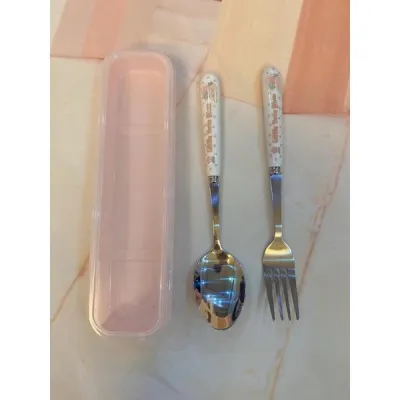
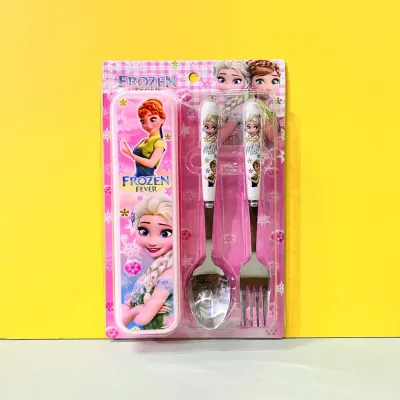
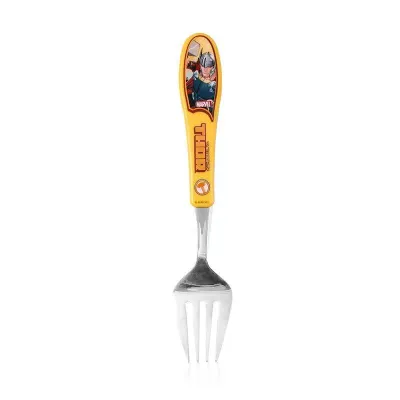
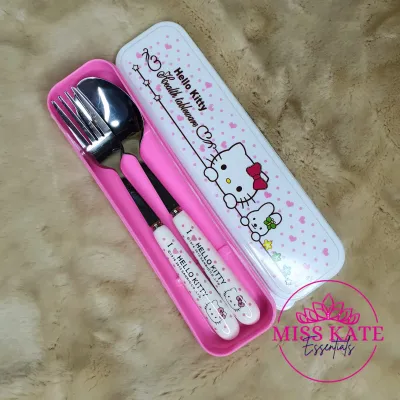
Prices are valid at publication and may change. Please refer to the product page for the latest price.
Material safety is the absolute baseline when selecting any feeding gear for your infant. Because babies explore their world by chewing, their spoons and forks will double as teething toys during meals. Parents must verify that any utensil set they purchase carries clear food-grade certifications on the packaging. In the Philippines, the warm and humid climate makes material integrity even more critical, as low-quality plastics can degrade more rapidly when exposed to heat during sterilization or daily washing.
It is a common mistake to purchase toddler-sized or purely decorative themed cutlery for a baby who is just starting solids. Many Spider-Man sets available in general toy stores or novelty shops are rated for children aged three and older. These products often feature metal tines, long handles, or heavy decorative toppers that are unsafe and impractical for a six-month-old. Introducing these too early can lead to accidental gagging, gum bruising, or a complete aversion to self-feeding due to frustration.
Essential Features of Baby-Friendly Utensils
To support your baby’s developing fine motor skills, the physical structure of the spoon and fork must match their physical capabilities. At the start of self-feeding, babies use a palmar grasp, wrapping their entire fist around the handle rather than holding it with their fingers. Therefore, the ideal utensil handle should be short, thick, and textured to prevent slipping. A bulbous or rounded handle allows small hands to secure a firm grip, reducing the effort required to lift the utensil to their mouth.

The design of the spoon bowl and fork tines also plays a critical role in a successful mealtime experience. For beginners, a spoon bowl should be shallow and narrow enough to fit comfortably inside a tiny mouth while allowing the baby to easily clear the food with their lips. Deep spoon bowls can trap purees, leading to frustration or overfeeding. Similarly, any fork included in a beginner set must feature blunt, rounded, and highly flexible tines. These tines should be designed to gently grip soft foods like mashed bananas or sweet potatoes without presenting any risk of puncturing the baby’s delicate gums or tongue.
Weight and balance are equally important factors that parents often overlook. A utensil that is too heavy or poorly balanced will constantly slip out of a baby’s hand, causing fatigue and discouragement. The weight should be concentrated slightly toward the handle to help guide the utensil naturally toward the mouth. When evaluating a Spider-Man set, ensure the character elements do not add excessive weight to the top of the handle, which can cause the spoon to tip over and spill its contents before reaching your baby’s lips.
Evaluating Spider-Man Designs and Materials
When shopping for Spider-Man themed utensils, you must look beyond the vibrant red and blue colors to scrutinize the actual materials used. Always check the product labels and manufacturer specifications to verify that the set is completely free from harmful chemicals such as Bisphenol A (BPA), polyvinyl chloride (PVC), and phthalates. High-quality, food-grade silicone and premium, break-resistant plastics are the standard materials for infant feeding. If a product label does not explicitly state these safety clearances, it is safest to leave it on the shelf.
The method used to apply the Spider-Man character design is a major safety consideration. Many budget-friendly utensil sets feature surface-printed graphics or stickers wrapped around the handles. Over time, especially with frequent washing in warm water, these prints can begin to peel, crack, or flake off. This creates a direct risk of your baby ingesting paint flecks or choking on loose plastic film. Instead, look for sets where the character design is molded directly into the silicone or plastic handle, ensuring the visual elements are an inseparable part of the utensil’s structure.
Additionally, parents must watch out for structural red flags common in character-themed merchandise. Avoid utensils with small, detachable decorative parts, such as a tiny plastic figure attached to the end of the handle, as these can easily break off and become choking hazards. Inspect the silhouette of the character design for any sharp edges or intricate crevices. In a tropical environment, complex shapes with deep grooves can easily trap food particles and moisture, creating a breeding ground for mold and bacteria if not cleaned with extreme care.
Building Your Shortlist: Where and How to Shop Safely
Finding a safe and authentic Spider-Man utensil set requires a cautious approach to shopping, especially when browsing online marketplaces or local department stores. Because popular cartoon characters are frequently counterfeited, parents should prioritize purchasing from authorized sellers, official brand stores, or reputable baby specialty retailers. Authentic licensed merchandise is subject to stricter quality control and safety testing than generic, unbranded alternatives that may bypass essential chemical screenings.
When shopping on e-commerce platforms, customer reviews can serve as a valuable resource for real-world feedback. Look closely at reviews that mention the durability of the character print, how well the utensils hold up to sterilization, and whether the actual size matches the product description. Many parents post photos of the items next to common household objects, which can help you judge if the set is truly sized for an infant or if it is better suited for an older toddler. Be skeptical of listings with generic, repetitive reviews that do not address the physical quality of the materials.
Before finalizing your purchase, run through a quick verification checklist. Cross-reference the seller’s product description with the official manufacturer’s website if possible. Verify the recommended age rating on the packaging; if a Spider-Man set is labeled “not suitable for children under 36 months,” do not buy it for a baby starting solids, regardless of how cute it looks. Ensure the listing clearly details the materials used and provides explicit care instructions, such as whether the set is dishwasher-safe or requires hand washing. A high-quality, licensed set typically ranges from ₱150 to ₱450, and anything priced suspiciously low should be scrutinized.
Encouraging Self-Feeding with Themed Utensils
Once you have selected a safe, age-appropriate Spider-Man spoon and fork set, you can use the theme to create a positive and engaging mealtime routine. You can narrate the meal by telling your baby that the spoon is “web-slinging” a delicious bite of mashed squash into their mouth, or encourage them to grip the handle like a superhero. This playful interaction can help ease any anxiety your baby might feel when introduced to new textures and flavors, turning eating into an interactive game.
However, it is vital to maintain realistic expectations during this developmental phase. Self-feeding is a highly complex skill that requires hand-eye coordination, spatial awareness, and muscle control. In the beginning, your baby will likely drop the utensils, use them to bang on the high chair tray, or prefer to use their fingers. This messiness is a natural and necessary part of the learning process. Allow your baby to explore the utensils at their own pace without forcing them to use them perfectly.
While encouraging independence is important, caregiver supervision is mandatory during every meal. You must be ready to step in if your baby becomes overly frustrated, tired, or shows signs of distress. If your baby repeatedly gags, chokes, or exhibits an extreme aversion to the utensils, pause the self-feeding attempt immediately. Revert to gentle caregiver feeding or finger foods, and consult your pediatrician or a pediatric feeding specialist to ensure there are no underlying sensory or developmental challenges.
Frequently Asked Questions (FAQ)
At what age can a baby safely use a fork?
Most babies are ready to be introduced to a baby-safe fork around 10 to 12 months of age, after they have developed basic coordination with a spoon. At this stage, they are beginning to transition from a palmar grasp to a pincer grasp, making it easier to aim and press down on soft foods. Always ensure the fork has blunt, rounded tines made of soft silicone or smooth, thick plastic to prevent any injuries to their mouth. Constant adult supervision is required to ensure they do not run or play while holding the fork.
Are silicone or plastic utensils better for beginners?
Both materials have distinct advantages, and the best choice depends on your baby’s habits and your cleaning preferences. Food-grade silicone is highly favored for beginners because it is soft, flexible, and gentle on sore, teething gums. It also provides a naturally non-slip grip and is highly resistant to heat. Rigid, BPA-free plastic utensils are often more durable and make it easier to scoop up denser purees, but they lack the soft texture of silicone. Check the manufacturer’s care label to ensure your chosen material matches your home sterilization routine.
How do I clean and maintain printed character utensils?
To preserve the vibrant Spider-Man design and ensure optimal hygiene, always follow the specific washing instructions provided on the manufacturer’s packaging. If the set is labeled as dishwasher-safe, place it on the top rack only, away from the heating element to prevent warping or print degradation. For hand washing, use a mild dishwashing liquid and a soft sponge; avoid abrasive scrubbing pads or harsh chemical sanitizers that can scratch the surface or cause the character prints to peel. Regularly inspect the utensils for any signs of wear, cracking, or peeling, and discard them immediately if the design begins to flake.

Community discussion
Share your experience or ask a question. Comments are reviewed before publication.