
Selecting the right lotion moisturizer for kids with sensitive skin in the Philippines requires a careful balance between managing tropical environmental factors and understanding delicate skin physiology. Because a child’s skin barrier is thinner and loses moisture more rapidly than an adult’s, it is highly susceptible to environmental irritants, temperature fluctuations, and harsh chemical formulations. Finding an effective solution involves looking beyond generic marketing claims and focusing on verified ingredient profiles, appropriate textures for a humid climate, and safe application practices.
To protect your child’s skin, you must understand how local weather conditions interact with different skin types. A moisturizer that works well in a cold, dry climate may feel suffocatingly heavy in tropical heat, potentially leading to clogged pores or heat rashes. Conversely, lightweight lotions might not provide enough protection in air-conditioned spaces where moisture is continuously stripped from the air. By learning to evaluate formulations systematically, you can build a reliable skincare routine that keeps your child’s skin hydrated, calm, and resilient.
Understanding Sensitive Skin Triggers in Children
To choose the right moisturizer, you must first identify the specific nature of your child’s sensitive skin. Dry skin, eczema-prone skin, and contact dermatitis are distinct conditions that require different management strategies. Simple dry skin typically presents as rough, slightly flaky patches that lack moisture but do not necessarily itch intensely. Eczema, or atopic dermatitis, is a chronic inflammatory condition characterized by an extremely compromised skin barrier, intense itching, and red, inflamed patches that can become raw or weepy. Contact dermatitis, on the other hand, is a localized allergic reaction or irritation triggered by direct contact with a specific substance, such as a harsh soap, dye, or synthetic fabric.
Products mentioned in this guide
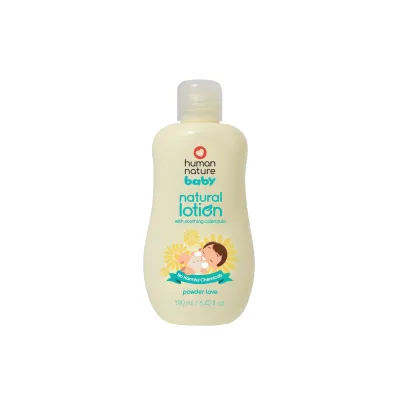
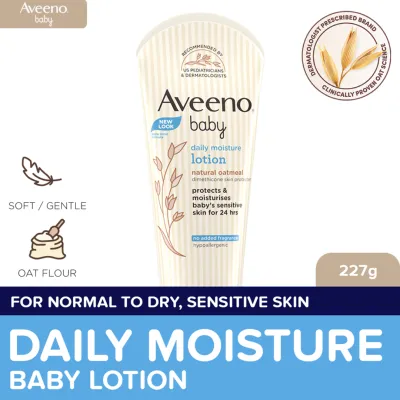
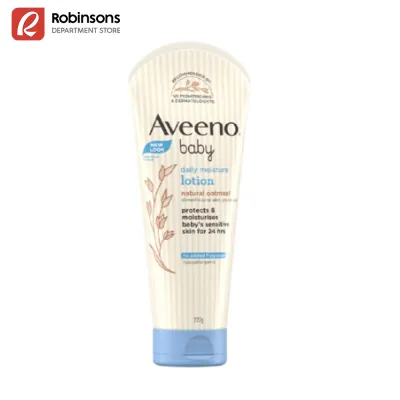
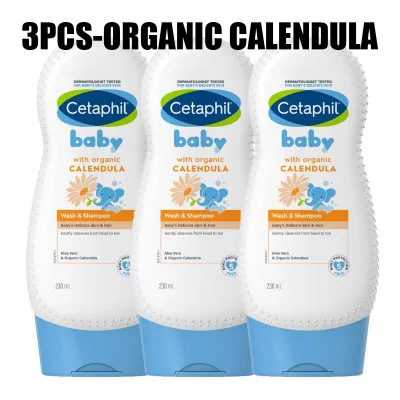
![[FDA Approved] Tenderoo Baby Moisturizing Lotion Avocado Plant Extract Gentle Safe Soothing 200ml](https://img.lazcdn.com/g/p/c537dad3153611e9e058bdbe2e97956d.jpg_400x400q80.jpg_.webp)
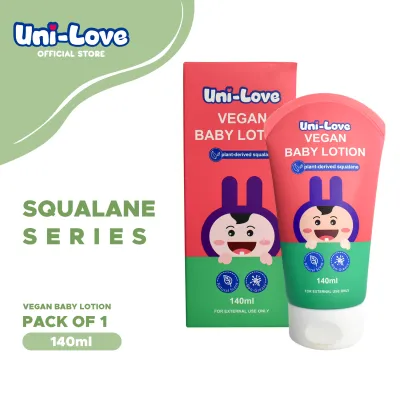
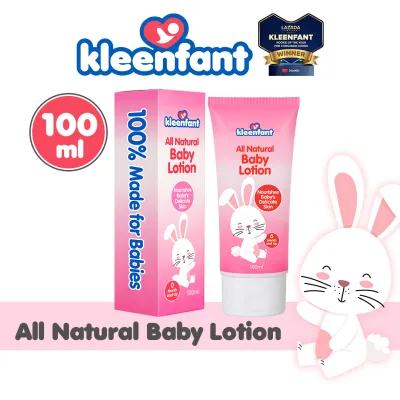
Prices are valid at publication and may change. Please refer to the product page for the latest price.
The tropical climate of the Philippines introduces unique environmental challenges that can exacerbate these skin conditions. High outdoor humidity often leads to increased sweating, which can accumulate in skin folds, such as the elbows, knees, and neck, causing friction and localized irritation. When children transition from this humid outdoor heat into highly air-conditioned indoor environments, the sudden drop in humidity rapidly dehydrates the skin. This constant cycle of sweating and rapid drying weakens the skin barrier, making it easier for allergens and bacteria to penetrate the outer layers of the skin.
Recognizing the observable signals that your child’s current moisturizer is ineffective or causing irritation is crucial for timely adjustment. If you notice immediate redness, warmth, or a stinging sensation shortly after applying a lotion, the product likely contains an active irritant. Persistent scratching, the sudden appearance of tiny red bumps, or dry patches that remain rough despite multiple daily applications are clear indicators that the moisturizer is either too weak or contains ingredients that are actively disrupting the skin barrier.
Essential Ingredients to Seek and Avoid
When reading product labels, you should actively look for ingredients that actively repair, hydrate, and protect the skin barrier. Ceramides are highly beneficial lipids that naturally occur in the skin; they help bind skin cells together, forming a protective layer that locks in moisture and keeps irritants out. Colloidal oatmeal is another excellent ingredient, known for its anti-inflammatory properties that soothe itching and calm redness. Glycerin acts as a powerful humectant, drawing water from the air into the outer layer of the skin to maintain hydration. For areas of severe dryness, petrolatum serves as an effective occlusive agent, creating a physical barrier that prevents trans-epidermal water loss.

Equally important is knowing which ingredients to avoid to prevent flare-ups and allergic reactions. Synthetic fragrances and essential oils, such as lavender, eucalyptus, or citrus extracts, are among the most common triggers for contact dermatitis in children. Even if a product smells pleasant, those fragrance molecules can sensitize delicate skin over time. You should also avoid parabens and harsh preservatives, such as formaldehyde releasers, which are often used to extend shelf life but can cause significant skin irritation. Additionally, avoid drying alcohols, like denatured alcohol or isopropyl alcohol, which strip the skin of its natural oils.
Distinguishing between “unscented” and “fragrance-free” formulations is a critical step in identifying hidden irritants. A product labeled “unscented” is not necessarily free of fragrance chemicals; instead, it often contains masking fragrances designed to neutralize the unpleasant smell of other active ingredients. This means the sensitizing chemicals are still present in the bottle. In contrast, a “fragrance-free” label guarantees that no fragrance chemicals or masking agents have been added to the formulation, making it a much safer choice for children with highly sensitive or reactive skin.
Decoding Product Labels and Pediatric Claims
Navigating the marketing terms on lotion packaging requires a critical eye, as many common claims lack universal regulatory definitions. The term “hypoallergenic” simply means the manufacturer has formulated the product to minimize the likelihood of allergic reactions, but it does not guarantee that your child will not react to it. Similarly, “dermatologist-tested” indicates that a dermatologist evaluated the product, but it does not specify the testing protocols, the number of participants, or whether the product passed a rigorous safety standard. “Pediatrician-approved” is often based on subjective surveys or limited clinical trials rather than a standardized regulatory approval process.
To make an informed decision, you should look for recognized dermatological seals of acceptance from reputable, independent organizations. For example, seals from national eczema associations indicate that the product has undergone independent review and has been deemed suitable for sensitive, eczema-prone skin. You can verify the authenticity of these seals by cross-referencing the product name on the official registry websites of these organizations. This extra step ensures that the seal is legitimate and not a clever marketing imitation.
Understanding the significance of pH-balanced claims is also essential for maintaining your child’s skin health. Healthy skin has a slightly acidic surface, known as the acid mantle, which typically maintains a pH level between 4.5 and 5.5. This acidic environment is crucial for supporting the skin’s natural microbiome and defending against harmful bacteria. Using highly alkaline skincare products can disrupt this delicate balance, stripping away protective lipids and leaving the skin vulnerable to dryness, infection, and irritation. Choosing a pH-balanced lotion helps preserve this natural protective barrier.
Building Your Shortlist: Selection Criteria
When building a shortlist of potential moisturizers, you must evaluate the texture and formulation based on your child’s skin severity and the local climate. Lotions are lightweight, have a high water content, and absorb quickly, making them ideal for daytime use in the humid Philippine climate as they do not leave a greasy residue. Creams are thicker, containing a higher ratio of oil to water, which makes them excellent for nighttime application or for children who spend significant time in air-conditioned rooms. Ointments are highly occlusive, greasy formulations that are best reserved for localized, extremely dry patches or active eczema flare-ups, but they are generally too heavy for full-body use in hot weather.
The packaging of the moisturizer is another practical factor that directly impacts hygiene and product safety. Pump bottles are highly recommended for daily use because they feature a closed dispensing system that prevents air and light exposure, preserving the stability of the ingredients. More importantly, pump mechanisms prevent you from repeatedly dipping your fingers into the product, which significantly reduces the risk of introducing bacteria, mold, or other contaminants into the lotion. If you choose a product that comes in a tub, always use a clean spatula or wash your hands thoroughly before scooping out the cream to maintain product hygiene.
A thorough cost-per-volume evaluation is essential for finding a sustainable, long-term skincare solution. Because managing sensitive skin requires consistent, generous application, a small, expensive tube may quickly become financially impractical. To find the best value, calculate the price per milliliter (₱/ml) by dividing the retail price in ₱ by the total volume of the container. Often, purchasing larger family-sized pump bottles yields a much lower cost-per-volume than buying multiple small travel tubes, allowing you to apply the moisturizer liberally without worrying about running out too quickly.
Safe Application and Patch Testing Protocols
Before applying any new moisturizer to your child’s entire body, you must perform a systematic patch test to rule out potential allergic reactions. Start by applying a pea-sized amount of the product to a small, clean, and discreet area of skin, such as the inner forearm or the side of the neck. Repeat this application twice daily for five to seven consecutive days, as some contact allergies can take several days to manifest. Throughout this period, carefully monitor the test area for any signs of redness, swelling, itching, or tiny bumps. If no reaction occurs after a week, the product is generally safe for broader application.
The timing of your moisturizer application plays a significant role in its overall effectiveness. The optimal time to apply lotion is within three minutes of bathing, a method often referred to as the “soak and smear” technique. After bathing your child in lukewarm water, gently pat their skin with a soft towel, leaving it slightly damp. Immediately apply a generous layer of moisturizer over the entire body. This timing is critical because it traps the residual surface moisture on the skin before it has a chance to evaporate into the dry air, maximizing the hydrating benefits of the product.
You must establish clear stop-conditions to protect your child from severe adverse reactions. Discontinue use of the moisturizer immediately if you observe sudden hives, swelling, intense itching, or if the skin becomes hot to the touch. If your child’s skin begins to weep, blister, or show signs of infection, such as yellow crusting or increased warmth, stop applying the product and consult a pediatrician or a pediatric dermatologist right away. Never attempt to soothe an active allergic reaction by applying more of the suspected product.
Purchasing Channels and Authenticity Checks
Sourcing genuine products is critical when buying skincare for children with sensitive skin, as counterfeit lotions can contain harmful contaminants or incorrect ingredient concentrations. To ensure authenticity, purchase your moisturizers directly from official brand flagship stores on reputable ecommerce platforms, authorized physical pharmacy chains, or directly from your pediatrician’s clinic. Avoid buying from third-party sellers with unverified ratings or those operating on unauthorized online marketplaces, as these channels have a higher risk of distributing counterfeit or expired goods.
Identifying red flags for counterfeit products can save you from purchasing potentially harmful formulations. Be highly suspicious of prices that are significantly lower than the standard retail price in ₱ across authorized distributors. Carefully inspect the packaging for poor print quality, spelling errors, misaligned labels, or a lack of a protective safety seal. Genuine products will always feature a clearly printed batch number, manufacturing date, and expiration date on the container. If the texture, color, or scent of the lotion seems different from your previous purchases, do not use it on your child.
Proper storage is essential for maintaining the efficacy and safety of your child’s moisturizer. The high ambient temperatures and humidity levels in the Philippines can accelerate the degradation of active ingredients and preservatives, potentially causing the emulsion to separate or spoil. Store all skincare products in a cool, dry place away from direct sunlight, such as a bedroom closet or a dedicated drawer. Avoid storing lotions in the bathroom, where steam and temperature fluctuations can create an environment prone to bacterial growth on the packaging and dispensing pumps.
Frequently Asked Questions (FAQ)
Can I use adult sensitive skin lotions for my child?
It is generally not recommended to use adult sensitive skin lotions on young children unless specifically advised by a pediatrician. Adult formulations, even those labeled for sensitive skin, may contain higher concentrations of active ingredients, stronger preservatives, or botanical extracts that are safe for mature skin but too harsh for a child’s thin, developing skin barrier. Pediatric lotions are specifically formulated with a lower risk of systemic absorption and are subjected to stricter safety margins. If you must use an adult product in an emergency, ensure it is completely fragrance-free, dye-free, and perform a thorough patch test first.
How often should I apply lotion to my child's skin?
As a baseline routine, you should apply a lotion moisturizer to your child’s skin at least twice daily to maintain a healthy skin barrier. The first application should occur immediately after their daily bath to lock in moisture, and the second application can be done before bedtime to protect the skin from drying out overnight, especially if they sleep in an air-conditioned room. You should adjust this frequency based on environmental exposure and skin feedback. For instance, if your child has been swimming in a chlorinated pool, playing outdoors in the heat, or if you notice their skin feeling rough or dry to the touch, apply an extra layer of moisturizer to provide continuous protection.

Community discussion
Share your experience or ask a question. Comments are reviewed before publication.