
Starting your journey with a lampin new born baby setup is one of the most rewarding decisions you can make as an eco-conscious parent. To begin successfully, you need a basic understanding of the diaper types available, a clear calculation of how many diapers you will need, and a simple, consistent washing routine. By preparing these elements before your baby arrives, you can seamlessly transition to a sustainable, cost-effective, and skin-friendly diapering system.
Preparing for Cloth Diapering: What to Expect
In the Philippines, where disposable diapers represent a continuous household expense and contribute heavily to local landfills, choosing cloth diapers—locally referred to as lampin—is an impactful choice. Over the course of your child’s diapering years, switching to reusable options can save your family tens of thousands of pesos. This choice also drastically reduces your household waste, keeping hundreds of single-use plastics out of local ecosystems.
Newborns require an exceptionally high frequency of diaper changes. A typical newborn baby will urinate or have a bowel movement 8 to 12 times every 24 hours. This high frequency is completely normal for their developing digestive and urinary systems, but it means you will be changing diapers constantly to keep your baby’s delicate skin dry and clean.
Products mentioned in this guide

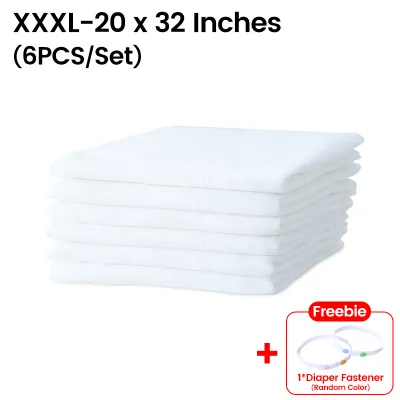
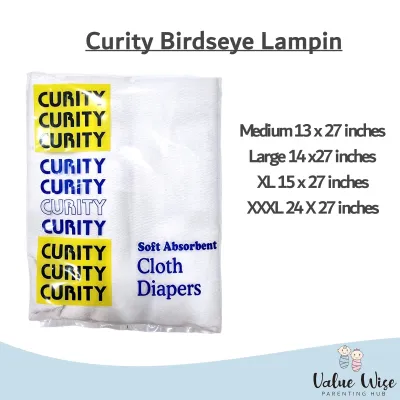


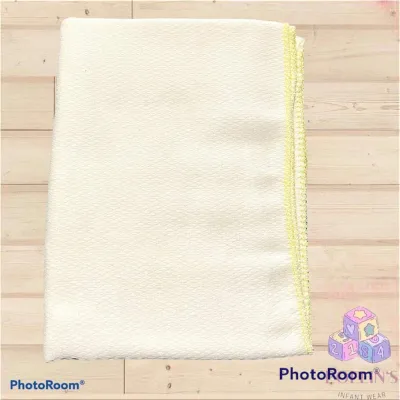

Prices are valid at publication and may change. Please refer to the product page for the latest price.
Adjusting to this pace while recovering from childbirth does involve a learning curve. The first couple of weeks can feel overwhelming as you manage sleep deprivation alongside a new laundry routine. However, handling cloth diapers quickly becomes second nature. Once you establish a simple rhythm of washing and folding, it becomes just another manageable step in your household routine.
Choosing the Best Cloth Diaper Types for Newborns
Newborn babies have unique physical proportions, including very skinny legs and a healing umbilical cord stump. Because of this, standard “one-size-fits-most” cloth diapers rarely fit them properly. Understanding the different diaper styles designed specifically for this early stage will help you choose the most comfortable and leak-free options.

Prefolds or Flats with Waterproof Covers
Traditional flat cotton lampin and prefold diapers are the most economical and breathable options available. A flat is a large, single layer of woven fabric (usually cotton or bamboo), while a prefold is a smaller rectangle stitched with extra layers in the center. You fold these fabrics around your baby and secure them with a separate waterproof cover made of polyurethane laminate (PUL).
One of the greatest advantages of this system for newborns is the ability to fold the front of the fabric downward. This keeps the healing umbilical cord stump completely exposed to the air and dry, preventing irritation from friction or trapped moisture.
These materials are highly breathable, making them ideal for sensitive newborn skin in warm, tropical climates. They wash easily and dry much faster than multi-layered modern diapers, which is a significant advantage during the rainy season when line-drying can take longer.
All-in-Two (Hybrid) Systems
All-in-Two (AI2) systems consist of a waterproof outer shell and an absorbent insert that snaps or lays directly inside. When the baby wets, you simply remove the wet insert, wipe the inside of the waterproof cover if it is not soiled, and snap in a fresh, clean insert.
This system reduces the total number of waterproof covers you need to buy, making it highly efficient. You only need to change the cover if it becomes soiled with baby poop or thoroughly soaked.
AI2s are excellent for grandparents, nannies, or partners who might find folding traditional flats intimidating. The assembly is straightforward and closely resembles the ease of a disposable diaper once the insert is secured inside the shell.
Pocket Diapers with Newborn Sizing
Pocket diapers feature a waterproof outer layer and an inner stay-dry lining—often made of microfleece or athletic moisture-wicking jersey—that creates a pocket. You stuff the absorbent insert inside this pocket before putting the diaper on your baby.
For newborns, it is essential to purchase specific newborn-sized pocket diapers rather than “one-size” versions. One-size diapers are designed to fit babies from around 10 to 35 pounds; on a fresh newborn, they will leave large gaps around the skinny thighs, leading to immediate leaks. Verify the manufacturer’s weight range on the packaging to ensure a snug fit.
Unlike waterproof diaper covers, the entire pocket diaper must be placed in the wash after a single use. This is because the inner fabric lining absorbs moisture and cannot be wiped clean between changes, requiring a larger overall stash of pocket shells.
Calculating Your Lampin New Born Baby Stash Size
To avoid running out of clean diapers, you must calculate your stash size based on your daily usage and laundry frequency. Since a newborn requires 8 to 12 diaper changes every 24 hours, you must have enough inventory to cover the days between washes plus the time it takes for the diapers to dry completely.
We highly recommend washing your cloth diapers every 2 to 3 days. Leaving soiled diapers unwashed for longer than three days can lead to strong ammonia buildup, stubborn stains, and bacterial growth. This buildup can degrade the fabric fibers and cause severe skin irritation for your baby.
Based on a 2-to-3-day wash cycle, a recommended minimum stash is 24 to 36 newborn-sized diapers or inserts. This ensures you always have a buffer of clean diapers ready while the dirty ones are in the wash or hanging on the drying line.
Keep in mind that newborns grow rapidly and typically outgrow newborn-specific sizes within two to three months. If you are on a strict budget, avoid over-investing in expensive newborn pocket diapers. Instead, prioritize adjustable waterproof covers paired with traditional flat cotton lampin, which can be folded differently as your baby grows and will serve as excellent cleaning rags or booster inserts later on.
Essential Accessories for a Smooth Transition
To make your cloth diapering routine practical, hygienic, and stress-free, you will need a few supporting accessories alongside your diapers.
- Wet Bags: You will need at least two high-quality, waterproof wet bags made of PUL. Keep a large wet bag hanging near your nursery changing station for daily dirty diapers, and a smaller, zippered wet bag in your diaper bag for outings to contain dampness and odors.
- Cloth-Safe Diaper Creams: Standard diaper creams containing zinc oxide or petroleum-based ingredients can coat the diaper fibers, creating a water-resistant barrier that causes the fabric to repel moisture instead of absorbing it. Always verify the ingredients on your diaper cream and check your diaper manufacturer's care instructions. Safe alternatives often include pure coconut oil or specialty balms labeled as cloth-safe.
- Fasteners and Liners: Traditional safety pins can be difficult to manage with a squirming baby. Modern Snappi fasteners—made of a stretchable T-shaped material with grips on each end—secure flat and prefold diapers quickly and safely. Additionally, while exclusively breastfed baby poop is water-soluble and washes out easily, you can use biodegradable or reusable fleece liners once the baby starts formula or solid foods to make waste disposal simpler.
Step-by-Step Newborn Cloth Diaper Washing Routine
Maintaining a hygienic washing routine is essential to protect your baby’s skin and preserve the life of your diapers.
Handling Newborn Poop and Pre-Washing
The waste of exclusively breastfed babies is entirely water-soluble, meaning it does not need to be rinsed or scraped before going into the washing machine. If your baby is formula-fed, their stool is thicker and should be lightly scraped or sprayed into the toilet before washing.
Always start with a pre-wash cycle. Run a short, cold or warm wash cycle with a small amount of detergent to flush out the bulk of the waste. Avoid using hot water for the pre-wash, as hot water can cook the proteins in baby waste and set stains permanently into the fabric.
The Main Wash and Detergent Selection
For the main wash, use a heavy-duty, cloth-safe detergent. Avoid detergents that contain fabric softeners, optical brighteners, or heavy fragrances, as softeners leave a chemical residue that coats the fibers and drastically reduces absorbency over time. Check the product label to verify the ingredients are free from these additives.
Select a long, heavy-duty cycle with hot water (always verify your specific diaper manufacturer’s maximum temperature limits, which are typically capped at 60°C to protect the waterproof laminate layers). This heat is necessary to thoroughly sanitize the fibers and break down organic matter.
Pay close attention to your washing machine’s drum capacity. Diapers require adequate water and physical agitation to rub against one another and clean effectively. If the machine is too empty, they will simply float without rubbing; if it is too full, they will not have enough room to move and rinse properly.
Drying and Sun Bleaching
To dry your diapers, tumble dry inserts and flats on a low or medium heat setting to maintain fiber integrity and prevent shrinkage. Refer to your specific brand’s care instructions before putting them in the dryer.
Always line-dry your waterproof covers and pocket shells. High dryer heat can cause the polyurethane laminate (PUL) to crack, bubble, or delaminate, which permanently ruins their waterproofing capabilities and voids most manufacturer warranties.
Take advantage of the abundant tropical sunlight. Hanging your damp diapers in direct sunlight is a natural, highly effective, and chemical-free way to bleach out stubborn yellow stains left by newborn bowel movements. The sun’s ultraviolet rays act as a natural disinfectant and stain remover.
Troubleshooting Leaks and Skin Sensitivities
If you encounter issues during your first few weeks of cloth diapering, a few simple adjustments can usually resolve them.
If you experience leaks, check the fit first. Ensure there are no gaps around the baby’s thighs, verify that the rise snaps are adjusted correctly for your baby’s length, and make sure no absorbent insert fabric is poking out past the waterproof cover edge. If the fit is correct but leaks persist, your baby may be outgrowing the absorbency of the insert, and you may need to add a booster layer.
If your diapers begin to smell strongly of ammonia immediately when wet, or if water beads up on the surface of dry inserts instead of soaking in, you likely have detergent or mineral buildup. This is common in areas with hard water. To fix this, run your clean diapers through a hot wash cycle with no detergent at all to strip away the accumulated residue. Repeat this rinse until you no longer see soap bubbles in the machine’s viewport.
Keeping your baby dry through frequent changes is the most effective way to prevent diaper rash. However, if your newborn develops a rash that is severe, bleeding, blistering, peeling, or accompanied by a fever, stop using home remedies, cloth diapers, or over-the-counter barrier creams immediately. Consult a pediatrician or qualified medical professional right away for a proper diagnosis and safe treatment plan.
Frequently Asked Questions (FAQ)
Can I use cloth diapers overnight for a newborn?
Yes, you can use cloth diapers overnight, but you will need to boost the diaper’s absorbency to handle longer stretches of sleep. Consider adding a highly absorbent natural fiber insert, such as hemp or bamboo, underneath a fast-absorbing layer like cotton. This combination quickly draws moisture away from the skin and holds it securely, preventing nighttime leaks.
Is it safe to use cloth diapers in a tropical and humid climate?
Yes, cloth diapers are highly safe and comfortable in tropical and humid climates like the Philippines, as natural fibers like cotton and bamboo offer exceptional breathability compared to plastic-heavy disposables. However, you must ensure that all diapers and inserts are 100% completely dry before storing or using them. Storing even slightly damp diapers in a humid environment can rapidly lead to mold, mildew, or fungal growth, which poses a significant risk of skin infections for your baby.

Community discussion
Share your experience or ask a question. Comments are reviewed before publication.