
Starting your journey with a clothe diaper for baby can feel overwhelming, but breaking it down into diaper types, stash sizes, and washing routines makes the transition seamless. Choosing reusable diapers is a practical way to manage household expenses while keeping your baby comfortable. By understanding the different diapering systems and establishing a solid laundry routine, you can successfully adopt cloth diapering from infancy through toddlerhood.
Understanding the Main Types of Clothe Diaper for Baby Systems
To choose the right clothe diaper for baby, you must first understand the primary systems available on the market. Modern cloth diapers have evolved far beyond the simple flat cloths of the past. Today, parents can choose from several distinct designs, each offering a different balance of convenience, upfront cost, and drying speed.
Prefolds and Covers: This is one of the most budget-friendly systems. A prefold is a rectangular piece of cotton or bamboo fabric divided into three sections, with the middle section having extra layers for absorbency. You fold this insert and secure it inside a waterproof diaper cover, usually made of polyurethane laminate (PUL). Prefolds are highly durable, easy to wash, and dry quickly. A single waterproof cover can often be wiped clean and reused through multiple diaper changes, making this system incredibly cost-effective. On local online marketplaces, basic prefolds can cost around ₱100 to ₱200 each, making them highly accessible.
Products mentioned in this guide
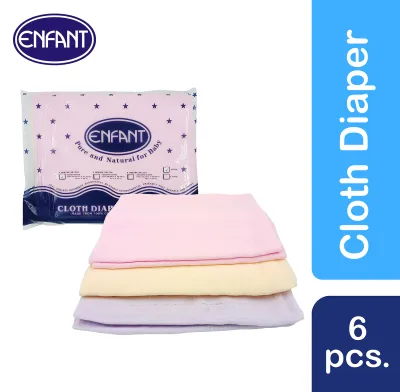
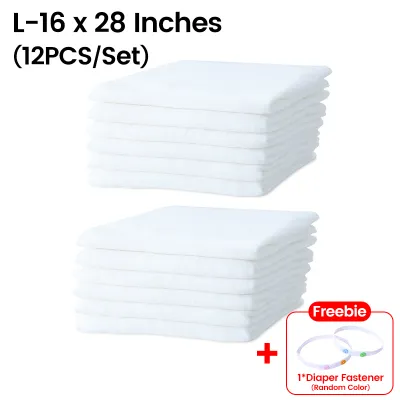
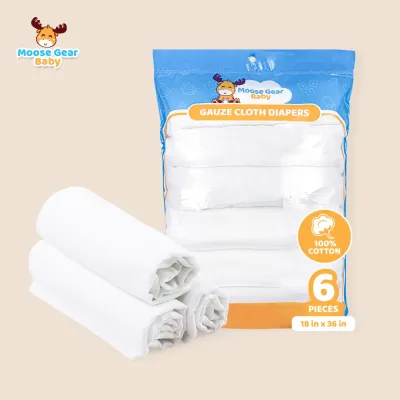
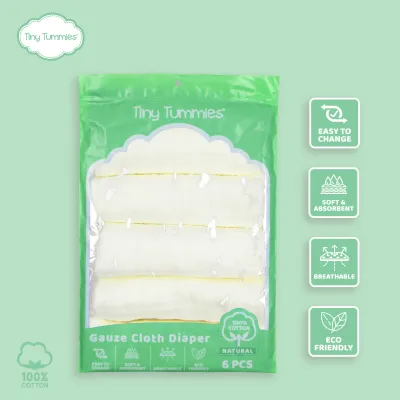
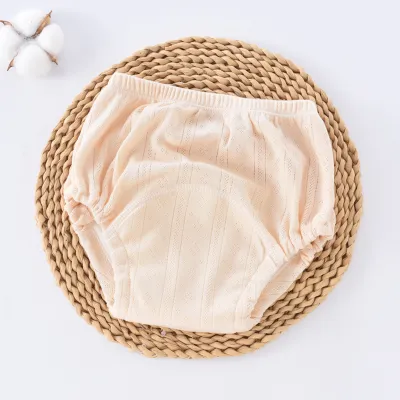
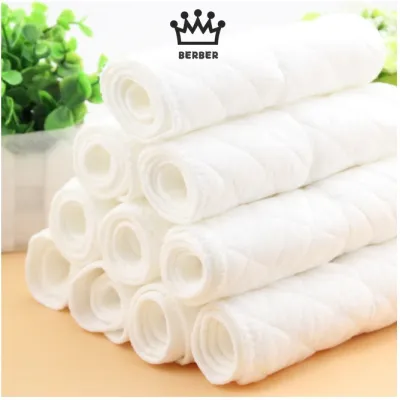
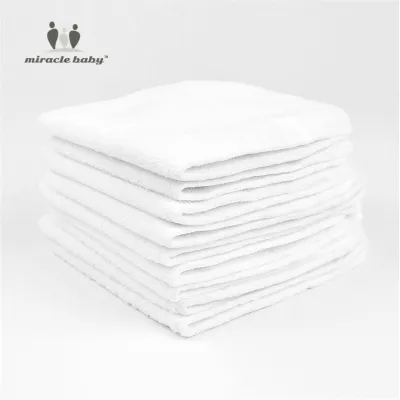
Prices are valid at publication and may change. Please refer to the product page for the latest price.
Pocket Diapers: Pocket diapers are highly popular due to their versatility. They consist of a waterproof outer layer and a soft inner lining, usually microfleece or athletic wicking jersey, that stays dry against your baby’s skin. Between these two layers is a pocket opening where you insert absorbent pads, known as inserts. This design allows you to customize the absorbency by adding more inserts for nighttime or heavy wetters. Because the inserts are removed for washing, pocket diapers dry relatively quickly compared to all-in-one designs.
All-in-Ones (AIOs): If you are looking for a system that closely mimics the convenience of a disposable diaper, All-in-Ones are the closest match. In an AIO diaper, the absorbent layers are sewn directly to the waterproof outer shell. There is no folding, stuffing, or assembly required. However, this convenience comes with two main trade-offs. First, they are generally the most expensive option per unit, with premium brands ranging from ₱500 to over ₱1,000 each. Second, because all the thick layers are permanently attached, they take significantly longer to dry. In the humid tropical climate of the Philippines, thick AIOs can take more than a day to air-dry completely, which is a vital factor to consider when planning your laundry cycle.
Verification and Fit: Regardless of the system you choose, never assume suitability based on age alone. Always verify the manufacturer’s specified weight ranges, age recommendations, and sizing charts before purchasing. A diaper designed for a newborn will not fit a chubby ten-month-old, and “one-size” diapers typically require snap adjustments to fit babies ranging from 3 to 15 kilograms. Proper sizing is essential to prevent leaks and skin chafing.
Building Your Starter Stash and Essentials
Determining how many diapers you need depends on your baby’s age, your planned washing frequency, and local weather patterns. Because newborns urinate frequently, they typically require 10 to 12 diaper changes per day. Older infants and toddlers generally go through 6 to 8 changes daily.

If you plan to wash your diapers every other day, you will need a starter stash of at least 20 to 24 diapers. This ensures you have enough clean diapers to use while the dirty ones are in the wash and hanging on the line. In the Philippines, where high humidity and sudden tropical rain showers can delay line-drying, having a slightly larger stash of 24 to 30 diapers provides a safe buffer so you never run out of clean options.
Beyond the diapers themselves, several accessories are essential for a smooth routine:
- Waterproof Wet Bags: These zippered, PUL-lined bags are essential for storing wet or soiled diapers when you are away from home. They trap moisture and odors effectively until you return to your laundry area.
- Diaper Liners: Reusable fleece liners or disposable, flushable bamboo liners sit on top of the diaper next to the baby's skin. They make solid waste cleanup simple, as you can lift the liner and shake the waste directly into the toilet.
- Well-Ventilated Diaper Pail: Instead of an airtight container, which traps moisture and encourages the growth of mold and strong ammonia odors, use a highly ventilated laundry basket or a large hanging mesh wet bag to store dirty diapers before wash day.
When purchasing these items, prioritize safety and chemical transparency. Always check product labels for material composition and skin-safety standards, such as Oeko-Tex certifications, rather than relying on generic marketing terms. Avoid products that do not clearly state their fabric blends, as synthetic materials can sometimes cause friction or heat rash in hot, humid climates.
Step-by-Step: How to Fit and Use a Cloth Diaper
Achieving a proper fit is the most effective way to prevent leaks and ensure your baby remains comfortable throughout the day. Follow these step-by-step instructions to apply a cloth diaper correctly:
Preparation: Before placing the diaper on your baby, prepare the absorbent core. For pocket diapers, stuff the inserts flat into the pocket without twisting or bunching them. For prefolds, fold the fabric into thirds and place it neatly inside the waterproof cover. Ensure that the inserts are flat and aligned according to your baby’s wetting patterns; for example, boys and tummy-sleepers often require more absorbency folded toward the front of the diaper.
Positioning: Slide the prepared diaper under your baby. Align the back of the diaper at the correct waist height, which is typically right at the belly button level. Ensure the back panel lies completely flat against your baby’s skin without any folding or bunching, which can cause discomfort or red marks.
Securing: Bring the front of the diaper up between your baby’s legs. Fasten the hip snaps or hook-and-loop closures symmetrically. Once fastened, perform a physical check of the leg gussets. Run your finger along the elastic edges and tuck the fabric into your baby’s leg creases, similar to how underwear fits. The elastics should sit in the groin crease, not on the thighs. Perform the “two-finger” snugness check: you should be able to easily slide two fingers horizontally between the diaper waistband and your baby’s tummy.
Verification: Because babies come in all shapes and sizes, always consult the specific brand’s fitting guide. Snap-down rise settings and wing placements differ significantly across models, and a setting that works on one brand may cause gaps on another.
Establishing a Reliable Washing Routine
Maintaining a clean, hygienic washing routine is essential to preserve fabric integrity, prevent odors, and protect your baby’s skin. This is especially true in tropical environments where heat and humidity accelerate bacterial growth.
Prep and Pre-Wash: For exclusively breastfed babies, waste is completely water-soluble and can go straight into the washing machine. Once your baby starts eating solid foods, you must shake or spray solid waste into the toilet before washing. To begin the laundry process, run a short, cold pre-wash or rinse cycle with a small amount of detergent. This initial cycle flushes away the bulk of the urine and organic waste, ensuring your main wash is done in clean water.
Main Wash: Follow the pre-wash with a heavy-duty, long cycle. Use warm water if possible, but stay strictly within the manufacturer’s temperature limits, usually 40°C to 60°C, to protect the waterproof PUL membranes from delaminating. Use a high-quality, cloth-safe laundry detergent without added fabric softeners, optical brighteners, or enzymes that might irritate sensitive skin. Never use fabric softeners or liquid fabric conditioners, as they coat the diaper fibers with a waxy layer that prevents water absorption. Avoid chlorine bleach unless specifically recommended by the manufacturer for sanitizing, as it can degrade elastics and fabrics over time.
Drying: Line-drying your diapers outdoors is highly recommended. The natural ultraviolet rays of the sun act as a mild, natural bleach that helps fade organic stains and sanitize the fabric. However, avoid leaving waterproof covers in direct, intense midday sunlight for extended periods, as extreme heat can warp the PUL lining and degrade the elastics. Ensure all inserts, prefolds, and covers are 100% dry before folding and storing them. Storing even slightly damp diapers in a humid environment will rapidly lead to mildew, mold, and sour odors.
Safety Boundary: If you encounter persistent ammonia smells after your baby urinates, or if your baby develops unexplained skin irritation, stop your current washing routine immediately. These are signs of detergent buildup or mineral accumulation. Check the diaper manufacturer’s troubleshooting guide for instructions on stripping the diapers to remove residue. If a skin rash persists or worsens, stop using cloth diapers temporarily and consult a pediatrician to address your baby’s skin health.
Troubleshooting Leaks and Skin Sensitivities
Even with careful preparation, you may occasionally experience leaks or skin sensitivities. Systematically troubleshooting these issues will help you identify the root cause quickly.
Leak Diagnosis: When troubleshooting a leak, first determine if it is a fit issue or an absorption issue. If the leak occurs shortly after putting the diaper on and the inserts are still mostly dry, it is a fit issue. Look for gaps around the legs or waist, or check if the baby’s clothing is tucked into the diaper, which can wick moisture outward. If the diaper leaks after two to three hours and the inserts are completely saturated, it is an absorption issue. You may need to add a bamboo or hemp booster to increase capacity, or simply change the diaper more frequently.
Repelling Issues: If liquid rolls off the diaper fabric instead of soaking in, your diapers are repelling. This is typically caused by detergent buildup, fabric softeners, or oil-based diaper creams. To test for this, lay a clean, dry diaper or insert flat on a table and pour a tablespoon of water onto it. If the water beads up and sits on top of the fabric rather than absorbing instantly, the fibers are coated. You will need to deep-clean or strip the diapers according to the manufacturer’s care instructions to restore absorbency.
Skin Care: While cloth diapers are highly breathable and gentle on the skin, prolonged contact with wet fabric can still cause diaper rash. Ensure you change your baby promptly every two to three hours, or immediately after a bowel movement. If your baby develops a rash that does not improve with frequent changes and air time, consult a healthcare professional or pediatrician. Avoid using unverified home remedies, which can exacerbate skin irritation.
Frequently Asked Questions (FAQ)
Can I Use Standard Diaper Rash Creams with Cloth Diapers?
Standard diaper rash creams containing petroleum, mineral oil, or high concentrations of zinc oxide are formulated to create a waterproof barrier on the skin. Unfortunately, if these ingredients transfer to your cloth diapers, they create the same waterproof barrier on the fabric, leading to severe repelling and leaks.
Before applying any cream, always check your specific diaper manufacturer’s warranty and care instructions, as using unapproved products can void your warranty. To protect your diapers, look for creams explicitly labeled as cloth-diaper-safe, which are typically made with natural oils that wash out easily. Alternatively, you can place a reusable microfleece or disposable liner between your baby’s skin and the diaper to act as a physical barrier, protecting the fabric while your baby’s skin heals.

Community discussion
Share your experience or ask a question. Comments are reviewed before publication.