
A 5-in-1 baby walker typically combines five distinct modes: a traditional wheeled walker, a stationary activity table, a bouncer, a swing, and a rocker. While all five modes sound highly versatile, your baby will actually use them based on their current physical milestones, such as sitting unsupported, standing with help, or cruising. Understanding how to safely transition between these modes ensures you get the most value out of this multi-functional gear while keeping your little one secure.
Quick Answer: The 5 Modes of a Multi-Function Baby Walker
A multi-function baby walker is designed to adapt as your child grows from a seated infant to an active toddler. The five core modes include:
- Walker Mode: A wheeled frame with a fabric seat that lets babies push themselves across the floor using their feet.
- Bouncer Mode: A spring-assisted or elastic-supported seat that allows vertical bouncing movements while stationary.
- Swing Mode: A suspended or pivoting frame that provides a gentle, back-and-forth swaying motion.
- Activity Table Mode: A stationary configuration where the seat is removed or locked, allowing the baby to stand and play with built-in toys.
- Rocker Mode: A curved base setup that allows a gentle rocking motion, often used to soothe a seated baby.
Each of these modes requires specific developmental readiness. For instance, seated modes require the baby to have strong head and neck control, while walking and standing modes require active leg strength. Direct adult supervision is mandatory across all configurations to prevent tipping or overexertion.
Products mentioned in this guide
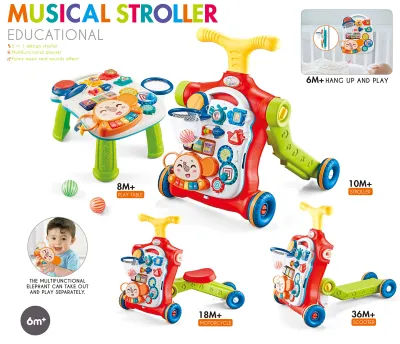
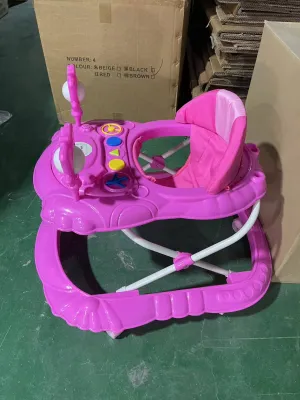
Prices are valid at publication and may change. Please refer to the product page for the latest price.
Decoding the 5 Functions: What Each Mode Actually Does
Walker and Activity Table Modes
The walker and activity table modes are designed to support early standing, cruising, and fine motor skills. In walker mode, the baby sits in a suspended fabric seat with their feet touching the floor, allowing them to practice leg coordination and movement. To ensure safe rolling, this mode requires flat, even floor surfaces, such as smooth tiles or polished wood. Thick rugs or uneven thresholds can catch the wheels and cause tipping.

In activity table mode, the device is locked in place or the seat is removed entirely, encouraging your baby to pull themselves up to a standing position. This helps build core strength and balance as they reach for the interactive toys on the tray.
Supervision is critical during these active phases. Tipping hazards are a major concern, especially near stairs, steps, or uneven floor transitions. You must block off these areas with secure baby gates.
Watch for signs that it is time to transition away from the walker mode. If your baby can walk independently, or if their chest rises above the top edge of the walker frame when standing, they have outgrown this function.
Bouncer, Swing, and Rocker Modes
The bouncer, swing, and rocker modes focus on stationary play and soothing movement. Bouncer mode utilizes built-in springs or flexible bands to let your baby practice vertical leg movements, which can help build lower-body strength. Swing and rocker modes provide gentle, rhythmic motions that can help soothe a restless baby while keeping them upright and engaged with the toy tray.
Safety in these seated modes relies heavily on proper harness usage. Always secure the multi-point safety harness snugly around your baby’s torso and crotch to prevent them from slipping down or climbing out.
Limit seated play sessions to short intervals, typically no more than 20 to 30 minutes at a time, to prevent physical fatigue and support healthy hip development.
You will know your baby has outgrown these bouncing or rocking motions when they attempt to climb out, can sit up completely unaided while resisting the harness, or exceed the manufacturer’s specified weight limit for these configurations.
Always check the base stability and locking mechanisms before placing your baby in these modes. Ensure the legs are locked securely into the stationary position, especially when transitioning from a rocking base to a stable bouncer setup on smooth tiled floors.
Matching Modes to Your Baby’s Developmental Stage
To get the most out of a 5 in 1 walker for baby, you must match each mode to your child’s physical milestones rather than relying solely on age guidelines.
Before using the bouncer, swing, or rocker modes, look for observable signs of readiness. Your baby must be able to hold their head up steadily without assistance and sit upright with minimal support. If their head flops forward or they slump to one side in the seat, their neck muscles are not yet strong enough, and you should delay using these modes.
For the walker and activity table modes, your baby should show a clear desire to bear weight on their legs. If they naturally push down with their feet when you hold them upright, they may be ready.
Be alert to red flags that indicate a mode is no longer appropriate. If your baby’s knees are deeply bent even at the highest seat adjustment, or if they can easily lift their feet completely off the ground while in the walker, they have outgrown the height limit.
As your baby grows, you must adjust the seat height and tray positions according to the manufacturer’s instructions. The ideal height setting allows the balls of your baby’s feet to touch the floor comfortably, rather than having their feet flat on the ground or barely reaching with their tiptoes. Regularly inspect the adjustment pins to ensure they are locked securely into place before each use.
Space, Safety, and Maintenance Checks
Convertible baby gear offers excellent versatility, but it requires careful physical management in your home. Before purchasing or converting your 5 in 1 walker for baby, evaluate the physical footprint of each mode. Some configurations, like the swing or rocker, may require a wider base area to operate safely without hitting nearby furniture or walls. Ensure you have a clear, open space free of electrical cords, sharp corners, and household hazards.
Always locate and verify the manufacturer’s maximum weight, height, and age limits. These limits are usually printed on a fabric label sewn into the seat or stamped onto the plastic underside of the frame. Never exceed these specifications, as doing so compromises the structural integrity of the walker and increases the risk of tipping or mechanical failure.
Regular maintenance is essential to keep the gear hygienic and safe. Removable fabric seats should be washed according to the manufacturer’s care label, typically using a gentle cycle with mild detergent and air-drying to prevent shrinkage. Wipe down the plastic activity trays and toys daily with a damp cloth and mild soapy water, avoiding harsh chemicals that could degrade the plastic or harm your baby. Check the wheels regularly for hair, dust, or debris that could block smooth rolling.
Frequently Asked Questions (FAQ)
Is it safe to leave my baby unattended in the bouncer or swing mode?
No, it is never safe to leave your baby unattended in any mode of a multi-function walker. Direct, active adult supervision is required at all times. Additionally, seated modes are not approved for unsupervised sleep. If your baby falls asleep while bouncing, swinging, or rocking, immediately transfer them to a safe, flat sleep surface, such as a crib or bassinet, to prevent positional asphyxiation.
At what weight or height should I stop using the walker mode?
You must stop using the walker mode as soon as your baby reaches the maximum weight or height limit specified in your product manual. Physical signs that your baby has outgrown the walker include their toes dragging heavily, their knees remaining bent even at the highest setting, or their chest rising above the top edge of the safety frame. If the frame shows any signs of instability or bending under your baby’s weight, discontinue use immediately.

Community discussion
Share your experience or ask a question. Comments are reviewed before publication.