
Preparing for the arrival of a new baby is an exciting journey, but packing your hospital maternity bag can feel overwhelming. In the Philippines, where tropical heat outside contrasts sharply with heavily air-conditioned hospital rooms, finding the right balance of comfort, utility, and local hospital compliance is key. A well-prepared maternity bag ensures that you, your partner, and your newborn have everything needed for a smooth, stress-free stay from admission to discharge.
When to Pack and How to Choose Your Bag
Timing is everything when preparing for labor. It is highly recommended to have your maternity bag fully packed and sitting by the door between your 32nd and 36th week of pregnancy. Babies often decide to arrive on their own schedule, and having your essentials ready early prevents the panic of last-minute packing during early contractions.
Choosing the right container is just as important as what goes inside it. Philippine hospital rooms, especially semi-private rooms or ward settings, often have limited storage space. A medium-sized duffel bag or a compact rolling suitcase is usually ideal because they can fit easily under a bed or in a small bedside locker. A dedicated, spacious diaper bag with multiple exterior pockets is also excellent for keeping immediate baby essentials within arm’s reach.
Products mentioned in this guide
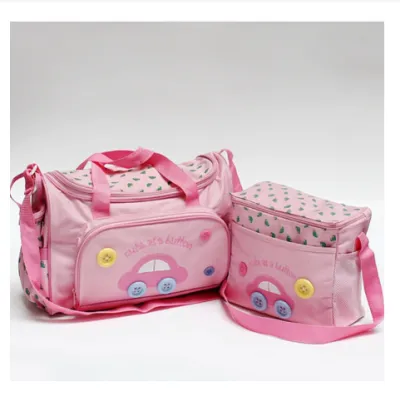
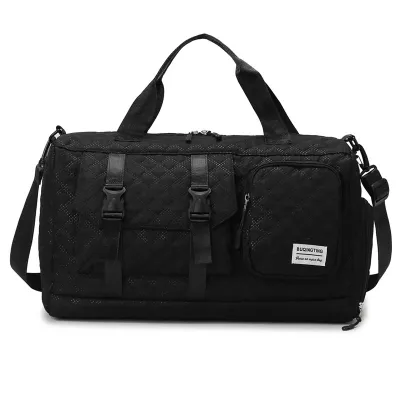
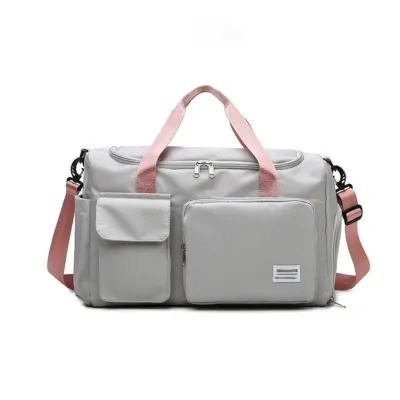
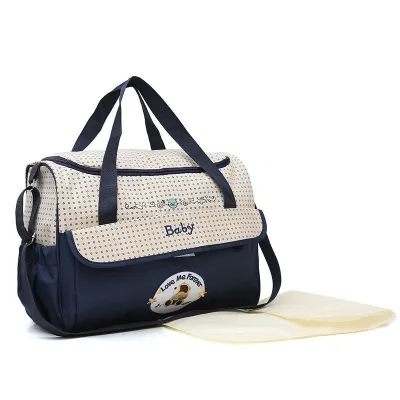
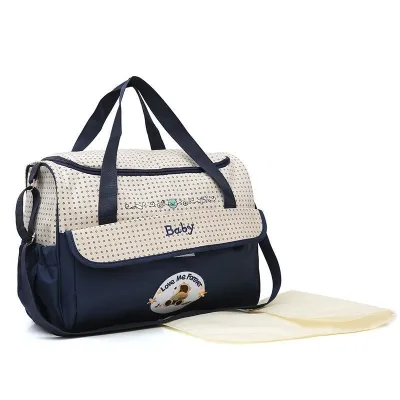
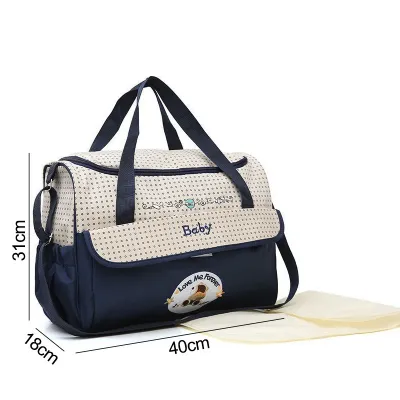
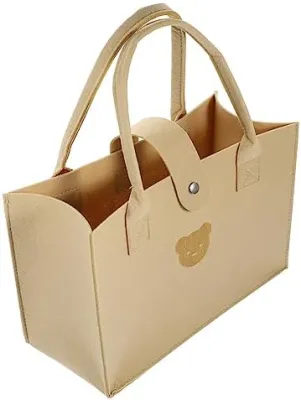
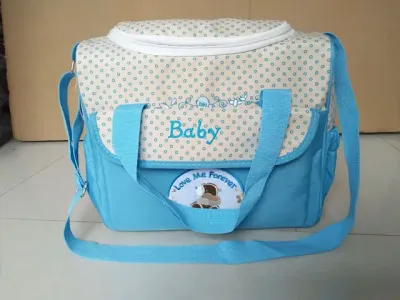
Prices are valid at publication and may change. Please refer to the product page for the latest price.
To keep everything organized, utilize packing cubes or color-coded zippered pouches. Grouping items into distinct categories—such as one pouch for the mother’s postpartum care, one for the newborn’s first outfits, and another for essential administrative documents—saves precious time. This system allows your birth partner or a nurse to find exactly what you need without rummaging through a disorganized pile of clothes.
Essential Documents and Hospital Admission Requirements
Before you can settle into your room, you must navigate the hospital admission process. Having a dedicated, waterproof document organizer is the best way to keep your paperwork secure and accessible. You will need to present valid government-issued identification cards for both parents, your marriage certificate if applicable, and all relevant health insurance or PhilHealth forms to ensure smooth billing.

Your medical history is crucial for the attending medical team. Always pack your complete prenatal records, including your maternal health booklet, recent ultrasound results, laboratory clearance sheets, and blood type records. These documents provide immediate, vital information to the on-duty obstetrician and nurses, especially if your primary doctor is still on the way to the delivery room.
Hospital policies regarding admission deposits and payment methods vary widely across the Philippines. Some private institutions require an initial deposit upon admission, while others only settle accounts upon discharge. It is wise to call your chosen hospital or lying-in clinic ahead of time to verify their specific financial policies, accepted payment methods, and required admission forms.
Finally, keep a physical list of emergency contacts and your chosen pediatrician’s details inside your document folder. While most people rely on mobile phones, battery failures or poor signal in concrete hospital buildings can happen. Having these numbers written down ensures your support team can quickly coordinate with your baby’s doctor as soon as the delivery is complete.
Must-Have Clothing and Care Items for the Mother
Comfort is your absolute priority during labor and postpartum recovery. The tropical climate of the Philippines demands lightweight, breathable fabrics like cotton or bamboo that help manage sweat and humidity. Pack loose-fitting gowns or button-down pajamas that open at the front, as these designs allow easy access for skin-to-skin contact and breastfeeding sessions.
Postpartum hygiene requires specialized care items that differ significantly from standard sanitary products. You will need heavy-duty maternity pads or adult diapers to manage postpartum bleeding, which is typically heavy in the first few days. Pair these with disposable mesh underwear, which holds pads securely in place without ruining your regular clothing and can be easily discarded after use.
Perineal care is essential for comfort and healing after a vaginal delivery. Pack a squeeze bottle, often called a peri bottle, to gently cleanse the area with warm water after using the restroom. You may also want to include mild, fragrance-free feminine wash or any specific antiseptic solutions recommended by your obstetrician during your prenatal checkups.
Do not forget to pack practical footwear and supportive undergarments. Hospital floors can be cold and slippery, so a pair of non-slip rubber slippers or slides is essential for walking around the room and using the bathroom. Additionally, pack at least two comfortable, wire-free nursing bras that offer gentle support and easy-access clips for nursing your newborn.
Newborn Essentials for the Hospital Stay
Preparing your baby’s first wardrobe requires focusing on simplicity and temperature control. Newborns cannot regulate their body temperature well, so they need soft, breathable layers. Pack three to four sets of cotton tie-side tops or onesies, which are easy to put on without pulling over a sensitive newborn head. Complete these outfits with soft cotton mittens and booties to prevent the baby from scratching their face and to keep their tiny extremities warm.
Diapering is another major consideration for your newborn’s stay. Pack a pack of newborn-sized disposable diapers, alcohol-free baby wipes, and a gentle diaper rash cream to protect sensitive skin. While some private hospitals provide a basic starter kit with diapers and wipes, many public hospitals and lying-in clinics require you to bring your own supply, so it is always safest to pack a generous amount.
Air-conditioned recovery rooms and nurseries can feel quite chilly for a newborn. Bring two or three lightweight cotton swaddles or receiving blankets to wrap your baby snugly. Swaddling helps mimic the security of the womb, keeping your baby calm and warm while allowing room for natural hip movement.
For the journey home, prepare a special going-home outfit. Choose a lightweight, light-colored cotton set that protects the baby from the outdoor tropical heat and sun while remaining comfortable in the car. Always check the manufacturer’s guidelines on any infant car seat or carrier you plan to use for the ride home to ensure a secure fit.
Tropical Climate and Comfort Extras
While the Philippine heat is intense outside, hospital air conditioning is notoriously cold, especially in delivery rooms, operating theaters, and recovery wards. To stay comfortable, pack a lightweight jacket, a cozy cardigan, or a couple of pairs of warm socks. These layers are easy to slip on and off as your body temperature fluctuates during and after labor.
A multi-day hospital stay can leave you feeling drained, making personal care extras highly valuable. Pack a small toiletry bag with travel-sized shampoo, conditioner, body wash, a toothbrush, and toothpaste. Including a moisturizing lip balm is highly recommended, as breathing through labor contractions and resting in dry, air-conditioned rooms can quickly cause chapped lips. Dry shampoo is also a convenient option for refreshing your hair when a full shower is not yet permitted.
Labor and recovery require significant energy, so having quick sources of nourishment is essential for both you and your companion. Pack a stash of non-perishable, easy-to-eat snacks like oatmeal bars, crackers, and dried fruits. A sturdy, reusable water bottle is another must-have, allowing you to stay hydrated throughout your stay without constantly relying on single-use plastic bottles.
What to Leave at Home
When packing your maternity bag, knowing what to leave behind is just as important as knowing what to bring. Overpacking creates unnecessary clutter in small hospital rooms and makes checking out more difficult. Avoid bringing an excessive number of elaborate baby outfits, as newborns spend most of their first days in simple swaddles and basic onesies.
Security should be a primary concern during your hospital stay. Leave expensive jewelry, high-end electronics, and large amounts of cash at home to prevent loss or theft in busy hospital environments. Keep only enough cash—perhaps a few thousand pesos in smaller denominations like ₱100 and ₱500 bills—for minor expenses, parking fees, or quick food runs.
Finally, keep bulky baby gear out of your immediate hospital bag. Items like full-size strollers, bulky baby nests, or infant car seats should remain in your car trunk or at home until the day of discharge. Bringing these large items into your room early only restricts movement and complicates the work of the medical staff caring for you.
Frequently Asked Questions (FAQ)
Do I need to bring my own breast pump to the hospital?
While many hospitals in the Philippines have hospital-grade breast pumps available for patient use, bringing your own manual or portable electric breast pump can be highly beneficial. Having your own pump ensures maximum hygiene and allows you to become familiar with your own equipment under the guidance of a lactation consultant. It is always best to check with your specific maternity ward beforehand to see what equipment they provide and if they allow personal pumps in the recovery room.
How many days of clothes should I pack for a normal delivery versus a C-section?
The length of your hospital stay depends heavily on your delivery method. For a standard, uncomplicated vaginal delivery, you will typically stay in the hospital for 1 to 2 days, so packing 3 days of clothing is usually sufficient. For a Cesarean section, the recovery period is longer, typically requiring a stay of 3 to 4 days. In this case, pack at least 5 days of comfortable clothing and extra maternity pads to account for any unexpected recovery delays.

Community discussion
Share your experience or ask a question. Comments are reviewed before publication.