
Choosing between Youmiso wipes and other brands for sensitive skin requires looking past marketing claims and systematically verifying ingredient lists, material texture, and how your baby’s skin reacts. There is no single wipe that works universally for every infant, as sensitive skin is highly individual and reacts differently to various formulations. Parents must learn to inspect packaging, calculate value, and perform safe patch tests to find the right match for their child’s specific needs.
In warm, humid climates like the Philippines, baby skin is highly prone to sweat rash, diaper dermatitis, and friction irritation. This tropical environment makes the choice of baby wipes even more critical, as trapped moisture combined with harsh chemicals can quickly exacerbate skin issues. Selecting a wipe that balances effective cleansing with skin barrier protection is essential for daily comfort.
Understanding Sensitive Skin Needs in Baby Wipes
Delicate baby skin has a much thinner outer barrier than adult skin, making it highly susceptible to chemical absorption and physical friction. When the skin barrier is compromised, irritants can easily penetrate the deeper layers, leading to redness, itching, and painful rashes. Understanding what goes onto your baby’s skin is the first step in preventing these common dermatological issues.
Products mentioned in this guide
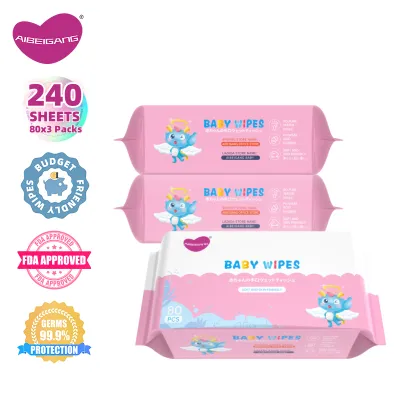
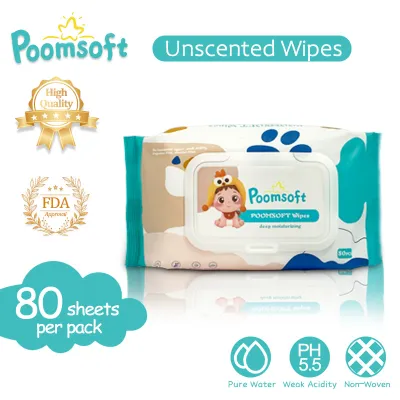
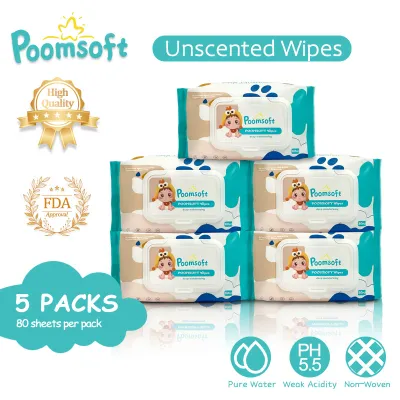
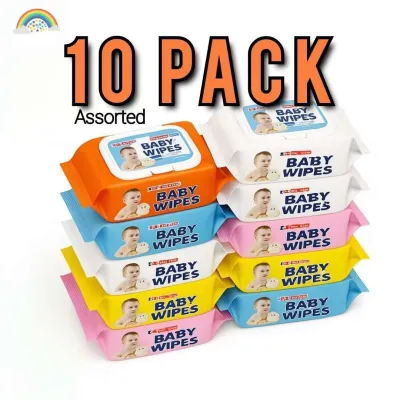
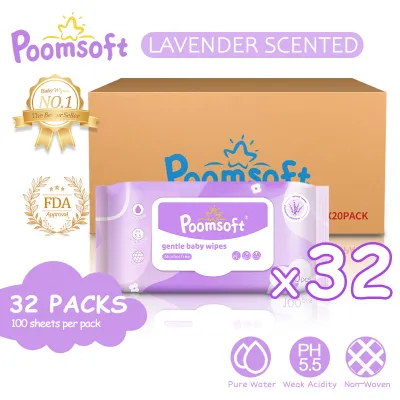
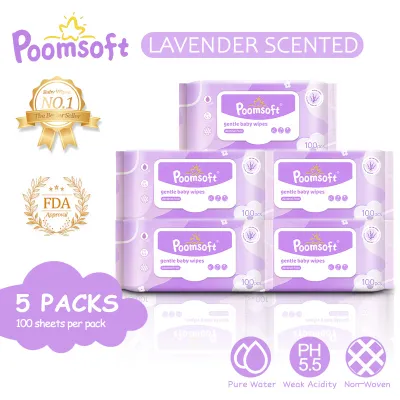
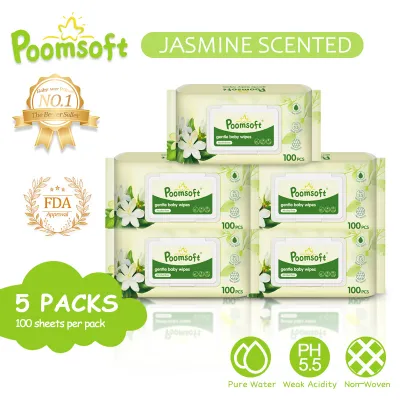
Prices are valid at publication and may change. Please refer to the product page for the latest price.
Fragrances are among the most common triggers for contact dermatitis in infants. Even products labeled as “natural” or “organic” can contain botanical fragrances or essential oils that irritate sensitive skin. Alcohol is another ingredient to avoid, as it strips away the skin’s natural lipids, leaving the area dry, cracked, and vulnerable to infection.
Preservatives are necessary in wet wipes to prevent the growth of harmful bacteria and mold in a moist environment. However, some preservatives, such as parabens, methylisothiazolinone (MIT), or formaldehyde releasers, are known sensitizers. Parents should look for alternative, milder preservative systems that keep the product sterile without triggering allergic reactions.
Physical friction during wiping can cause micro-tears in the skin, especially during frequent diaper changes. A thin, rough wipe requires more wiping strokes and physical pressure, which physically damages the skin barrier. Thicker, softer materials glide more easily across the skin, lifting residue with minimal passes and reducing mechanical irritation.
Healthy baby skin maintains a slightly acidic pH, typically between 5.0 and 5.5. Wipes formulated to match this natural pH help preserve the acid mantle, which acts as a defense mechanism against harmful bacteria and yeast. Using highly alkaline wipes can disrupt this balance, making the diaper area more susceptible to yeast infections and diaper rash.
Evaluating Youmiso Wipes for Sensitive Skin
To determine if Youmiso wipes are suitable for your baby, start by turning the package over to inspect the full ingredient list. Do not rely solely on front-of-pack marketing claims like “gentle” or “for sensitive skin.” Verify that the ingredients do not list added synthetic perfumes, drying alcohols, or preservatives that your baby has previously reacted to.

Assess the physical material of the wipe by pulling a single sheet from the pack. Feel the texture between your fingers to evaluate its softness and elasticity. A high-quality wipe for sensitive skin should feel plush rather than synthetic or plastic-like, and it should have enough structural integrity that your fingers do not easily poke through during use.
Check the thickness of the wipe by holding it up to the light. Thicker wipes generally hold more moisture and provide a better barrier between your hand and the mess, which helps minimize the number of wipes needed per change. Fewer wipes used means less friction applied to the baby’s delicate skin.
Look for relevant dermatological testing labels or hypoallergenic certifications printed on the Youmiso packaging. Because standards for these labels can vary, treat them as claims to verify rather than absolute guarantees of safety. Check the manufacturer’s official product documentation or website to understand what specific testing protocols were used to back up these claims.
Pay close attention to any age or usage guidelines provided by the manufacturer. Some wipes are formulated specifically for older babies and may not be recommended for newborns. Always follow the manufacturer’s instructions regarding diaper-area use, facial use, and proper disposal to ensure safe daily application.
Comparing Youmiso Against Competing Wipe Brands
When comparing Youmiso wipes to other brands available on online marketplaces or in local supermarkets, ingredient transparency is a primary differentiator. Some brands provide a detailed breakdown of every ingredient and its purpose, while others use vague terms like “fragrance” or “conditioning agents.” Prioritize brands that offer complete transparency so you know exactly what touches your baby’s skin.
Compare the presence of soothing agents across different brands. Many sensitive-skin wipes incorporate ingredients like aloe vera, chamomile, or calendula to help calm irritated skin. If Youmiso or a competitor includes these botanical extracts, verify that they are not accompanied by unwanted synthetic additives or masking fragrances that could counteract the soothing benefits.
Moisture retention is another critical factor, especially in tropical climates where heat can cause opened packs of wipes to dry out quickly. Compare the packaging seals of different brands. A sturdy plastic flip-top lid generally provides a much better seal than a simple adhesive peel tab, preventing evaporation and ensuring that the last wipe in the pack is just as moist as the first.
Evaluate the durability and stretch of the wipes during heavy-duty cleaning tasks. A wipe that tears easily or rolls up during use can cause accidental contact with messes, leading to hygiene issues and increased frustration. Test how much tension a wipe can handle before losing its shape or tearing apart.
To find the most cost-effective option without compromising on quality, calculate the cost per wipe rather than comparing pack prices directly. Use this simple formula:
$$\text{Cost per Wipe} = \frac{\text{Pack Price (₱)}}{\text{Total Sheet Count}}$$
Compare this metric across Youmiso and alternative brands on your preferred ecommerce platform to determine which product offers the best balance of physical quality and long-term household value.
How to Test and Transition Wipes Safely
Before introducing Youmiso wipes—or any new brand—to a baby with sensitive skin, it is highly recommended to perform a localized patch test. Choose a small, less sensitive area of the baby’s body, such as the outer thigh or the upper arm, rather than testing directly on the highly sensitive diaper area or face.
Gently swipe a single wipe over the chosen test area once or twice, then allow the skin to dry naturally. Do not apply any other lotions, creams, or powders to this specific spot during the testing period, as this could mask or confuse the results of the patch test.
Monitor the test area closely over the next 24 hours for any observable signals of skin irritation. Look for localized redness, dry or flaky patches, tiny raised bumps, or swelling. Additionally, observe your baby for signs of discomfort, such as scratching at the test area or increased fussiness when the spot is touched.
If you observe any signs of irritation, discontinue use of the wipes immediately. Flush the affected skin with clean, lukewarm water to remove any remaining residue, and gently pat the area dry with a clean, soft towel. Do not rub the skin, as this will worsen the irritation.
Define clear stop-conditions for any wipe product you use. If your baby develops a persistent rash, broken skin, oozing, or extreme discomfort that does not improve within 24 hours of discontinuing the wipes, consult a pediatrician or qualified healthcare professional. Never attempt to treat severe skin reactions with over-the-counter medicated creams without professional medical guidance.
Decision Framework: Choosing the Right Wipes
Consider choosing Youmiso wipes if your inspection of their ingredient list reveals no known allergens for your baby, the physical thickness meets your standards for mess management, and the calculated cost per wipe fits comfortably within your monthly budget. They are a practical option for daily maintenance when skin is healthy and unbroken.
Opt for specialized medical-grade or water-only wipes if your baby has an active history of severe eczema, extreme chemical sensitivities, or frequent allergic contact dermatitis. These specialized products typically feature minimal ingredient lists designed to minimize the risk of triggering flare-ups on highly reactive skin.
Pause and verify your choices if a pack of wipes lacks a complete, legible ingredient list, or if the packaging seal is broken upon delivery. If your baby is currently experiencing an active, painful diaper rash, temporarily stop using all commercial wet wipes. Instead, use plain water and soft cotton pads to clean the area until the skin has fully healed, and consult your pediatrician for an appropriate care plan.
Frequently Asked Questions (FAQ)
Can I use Youmiso wipes on a newborn's face?
The skin on a newborn’s face is significantly thinner and more sensitive than the skin on their diaper area or limbs. Always check the manufacturer’s packaging for specific age recommendations and usage warnings regarding facial application. If the label does not explicitly state that the wipes are safe for newborn facial use, it is safest to use a soft cotton pad moistened with plain, lukewarm water instead to avoid irritating their delicate eyes and mouth.
Do thicker wipes always mean they are better for sensitive skin?
Physical thickness is excellent for reducing friction and protecting your hands during cleanups, but it does not guarantee chemical gentleness. A very thick wipe can still contain fragrances, alcohol, or preservatives that trigger contact dermatitis. For the best results, always balance a soft, durable physical texture with a clean, minimal, and verified ingredient list that aligns with your baby’s specific skin tolerances.
Community discussion
Share your experience or ask a question. Comments are reviewed before publication.