
Quick Answer: Is the Yootree Y5 the Right Budget Portable Pump for You?
The Yootree Y5 breast pump is designed primarily for mothers in the Philippines who need an affordable, portable electric pump that balances cost and convenience. For those balancing work, household duties, or travel, finding a reliable breast pump within a reasonable budget is a common challenge. The Y5 addresses this by offering essential features such as adjustable suction levels, multiple modes, and a rechargeable battery, making it a highly competitive entry-level option.
However, determining if this specific model is the right choice depends on your daily pumping frequency and physical needs. While the Y5 provides excellent value for occasional pumping, secondary use, or on-the-go sessions, exclusive pumpers—who rely entirely on a machine to maintain their milk supply—should carefully evaluate its motor longevity and suction consistency against hospital-grade standards.
Before committing to a purchase, you must verify that the pump’s technical specifications and physical dimensions align with your body. Specifically, flange compatibility and motor durability are critical factors that vary from person to person. This comparison guide will help you weigh the Yootree Y5 against generic budget alternatives, ensuring you make an informed decision that supports your breastfeeding journey without straining your finances.
Products mentioned in this guide
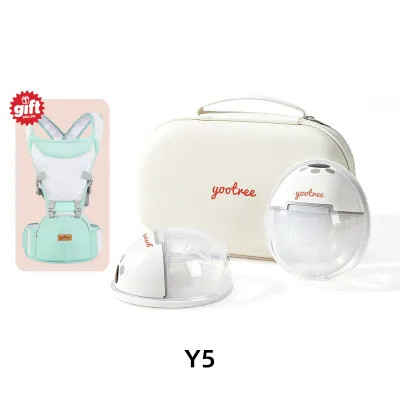
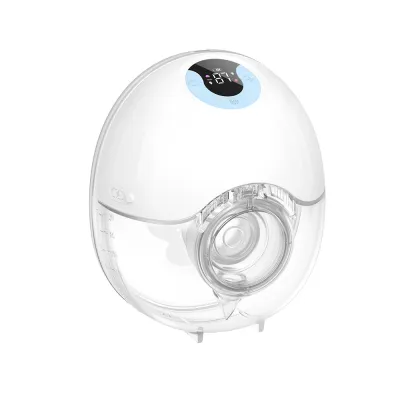
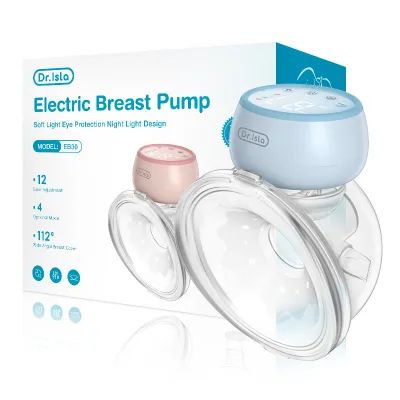
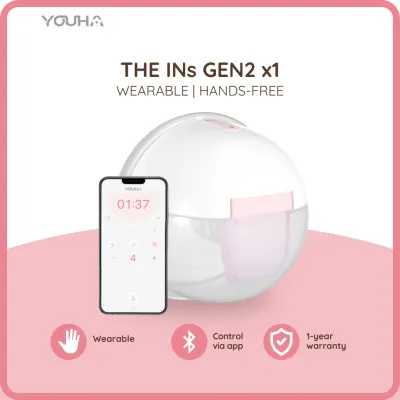
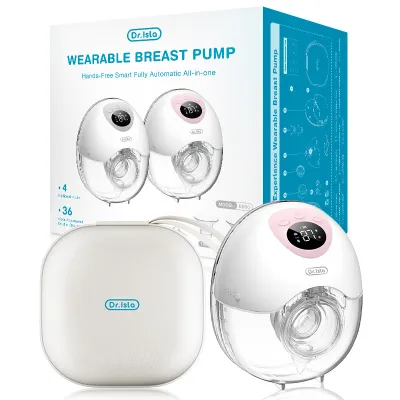
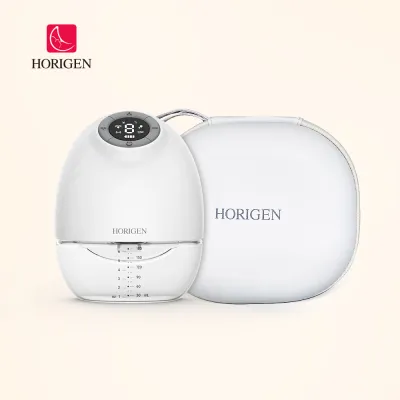
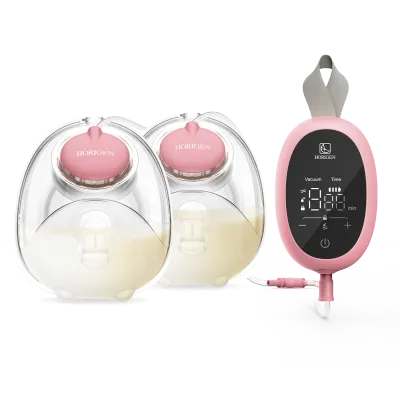
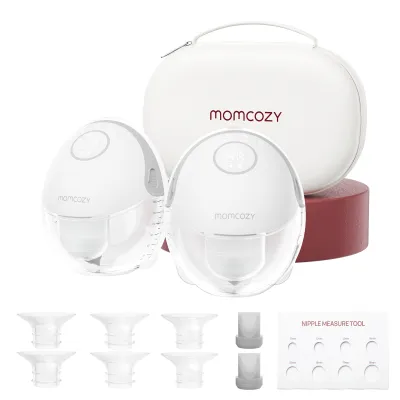
Prices are valid at publication and may change. Please refer to the product page for the latest price.
Essential Specifications and Safety Checks Before Purchase
When shopping for a portable electric breast pump, looking beyond marketing claims is essential. Instead, focus on the technical specifications listed on the product label or the official manufacturer documentation. One of the first parameters to evaluate is the battery capacity, typically measured in milliampere-hours (mAh). A higher mAh rating generally indicates longer operational time between charges, which is vital if you pump outside the home, during commutes, or during power outages.

For example, a battery capacity of 1200mAh can typically power a breast pump for about 90 to 120 minutes of cumulative use. This translates to approximately three to four 30-minute pumping sessions before requiring a recharge. In contrast, smaller batteries around 800mAh may only last for two sessions, which might not be sufficient if you are away from a power source for an entire day.
When charging your pump’s lithium-ion battery, pay close attention to the recommended input voltage and current, which is typically 5V/1A or 5V/2A. Using a high-voltage fast-charging block designed for modern smartphones can overheat the pump’s internal battery, reducing its overall lifespan or causing it to swell. In the tropical climate of the Philippines, where ambient temperatures are naturally higher, it is especially important to charge the device in a cool, well-ventilated area and avoid leaving it plugged in overnight.
Another critical specification is the suction pressure range, measured in millimeters of mercury (mmHg). While a higher maximum suction pressure might seem desirable, clinical comfort is achieved through a range that allows you to express milk efficiently without causing discomfort. Standard comfortable suction ranges for most mothers fall between 100 mmHg and 250 mmHg; suction levels exceeding 300 mmHg can cause physical pain and tissue damage, which can actually inhibit milk flow.
You should also verify the available pumping modes, ensuring the device offers distinct phases such as a rapid, light stimulation mode to trigger let-down, and a slower, deeper expression mode to draw out milk. The stimulation mode typically operates at a faster speed (70 to 120 cycles per minute) with lower suction, mimicking a hungry baby’s initial quick sucks. Once milk begins to flow, transitioning to the expression mode (30 to 60 cycles per minute) with higher suction allows for efficient milk extraction.
Material safety is paramount when selecting any infant feeding accessory. Always confirm that the pump’s parts—including the flanges, duckbill valves, silicone diaphragms, and collection bottles—are explicitly labeled as food-grade and BPA-free. Because these components come into direct contact with breast milk, using certified non-toxic materials prevents chemical leaching, protecting your baby’s health. Look for clear material markings, such as the polypropylene (PP) recycling symbol (number 5) or medical-grade silicone labels on the accessories.
Additionally, verify whether the pump features a closed-system design. A closed system utilizes a physical barrier, such as a silicone diaphragm, to prevent breast milk and moisture from backflowing into the tubing and the motor unit. This design is highly recommended because open systems can allow milk to enter the motor, creating a breeding ground for mold and bacteria that are impossible to clean, ultimately ruining the device and compromising hygiene.
Finally, consider the practical aspects of purchasing in the Philippines. When buying from third-party sellers on online marketplaces, carefully check the local warranty terms, return policies, and the availability of official after-sales support. Ensure that replacement parts, such as valves and diaphragms, are readily accessible in the local market, as these components require regular replacement to maintain proper suction.
Suction Performance, Modes, and Comfort Considerations
Efficient milk expression relies heavily on how well a breast pump mimics a baby’s natural nursing rhythm. Infants typically begin nursing with fast, light sucks to stimulate the breast and trigger the let-down reflex, followed by slower, deeper draws once the milk starts flowing. A high-quality portable pump should offer adjustable suction levels and cycle speeds across both stimulation and expression modes, allowing you to customize the settings to your body’s response.
When evaluating the Yootree Y5, examine the user manual or verified user feedback to understand how its specific modes operate. Some budget pumps feature a combined mode that alternates between stimulation and expression, which some mothers find highly effective, while others prefer manual control over each phase. It is important to remember that higher suction does not automatically equate to more milk; in fact, excessive suction can cause pain, which triggers stress and inhibits the let-down reflex, reducing your overall yield.
The physiological connection between comfort and milk yield is highly significant. When you are stressed, cold, or experiencing pain from an ill-fitting flange, your body releases adrenaline. Adrenaline actively inhibits the release of oxytocin, the hormone responsible for contracting the milk ducts and triggering the let-down reflex. Therefore, starting your session with a gentle massage mode and ensuring a comfortable, pain-free fit is not merely a matter of personal comfort—it is a biological requirement for maximizing your milk output.
Flange sizing is perhaps the most critical factor influencing both comfort and milk output, yet it is frequently overlooked. The flange is the funnel-shaped plastic or silicone piece that fits directly over your breast. If the flange is too small, your nipple will rub against the tunnel, causing friction, pain, and potential tissue damage. If it is too large, too much of the areola will be drawn into the tunnel, compressing the milk ducts and restricting flow.
To ensure a proper fit, you must measure the diameter of your nipple at the base (excluding the areola) using a ruler or a printable sizing tool, preferably after a pumping or nursing session when the nipple is fully expanded. Once you have this measurement, check if the Yootree Y5 package includes multiple flange sizes or compatible silicone inserts. If the standard size included in the box does not match your measurements, you will need to verify if third-party inserts are compatible with the Y5 shield design before purchasing.
To measure your nipple accurately, follow these steps:
- Prepare a measuring tool: Use a ruler with millimeter markings or a dedicated nipple caliper.
- Measure the base: Place the ruler across the center of your nipple and measure its diameter at the base, excluding the surrounding areola.
- Add clearance: Add 2mm to 3mm to your measurement to find your starting flange size. For example, if your nipple base measures 21mm, a 24mm flange is generally a suitable starting point.
- Observe during use: When pumping, your nipple should move freely in the tunnel without rubbing against the sides, and minimal areola should be drawn in.
Never ignore discomfort or pain during pumping. If you experience persistent soreness, skin chafing, or a sudden drop in milk supply, stop using the device immediately and consult a certified lactation consultant or healthcare professional. A professional can help identify whether the issue stems from incorrect flange sizing, improper suction settings, or an underlying physical condition.
Portability, Build Quality, and Daily Usability
For mothers who need to pump at work, during commutes, or in public spaces, portability and discretion are essential considerations. A truly portable pump must be lightweight and compact enough to fit easily into a standard diaper bag or purse. Additionally, the noise level of the motor during operation is crucial; a quiet motor allows you to pump discreetly without drawing unwanted attention, especially in shared office environments or quiet rooms.
In the Philippines, many workplaces and public areas provide dedicated lactation rooms in compliance with Republic Act 10028 (the Expanded Breastfeeding Promotion Act of 2009). However, if you find yourself pumping in a less-than-ideal space, having a quiet, compact pump with a long-lasting battery makes the experience significantly less stressful.
Battery management is another key aspect of daily usability. Consider how many pumping sessions a single full charge can support. A reliable portable pump should ideally last through three to four 20-minute sessions, covering a standard workday. The convenience of USB charging cannot be overstated, as it allows you to recharge the device using a power bank, a laptop, or a car charger, eliminating the need to carry a bulky, proprietary power adapter.
Once you have successfully expressed milk, proper storage is critical, especially given the warm and humid climate in the Philippines. Freshly expressed breast milk can safely remain at room temperature (up to 25°C) for up to four hours. If you are pumping at work, store the milk immediately in a refrigerator (where it can keep for up to four days) or an insulated cooler bag packed with frozen ice gel packs. For long-term storage, a dedicated freezer can preserve the milk for up to six months. Always label the storage bags with the date and time of expression to ensure you use the oldest milk first.
Maintaining strict hygiene is vital to protect your infant from foodborne illnesses. You must thoroughly clean and sterilize all pump parts that come into contact with breast milk after every use. These parts typically include the breast shields, silicone valves, diaphragms, and collection bottles. Before cleaning, consult the manufacturer’s care instructions to determine which components can withstand boiling water, steam sterilization, or top-rack dishwashing, and which must only be washed by hand with warm, soapy water.
To clean and sterilize your pump parts safely, follow this standard routine:
- Rinse immediately: Rinse all disassembled parts with cold water right after pumping to prevent milk proteins from drying and sticking.
- Wash thoroughly: Wash each part in warm, soapy water using a dedicated brush reserved only for baby feeding items.
- Rinse again: Rinse all parts under clean running water to remove any soap residue.
- Sterilize: Use a steam sterilizer, a UV sterilizer, or submerge the parts in boiling water for five minutes. Note that frequent UV sterilization can degrade silicone parts faster than steam or boiling.
- Air dry: Allow all components to air dry completely on a clean, dedicated drying rack or paper towel before reassembly.
In contrast, the electronic motor unit and any external tubing must never be submerged in water or placed in a sterilizer. The motor unit should only be wiped down with a clean, damp cloth to remove dust or smudges. If your pump uses tubing, ensure it remains completely dry; if moisture or condensation appears inside the tubing, run the pump for a few minutes with the tubing attached but disconnected from the collection kit to air it out, or replace it if mold is detected.
Furthermore, pay close attention to the durability of the silicone components, particularly the duckbill valves and membranes. In the warm, humid climate of the Philippines, silicone parts can degrade more rapidly due to frequent washing and sterilization. These parts are subject to constant stretching during operation, and even microscopic tears or minor stretching can lead to a significant loss of suction. Keep a stock of spare valves and membranes on hand to avoid unexpected disruptions to your pumping routine.
Comparing the Yootree Y5 to Other Portable Pumps in the Same Price Range
To evaluate whether the Yootree Y5 offers the best value for your budget, it is helpful to compare its features systematically against other portable electric pumps in the same price segment. Many entry-level pumps may look similar on the surface, but key differences in internal design, battery technology, and included accessories can significantly impact your daily experience.
When browsing online marketplaces, use the following comparison framework to analyze and contrast the Yootree Y5 with alternative budget-friendly options:
| Comparison Dimension | Yootree Y5 Specification / Feature | Budget Alternative A (Generic Wearable) | Budget Alternative B (Standard Portable) |
|---|---|---|---|
| Pump Design Type | Portable motor with tubing and bottle assembly | Wearable in-bra cup design (tubeless) | Compact desktop motor with tubing |
| Suction Levels | Multi-level adjustable suction (massage & expression) | Variable levels, often fewer adjustments | Multi-level adjustable suction |
| System Barrier | Closed-system with physical backflow protector | Closed-system integrated into cup | Open or closed-system (must verify) |
| Battery Type | Built-in rechargeable lithium-ion battery | Built-in rechargeable lithium-ion battery | Built-in battery or AA battery operated |
| Charging Interface | USB charging port | USB-C or proprietary port | USB or proprietary wall adapter |
| Included Flange Sizes | Standard size (verify exact diameter in listing) | Single size (often requires separate inserts) | Standard size with optional comfort inserts |
| Replacement Parts | Sourced via select online distributors | Often generic; check compatibility | Widely available generic parts |
A closed-system design should always be a priority when comparing these options. Not only does it protect your breast milk from contamination, but it also prevents moisture from entering the motor, which is a primary cause of motor failure in budget pumps. If a competitor does not explicitly state that it is a closed system, it is safer to assume it is an open system and proceed with caution.
To verify if a pump is truly a closed system, inspect the physical components between the breast shield and the tubing. A genuine closed system will feature a flexible silicone diaphragm or backflow protector that physically blocks air and liquid from traveling past the collection kit. If you can see milk or condensation moving freely through the tubing toward the motor, the system is open. This distinction is critical because moisture inside the tubing can quickly lead to mold growth, which poses a severe health risk to your infant and can permanently damage the pump’s internal electronics.
Additionally, consider the value of the included accessories. Some budget kits include extra duckbill valves, travel pouches, or bottle adapters, which can save you money on subsequent purchases. Use this matrix to identify any missing features in the pumps you are considering, helping you weigh the trade-offs between a slightly lower price and long-term usability.
Decision Framework: Should You Buy the Yootree Y5 or Look Elsewhere?
To finalize your decision, assess your specific lifestyle, pumping frequency, and physical requirements against the capabilities of the Yootree Y5. The following conditional framework can help guide your choice:
Choose the Yootree Y5 if:
- You need an affordable backup: You are looking for an affordable, lightweight backup pump to use occasionally when traveling, running errands, or returning to work.
- You prefer simplicity: You prefer a straightforward interface with basic adjustable settings and USB charging convenience.
- You are comfortable sourcing parts: You are comfortable measuring your nipple size independently and sourcing any necessary third-party flange inserts or replacement silicone parts online.
Choose a higher-tier or alternative budget pump if:
- You pump exclusively: You are an exclusive pumper who requires a heavy-duty, hospital-grade motor designed to withstand multiple high-intensity sessions every day.
- You need specialized sizing: Your physical measurements require specialized flange sizes or angles that are not compatible with the Y5's standard design.
- You want local support: You prefer a brand with established physical service centers and immediate customer support within the Philippines for warranty claims.
Verify first if:
- You are unsure of your size: You are unsure about your correct flange size, as using the wrong size can cause severe discomfort and reduce your milk supply.
- You experience physical pain: You experience persistent pain, breast engorgement, or localized swelling during or after pumping, in which case you should consult a lactation specialist before relying on any automated pump.
- You have medical concerns: You have specific medical conditions, such as a low milk supply or a premature infant, where a specialized, clinically validated pump may be medically recommended.
Remember that every mother’s breastfeeding journey is unique, and a pump that works exceptionally well for one person may not yield the same results for you. Your body’s response to automated suction is highly individual, influenced by factors such as breast tissue density, nipple sensitivity, and daily stress levels. Approaching your purchase with a flexible mindset and being prepared to experiment with different suction levels, cycle speeds, and flange sizes will significantly increase your chances of a comfortable and successful pumping experience.
Frequently Asked Questions (FAQ)
Can I use the Yootree Y5 while it is charging?
You must strictly consult the manufacturer’s user manual for specific safety protocols regarding simultaneous charging and pumping. While some portable pumps support passthrough charging, doing so on unsupported devices can cause the battery to overheat, accelerate battery degradation, or pose an electrical safety risk. For optimal battery longevity and safety, it is generally recommended to charge the device fully before use and unplug it during operation.
How often should I replace the silicone valves and membranes?
Silicone valves and membranes are wear-and-tear components that stretch and lose elasticity over time. As a general guideline, if you pump multiple times a day, you should inspect and replace these parts every one to three months. If you notice a sudden drop in suction strength, visible tears, warping, or milk leaking into the tubing, replace the affected parts immediately to maintain proper performance and hygiene.

Community discussion
Share your experience or ask a question. Comments are reviewed before publication.