
Quick Answer: Is Yoboo or Another Brand Better for Sensitive Skin?
Finding the right baby wipe in the Philippines can feel like an endless cycle of trial and error, especially when managing a baby’s sensitive skin. While many parents frequently compare Yoboo wipes to other popular brands, there is no single product that serves as a universal solution for every infant. The most suitable wipe for your child depends entirely on their unique skin triggers, the local climate, and verifiable ingredient formulations.
To guide your decision, consider a practical framework based on your specific household needs. You might choose Yoboo wipes if you prefer a brand that emphasizes plant-based fabric options, lightweight packaging, and formulations designed to feel refreshing in humid tropical weather. Conversely, you might choose an alternative brand if your baby’s skin requires a strictly water-only formulation with zero botanical extracts, or if you prefer a brand with specific clinical certifications that you can independently verify on the packaging.
Ultimately, the final decision should not rely on marketing claims or general popularity. Instead, parents must cross-reference the actual ingredient lists printed on the packaging and closely observe how their baby’s skin responds during a controlled trial.
Products mentioned in this guide
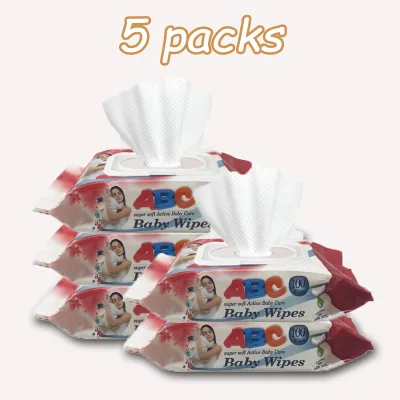
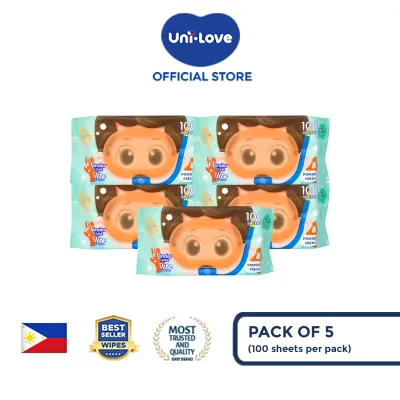
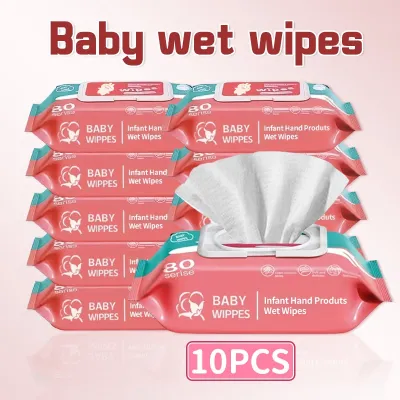
Prices are valid at publication and may change. Please refer to the product page for the latest price.
Decoding the Ingredient List: Yoboo vs. Competitors
To make an informed comparison between Yoboo and other popular wipe brands, you must look past the front-of-pack marketing and examine the ingredient list. This list is typically located on the back or side of the physical packaging, or within the detailed product specifications on official online store pages. If a brand does not clearly display its full ingredient list on its e-commerce listings, treat this as a signal to verify the details directly with the manufacturer before purchasing.

When scanning the ingredient list of Yoboo wipes or any competitor, look out for common sensitive skin triggers. Avoid products containing added synthetic fragrances, ethyl alcohol, or essential oils, as these can strip natural moisture and cause contact dermatitis in warm, humid climates. Additionally, pay close attention to the preservatives used; while preservatives are necessary to prevent bacterial growth in wet wipes, certain compounds like parabens or methylisothiazolinone (MIT) are known irritants that should be avoided for sensitive skin.
Many brands use terms like “hypoallergenic” or “dermatologically tested” to attract buyers, but these phrases are not standardized. To verify these claims, look for the names of specific, reputable certifying bodies or detailed manufacturer statements explaining the testing methodology. If a package claims to be dermatologically tested, check if the label specifies that the product underwent independent clinical trials or if it simply refers to an internal self-assessment.
Assessing Physical Performance: Moisture, Thickness, and Texture
Beyond the chemical formulation, the physical characteristics of a wipe play a critical role in maintaining skin health. In the Philippines, where high humidity and heat can make diaper areas more prone to chafing, the texture and moisture level of a wipe are highly influential. You can evaluate these factors at home by performing simple, hands-on tests with a single wipe from each brand you are considering.
Start by assessing the moisture level using a simple squeeze test. Take a fresh wipe from the package and squeeze it firmly over a clean surface to see how much liquid is released. A wipe that is too dry will cause excessive friction against your baby’s skin, leading to redness and irritation during cleanups. Conversely, an overly wet wipe can leave excess moisture in the diaper area, which traps heat and humidity, potentially contributing to diaper rash.
Next, examine the fabric thickness and texture of the wipe. Embossed patterns or textured surfaces are generally more efficient at lifting messes during diaper changes, reducing the number of wipes and wipes-to-skin friction cycles required. Smooth, thin wipes may tear easily or allow moisture to seep through to your hands, which often leads to using more sheets per change and increasing the overall cost.
Finally, observe how the packaging performs over time. In tropical climates, wipes can dry out rapidly once the seal is broken. Compare the effectiveness of the flip-top lid or adhesive seal on Yoboo packages against other brands to ensure the closure remains airtight throughout the life of the pack.
Calculating Value: Cost per Wipe and Packaging Sizes
When managing a household budget in the Philippines, comparing the upfront price of diapering supplies can be misleading. To find the true financial value of Yoboo wipes compared to other brands, you should calculate the cost per individual wipe. This standardized metric allows you to compare packs of different sizes and price points objectively.
To find this value, use the following simple formula:
Cost per Wipe = Total Price of the Pack (in ₱) / Number of Sheets
For example, if a pack of wipes costs ₱120 and contains 80 sheets, the cost per wipe is ₱1.50. Performing this calculation across different brands and packaging options will reveal which product offers the most economical daily use.
When choosing packaging sizes, consider the trade-offs between bulk packs and travel-sized packs. While bulk packs usually offer a lower cost per wipe, they are exposed to air more frequently and take longer to finish, increasing the risk of the wipes drying out or harboring bacteria in warm weather. Travel packs are more expensive per sheet but keep the wipes fresh and are easier to carry in diaper bags during outings.
Additionally, remember to factor in hidden costs when purchasing online. Shipping fees, platform service charges, or minimum spend requirements on e-commerce platforms can significantly alter the final cost of your purchase, sometimes making local supermarket options more economical.
Safe Transition: How to Patch Test a New Wipe Brand
Introducing a new wipe brand like Yoboo to a baby with sensitive skin requires caution to prevent widespread allergic reactions or painful rashes. Before using any new product extensively during diaper changes, you should perform a controlled patch test at home. This simple protocol helps isolate any potential adverse reactions to a small, manageable area.
To conduct a patch test, follow these steps:
- Select the test area: Choose a small, clean, and discreet area of your baby's skin, such as the inner forearm or the upper thigh.
- Apply the product: Gently swipe the new wipe across this area once and allow the liquid to dry naturally.
- Isolate the spot: Do not apply any other lotions, creams, or powders to this specific spot during the testing period.
- Observe closely: Monitor the area closely over a 24-hour to 48-hour observation window.
During this observation period, look for visual signs of skin irritation. These signs include localized redness, dry or flaky patches, small bumps, or a raised rash. If your baby shows signs of discomfort, such as scratching the test area, this is a clear indicator of sensitivity.
If any adverse reaction occurs, stop using the product immediately and wash the area with clean, lukewarm water. For mild irritation, keeping the skin clean and dry is usually sufficient. However, if the rash spreads, becomes raw, bleeds, or is accompanied by a fever, consult your pediatrician or a pediatric dermatologist promptly for professional guidance.
Frequently Asked Questions (FAQ)
Can I use Yoboo wipes on my baby's face and hands?
Before using Yoboo wipes or any other brand on your baby’s face and hands, you must check the packaging for explicit usage instructions. The skin on an infant’s face is significantly thinner and more sensitive than the skin on their diaper area. Furthermore, babies frequently put their hands in their mouths, which introduces a risk of ingesting chemical residues left behind by the wipe. Ensure the label clearly states the product is safe for facial use, and verify that the formulation is free from bitter agents, strong preservatives, and synthetic fragrances.
Are water-only wipes always better for sensitive skin than lotion-infused ones?
Water-only wipes are highly recommended for minimizing chemical exposure because they contain very few ingredients, reducing the likelihood of an allergic reaction. However, they lack the lubricating agents found in lotion-infused wipes, meaning they may require more physical friction to clean sticky or dried-on messes, which can irritate delicate skin. On the other hand, some lotion-infused wipes contain dermatologist-approved barrier ingredients, such as aloe vera or chamomile, which can help soothe dry skin. The ideal choice depends on whether your baby’s skin reacts more to chemical ingredients or physical friction.

Community discussion
Share your experience or ask a question. Comments are reviewed before publication.