
Choosing between Yoboo and Medela breast pumps comes down to balancing your daily routine, budget, and specific lactation goals. While one brand focuses on modern, highly portable, and budget-friendly designs, the other is built on decades of clinical research and heavy-duty durability. There is no single winner; the ideal pump is the one that fits seamlessly into your lifestyle as a mother in the Philippines.
Whether you are returning to an office in Makati, managing a household, or exclusively pumping at home, your choice of breast pump directly impacts your breastfeeding journey. Evaluating these brands requires looking closely at their design philosophies, technical specifications, total cost of ownership, and how well they adapt to your daily schedule.
Core Differences in Design and Operation
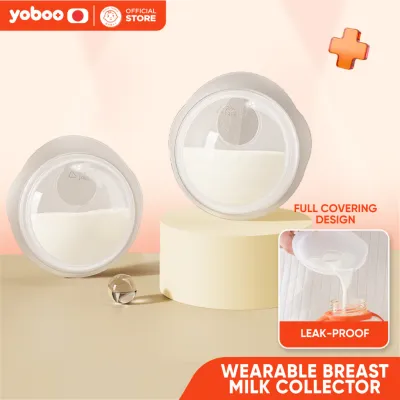
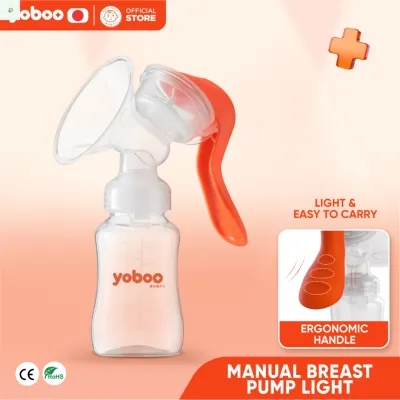
The fundamental design philosophies of Yoboo and Medela cater to distinct maternal lifestyles. Yoboo emphasizes compact, integrated, and often wearable designs that allow mothers to express milk hands-free. This approach is highly practical for active mothers who need to multi-task or pump discreetly while working or traveling.
Products mentioned in this guide
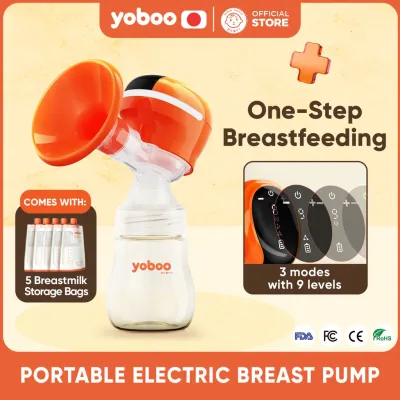
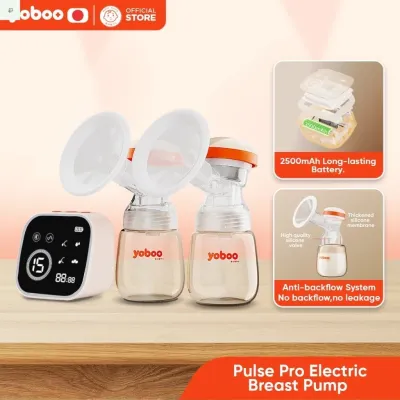
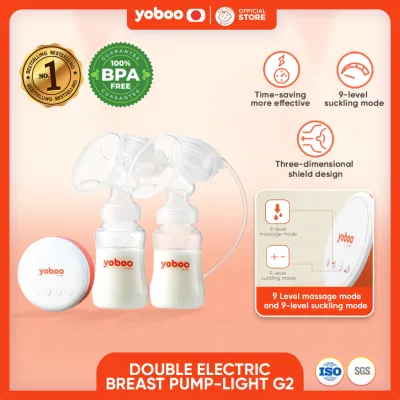
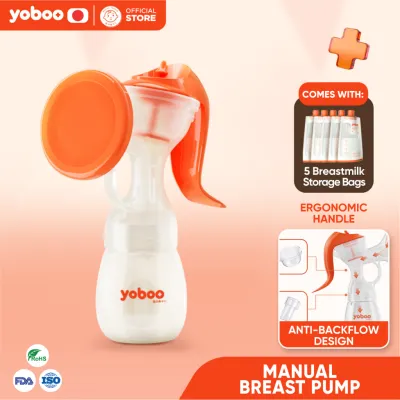
Prices are valid at publication and may change. Please refer to the product page for the latest price.
In contrast, Medela focuses on research-backed, physiological engineering designed to optimize milk output and support long-term lactation. Their traditional setups utilize external motor units connected to breast shields via tubing, though they have also expanded into portable and hands-free designs. Medela’s systems are built around their signature 2-Phase Expression technology, which closely mimics a baby’s natural sucking rhythm.
When examining power sources, Yoboo models frequently feature integrated, rechargeable lithium-ion batteries with USB-C charging ports. This is incredibly convenient in the Philippines, where power outages can occur, or during long commutes where wall outlets are unavailable. Medela offers a mix of rechargeable models and traditional plug-in units, allowing mothers to choose based on their proximity to electrical outlets.
Assembly and cleaning protocols also differ between the two brands. Yoboo pumps typically feature simplified, fewer parts to streamline the washing and assembly process. Medela utilizes specialized connectors and breast shields, such as their PersonalFit Flex system, which are engineered to prevent milk overflow into the tubing. In the warm and humid climate of the Philippines, a closed-system design is highly recommended for both brands to prevent moisture and mold from developing inside the motor or tubing.
Comparing Key Features and Specifications
To evaluate these pumps objectively, it is helpful to compare their technical specifications and standard packaging inclusions. The table below outlines the typical features you can expect when comparing mid-range models from both brands.

| Feature | Yoboo (Typical Models) | Medela (Typical Models) |
|---|---|---|
| Primary Design | Wearable, hands-free, or compact electric | Double electric, tabletop, or portable smart pumps |
| System Type | Closed system with hygienic barrier | Closed system (on modern models) |
| Power Source | Integrated rechargeable lithium battery | Rechargeable battery or AC wall adapter |
| Standard Flange Sizes | Typically 24mm (check box for inserts) | Typically 21mm and 24mm included |
| Suction Modes | Massage, Expression, Mixed/Lactation | Stimulation phase, Expression phase |
| Control Interface | LED touch screen or integrated buttons | Physical buttons or digital touch screen |
Flange sizing is a critical factor in ensuring comfortable and efficient milk expression. Medela provides a wide range of breast shield sizes, from 21mm to 36mm, which are widely stocked by authorized local retailers. Yoboo models generally come with a standard 24mm silicone flange, meaning mothers with smaller or larger nipple diameters may need to purchase separate silicone inserts to achieve a proper fit.
Both brands offer specialized modes to stimulate milk flow. Yoboo pumps often include multiple modes, such as a massage mode to stimulate the let-down reflex, an expression mode for steady milk extraction, and a mixed mode that alternates between the two. Medela utilizes a distinct stimulation phase that automatically transitions to an expression phase after two minutes, or can be manually adjusted based on comfort.
Price, Value, and After-Sales Support
The initial financial investment is one of the most significant differences between these two brands. Yoboo is positioned as an accessible, budget-friendly option, with models typically ranging from ₱1,500 to ₱4,500. This price point makes it highly attractive for budget-conscious families or mothers looking for a secondary, travel-friendly pump.
Medela represents a premium investment, with prices starting around ₱8,000 for manual or single electric models and exceeding ₱25,000 for advanced double electric or hospital-grade systems. While the upfront cost is higher, the investment reflects the brand’s extensive clinical research, durable motor construction, and long-term reliability.
Beyond the initial purchase, mothers must consider the availability and cost of consumable replacement parts like valves, membranes, and tubing. Medela parts are widely distributed across the Philippines, making them easy to find in physical baby boutiques and major department stores. Yoboo replacement parts are primarily sourced through official online marketplace stores, which may require planning ahead for shipping times.
Warranty terms and customer support are also vital for troubleshooting. Medela has an established local distributor network in the Philippines, offering dedicated service centers and responsive customer support for motor repairs or replacements. Yoboo’s warranty support is typically managed through their official online flagship stores, so it is essential to verify the seller’s return policies and warranty duration before finalizing your purchase.
How to Decide: Matching the Pump to Your Routine
Selecting the right breast pump requires matching the machine’s capabilities to your daily routine, physical comfort, and feeding goals.
You should consider Yoboo if your primary goal is to find an affordable, highly portable pump for casual or moderate use. It is an excellent choice for working mothers who need to pump discreetly at their desks or during a commute without carrying heavy equipment. The budget-friendly price also allows you to try electric pumping without a massive upfront financial commitment.
You should consider Medela if you are an exclusive pumper, need to build or maintain a sensitive milk supply, or require precise, clinical-grade suction reliability. Medela’s extensive flange sizing options make it highly suitable for mothers experiencing nipple sensitivity or those who struggle to find a comfortable fit with standard sizes. Additionally, the robust local support network ensures you can quickly resolve any technical issues without interrupting your pumping schedule.
Before making your final decision, always verify that the specific model you choose is made from BPA-free materials and complies with local safety standards. Check the manufacturer’s instructions regarding sterilization limits, as high-temperature steam or UV sterilizers can degrade silicone components over time, affecting the pump’s suction performance.
Frequently Asked Questions (FAQ)
Can I use third-party bottles with Yoboo or Medela pumps?
Bottle compatibility depends entirely on the thread size and neck width of the pump connectors. Medela pumps typically use a standard narrow-neck thread, meaning they are compatible with Medela bottles and other standard narrow-neck brands. Yoboo pumps often feature wide-neck configurations. To use third-party bottles, you must verify the neck diameter or purchase compatible bottle adapters to ensure a secure, airtight seal that maintains the necessary vacuum pressure.
How often should I replace the silicone valves and membranes?
Silicone components are consumable parts that naturally stretch, wear down, and lose elasticity over time due to regular use and sterilization. For exclusive pumpers, it is recommended to replace valves and membranes every 1 to 3 months, while occasional pumpers may only need to replace them every 3 to 6 months. Always perform a visual inspection during cleaning; if you notice any tiny tears, warping, or a drop in suction strength, replace the parts immediately.
Are these breast pumps covered by health insurance or HMOs in the Philippines?
Most standard health insurance policies and HMO plans in the Philippines do not automatically cover the cost of breast pumps, as they are generally classified as personal care items or durable medical equipment. However, some premium corporate health plans or comprehensive maternity packages may offer partial reimbursement. To check your eligibility, contact your HMO provider directly and ask if they require an official receipt and a medical prescription from your OB-GYN or pediatrician to process a claim.
Community discussion
Share your experience or ask a question. Comments are reviewed before publication.