
Selecting the right breast pump from the yoboo official store depends entirely on your daily routine, mobility requirements, and personal comfort preferences. Rather than searching for a single universal model, the most effective approach is to match the pump’s technical specifications and design to your lifestyle. By evaluating how often you plan to pump, where you will be using the device, and your budget, you can confidently choose a model that supports your breastfeeding journey while offering long-term reliability.
In the Philippines, navigating a busy schedule often means balancing work, household chores, and baby care in warm, humid tropical conditions. A breast pump that fits seamlessly into this environment can significantly reduce stress and help you maintain your milk supply. Understanding the distinct features of wearable, portable electric, and manual pumps allows you to make an informed decision directly from the official store listings.
Identify Your Breastfeeding Routine and Needs
Before exploring specific models on the official store, it is essential to define your primary pumping scenarios and physical requirements. Your daily routine dictates whether you need a heavy-duty workhorse or a highly portable, discreet device. Assessing these factors beforehand prevents buyer’s remorse and ensures your investment aligns with your actual needs.
Products mentioned in this guide
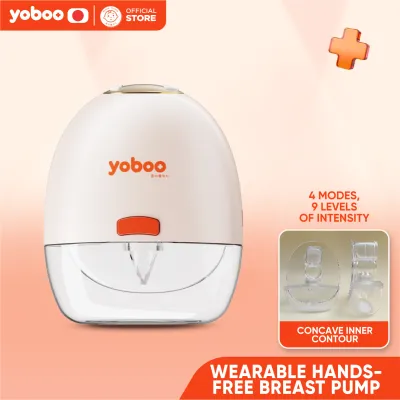
Prices are valid at publication and may change. Please refer to the product page for the latest price.
First, evaluate your pumping frequency. If you are exclusively pumping, you will need a durable motor capable of handling multiple sessions every single day without losing suction power. On the other hand, if you are primarily direct latching and only need to build a modest freezer stash or relieve occasional engorgement, a simpler, less intensive model may be perfectly adequate.
Next, consider your mobility and daily environment. Returning to an office, commuting on public transport, or traveling frequently requires a lightweight, compact pump that does not require a constant wall outlet connection. If you plan to pump mostly at home near a power source, portability becomes less critical, allowing you to prioritize maximum suction customization and larger bottle capacities.
Finally, think about your need for discretion and noise control. Pumping in a shared office cubicle or next to a sleeping baby in the middle of the night requires a motor that operates quietly. Checking the noise level specifications and looking for compact designs that fit easily under your clothing can help you maintain privacy and peace of mind during every session.
Key Specifications to Compare on the Product Pages
When browsing the yoboo official store, paying close attention to specific technical details on the product listings will help you compare models accurately. Manufacturers design different pumps for different user experiences, so verifying these specifications ensures the device meets your practical expectations.

Start by comparing the suction strength and adjustable modes. Look for pumps that offer distinct stimulation and expression phases. The stimulation phase mimics a baby’s fast, shallow sucks to trigger milk letdown, while the expression phase uses slower, deeper draws to maximize milk flow. Verify the number of intensity levels available in each mode and check if the pump features a memory function to save your preferred settings for future sessions.
Flange sizing is another critical factor that directly impacts your comfort and milk output. An improperly fitted flange can cause friction, pain, and reduced milk expression. Check the product description to see what flange sizes are included in the box and whether the brand offers silicone inserts to customize the fit to your specific nipple measurements.
Battery life and charging methods are vital for on-the-go convenience. Look for the battery capacity indicators and the estimated runtime per full charge listed on the product page. Models that utilize universal USB-C charging ports offer greater flexibility, allowing you to recharge the pump using a standard power bank, laptop, or car charger during your daily commute or during power outages.
Lastly, examine the noise level ratings, which are typically measured in decibels. A lower decibel rating indicates a quieter motor, which is essential for maintaining privacy in public spaces or avoiding waking your household during late-night pumping sessions. Reading through verified buyer reviews on the official store can also provide real-world insights into how quiet the pump actually is during operation.
Matching Yoboo Pump Types to Your Lifestyle
Once you understand your routine and the key specifications to look for, you can match specific pump categories to your daily lifestyle. The official store typically features wearable hands-free models, standard portable electric models, and manual pumps, each serving a distinct purpose.
Choose a wearable or hands-free model if you need to pump while multitasking, working at a desk, or managing household chores. These innovative designs slip directly into your standard nursing bra, eliminating external tubes, wires, and dangling bottles. This wireless setup gives you the freedom to move around your home or office without being anchored to a single spot.
Choose a standard portable electric model if you prioritize maximum suction customization and plan to pump in a private, stationary space. These models usually feature a separate, compact motor unit connected to the breast shields via tubing. They often provide more robust suction control, a wider range of mode adjustments, and the ability to transition easily between single and double pumping configurations.
Choose a manual or compact backup pump if you only need occasional relief, travel frequently, or want an emergency option that does not rely on electricity. Manual pumps are lightweight, highly affordable, and easy to clean since they have very few parts. They allow you to control the suction rhythm and strength entirely by hand, making them excellent for quick relief during outings.
Before finalizing your choice, verify whether the model supports double pumping. Double pumping stimulates higher prolactin levels, which can help increase and maintain your milk supply over time. It also cuts your pumping session time in half, making it an invaluable feature for busy mothers with tight schedules.
Evaluating Budget, Bundles, and Long-Term Value
Investing in a breast pump involves looking beyond the initial purchase price to evaluate the long-term cost of ownership. Comparing packages and accessory availability on the official store ensures you get the best value for your money.
Compare the base prices in ₱ against the accessories included in the package. Some product listings may appear slightly more expensive upfront but include essential extras like multiple flange sizes, storage bags, feeding bottles, or specialized cleaning brushes. Purchasing these items as a bundle is often much more cost-effective than buying them individually later on.
Check the cost and availability of replacement parts before making your decision. Silicone components such as valves, diaphragms, and membranes are subject to wear and tear from regular use and sterilization. Ensuring that these specific replacement parts are readily available and reasonably priced on the official store is crucial for maintaining your pump’s performance over several months.
Keep an eye out for official store promotions, seasonal discounts, or bundle deals that add value to your purchase. Buying directly from the official store also ensures you receive a valid manufacturer’s warranty, providing you with reliable customer support and protection against potential manufacturing defects without compromising on product quality.
Verifying Authenticity, Safety, and After-Sales Support
With numerous options available online, ensuring you purchase a genuine, safe, and fully supported product is paramount for your baby’s health and your peace of mind. Taking a few extra steps to verify the seller and product certifications can prevent safety hazards.
Always confirm that the seller is the verified yoboo official store on your chosen ecommerce platform. Purchasing from unauthorized third-party sellers increases the risk of receiving counterfeit items, which may feature substandard motors or unsafe materials. Official stores carry verified badges and offer authentic manufacturer warranties that protect your purchase.
Check for standard safety and material certifications listed in the product descriptions. Because breast pump parts come into direct contact with breast milk, it is vital to verify that all plastic and silicone components are certified BPA-free and made from food-grade materials. Look for electrical safety marks on the charging adapters and motor units to ensure safe operation.
Finally, review the official store’s return policy, warranty duration, and customer service response channels. Having access to responsive customer support is incredibly helpful if you need assistance with troubleshooting, replacing a defective part, or understanding how to operate your new pump. A clear warranty policy ensures that your investment is protected throughout your breastfeeding journey.
Frequently Asked Questions (FAQ)
Can I use third-party flanges with a Yoboo breast pump?
It is highly recommended to use official flanges and inserts designed specifically for your pump model. While some third-party parts may physically fit the connectors, they can compromise the suction seal, reduce milk expression efficiency, or cause hygiene issues if they do not seal correctly. Check the official store for compatible sizing accessories to ensure optimal performance and safety.
How often should I replace the silicone parts of my pump?
Silicone parts such as valves, diaphragms, and membranes stretch and wear down over time with regular use and sterilization. You should inspect these parts regularly for visible signs of wear, such as tiny tears, warping, discoloration, or a sudden drop in suction strength. Refer to your user manual for the manufacturer’s recommended replacement schedule, which typically ranges from one to three months depending on how frequently you pump.

Community discussion
Share your experience or ask a question. Comments are reviewed before publication.