
Teething is a challenging milestone for both babies and parents, especially in the tropical climate of the Philippines, where warm, humid days can make a fussy, teething infant even more uncomfortable. When looking for quick relief, many parents consider over-the-counter oral gels like Xylogel. However, determining whether Xylogel is safe for your baby requires a careful look at its active ingredients, age indications, and the potential risks associated with medicated teething gels.
Medical guidelines globally and locally urge extreme caution when using any medicated teething gel on infants. Many of these products contain local anesthetics that numb the gums but can pose serious health risks if swallowed or over-applied. Before applying any gel to your baby’s sensitive gums, you must verify the exact formulation, check the manufacturer’s age limits, and consult your pediatrician to ensure you are making a safe decision.
Checking Xylogel Ingredients and Product Labels
When you purchase an oral gel from a local drugstore or online marketplace, the first step is to inspect the packaging thoroughly. Look closely at the active ingredients list, which is typically printed on the side of the box or the back of the tube. Many teething gels, including certain formulations of Xylogel, contain local anesthetics such as lidocaine (sometimes listed as lignocaine) or other numbing agents designed to temporarily block pain signals in the gums.
Products mentioned in this guide
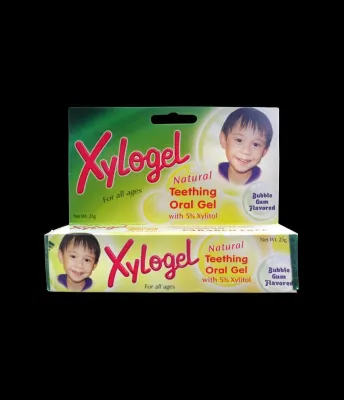
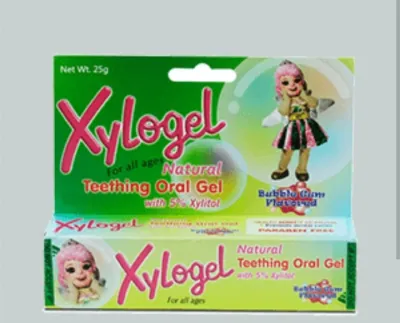
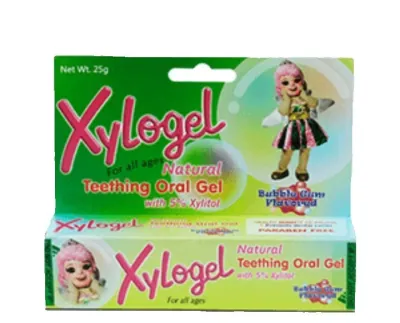
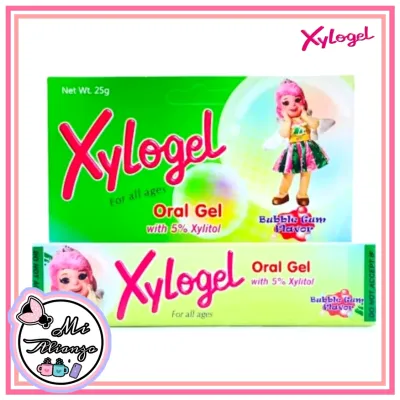
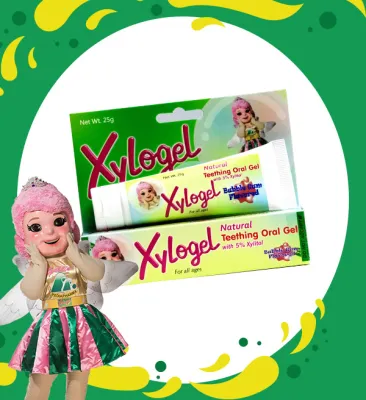
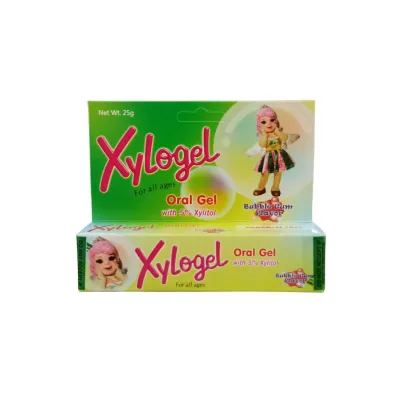
Prices are valid at publication and may change. Please refer to the product page for the latest price.
Understanding the exact formulation is critical because products sharing similar brand names can have vastly different ingredients and concentrations. A gel formulated for older children or adults may contain a much higher percentage of active ingredients than one intended for infants. Applying an adult-strength oral gel to a baby’s gums can lead to accidental overdosing and rapid absorption into their bloodstream.
Always check the manufacturer’s stated age restrictions, which are legally required to be displayed on the packaging. These guidelines indicate the youngest age for which the product has been evaluated for over-the-counter use. Additionally, locate the expiration date and the specific dosage instructions, noting the maximum number of times the gel can be applied within a 24-hour period. If the print is too small or the packaging lacks clear English instructions, ask your pharmacist for the official product insert.
Age Restrictions and Anesthetic Risks for Infants
The primary concern with medicated teething gels lies in how local anesthetics interact with an infant’s developing body. Regulatory health agencies worldwide have issued strong warnings against using oral gels containing lidocaine or benzocaine for teething pain in infants and young children. When these numbing agents are applied to the gums, they do not stay in one place; they easily mix with saliva and are swallowed by the baby.

Swallowing active anesthetics can numb the back of your baby’s throat, which directly interferes with their natural swallowing reflex. This increases the risk of choking on saliva, breast milk, formula, or solid foods. Furthermore, infants have a much smaller body mass than adults, meaning even a tiny amount of absorbed anesthetic can quickly reach levels that affect their cardiovascular and nervous systems.
Before using any medicated gel, you must cross-reference the product’s minimum age requirement with your baby’s exact age in months. Many pediatric associations advise against using any local anesthetic gels for infants under two years of age unless specifically prescribed and monitored by a healthcare professional. If your baby is younger than the age specified on the product label, or if you feel unsure about the safety warnings, do not apply the gel. Instead, schedule a consultation with your pediatrician or a trusted pharmacist to discuss safer alternatives.
Safe Application Guidelines and Dosage Limits
If your pediatrician has evaluated your baby and explicitly approved the use of a specific medicated gel, you must follow the application instructions with absolute precision. Never guess the amount or apply the gel more frequently than recommended. The manufacturer’s instructions will specify a maximum daily frequency and a precise limit on the amount of gel to use per application, which is often no larger than a small pea or a single drop.
To apply the gel safely, start by washing your hands thoroughly with soap and clean water. You can use a clean, bare finger or a sterile cotton swab to apply the product. Gently dab the gel directly onto the specific area of the gums where the tooth is erupting, taking care to avoid the surrounding tissues. It is vital to keep the application localized and avoid spreading the gel toward the back of the mouth or the tongue, as this minimizes the risk of numbing the throat and causing swallowing difficulties.
Timing is also a critical safety factor when using medicated oral gels. Avoid applying the gel right before your baby is scheduled to feed, as a numbed mouth can make it difficult for them to latch onto a breast or bottle, leading to feeding frustration and potential choking. Similarly, do not apply the gel immediately before putting your baby down to sleep, as you will not be able to actively supervise their swallowing and breathing while they are asleep.
Recognizing Side Effects and When to Seek Medical Help
Even when applied strictly according to instructions, medicated teething gels can cause adverse reactions that parents must be prepared to identify. Immediately after application, closely monitor your baby for any localized reactions on their gums or inside their mouth. These can include mild redness, localized swelling, or signs of irritation, which suggest your baby may be sensitive to one of the ingredients in the gel.
More severe systemic reactions require immediate emergency medical attention. If you notice your baby experiencing breathing difficulties, unusual drowsiness, extreme lethargy, pale or bluish skin and lips, or swelling of the face, tongue, or throat, stop using the gel immediately and seek urgent medical care. These symptoms can indicate a serious allergic reaction or systemic toxicity from the anesthetic absorbing too quickly into the bloodstream.
As a general safety rule, you should discontinue the use of any medicated teething gel if your baby shows any signs of distress, or if their teething discomfort does not improve after a few days of careful application. Teething is a natural process, and persistent, severe pain or high fever is often a sign of an underlying medical issue, such as an ear infection, rather than simple teething. Consulting your pediatrician ensures that any co-occurring illness is diagnosed and treated correctly.
Non-Medicated Alternatives for Teething Relief
Because of the inherent risks associated with medicated oral gels, pediatric experts widely recommend prioritizing non-medicated, physical soothing methods to relieve teething discomfort. In the tropical climate of the Philippines, cold therapy can be incredibly soothing for a baby’s warm, inflamed gums. You can place a clean, solid rubber teething ring in the refrigerator to chill—never freeze it, as frozen objects can be too hard and cause tissue damage to delicate gums.
Another simple and highly effective method is using a clean, wet washcloth. Moisten a small cotton washcloth with clean water, wring out the excess, and place it in the refrigerator for a short time. Allowing your baby to chew on the cool, textured fabric provides gentle friction that helps relieve the pressure of an erupting tooth. Always supervise your baby closely while they are using a washcloth or teething toy to prevent any choking hazards.
A gentle gum massage is another drug-free option that you can perform anytime. After washing your hands thoroughly, use your clean index finger to gently rub and apply light pressure to your baby’s sore gums. If these physical methods do not provide sufficient relief and your baby remains highly irritable, consult your pediatrician to discuss whether an infant-safe, systemic pain reliever, such as paracetamol, is appropriate. Your doctor can calculate the correct dosage based on your baby’s current weight, ensuring safe and effective relief.
Community discussion
Share your experience or ask a question. Comments are reviewed before publication.