
Quick Answer: Which Formula Milk Fits Your Baby Best?
Breastmilk is the global standard for infant nutrition, providing the ideal balance of nutrients, antibodies, and bioactive factors that support a child’s healthy growth and development. The World Health Organization and pediatric societies worldwide recommend exclusive breastfeeding for the first six months of life, with continued breastfeeding alongside safe and appropriate complementary foods up to two years of age and beyond. However, when breastfeeding is not possible, insufficient, or when parents choose to transition to a milk supplement, selecting the right formula milk becomes a critical decision.
In the Philippines, Wyeth S-26, Nido, and Enfagrow are three of the most popular and widely trusted brands, each catering to different developmental priorities and household budgets. Wyeth S-26 is historically recognized for its pioneering focus on early cognitive development, utilizing specialized lipid and protein complexes. Nido is celebrated as a highly accessible, cost-effective option tailored primarily for older infants and active toddlers, emphasizing physical growth, bone strength, and general immunity. Enfagrow positions itself in the premium tier, heavily marketing a dual-support system that combines high levels of docosahexaenoic acid (DHA) for brain health with prebiotics for immune system defense.
There is no single “best” formula milk brand for every child. The right choice depends strictly on your baby’s exact age, specific nutritional requirements, digestive tolerance, and the professional recommendation of your pediatrician. Every infant’s digestive system is unique, and what works exceptionally well for one child may cause digestive discomfort in another.
Products mentioned in this guide
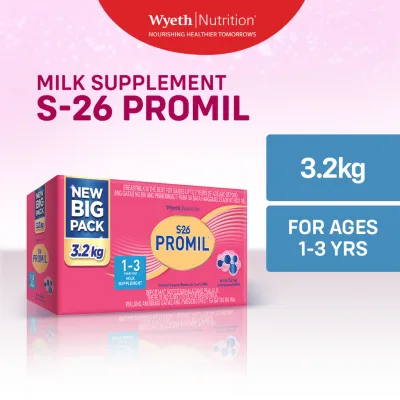
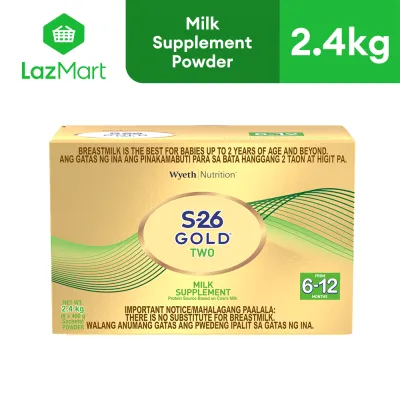
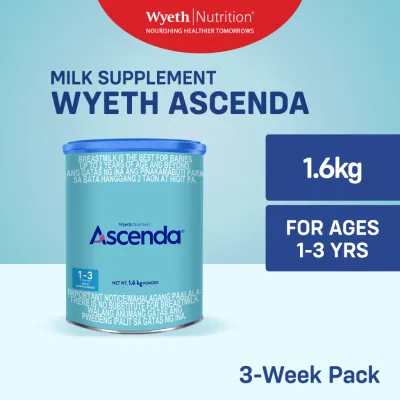
Prices are valid at publication and may change. Please refer to the product page for the latest price.
Age Suitability: Matching the Right Stage to Your Child
Understanding the standard formula stage system is vital for your child’s safety and long-term health. Formula milk is scientifically segmented into developmental stages to match the changing digestive capacity and metabolic needs of growing children. Infant kidneys and digestive tracts are highly delicate; feeding a baby a stage that does not align with their chronological age can lead to excessive kidney solute load, poor nutrient absorption, or severe gastrointestinal distress. Always check the specific product label, preparation instructions, and manufacturer warnings on the packaging before preparing any feed.

Wyeth S-26
Wyeth S-26 offers a comprehensive lineup that covers a child’s nutritional journey from birth through early childhood. The brand divides its products into distinct stages, typically starting with Stage 1 infant formula designed for babies from 0 to 6 months. Stage 2 (often marketed under the Promil or S-26 Promil line) is formulated for older infants from 6 to 12 months, supporting the transition to solid foods. Stage 3 (such as S-26 Progress) targets toddlers aged 1 to 3 years, while Stage 4 (S-26 Promise) is designed for children aged 3 years and older. This structured progression ensures that the protein concentrations and mineral levels are carefully calibrated to match the child’s physical maturity.
Nido
Nido is fundamentally positioned as a growing-up milk brand, focusing its primary offerings on older infants, toddlers, and school-aged children. Its most popular variants in the market include Nido 1+ for toddlers aged 1 to 3 years, Nido 3+ for children aged 3 to 5 years, and Nido 5+ for older children. Parents must heed a critical safety warning: standard Nido powdered milk formulations, including Nido Fortigrow, are not suitable for newborns or infants under one year of age. These products contain protein and mineral concentrations that are far too high for an infant’s immature kidneys to process safely, and they lack the specific emulsified fats and micronutrient ratios required for early infant survival.
Enfagrow
Enfagrow focuses its product stages on toddlers and young children who are navigating rapid cognitive and physical transitions. The brand’s stages, such as Enfagrow A+ Four, are specifically tailored for children aged 3 years and older, while related infant formulations under the broader Enfamil family cover the younger stages (Stage 1 for 0-6 months and Stage 2 for 6-12 months). Enfagrow’s toddler formulations are designed to complement a growing child’s solid food diet, filling potential nutritional gaps that arise during picky eating phases.
Safety Boundary
Parents must strictly match the formula stage to the child’s exact age and physical development. Never advance your child to an older stage prematurely in the hope of accelerating their growth, as this can cause metabolic strain. Conversely, keeping an older toddler on an infant formula for too long may deprive them of the higher iron and calcium levels required for active physical play. Always consult a pediatrician before switching brands or stages, especially for infants under six months of age.
Nutritional Focus: Comparing Key Ingredients and Benefits
When comparing the nutritional profiles of Wyeth S-26, Nido, and Enfagrow, it is important to look beyond marketing buzzwords and examine the specific ingredient groups that drive each brand’s formulation philosophy. Because manufacturers frequently update their recipes to reflect the latest pediatric research, parents should always verify the exact ingredient list and nutritional panel on the physical package.
Wyeth S-26
Wyeth S-26 has built its reputation on supporting early cognitive development and neurological pathways. Its premium formulations often highlight a combination of nutrients known as the “Nutrilearn System” or similar proprietary blends. Key components include:
- Sphingomyelin: A complex phospholipid that is a crucial component of the myelin sheath, which insulates nerve fibers and supports efficient brain signal transmission.
- DHA and ARA: Essential fatty acids that play a critical role in the structural development of the brain and retina.
- Lutein and Choline: Nutrients that support visual health and memory functions.
- Alpha-Lactalbumin: A high-quality whey protein that is easy for delicate stomachs to digest, helping to maintain a balanced gut environment.
Nido
Nido focuses its nutritional strategy on supporting physical growth, bone development, and robust immune defenses for active, growing children. Its formulations are designed to be a reliable nutritional safety net. Key components include:
- Immunity Support: High levels of Vitamin C, Zinc, and Selenium, which work synergistically to support the body's natural defenses against common childhood infections.
- Bone Development: Fortified with Calcium, Vitamin D, and Phosphorus to support the rapid skeletal growth and tooth development characteristic of toddlers.
- Prebio3 or Prebiotic Fibers: Specific dietary fibers integrated into the powder to promote a healthy gut microbiome, which is essential for proper nutrient absorption and digestive comfort.
Enfagrow
Enfagrow places a premium on dual cognitive and immune system support, targeting parents who want to maximize their child’s learning potential and physical resilience. Key components include:
- High DHA Levels: Enfagrow is widely recognized for delivering some of the highest levels of DHA among commercial toddler milks, aligning with global dietary recommendations for brain development.
- Milk Fat Globule Membrane (MFGM): A natural membrane that surrounds milk fat droplets, containing proteins and lipids that support cognitive function and behavioral regulation.
- Dual Prebiotics (PDX and GOS): A proprietary blend of polydextrose and galactooligosaccharides designed to work throughout the entire length of the large intestine, fostering beneficial gut bacteria and supporting softer stools.
- Beta-Glucan: A yeast-derived compound known to support immune cellular responses.
Verification and Safety
A baby’s overall tolerance to a formula depends heavily on its core macronutrient structure, specifically the whey-to-casein ratio and the carbohydrate source. Whey protein is highly soluble and easy to digest, whereas casein forms a firmer curd in the stomach and takes longer to break down. Infant formulas typically feature a higher whey-to-casein ratio to mimic the digestibility of breastmilk, while toddler milks may contain more casein. Additionally, while lactose is the primary carbohydrate in standard formulas, some variants use maltodextrin or sucrose. If your child experiences persistent bloating, excessive gas, or hard stools, it may indicate a sensitivity to these specific structural components rather than a lack of vitamins. Always seek medical guidance if digestive issues persist.
Price and Value: How to Evaluate Cost and Packaging
Navigating the financial aspect of purchasing formula milk in the Philippines requires a systematic approach. Prices can vary significantly based on the brand’s tier, the specific developmental stage, and the retail venue.
Market Positioning
Wyeth S-26 and Enfagrow (particularly their “Gold” and “A+” product lines) are positioned in the premium market segment. Their infant stages (Stage 1 and Stage 2) represent a substantial recurring household expense. Nido, by contrast, is positioned as a highly accessible, mass-market option. Because Nido focuses primarily on toddler and older childhood stages, it benefits from economies of scale and simpler formulations, making it a highly cost-effective choice for families looking to supplement a toddler’s diet without straining the household budget.
Cost-Per-Serving Calculation
Comparing the retail price of one tin or box directly to another is often misleading because scoop sizes, water dilution requirements, and total powder weights vary across brands. To find the true value, parents should calculate the cost per individual feed using this simple method:
- Identify the Scoop Weight: Check the preparation instructions on the back of the pack to find the weight of one level scoop in grams (e.g., 4.5 grams).
- Determine Grams Per Feed: Multiply the scoop weight by the number of scoops required for a single standard serving (e.g., 4 scoops x 4.5 grams = 18 grams per feed).
- Calculate Total Servings: Divide the total net weight of the package by the grams per feed (e.g., a 900-gram tin divided by 18 grams = 50 servings per tin).
- Find the Cost Per Feed: Divide the retail price of the package by the total number of servings (e.g., ₱900 divided by 50 servings = ₱18 per feed).
Packaging Formats
These brands are available in several packaging formats in the Philippines, including classic metal tins, cardboard box refill packs (which contain sealed foil pouches), and occasionally ready-to-feed liquid cartons. Cardboard refill packs generally offer the best price-to-weight ratio and are highly popular for long-term savings. However, the tropical climate and high humidity of the Philippines present unique storage challenges. Powder exposed to humid air can quickly clump, lose its nutritional integrity, or attract pests and mold. If you purchase refill pouches, you must transfer the powder immediately to a clean, thoroughly dried, airtight tin or food-grade container. Always cut out the batch number and expiration date from the original cardboard box and tape it securely to the storage container for reference.
Safe Purchasing
To protect your child’s health, purchase formula milk only from authorized pharmacies, established supermarkets, or official brand flagship stores on reputable e-commerce platforms. Avoid purchasing from unverified third-party online sellers or gray-market importers offering unusually low prices. Counterfeit formulas, or genuine products that have been improperly stored in hot, unventilated warehouses, pose severe health risks, including bacterial contamination and degraded nutritional value.
The Final Verdict: How to Choose the Right Formula
Selecting the ideal formula milk brand requires balancing your child’s developmental needs, digestive comfort, and your household budget. Use this clear decision framework to guide your choice.
Choose Wyeth S-26 if:
- You are looking for a brand with a long, established history of research into early brain development and cognitive pathway support.
- Your child is an infant or toddler who digests whey-dominant protein blends easily without experiencing reflux or constipation.
- Your household budget comfortably accommodates a premium-priced formula over the long term.
Choose Nido if:
- Your child is at least one year old and is already eating a diverse, balanced diet of solid foods.
- You want a highly accessible, budget-friendly milk powder that focuses on physical growth, bone density, and general immune support.
- You value the convenience of being able to purchase milk easily at local supermarkets, neighborhood grocery stores, or pharmacies across the Philippines.
Choose Enfagrow if:
- You prioritize a premium formula that places a heavy emphasis on high DHA levels and advanced cognitive support ingredients like MFGM.
- You want a product with a robust prebiotic blend (such as PDX and GOS) to support your toddler's digestive health and immune system.
- You are comfortable with premium-tier pricing and your child accepts the brand's specific taste and texture profile.
Verify First: Special Medical Conditions
If your child has a history of premature birth, low birth weight, known or suspected cow’s milk protein allergy (CMPA), lactose intolerance, or severe chronic acid reflux, standard commercial formulas from Wyeth S-26, Nido, or Enfagrow are highly likely to be unsuitable and potentially dangerous. In these scenarios, you must stop using standard formulas immediately. Do not attempt to self-diagnose or switch between standard brands hoping for an improvement. Consult your pediatrician immediately so they can prescribe a specialized therapeutic formula, such as an extensively hydrolyzed formula, an amino acid-based formula, a lactose-free variant, or a post-discharge premature formula.
Transitioning Advice
If you and your pediatrician decide to switch your child’s formula brand, always do so gradually to allow their delicate digestive system to adapt. A sudden switch can trigger acute diarrhea, constipation, gas, or vomiting. Use a systematic transition schedule over five to seven days by gradually mixing the old and new powders in the same bottle:
- Days 1 and 2: Prepare the bottle using 75% of the old formula and 25% of the new formula.
- Days 3 and 4: Prepare the bottle using 50% of the old formula and 50% of the new formula.
- Days 5 and 6: Prepare the bottle using 25% of the old formula and 75% of the new formula.
- Day 7 onwards: Transition completely to 100% of the new formula.
Throughout this transition period, closely monitor your child’s stool consistency, frequency, skin condition, and overall comfort. If you notice persistent loose stools, blood in the stool, skin rashes, or extreme fussiness, stop the transition and contact your pediatrician.
Frequently Asked Questions (FAQ)
Can I mix Wyeth S-26, Nido, and Enfagrow in the same bottle?
No, you should never mix different formula brands, stages, or batches together in the same feeding bottle. Every formula brand and stage is scientifically calibrated with its own unique nutrient density, specific scoop size, and precise water-to-powder ratio. Mixing them alters this delicate balance, which can result in a mixture that is either too concentrated or too diluted. An over-concentrated feed can put dangerous physical stress on your baby’s immature kidneys and lead to severe dehydration, while an under-concentrated feed dilutes essential nutrients and can cause malnutrition over time. Always prepare and feed each brand separately according to its specific manufacturer instructions.
How do I know if my baby is allergic or intolerant to a specific formula brand?
Common signs of formula intolerance or a cow’s milk protein allergy include severe skin rashes or hives, persistent projectile vomiting, chronic diarrhea, visible blood or mucus in the stool, excessive gas, abdominal bloating, and inconsolable crying or colic shortly after feeding. If your child exhibits any of these symptoms, stop using the suspected formula immediately and consult your pediatrician. Avoid switching blindly to another standard commercial brand on your own, as your doctor will need to perform a clinical evaluation and may prescribe a specialized hypoallergenic formula.

Community discussion
Share your experience or ask a question. Comments are reviewed before publication.