
The most suitable swaddle for your newborn depends on your baby’s sleep preferences, your comfort level with wrapping techniques, and your local environment. While traditional blankets offer high versatility, structured wraps provide reliable security, and swaddle sacks offer easy diaper changes and room for natural hip movement. For many parents, a combination of these formats works well as the baby grows and transitions through different developmental stages.
Understanding Swaddle Formats: Wraps, Sacks, and Blankets
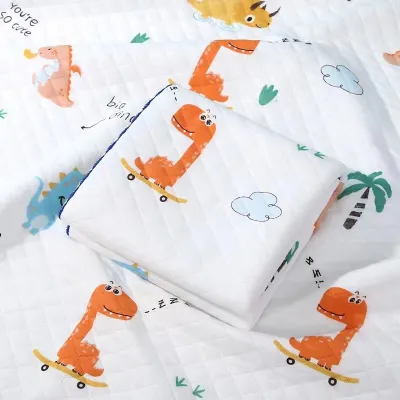
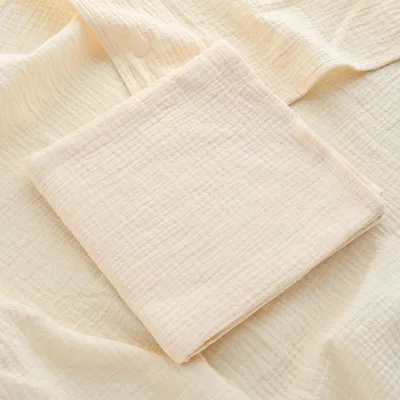
Traditional swaddle blankets are large, open squares of fabric, typically made from lightweight muslin, cotton flannel, or bamboo blends. They do not feature any built-in fasteners, meaning you must rely entirely on specific folding and tucking techniques to secure your baby. This format offers a highly customizable fit, allowing you to adjust the tightness and positioning to match your baby’s unique shape. However, they require practice to master, and active babies can sometimes wiggle their way out of the folds.
Swaddle wraps are structured, semi-shaped garments designed to simplify the swaddling process. They feature built-in fasteners such as hook-and-loop strips, zippers, or snaps, along with fabric wings that fold over the baby’s chest and arms. This design removes the guesswork from wrapping, allowing you to achieve a snug, secure fit quickly. The fasteners keep the swaddle from unraveling, making them a practical choice for middle-of-the-night adjustments when sleep deprivation makes complex folding difficult.
Products mentioned in this guide
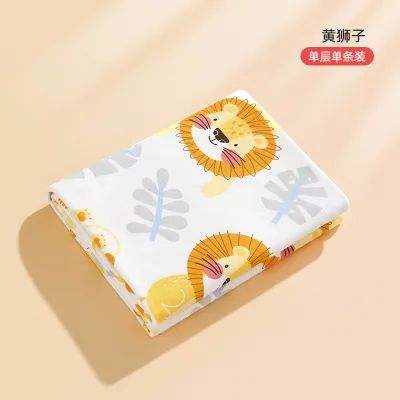
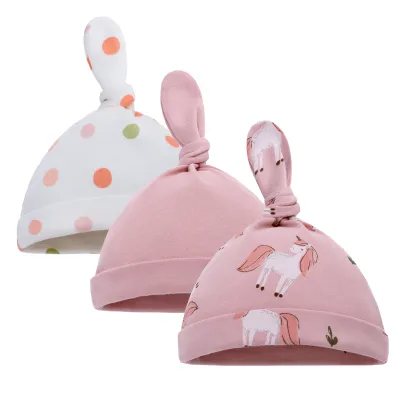
![[Teeker]Newborn Baby Swaddle Wraps Cotton Four Seasons Sleeping Bags Cartoon Anti Startle Anti Kick 360° Wrapped 30x60CM Bed Accessories For Neonate Infant 0-3 Months](https://img.lazcdn.com/g/p/15421bddd6075ef1332eb00e5cf69036.png_400x400q80.png_.webp)
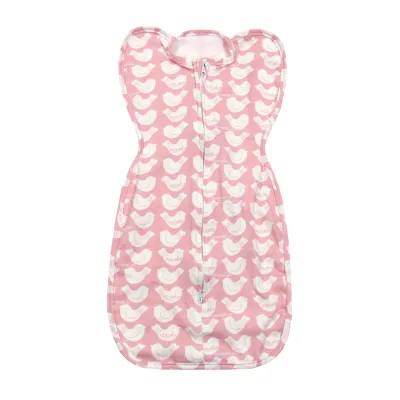
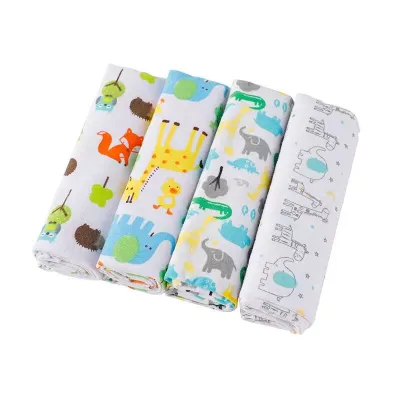
Prices are valid at publication and may change. Please refer to the product page for the latest price.
Swaddle sacks are enclosed, bag-like garments that resemble a small sleeping bag with a fitted upper body. They typically feature a zippered front or side, allowing you to slide your baby inside with minimal effort. Swaddle sacks come in various arm configurations, including arms-in, arms-up, or convertible designs with removable wings or sleeves. Because they do not require tight wrapping around the torso, they naturally provide more room for the lower body while keeping the upper body cozy and secure.
Key Comparison Dimensions for Newborn Swaddling
When comparing these three formats, ease of use is often the first factor caregivers notice. Traditional blankets have a learning curve, especially during late-night diaper changes when you must completely unwrap and rewrap the baby. Swaddle wraps simplify this process with quick-fastening wings, though the sound of peeling hook-and-loop fasteners can sometimes startle a sleeping infant. Swaddle sacks often offer high convenience, as many designs feature two-way zippers that allow you to open the bottom of the sack for diaper access without disturbing the baby’s upper body or arms.

Hip health is a critical physical consideration that varies significantly across these designs. A safe swaddle must allow the baby’s hips and knees to bend and flare out naturally in a “frog-leg” position. Tight, restrictive wrapping that forces the legs straight down can increase the risk of hip dysplasia. When using traditional blankets, you must consciously leave the bottom loose and roomy. For wraps and sacks, look for products that carry a hip-healthy designation from recognized pediatric orthopedic organizations, and check that the foot pocket is wide enough for your baby to kick and flex their legs freely.
Temperature regulation is highly dependent on fabric choice and local climate conditions. In warm, humid tropical environments, overheating is a constant concern for sleeping infants. Traditional muslin blankets are highly breathable and allow for excellent airflow, making them suitable for natural ventilation. When evaluating structured wraps and sacks, pay close attention to the Thermal Overall Grade (TOG) rating on the manufacturer’s label. A low TOG rating, such as 0.2 or 0.5, indicates a lightweight fabric suitable for warm rooms, whereas higher TOG ratings are designed for air-conditioned spaces or cooler climates. Always check the material composition, prioritizing natural fibers like cotton or bamboo over synthetic blends that can trap heat.
Transitioning milestones represent the final comparison dimension. Swaddling must stop as soon as your baby shows signs of attempting to roll over, which can happen as early as two months of age. Traditional blankets and standard wraps cannot be safely used once this milestone is reached, as they restrict the arms completely. Swaddle sacks, particularly convertible models with zip-off wings or snaps, offer a smoother transition. They allow you to free one arm first, then the other, gradually moving your baby from a secure swaddle to a standard wearable blanket without a sudden disruption to their sleep routine.
Safety and Sleep Guidelines to Verify Before Use
Before using any swaddle product, you must carefully read the manufacturer’s physical labels to verify the recommended age, weight, and height limits. A swaddle that is too large can shift during sleep, potentially rising up to cover the baby’s nose and mouth, while one that is too small can restrict breathing or compress the chest. Never rely solely on a product’s name or marketing category; instead, match your baby’s current weight and length to the specific sizing chart provided on the packaging.
Recognizing the signs of overheating is vital for maintaining a safe sleep environment. Babies cannot regulate their body temperature as efficiently as adults, making them highly susceptible to heat stress. Check your baby’s chest or the back of their neck; if the skin feels hot, damp, or sweaty, they are likely too warm. You can adjust by lowering the room temperature, switching to a lighter swaddle fabric, or dressing your baby in only a diaper or a lightweight short-sleeved bodysuit underneath the swaddle.
The most important safety rule of swaddling is to stop the practice immediately at the first sign of rolling. Whether your baby is attempting to roll from back to front or front to back, their arms must be completely free to help them lift their head and clear their airway if they turn over. Continuing to swaddle an active baby who can roll poses a severe suffocation risk. Transitioning to an arms-free sleeping sack or a wearable blanket is the safest next step once this developmental milestone begins.
To ensure a secure fit, the swaddle must be snug around the chest while remaining loose around the hips. You should be able to slide two to three fingers easily between the swaddle fabric and your baby’s chest to confirm it is not restricting their breathing. At the same time, the lower portion of the swaddle must allow the baby’s legs to remain bent and active. Avoid any wrapping technique or product design that binds the legs together or forces them into a straight, rigid position.
How to Choose the Right Swaddle for Your Baby
To select the right swaddle, consider your daily routine, your baby’s movement patterns, and your comfort level with different wrapping styles. If you value versatility and want a single item that can serve as a swaddle, a nursing cover, a stroller shade, or a burp cloth, a traditional muslin blanket is a practical choice. This option is well-suited for caregivers who have practiced and mastered secure folding techniques and prefer a highly customizable fit that can be adjusted as the baby grows.
If you find traditional folding intimidating or worry about the blanket unraveling during the night, a structured swaddle wrap is a highly practical alternative. The built-in fasteners provide consistent tightness and a secure fit with a minimal learning curve, making it easy for grandparents, babysitters, or tired parents to use correctly. This style is particularly beneficial for babies who have a strong startle reflex and need a snug, secure wrap to stay asleep.
For babies who dislike having their legs restricted, frequently kick out of traditional wraps, or prefer sleeping with their arms up, a swaddle sack is often the most appropriate option. The spacious foot pocket accommodates active leg movements while keeping the torso secure. Additionally, if you want a product that can adapt as your baby grows, choosing a convertible swaddle sack allows you to transition seamlessly to arms-out sleeping without needing to purchase an entirely new set of sleepwear.
Before making any purchase, always verify your baby’s specific physical needs. If your baby has sensitive skin, prone to heat rashes in humid weather, prioritize hypoallergenic, organic cotton fabrics. If there are any concerns regarding hip development or a family history of hip dysplasia, consult your pediatrician or a qualified healthcare professional to ensure your chosen swaddle format supports healthy joint alignment.
Frequently Asked Questions (FAQ)
How many swaddles should I buy for a newborn?
A practical starting inventory for a newborn is three to four swaddles. This quantity allows you to have one swaddle in use, one in the laundry, and one or two clean spares ready for unexpected diaper leaks, spit-ups, or drool. If you live in a highly humid climate where laundry takes longer to dry, or if your baby spits up frequently, you may want to increase this number to five or six to ensure you always have a dry, clean option on hand.
Can I use a regular receiving blanket as a swaddle?
While you can use a receiving blanket, it is generally less ideal than a dedicated swaddling blanket. Receiving blankets are typically smaller, thicker, and made of tightly woven cotton flannel, which offers very little stretch and can easily cause a baby to overheat in warm climates. A dedicated swaddle blanket is usually larger (typically 110cm by 110cm or larger) and made of lightweight, stretchy muslin or bamboo fabric, which allows for a more secure, breathable, and comfortable wrap.
Community discussion
Share your experience or ask a question. Comments are reviewed before publication.