
Choosing the right rocking horse for your child is a delightful milestone, but it often comes down to a fundamental choice of materials: classic wood or modern plastic. Neither material is universally superior; the best choice depends on your child’s age, the play environment, and your household maintenance preferences. Wooden rocking horses offer a classic aesthetic, sturdy weight, and long-term indoor durability, often becoming cherished family heirlooms. Plastic rocking horses are lightweight, weather-resistant, easy to clean, and highly portable, making them ideal for active outdoor play. Ultimately, verifying the manufacturer’s safety specifications and proper sizing for your child’s developmental stage matters far more than the material itself.
Safety and Stability: What to Check Before You Buy
When evaluating any rocking toy, stability and structural integrity are the most critical factors to consider. Active toddlers can rock with surprising force, which puts significant stress on the toy’s frame and base. A well-designed rocking toy must distribute this force evenly to prevent tipping, sliding, or structural failure during play.
Before making a purchase, always verify the manufacturer’s specified weight capacity and age recommendations. These limits are not arbitrary; they are determined by structural testing and the physical dimensions of the toy. A rocking horse that is too small can easily tip forward, while one that is too large may prevent your child’s feet from reaching the footrests, compromising their balance. Caregivers should prioritize active supervision during play, regardless of the material chosen.
Products mentioned in this guide
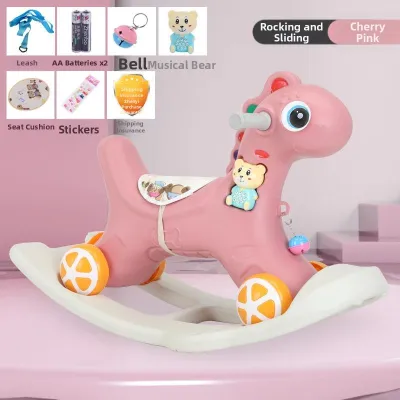
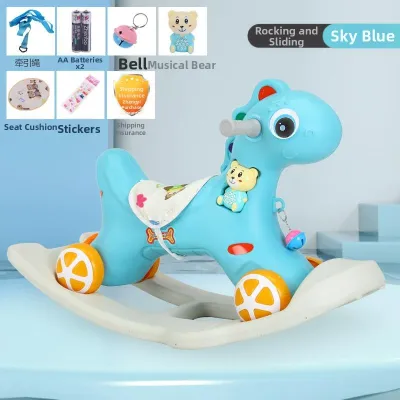
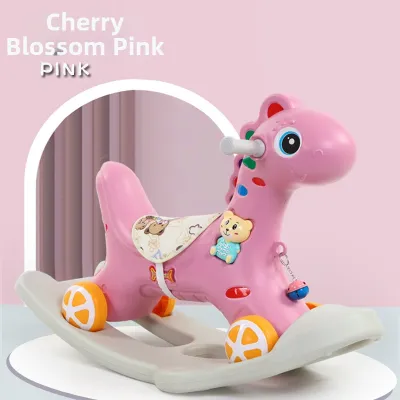
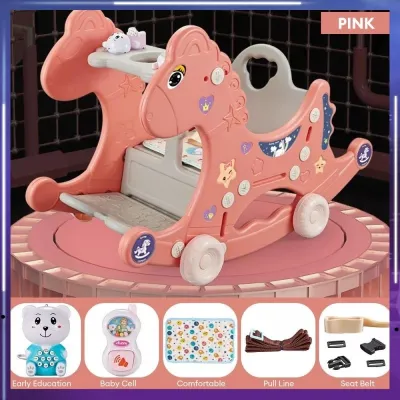
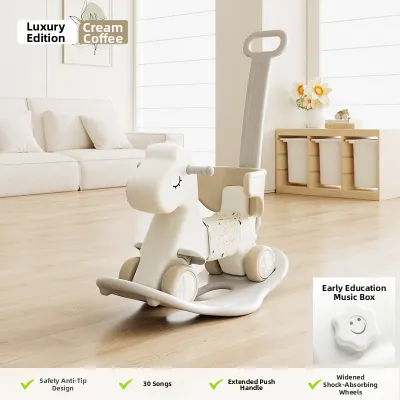

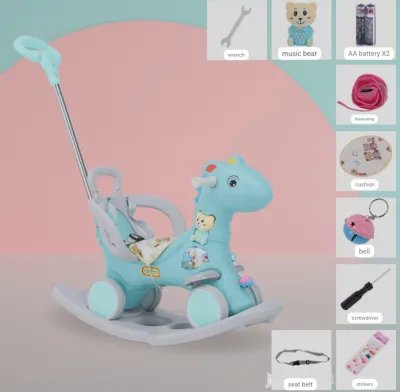
Prices are valid at publication and may change. Please refer to the product page for the latest price.
Both wood and plastic have distinct physical properties that influence how stability is achieved. Wood relies on its natural weight and solid joints to create a grounded, heavy base. Plastic relies on wide, flared footprints and low centers of gravity to compensate for its lighter physical weight. Understanding these differences allows you to perform a targeted safety inspection before bringing the toy into your home.
Evaluating Wooden Rocking Horses
When inspecting a wooden rocking horse, start by running your hands along every surface to check for smooth, splinter-free finishes. High-quality wooden toys undergo rigorous sanding to ensure no rough grain is exposed. You should also verify that the paints, varnishes, or sealants used on the wood are explicitly labeled as non-toxic and lead-free by the manufacturer, as young children frequently mouth toy parts.
Next, closely examine the joint connections and hardware. Solid wood rocking horses should be assembled with sturdy wood screws, dowels, or heavy-duty bolts rather than simple adhesive. Wiggle the handles and footrests to ensure there is no play or looseness in the connections. If the model includes fabric or leather components, such as a saddle or reins, ensure they are securely fastened without loose cords that could pose a entanglement risk.
Finally, look at the design of the rocker rails. Safe wooden models often feature built-in safety stoppers at the front and back of the curved rails. These physical barriers limit the maximum rocking angle, preventing the horse from tipping over if your child rocks too enthusiastically. For younger toddlers, look for a seat design that includes a high backrest or a removable protective safety guardrail to help them maintain an upright posture.
Evaluating Plastic Rocking Horses
For molded plastic rocking horses, the safety inspection focuses on the manufacturing quality of the plastic itself. Examine the entire body for seamless molding, paying close attention to the edges where the mold halves meet. These seams should be completely smooth and rounded; any sharp plastic flashing or rough edges left over from the manufacturing process can cause scratches on delicate skin.
Check the toy for potential pinch points, especially around any moving parts. Some plastic models feature integrated wheels that allow the toy to convert from a rocker to a ride-on toy. Ensure that the clearance between the wheels, the rocking base, and the main body is designed to prevent small fingers or toes from getting caught during transition or movement.
Because plastic is naturally lightweight, a wide, flared base is essential to prevent tipping. Look for models with a low seat height and a broad footprint that extends well beyond the width of the seat. Additionally, if you plan to use the plastic rocking horse on a sunny veranda or in an outdoor play area, verify that the material is UV-stabilized. Non-UV-resistant plastics can degrade, fade, and become brittle when exposed to sunlight, which compromises the toy’s structural safety over time.
Durability and Longevity: How Long Will It Last?
How a rocking horse withstands daily physical stress, impact, and environmental conditions depends heavily on its material composition. Children’s toys are subjected to dropping, climbing, and occasional rough handling, meaning the physical properties of the material dictate how long the toy remains functional and safe.

Wear and tear manifests differently in wood versus plastic. Wood is susceptible to surface scratches, dents, and moisture damage, but it possesses high structural rigidity and can often be repaired or refinished. Plastic is highly impact-resistant and impervious to moisture, but once it suffers a major structural crack or UV-induced brittleness, it cannot be safely repaired and must be replaced.
Wooden Rocking Horses
Solid wood rocking horses are renowned for their exceptional structural longevity. When crafted from durable hardwoods or high-quality engineered woods, these toys can easily last for generations. They are structurally robust enough to support significant weight, often allowing them to transition from older siblings to younger ones without losing their structural integrity.
However, wood is a natural, organic material that remains responsive to its environment. In regions with fluctuating temperatures and humidity, wood naturally expands and contracts. This environmental movement can cause the internal hardware, such as screws and bolts, to gradually loosen over time. Caregivers must periodically inspect a wooden rocking horse and tighten any hardware to maintain its structural stability.
If kept strictly indoors and protected from direct moisture, a wooden rocking horse develops a beautiful patina over time. Minor surface scratches and paint chips can be sanded down and touched up with child-safe finishes, allowing you to restore the toy to its original condition. This repairability is a unique advantage of wood, making it an excellent investment for families looking for a long-term keepsake.
Plastic Rocking Horses
High-density plastics, such as polyethylene, offer outstanding resistance to the typical wear and tear of early childhood. These materials are highly flexible and impact-resistant, meaning they can absorb drops, bumps, and rough play without denting or cracking. The color is typically integrated throughout the plastic, so deep scratches do not reveal a different color underneath, keeping the toy looking vibrant.
Most plastic rocking horses are manufactured as a single, hollow, molded piece. This seamless construction eliminates the need for metal hardware, screws, or joints, which significantly reduces the maintenance required to keep the toy structurally sound. There are no joints to loosen, no glue to dry out, and no hardware to rust, making it a highly reliable option for busy households.
Despite these advantages, plastic has specific environmental limitations. Prolonged exposure to intense sunlight and outdoor heat can break down the polymer chains within the plastic. Over time, this chemical degradation causes the colors to fade and the plastic to become brittle. Once plastic reaches a brittle state, it can crack under normal play loads, presenting sharp edges and immediate safety hazards.
Maintenance and Cleaning in a Tropical Climate
In a tropical climate like the Philippines, high humidity, intense heat, and seasonal monsoon rains present unique challenges for toy preservation. High moisture levels in the air can encourage the growth of mold and mildew, while dust and sweat can quickly accumulate on toy surfaces during warm afternoon play sessions.
Selecting a rocking horse material requires considering how much effort you can dedicate to routine cleaning and environmental preservation. Caregivers must adapt their maintenance routines to protect the structural integrity of the toy and ensure a hygienic play surface for their child.
Caring for Wooden Toys
Wooden toys require careful moisture management to prevent damage. To clean a wooden rocking horse, wipe the surface with a soft, slightly damp microfiber cloth to remove dust and smudges. Avoid using excessive water, soaking the wood, or using harsh chemical household cleaners, as moisture can penetrate the wood grain, causing it to swell, warp, or strip the protective finish.
If the toy requires sanitizing, use a mild solution of soapy water or a specialized child-safe toy cleaner, followed immediately by a dry cloth to remove any residual moisture. Never leave a wooden toy outdoors or in direct rain. In highly humid tropical environments, it is crucial to store wooden toys in well-ventilated, dry indoor areas to prevent the development of surface mold and mildew.
If you notice mold starting to form on a wooden surface, move the toy to a dry area and wipe it down with a mixture of white vinegar and water, which naturally helps neutralize mold spores. Allow the wood to dry completely in a well-ventilated space out of direct sunlight. Regularly checking the joints and applying a light coat of natural beeswax or child-safe wood sealer can help preserve the wood’s resistance to ambient humidity.
Caring for Plastic Toys
Plastic rocking horses are exceptionally easy to clean and maintain, making them highly practical for busy caregivers. Because plastic is non-porous, it does not absorb moisture, sweat, or liquid spills. This natural barrier makes plastic highly resistant to mold and mildew growth, even during the humid rainy season.
To clean a plastic rocking horse, you can wash it directly with mild dish soap and warm water. For outdoor models that have accumulated dirt or mud, you can easily hose them down in the yard and wipe them dry with a towel. Plastic can also tolerate standard disinfecting wipes or mild household sanitizing sprays, allowing for quick and thorough sanitization after playdates.
One important maintenance check for hollow plastic toys is verifying that no water has become trapped inside the body. If left outdoors during a heavy downpour, water can sometimes enter through small venting holes. If water accumulates inside, it can become stagnant and promote mold growth internally. Always tilt and drain the toy fully after washing or exposure to rain, and store it in a shaded area when not in use to maximize its lifespan.
Design, Comfort, and Child Preference
A rocking horse is more than just a physical structure; it is an interactive playmate that stimulates a child’s imagination and supports their physical development. The design, tactile feel, and comfort of the toy heavily influence how often your child will engage with it and how well it fits into your home environment.
Wooden rocking horses offer a classic, traditional aesthetic that many parents appreciate. With their natural wood grains, elegant curves, and minimalist designs, they easily double as beautiful nursery decor that complements household furniture. The physical experience of riding a wooden horse is firm and grounded, providing stable sensory feedback that helps children develop core strength and spatial awareness.
In contrast, plastic rocking horses are often designed with bright, high-contrast colors and whimsical, cartoon-like characters that immediately capture a toddler’s attention. Many plastic models feature interactive elements, such as built-in sound buttons, molded steering wheels, or movable accessories. These features can provide additional sensory stimulation, though they may require battery maintenance and can sometimes distract from the pure physical motion of rocking.
Comfort is another key differentiator. Plastic seats are often ergonomically contoured to fit a child’s body, but the smooth plastic surface can feel slippery, especially if the child is wearing smooth fabrics. Wooden seats are flat and rigid, which encourages active posture but can feel hard during extended play. Caregivers can easily enhance comfort by checking for textured grips on the handles or adding a small, secure cushion to a wooden seat if needed.
Additionally, consider your child’s independence. Plastic rocking horses are lightweight, allowing older toddlers to drag, turn, or move the toy around the playroom without adult assistance. A heavy wooden rocking horse is stationary and requires a caregiver to move it, which provides a safer, more predictable play boundary but limits the child’s ability to rearrange their play space independently.
Quick Comparison: Wooden vs. Plastic Rocking Horses
To help you quickly evaluate the primary differences between these two materials, the table below summarizes their key characteristics based on general material properties.
| Feature | Wooden Rocking Horse | Plastic Rocking Horse |
|---|---|---|
| Best Environment | Strictly indoor play spaces | Indoor and outdoor play areas |
| Relative Weight | Heavy and stable; stationary | Lightweight; easy for toddlers to move |
| Cleaning Method | Damp cloth wipe; dry immediately | Soap and water wash; can be hosed down |
| Humidity Resistance | Low; requires dry, ventilated storage | High; impervious to moisture and mold |
| Aesthetic Style | Classic, traditional, and decorative | Bright, colorful, and interactive |
How to Choose: The Decision Framework
To make your final decision, consider how your household setup, your child’s age, and your lifestyle align with the unique characteristics of each material. Use the following practical decision framework to guide your purchase:
Choose Wood if:
- You want a beautiful, classic toy that serves as a decorative piece in your child's nursery or living room.
- You plan to keep the toy strictly indoors in a dry, well-ventilated area of your home.
- You are looking for a durable, long-term investment that can be passed down to future siblings or generations.
- You prefer natural materials and are willing to perform occasional maintenance, such as checking and tightening hardware.
Choose Plastic if:
- You want a versatile toy that can transition between indoor playrooms, outdoor verandas, and grassy yards.
- You live in a highly humid area or plan to keep the toy in a space exposed to moisture, where mold resistance is a priority.
- You prioritize quick, hassle-free cleaning and want a toy that can be easily washed or hosed down after messy play.
- Your toddler enjoys bright colors, lightweight independence, and interactive features like built-in sounds or convertible wheels.
Verify first if:
- You are purchasing a second-hand rocking horse of either material. Carefully check for safety recalls, structural cracks, missing hardware, splinters, or brittle plastic before allowing your child to play.
- Your child has specific sensory or physical mobility needs. Ensure the seat design, handle placement, and backrest provide the appropriate level of physical support and comfort for their unique requirements.
- Always consult the manufacturer's official user manual for specific weight limits, assembly instructions, and safety warnings to ensure a safe and joyful playtime experience.
Frequently Asked Questions (FAQ)
What is the safest age to start using a rocking horse?
Readiness to use a rocking horse depends primarily on your child’s physical development and balance rather than a strict chronological age. A child must be able to sit up completely unassisted, hold their head up steadily, and grip the handles firmly before using a rocking toy. Most manufacturers design standard rocking horses for children starting around 12 to 18 months of age. Always check the specific product documentation for the manufacturer’s recommended age and weight limits, and ensure active adult supervision during play.
Can a rocking horse tip over?
Yes, any rocking toy can potentially tip over if used improperly, subjected to excessive force, or used on an uneven surface. Tipping risks are significantly minimized by choosing a model with a wide, stable base, a low center of gravity, and built-in safety stoppers on the rocker rails. To prevent accidents, always place the rocking horse on a flat, level floor, preferably on a play mat or carpeted area, and ensure your child does not exceed the manufacturer’s weight limit. Active supervision is essential to ensure safe play.
Community discussion
Share your experience or ask a question. Comments are reviewed before publication.