
Quick Answer: Is Winey the Best Choice for Sensitive Skin?
Determining whether a specific brand of baby wipes is the absolute best choice for your infant depends heavily on your baby’s individual skin triggers. Every child’s skin barrier is unique, meaning that a formulation that works perfectly for one infant might cause mild irritation or redness in another, even when both products are marketed specifically for sensitive skin.
Winey baby wipes can serve as a highly suitable option for daily cleansing if their specific formulation aligns with your baby’s skin tolerances. To ensure compatibility, parents must actively verify the current ingredient list on the packaging, looking for fragrance-free options and minimal preservative systems that reduce the risk of contact dermatitis.
When evaluating overall value, particularly during a winey baby wipes sale, it is vital to balance the promotional price per wipe against the physical material quality and ingredient safety. A cheaper pack of wipes may not represent true savings if the material is too thin or if the formula causes skin irritation that requires expensive soothing creams.
Products mentioned in this guide
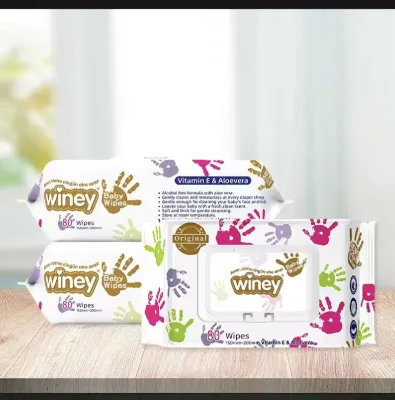
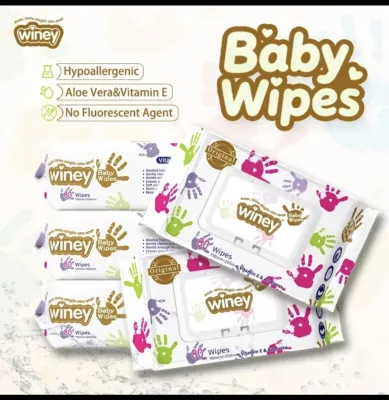
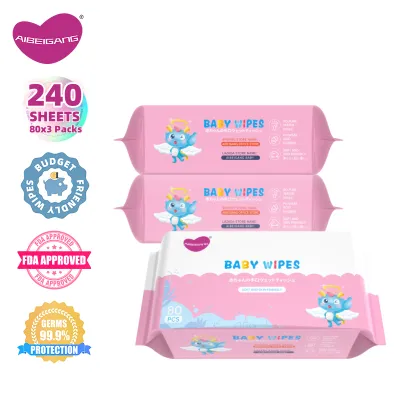
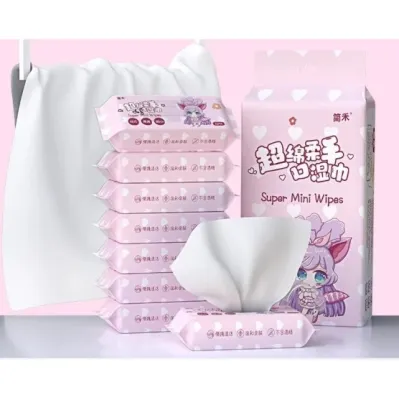
Prices are valid at publication and may change. Please refer to the product page for the latest price.
Ultimately, there is no single “best” wipe for every sensitive skin scenario. Parents should approach the selection process as a series of informed checks, starting with ingredient verification and ending with observed skin compatibility over several days of use.
Key Criteria for Evaluating Sensitive Skin Wipes
To make an objective comparison between different baby wipe brands, parents must look past marketing claims and focus on established pediatric skin care principles. The first and most critical criterion is ingredient transparency. A high-quality wipe designed for sensitive skin should feature a short, easily recognizable list of ingredients, with purified water making up the vast majority of the formulation. Harsh preservatives, such as parabens, methylisothiazolinone (MI), or phenoxyethanol, along with artificial fragrances and alcohols, should ideally be absent to minimize the risk of cumulative skin sensitization.

Material thickness and texture represent the second key evaluation criterion. The physical fabric of the wipe, often made from plant-based fibers or non-woven spunlace blends, determines how much friction is applied to the skin during use. A textured or embossed surface can help lift messes efficiently, whereas a flat, rough sheet may require repeated wiping, leading to mechanical irritation and compromise of the delicate epidermal barrier.
Moisture saturation levels also dictate how safely a wipe performs. Wipes that are too dry require excessive dragging across the skin, which can cause micro-tears and redness. Conversely, wipes that are overly saturated can leave behind a wet residue that traps humidity in the diaper area; in tropical climates like the Philippines, this excess moisture can create a breeding ground for yeast and bacteria, exacerbating diaper rash.
Finally, parents must understand the true meaning of packaging claims such as “hypoallergenic” or “dermatologically tested.” These terms indicate that the product has undergone basic safety testing, but they do not serve as a legal guarantee of a zero-reaction outcome. Such certifications should be viewed as helpful starting points rather than absolute proof of safety, requiring parents to remain vigilant during the first few days of introducing any new brand.
Evaluating Winey Baby Wipes for Sensitive Skin
When assessing Winey baby wipes, parents should begin with a systematic label checking guide. Turn the package over and inspect the ingredient list, paying close attention to the order of ingredients, which indicates their concentration from highest to lowest. Look for the presence of soothing botanical additives, such as aloe vera or chamomile extracts, while verifying that no hidden synthetic perfumes or drying alcohols are included in the formulation.
Next, perform a physical inspection of the wipe immediately upon opening a fresh pack. Pull a single sheet from the center and evaluate its thickness by holding it up to the light; a high-quality sensitive wipe should feel substantial and resist tearing when stretched. Note whether the surface features an embossed pattern, which helps trap diaper debris with minimal physical pressure, and feel the sheet to check if the moisture distribution is uniform from the top of the pack to the bottom.
Before using a new pack of Winey wipes on your baby’s highly sensitive diaper area, conduct a simple, low-risk scent and residue test on your own skin. Take a wipe and smell it closely to detect any unlisted chemical masking scents, then wipe the inside of your forearm and let the liquid air-dry. If the skin feels sticky, soapy, or tight afterward, this indicates a higher concentration of surfactants or humectants that might irritate a compromised infant skin barrier.
Always read the specific manufacturer warnings and usage instructions printed on the Winey packaging. These guidelines often detail the recommended age ranges, appropriate areas of use (such as avoiding the eyes or open wounds), and clear instructions to discontinue use immediately if redness, swelling, or irritation develops. Caregivers must supervise the use of wipes around toddlers to prevent accidental ingestion or contact with eyes.
How Winey Compares to Other Popular Brands
The baby wipe market in the Philippines is diverse, offering options that range from premium, ultra-purified water-based imports to highly affordable, mass-market local brands. Navigating these choices requires parents to look beyond generic brand loyalty and compare products across specific, actionable performance dimensions.
By breaking down the comparison into ingredients, physical material characteristics, and actual cost-efficiency, you can determine where Winey fits within this spectrum. This systematic approach ensures that your final purchasing decision is based on clinical suitability for your baby’s skin rather than persuasive advertising campaigns.
Comparing Ingredients and Preservatives
When comparing formulations, premium sensitive wipes often utilize a minimalist approach, relying on 99% or more ultra-purified water combined with a single, food-grade preservative or fruit extract to maintain shelf stability. In contrast, standard mass-market wipes frequently employ more complex chemical preservation systems and cleansing surfactants to extend shelf life and lower production costs.
To evaluate Winey, place its ingredient label side-by-side with a premium competitor and a budget-friendly alternative. Note the specific preservative agents used; while preservatives are absolutely necessary to prevent bacterial contamination in wet wipes, some agents are significantly gentler on reactive skin than others. Avoid products containing iodopropynyl butylcarbamate (IPBC) or formaldehyde-releasing agents if your baby is prone to eczema.
Keep in mind that ingredients labeled as “natural” are not inherently safe for sensitive skin. Natural plant extracts, such as lavender or tea tree oil, can act as potent contact allergens for infants with compromised skin barriers. Therefore, when comparing Winey to other brands, the formulation with the shortest, most transparent ingredient list is generally the safest starting baseline.
Comparing Material Thickness and Texture
The physical performance of a wipe is largely determined by its fabric weight, measured in grams per square meter (GSM). Premium brands typically offer a higher GSM, resulting in a thick, cushion-soft sheet that insulates the caregiver’s hand from the mess while protecting the baby’s skin from aggressive rubbing. Thinner, low-GSM wipes often feel flimsy, stretch out of shape easily, and allow liquids to seep through during cleanup.
Texture also plays a vital role in reducing mechanical friction. Embossed patterns, such as raised honeycombs or soft waves, allow a single wipe to lift and lock away semi-solid messes in one gentle pass. If Winey wipes feature a smooth, flat texture, they may require more physical strokes to clean the same area compared to an embossed competitor, increasing the risk of friction-induced redness.
While thinner wipes are generally cheaper per pack, they often prove less efficient in practice. Caregivers frequently find themselves folding thin wipes multiple times or pulling three to four sheets per diaper change. Comparing the physical structural integrity of Winey against other brands will reveal whether the material truly supports gentle, one-pass cleaning.
Comparing Price per Wipe and Sale Value
To determine the true economic value of any baby wipe brand, parents must calculate the cost per individual wipe rather than comparing raw package prices. This calculation is simple: divide the retail price of the pack by the total number of sheets contained inside (₱ Price / Sheet Count = ₱ per wipe). This metric allows for an accurate comparison across varying packaging sizes, such as travel packs, standard 80-sheet packs, and bulk boxes.
When evaluating a winey baby wipes sale, look closely at the terms of the promotion to ensure genuine savings. Verify whether the discounted price applies to bulk bundles or single packs, and confirm that the seller is offering fresh stock with clear manufacturing and expiration dates. A deeply discounted sale on items nearing their expiration date may result in the wipes drying out before you can use them all.
Ultimately, the most cost-effective wipe is one that balances price and performance. A slightly more expensive, thick wipe that cleans a major mess in a single sheet is often more economical—and far gentler on sensitive skin—than a cheap, thin wipe that requires four or five sheets per diaper change and leads to skin irritation.
Decision Framework: Which Wipe Fits Your Baby's Needs?
To simplify your purchasing decision, use this structured framework to match your baby’s specific skin condition and your household budget with the right wipe category:
- Choose Winey if: The verified ingredient list is free from your baby's known skin triggers, the physical sheet thickness provides adequate cleanup without tearing, and a current winey baby wipes sale brings the cost-per-wipe down to a highly competitive rate within your monthly diapering budget.
- Choose a Premium Water-Based Wipe if: Your baby suffers from diagnosed atopic dermatitis, severe eczema, or extreme diaper rash, and your pediatrician recommends a formula with the absolute absolute minimum number of ingredients, regardless of a higher retail price point.
- Choose a Standard Mass-Market Brand if: Your baby's skin is resilient and rarely experiences redness, and you primarily require utility wipes for cleaning hands, faces, toys, and high chairs where high-performance skin barrier protection is not the primary concern.
- Verify First if: You are introducing a new brand to a newborn under one month of age or a baby with an active, inflamed skin condition. In these scenarios, always consult your pediatrician before switching products, and perform a localized patch test on your baby's clean inner thigh for 24 hours to monitor for any adverse reactions.
Smart Shopping: Maximizing Value During a Winey Baby Wipes Sale
Stocking up on baby essentials during promotional periods is an excellent way for families in the Philippines to manage household expenses, but bulk buying requires careful quality control. Always check the manufacturing and expiration dates stamped on the outer carton or individual packs before finalizing a bulk purchase. Baby wipes generally have a shelf life of two to three years from the manufacturing date when unopened, but their moisture levels and preservative efficacy can degrade if stored for too long.
Inspect the physical packaging integrity of the wipes you purchase. Opt for packs that feature a rigid plastic hard lid over the adhesive opening, as these provide a far superior airtight seal compared to simple peel-back sticker flaps. In high-humidity tropical environments, a compromised seal allows moisture to evaporate rapidly, leaving you with dry, abrasive sheets that are useless for gentle cleaning and highly susceptible to external bacterial contamination.
Proper storage is critical to preserving the quality of bulk-purchased wipes in the Philippines. Store your unopened packs in a cool, dark, and dry cupboard away from direct sunlight, heat sources, and humid areas like bathrooms. High ambient temperatures can accelerate the chemical breakdown of mild preservative systems, which can lead to the growth of mold or bacteria inside the sealed packaging.
Implement a strict first-in, first-out (FIFO) rotation strategy in your nursery. Keep only one active, opened pack of wipes at your changing station, and ensure the lid is snapped shut immediately after extracting a sheet. Keep the remaining bulk inventory sealed in their original boxes in your storage area, pulling the oldest stock first to ensure no single pack sits on your shelves past its optimal usage window.
Frequently Asked Questions (FAQ)
How can I tell if my baby is reacting to a specific wipe brand?
An adverse reaction to a baby wipe typically manifests as localized contact dermatitis. Look for signs such as sudden redness, small raised red bumps, dry or peeling skin, or warm patches directly in the areas that come into contact with the wipe. Your baby may also show signs of physical discomfort, such as crying or fussing, specifically when you wipe their skin during diaper changes.
If you suspect a reaction, stop using the wipes immediately. Switch to using plain, lukewarm water and soft, reusable cotton cloths or cotton balls to clean the area, allowing the skin to air-dry completely before applying a zinc oxide-based barrier cream. If the redness, swelling, or irritation persists, spreads, or shows signs of infection such as oozing, consult your pediatrician or a pediatric dermatologist for a proper medical evaluation.
Is it safe to buy baby wipes in bulk during online sales?
Buying baby wipes in bulk during online sales is highly safe and economical, provided you purchase directly from authorized brand distributors or official flagship stores on reputable e-commerce platforms. Authorized sellers adhere to strict quality control, ensuring that the products are genuine, properly stored, and well within their expiration dates.
Avoid buying from unverified, third-party sellers offering prices that seem unusually low. These products may be counterfeit, expired, or stored in hot, unventilated warehouses that degrade the formula’s preservative system. Always read recent user reviews, looking specifically for feedback regarding dry wipes, broken plastic lids, or unusual chemical odors upon delivery.

Community discussion
Share your experience or ask a question. Comments are reviewed before publication.