
There is no single “best” window child safety lock; the most effective choice depends entirely on your window’s operating mechanism. Sliding windows require track-blocking or clamp-style locks to prevent horizontal movement, while casement windows need crank covers, latch guards, or hinge restrictors to control swinging. Matching the correct lock type to your specific window style ensures proper installation, reliable baby-proofing, and compliance with basic home safety boundaries.
Core Decision Framework: Matching Locks to Window Styles
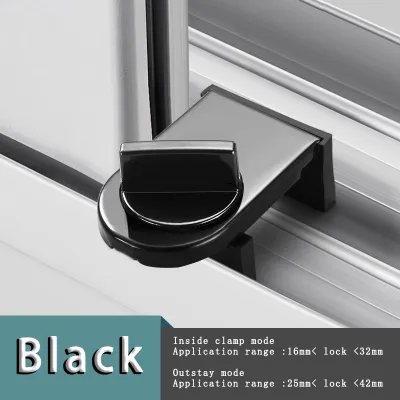
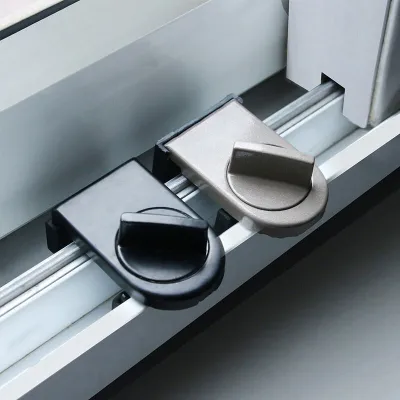
To begin baby-proofing, you must first identify the opening mechanism of each window in your home. Horizontal sliding windows, which are highly common in modern residential developments, operate by gliding along a metal track. For these setups, your primary options are track clamps, wedge stoppers, or sliding track stops that physically block the sash from sliding past a certain point. These devices allow you to leave a small gap for fresh air while preventing the window from opening wide enough for a child to slip through.
In contrast, casement windows swing outward or inward on hinges, usually operated by a rotating crank handle or a manual push-bar. Because these windows do not slide along a track, track clamps are entirely useless here. Instead, you must look for crank covers, latch guards, or restrictor cables. These mechanisms limit how far the window can swing open, ensuring that even if the crank is turned, the opening remains safely restricted.
Products mentioned in this guide
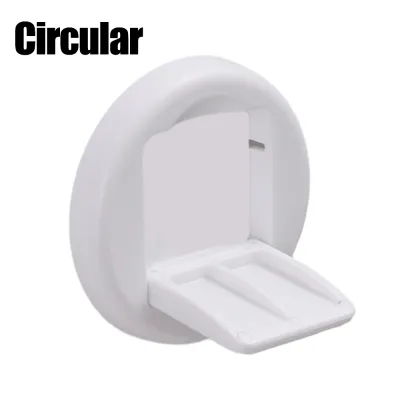
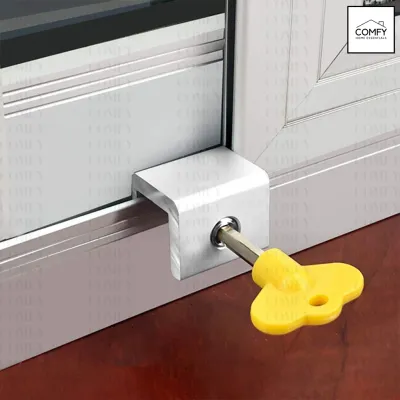
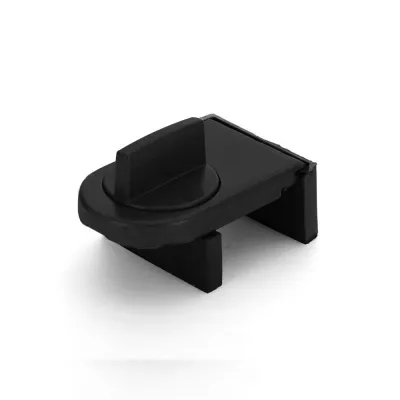
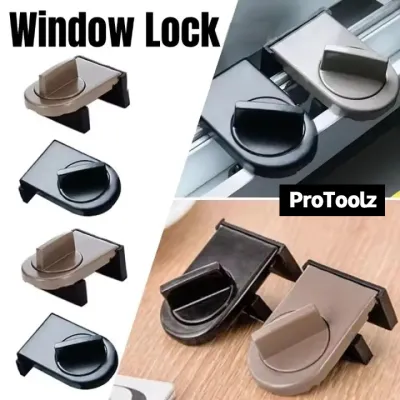
Prices are valid at publication and may change. Please refer to the product page for the latest price.
Before purchasing any locking device, you must verify your window frame material. Residential frames in tropical climates typically consist of aluminum, wood, or uPVC. Each material reacts differently to mounting methods. For instance, heavy-duty drill-in locks provide robust physical resistance but may void the warranty of uPVC frames or damage thin-gauge aluminum. On the other hand, adhesive-based locks do not require drilling but demand a completely flat, non-porous surface to bond effectively.
It is also important to recognize that standard sliding or casement locks will not fit jalousie or louvered windows, which are widely used in older or traditional tropical homes. Jalousie windows consist of multiple parallel glass slats that tilt open simultaneously. Securing these requires specialized louver locks that clamp individual glass panes, or the installation of full, structural window guards on the interior frame. Attempting to force a sliding track lock onto a jalousie frame will fail to secure the window and may crack the glass.
Evaluating Safety Locks for Sliding Windows
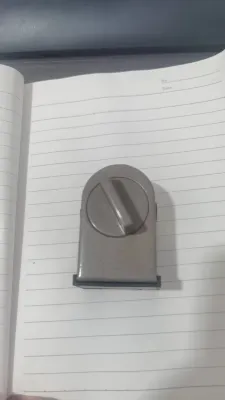
When evaluating safety locks for sliding windows, you will generally choose between track stoppers (such as wedge or screw-down clamp styles) and keyed sliding locks. Track stoppers are highly popular because they are non-invasive and easy to adjust. You simply place the clamp onto the window track and tighten a thumbscrew to lock it in place. This physical barrier stops the sliding sash from moving. However, determined older toddlers may eventually figure out how to turn a thumbscrew if it is within their reach, making keyed sliding locks a more secure alternative for high-risk areas. Keyed locks require a physical key to adjust or remove, adding an extra layer of security against clever children.

Before buying any track-based lock, you must measure your window tracks carefully. Check the track width, depth, and the height of the track lip. Many standard clamps are designed for specific track thicknesses, and a clamp that is too wide will wobble or slide under pressure, rendering it useless. If your track is too shallow, the clamp may not grip the metal securely enough to withstand a child pushing against the window pane.
You must also consider the environmental limitations of adhesive-based track stops. In warm, humid climates, aluminum window frames frequently accumulate condensation, dust, and salt grime. Adhesive backings on plastic wedge stops can degrade rapidly under these conditions, leading to sudden adhesive failure when pressure is applied. While drill-in track locks require more effort and permanently alter the frame, they offer far superior physical resistance because they are mechanically anchored into the metal or wood.
Regardless of the lock type you choose, the primary goal is to restrict the window opening to a safe ventilation gap. This gap must be small enough to prevent a child’s head from passing through. A standard guideline is to keep the opening under 4 inches (approximately 10 centimeters). Always test the installed lock by applying firm outward pressure to ensure the window cannot be forced past this limit, and verify that the lock cannot be easily bypassed or reached by a child standing on nearby furniture.
Evaluating Safety Locks for Casement Windows
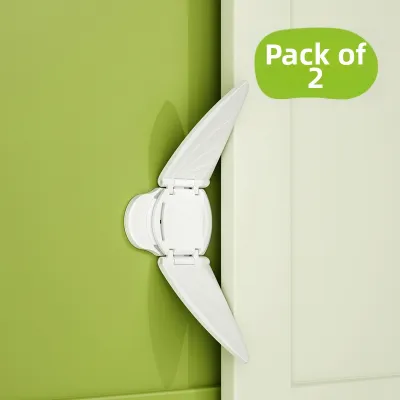
Securing casement windows requires a different approach because the window sash swings outward on a hinge. If your casement windows use a crank mechanism, you can evaluate removable crank handles or locking crank handle covers. Removing the crank handle entirely when the window is closed is a simple, zero-cost way to prevent children from opening the window. If you prefer to keep the handle attached, a locking crank cover fits over the mechanism, spinning freely unless a release button is pressed, which prevents small hands from engaging the gears.
For push-out casement windows that do not use a crank, surface-mounted latch guards or restrictor cables are the primary options. A restrictor cable consists of a heavy-duty cable anchored to both the window frame and the moving sash, limiting the opening distance. When choosing restrictor cables, you must assess the window’s hinge side and opening direction to ensure the cable has enough slack to allow minor ventilation but remains taut before the window opens to a dangerous width.
Clearance is another critical factor when installing hardware on casement windows. You must ensure that the chosen cover, latch, or cable anchor does not interfere with your window treatments, such as insect screens, blinds, or curtains. If a restrictor cable is mounted too close to the screen track, it may prevent the screen from fitting properly, or it may block the window from closing and latching fully, compromising your home’s weatherproofing during heavy tropical rains.
Safety-critical components like restrictor cables must be evaluated with extreme care. Because these devices bear the full force of a child leaning or pushing against an open window, you should verify the manufacturer’s stated tensile strength and weight ratings. The cable is only as strong as its anchor points; therefore, you must ensure the screws are driven into solid frame material rather than thin plastic trim or rotting wood.
Installation Boundaries and Ongoing Safety Checks
Proper installation is just as important as choosing the right lock. If you are using adhesive-mounted locks, meticulous surface preparation is mandatory. You must clean the mounting area thoroughly with rubbing alcohol to remove all grease, dust, and moisture, allowing the surface to dry completely before applying the adhesive. Once applied, most high-strength adhesives require a curing period—often up to 24 hours—before they can withstand any force. Do not test or pull on the lock during this curing window.
For mechanical, drill-in installations, you must understand the structural limits of your windows. Never drill blindly into a window frame. Doing so can puncture internal double-pane seals, shatter tempered glass, or damage structural mullions. If you are unsure of the internal structure of your uPVC or aluminum frames, stop and consult a qualified professional or the window manufacturer before proceeding with any drilling.
Living in a tropical environment with high humidity and coastal salt air accelerates the wear and tear on home hardware. You should establish a routine schedule to check all window locks at least once a month. Inspect adhesive mounts for peeling edges, check metal clamps for rust or corrosion, and tighten any screws that may have loosened due to the daily vibration of opening and closing the windows. If a lock feels loose, sticky, or fails to engage smoothly, replace it immediately.
Finally, child safety must always be balanced with emergency egress. In the event of a fire or other emergency, adults must be able to open windows quickly. If you use keyed locks or restrictor cables that require a tool to release, you must keep the keys or release tools in a designated, highly visible location near the window. This spot must be easily accessible to all adults and older family members, but strictly out of reach and sight of toddlers and young children.
Frequently Asked Questions (FAQ)
Can I use the same child safety lock for both sliding and casement windows?
No, you cannot use the same lock type for both window styles due to their completely different mechanical designs. Sliding window locks rely on track friction or physical barriers to block horizontal movement along a track. Casement windows lack these tracks entirely and instead rely on hinges and cranks. Attempting to use a sliding track clamp on a casement window is impossible, while using a casement cable restrictor on a sliding window can be highly inefficient and difficult to mount securely. You should purchase locks specifically designed for each window type to ensure reliable protection.
Are adhesive window locks safe enough for upper-floor windows?
Adhesive window locks are generally not recommended as the primary safety measure for upper-floor windows where a fall could result in severe injury. Over time, exposure to direct sunlight, high tropical humidity, and temperature fluctuations will degrade adhesive bonds, leading to unpredictable failure. For high-risk, upper-floor windows, you should opt for mechanically fastened, drill-in locks or heavy-duty restrictor cables. No matter which locking device you install, remember that safety hardware is a secondary line of defense and should never replace active adult supervision.
How do I secure jalousie or louver windows if standard locks do not fit?
Securing jalousie windows requires specialized solutions because standard sliding and casement locks cannot accommodate the individual tilting glass slats. You can look for specialized louver locks that clamp onto the metal brackets holding the glass panes, preventing them from being tilted open from the inside or outside. Alternatively, installing interior window guards, security grilles, or heavy-duty insect screens with reinforced frames provides a highly effective physical barrier. Always ensure that any clamp or guard you install does not put excessive pressure on the fragile glass slats, which could cause them to crack or shatter.
Community discussion
Share your experience or ask a question. Comments are reviewed before publication.