
Balancing a demanding professional career with the commitment to provide breast milk for your infant is a familiar challenge for many mothers in the Philippines. With the implementation of the Expanded Maternity Leave Law, many moms return to their workplaces after 105 days, making efficient, portable, and discreet pumping options essential for maintaining their lactation journey. Among the premium choices available globally, the willow breast pump has emerged as a highly sought-after solution for its promise of true hands-free, tubeless mobility. However, given its premium price point and the unique challenges of sourcing and maintaining imported baby gear locally, many Filipino moms wonder if it is the right investment or if other wearable alternatives would better suit their daily routines and budgets.
The Short Answer: Willow vs. Other Wearable Pumps
The Willow pump excels in providing true hands-free, tubeless mobility, allowing active moms to pump while moving, working, or even bending over without spilling. This level of freedom is unmatched by traditional setups, making it highly appealing for busy professionals, particularly those navigating long commutes or active household chores. However, this premium convenience comes with a steep price tag, a distinct learning curve, and a highly specific cleaning routine.
In contrast, other wearable breast pumps—which include both direct tubeless competitors and portable models with short tubing—often offer advantages in suction customization, ease of daily maintenance, and overall affordability. Many of these alternatives utilize standard, widely available parts and simpler designs that are easier to wash and sterilize.
Products mentioned in this guide
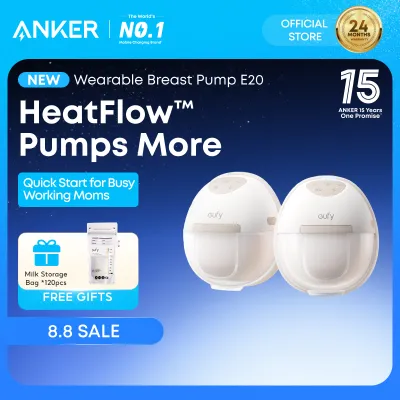
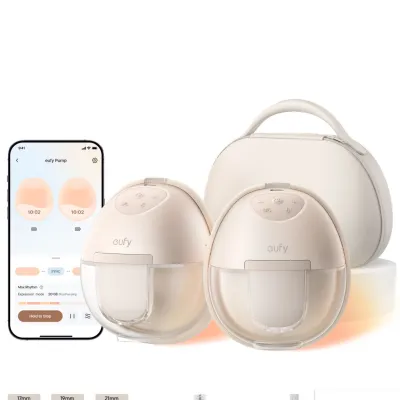
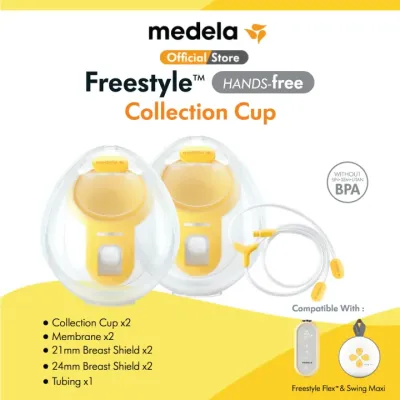
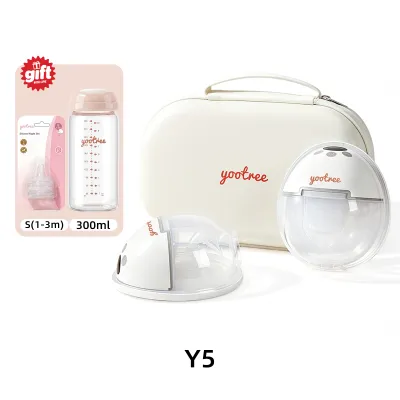
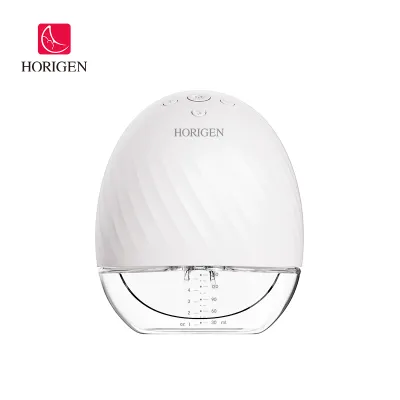
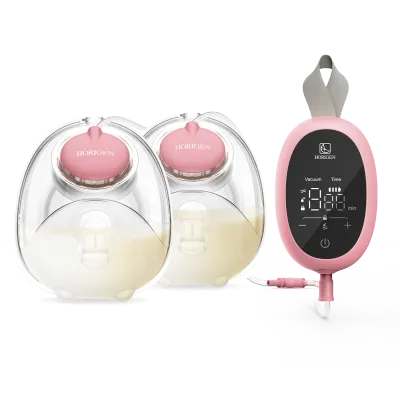
Prices are valid at publication and may change. Please refer to the product page for the latest price.
Ultimately, the best choice depends entirely on your personal priorities. If your lifestyle demands maximum mobility and complete discretion, and your budget permits, the Willow is an exceptional tool. If you prioritize budget-friendliness, straightforward cleaning, and highly customizable suction settings, other wearable options on the market may prove more practical for your breastfeeding journey.
What Makes the Willow Breast Pump Unique?
The Willow breast pump is defined by its innovative, completely self-contained, in-bra design. Unlike traditional pumps that rely on external motors, dangling tubes, or exposed bottles, this device fits entirely inside a standard nursing bra. This allows you to pump discreetly while attending meetings, driving, or managing household tasks.

One of its most notable technological achievements is the option for 360-degree spill-proof pumping when using its proprietary, self-sealing milk bags. This means you can bend over, lie down, or play with older children without worrying about losing a single drop of milk. For moms who prefer a reusable option, the system also supports reusable containers, though these do not offer the same 360-degree spill-proof flexibility and require you to remain upright or slightly tilted.
The pump also features advanced app connectivity, which syncs via Bluetooth to track your milk volume in real-time, monitor your pumping history, and adjust suction levels directly from your smartphone. This smart integration eliminates the guesswork often associated with hands-free pumping, providing clear insights into your output and session duration.
Despite these advanced features, the system has practical limitations that you must carefully consider. The proprietary flange and container system has a steep learning curve; achieving the correct latch and alignment within the closed cup can take several attempts for new users. Additionally, because the system relies on brand-specific accessories, you must regularly purchase proprietary milk bags or specialized replacement parts, which can be difficult to source quickly in the Philippines.
Furthermore, the multi-step cleaning routine required for the reusable containers and inserts can be tedious. Because breast milk contains fats and proteins that adhere to silicone and plastic, keeping these intricate parts sanitary requires meticulous attention. If you are already managing a hectic schedule, the time spent washing and drying these specialized components can offset some of the convenience of hands-free pumping.
How Other Wearable Breast Pumps Compare
Tubeless In-Bra Wearable Pumps
Direct competitors to Willow offer a similar tubeless, in-bra profile but often at a fraction of the cost. These pumps sit entirely within your bra cups, utilizing integrated motors and reusable milk collection shells. While they may lack the advanced 360-degree spill-proof technology of Willow’s bag system, they frequently accommodate larger milk capacities, with some models holding up to 5 or 6 ounces per cup compared to Willow’s standard capacity.
Many of these direct alternatives feature standard, flexible silicone flanges that conform more easily to different breast shapes, offering a more forgiving fit. They also tend to utilize simpler, open-pour collection designs, making it much easier to transfer expressed milk into standard local storage bags or feeding bottles without needing specialized tools.
When considering these direct tubeless alternatives, it is crucial to verify local availability, authorized warranty support, and customer service channels within the Philippines. Purchasing a pump that lacks official local distribution means that if a motor fails or a membrane tears, you may face long delays and high shipping fees to import replacement parts, temporarily disrupting your pumping schedule.
Portable Wearable Pumps with Tubing
Another popular category consists of portable pumps that utilize short silicone tubing connected to a separate, compact motor unit. While not entirely tubeless, these systems are still highly wearable; the small motor can be clipped to your waistband, slipped into a pocket, or hung around your neck on a lanyard, while the lightweight collection cups sit discreetly inside your bra.
These hybrid models generally offer stronger, more customizable suction profiles that closely mimic hospital-grade breast pumps. Because the motor is not restricted by the physical size limits of an in-bra unit, it can deliver robust performance, making it an excellent option for moms who require stronger stimulation to trigger their let-down reflex or those managing a lower milk supply.
Furthermore, these portable tubed pumps are typically much easier to assemble, clean, and maintain. They utilize standard, widely compatible parts—such as generic duckbill valves and silicone diaphragms—that you can easily purchase from local baby boutiques or online specialty stores. For moms who prioritize reliable suction power, straightforward daily maintenance, and budget-friendliness over absolute, cord-free invisibility, these hybrid portable pumps represent a highly practical middle ground.
Key Factors to Consider Before You Buy
Suction Power and Milk Output
Wearable and tubeless pumps utilize miniature motors designed for portability, which means their suction patterns and overall strength differ from traditional, plug-in double electric pumps. When selecting a pump, you must evaluate how your body responds to different stimulation and expression phases. Some mothers require a highly specific, rapid rhythm to trigger a let-down, while others need a slower, deeper pull to empty the breasts effectively.
Before committing to a purchase, verify the manufacturer’s specifications for maximum suction levels, which are measured in millimeters of mercury (mmHg). While a higher mmHg does not automatically guarantee more milk, having a wider range of adjustable levels allows you to customize the session to your comfort. Remember that pain inhibits the release of oxytocin—the hormone responsible for milk let-down—so pumping at excessively high suction levels out of frustration can actually decrease your overall milk output.
Comfort, Fit, and Flange Sizing
Achieving a proper flange fit is the single most critical factor for comfortable, efficient milk expression and for protecting your breast health. The Willow system utilizes a proprietary sizing structure and rigid flange materials that require precise nipple measurement. If the fit is slightly off, you may experience friction, nipple swelling, blocked milk ducts, or even tissue damage, all of which can severely impact your lactation journey.
Many alternative wearable pumps offer soft, flexible silicone flanges or include a variety of sizing inserts (ranging from 17mm to 21mm) directly in the box, making it easier to find a comfortable fit immediately. Standard silicone flanges tend to be more forgiving of slight anatomical variations and movement during pumping sessions.
Regardless of the brand you choose, never assume your flange size based on standard clothing sizes or pre-pregnancy measurements. Nipple size can change throughout pregnancy and postpartum, so it is highly recommended to use a physical measuring tool or consult an International Board Certified Lactation Consultant (IBCLC) to determine your correct size before purchasing your pump or accessories.
Cleaning, Maintenance, and Daily Use
The practical reality of daily pumping involves continuous cycles of washing, sterilizing, and drying parts. In the warm, highly humid tropical climate of the Philippines, moisture can linger on silicone components, creating an ideal environment for mold and bacterial growth. Therefore, the complexity of your pump’s design directly impacts your daily workload and hygiene standards.
Tubeless in-bra pumps often consist of multiple intricate parts, including specialized valves, diaphragms, and milk containers, which must be carefully disassembled and washed by hand. You must verify the manufacturer’s care instructions regarding sterilization; some brands explicitly warn against using UV sterilizers on certain silicone parts, as prolonged UV exposure can degrade the material, causing it to warp and lose suction. If your sterilizer’s instructions conflict with the pump manufacturer’s guidelines, always defer to the pump manufacturer to protect your warranty and ensure safety.
Additionally, factor in the long-term cost and local availability of consumable parts. Wearable parts like duckbill valves and silicone membranes naturally stretch and wear out over time, typically requiring replacement every one to three months to maintain optimal suction. Ensure that these specific replacement parts are easily accessible from reliable local retailers so you are never left without a working pump.
Price, Value, and Availability in the Philippines
Purchasing a premium wearable pump in the Philippines requires careful financial planning. The Willow pump sits firmly in the high-end premium tier, often costing between ₱25,000 and ₱35,000 when imported, excluding the recurring costs of proprietary milk bags, replacement inserts, and potential international shipping fees. Mid-range wearable alternatives typically range from ₱5,000 to ₱15,000, while basic, budget-friendly options can be found for under ₱5,000.
Because premium imported pumps are highly coveted, the local market contains numerous unauthorized listings on general online marketplaces and social commerce platforms. You must exercise extreme caution when browsing these channels; purchasing from unauthorized sellers carries a high risk of acquiring counterfeit products. These imitation pumps may use cheap, non-food-grade plastics containing harmful chemicals like BPA or phthalates, which can leach into your milk and pose severe health risks to your baby.
Furthermore, grey-market or counterfeit units do not come with valid manufacturer warranties or local customer support. If the motor fails or a technical glitch occurs, you will have no recourse for repairs or replacements, turning a significant investment into a total loss.
To guarantee safety and value, always purchase your breast pump and accessories from official brand websites, authorized local distributors, or reputable physical maternity boutiques in the Philippines. These established retailers provide genuine, certified products, clear warranty terms, and reliable customer service to assist you if any issues arise during your breastfeeding journey.
Final Decision Framework: Which Pump is Right for You?
To help you make a confident, informed decision that aligns with your daily routine and family budget, consider the following practical scenarios:
Choose the Willow Breast Pump if:
- You require absolute, unrestricted mobility to move, bend, or commute without any risk of spilling milk.
- You are comfortable making a significant upfront financial investment and purchasing recurring proprietary accessories.
- You have access to a reliable method for sourcing replacement parts and do not mind a detailed, multi-step cleaning and drying routine.
Choose Other Tubeless In-Bra Wearables if:
- You want the discreet, cord-free convenience of an in-bra pump but prefer a more affordable upfront price point.
- You prefer using standard, reusable collection cups that make transferring milk to local storage bags straightforward.
- You want a system that utilizes flexible silicone flanges and has readily available replacement parts through authorized local distributors in the Philippines.
Choose Portable Wearables with Tubing if:
- Your primary concerns are robust, highly customizable suction power and maintaining a consistent milk supply.
- You want a highly durable system with a larger battery capacity that is easy to clean, assemble, and maintain daily.
- You prefer a budget-friendly option that uses standard, highly compatible parts available at most local baby stores.
Verify First if:
- You are experiencing persistent nipple pain, low milk output, or symptoms of mastitis (such as localized breast redness, warmth, or fever). In these situations, stop using the pump immediately and consult an International Board Certified Lactation Consultant (IBCLC) or a qualified healthcare professional. A premium pump cannot resolve underlying latch or supply issues without proper clinical guidance and personalized care.
Community discussion
Share your experience or ask a question. Comments are reviewed before publication.