
When your baby starts teething, finding a safe, hygienic, and durable way to keep their soothing toys within reach becomes a top priority. Teether holders prevent teethers from falling onto dirty floors, but the material you choose plays a critical role in your baby’s health and comfort. While fabric and plastic are common options, silicone has emerged as the premier choice for parents seeking the highest standards of safety and utility.
In tropical climates like the Philippines, where high humidity and warm temperatures accelerate the growth of bacteria and mold, material selection requires even greater care. A teether holder is constantly exposed to saliva, sweat, and environmental moisture, making standard fabrics and cheap plastics highly susceptible to hygiene issues. Silicone addresses these environmental challenges directly, offering a resilient, non-toxic, and easy-to-clean alternative that supports your baby’s developmental needs.
By understanding the physical and chemical properties of food-grade silicone, you can make an informed decision that protects your little one during their teething journey. This guide examines the safety profile of silicone, compares its hygiene performance directly against fabric and plastic, details how its texture soothes inflamed gums, and provides a practical checklist for choosing a high-quality holder.
Products mentioned in this guide
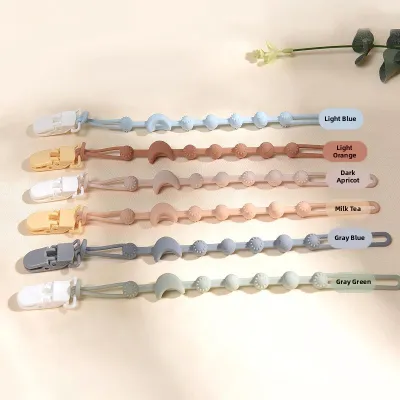
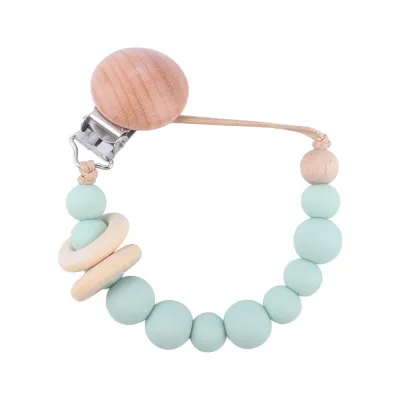
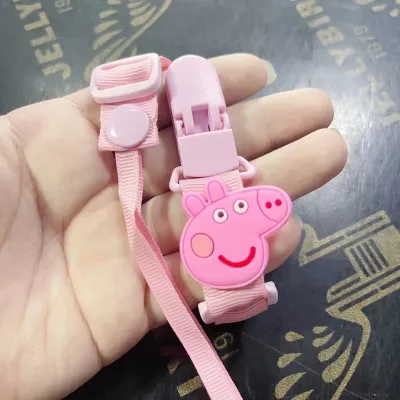
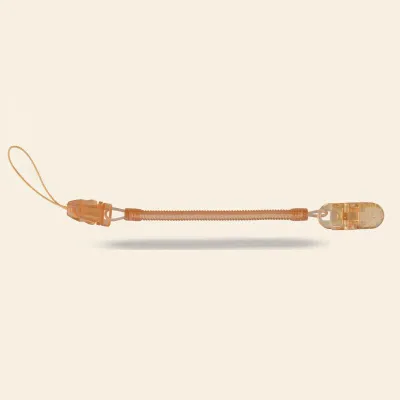

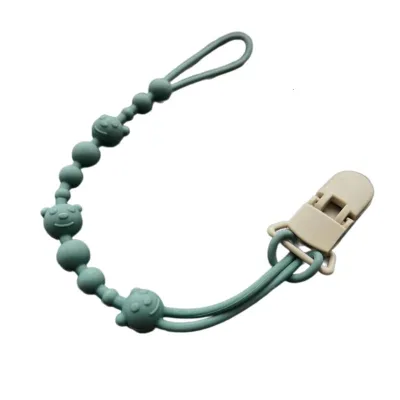
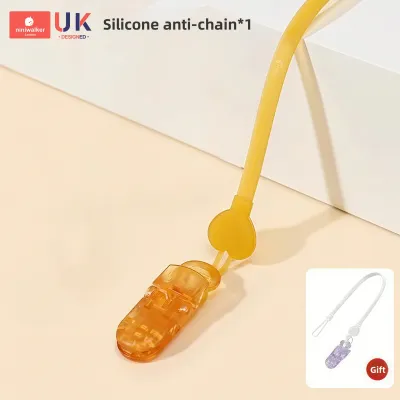
Prices are valid at publication and may change. Please refer to the product page for the latest price.
Understanding the Safety Profile of Silicone for Oral Use
When evaluating any product that your baby will put in their mouth, chemical safety is the primary consideration. High-quality silicone is an inert polymer made primarily of silicon, oxygen, carbon, and hydrogen. Because of its stable chemical structure, it does not react with saliva, breast milk, formula, or baby food, nor does it leach harmful substances over time. This stability makes it an exceptionally safe material for oral development accessories.
One of the most significant advantages of high-quality silicone is that it is naturally free from harmful chemical additives. Traditional plastics often rely on bisphenol A (BPA) to increase rigidity or phthalates to improve flexibility. These compounds are known endocrine disruptors that can interfere with a child’s hormonal development. Similarly, polyvinyl chloride (PVC) and heavy metals like lead are sometimes present in low-grade plastics but are entirely absent from pure silicone. Choosing silicone eliminates the risk of exposing your baby to these hidden chemical hazards.
However, parents must understand that not all silicone is manufactured to the same standards. Industrial-grade silicone, often used in household tools or general manufacturing, may contain chemical fillers, pigments, or processing aids that are unsafe for oral contact. For baby products, you must verify that the item is made from “food-grade” or “medical-grade” silicone. Food-grade silicone undergoes strict purification processes to ensure it meets safety standards for food contact, ensuring that no volatile organic compounds or toxic residues remain in the material.
To ensure you are purchasing a genuinely safe product, do not rely solely on the word “silicone” in an online product title. Carefully inspect the physical packaging, product labels, and manufacturer specifications. Look for explicit declarations of “100% food-grade silicone” and verify compliance with recognized international safety standards, such as US Food and Drug Administration (FDA) regulations or European LFGB standards. If a product lacks clear manufacturer contact details, batch numbers, or safety certifications, it is best to avoid it.
While material purity is a critical foundation, it is important to remember that material safety is only one component of overall product safety. A chemically pure silicone holder can still pose physical risks if the structural design is flawed or if the product is used incorrectly. Always view material certifications as a non-negotiable starting point rather than a complete guarantee of absolute safety, and continue to prioritize proper use and active supervision.
Hygiene and Cleaning: How Silicone Beats Fabric and Plastic
Keeping baby items clean is a constant task, and the material of your teether holder heavily influences how much effort is required to maintain proper hygiene. In the Philippines, the prevailing tropical humidity creates a challenging environment for baby gear. When a baby drools on a fabric teether holder, the fabric absorbs the moisture and remains damp for extended periods. This persistent dampness, combined with the warm climate, creates an ideal breeding ground for mold, mildew, and bacterial pathogens. Fabric fibers also trap dust, lint, and food particles, requiring frequent machine washing and long drying times to remain sanitary.

Silicone solves this problem through its completely non-porous surface. Because silicone does not absorb liquids, saliva and sweat cannot penetrate the material. Any moisture remains on the surface where it can be easily wiped away or allowed to evaporate quickly, preventing the growth of mold and bacteria. This moisture resistance is a major advantage for busy parents who need a low-maintenance solution that stays hygienic throughout a hot, humid day.
In contrast, hard plastic holders present a different hygiene challenge. While plastic is also non-porous initially, it is highly susceptible to physical wear. As your baby chews on a plastic holder with their emerging teeth, or as the holder is dropped onto rough concrete, tile, or outdoor surfaces, the plastic develops microscopic scratches. These tiny grooves are incredibly difficult to clean thoroughly with standard washing methods. Over time, they collect microscopic food particles, saliva, and bacteria, turning the holder into a silent reservoir for germs. Silicone’s elastomeric properties allow it to resist scratching, preserving a smooth, cleanable surface even after months of intensive chewing.
Maintaining a silicone teether holder is straightforward and requires minimal effort. For daily cleaning, simply wash the holder with warm water and a mild, baby-safe dishwashing liquid. Use a clean, soft cloth or sponge to gently wipe down the surface, ensuring you reach any textured areas or crevices. Rinse the holder thoroughly under clean running water to remove all soap residue, and hang it to air-dry in a well-ventilated space out of direct sunlight.
While pure silicone is highly heat-resistant, you must exercise caution before attempting high-heat sterilization methods such as boiling, steam sterilization, or UV sanitizing. Teether holders are rarely made entirely of silicone; they often feature plastic or metal clips, nylon cords, or polyester stitching. High temperatures can melt plastic components, warp metal springs, or weaken the structural integrity of the cords holding the pieces together. Always consult the manufacturer’s exact care instructions on the packaging before exposing the holder to extreme heat or UV light to prevent structural damage that could compromise safety.
Durability and Comfort: Why Silicone Soothes Sore Gums
The physical sensation of teething can cause significant discomfort, leading to swollen, tender, and inflamed gums. During this stage, babies instinctively seek out objects to chew on to apply counter-pressure to their gums, which helps ease the pain of erupting teeth. The material of a teether holder should not only keep the teether secure but also offer a safe, comfortable texture if the baby decides to chew on the holder itself.
Silicone provides the ideal balance of softness and physical resilience. It is flexible and yielding, which means it will not bruise or irritate sensitive, swollen gums when a baby bites down with force. At the same time, silicone possesses an inherent elastomeric resistance that provides the firm, satisfying feedback babies crave during oral sensory exploration. This unique combination of properties makes it far more comfortable and effective for teething relief than alternative materials.
Hard plastic, by comparison, is rigid and unforgiving. When a teething baby bites down on hard plastic, the lack of give can cause pain or even bruise delicate gum tissue, leading to increased fussiness. Furthermore, low-quality plastics can become brittle over time. If a baby bites down hard enough on a weakened plastic holder, it can crack or shatter, leaving sharp edges that can cut the baby’s mouth or create small, sharp fragments that present an immediate choking hazard.
Fabric holders present a different set of durability issues. While fabric is soft, it offers no structural resistance or sensory relief for a teething baby. More importantly, constant chewing and exposure to saliva quickly degrade fabric fibers. The threads can fray, the seams can weaken, and the baby may manage to chew through the stitching. This degradation not only ruins the holder but also creates loose threads or small fabric pieces that can easily be swallowed or cause choking.
To maintain the safety and comfort of a silicone teether holder, parents must establish a routine of regular physical inspections. Before handing the holder to your baby, take a moment to stretch the silicone gently and examine it closely under bright light. Check for the following signs of wear and tear:
- Micro-tears or cuts: Look closely around holes, joints, or where the silicone connects to the clip.
- Thinning or stretching: Identify any areas that appear unusually worn or have lost their original elasticity.
- Sticky or tacky texture: This indicates that the silicone polymer is beginning to degrade, often due to improper cleaning, chemical exposure, or prolonged UV exposure.
- Persistent discoloration: Note any deep stains or color changes that do not wash away with standard cleaning.
If you detect any of these signs of degradation, stop using the teether holder immediately and discard it. Replacing the holder at the first sign of wear is essential to prevent structural failure and ensure your baby’s safety.
What to Look for When Choosing a Silicone Teether Holder
Selecting the right silicone teether holder involves more than just picking an appealing color or design. Because this accessory is used in close proximity to your baby’s face and mouth, you must carefully evaluate its structural design, mechanical components, and overall safety features before making a purchase.
First, examine the structural design of the holder. Prioritize designs that feature one-piece molded silicone construction or have very few separate components. One-piece designs are inherently safer because they eliminate the risk of individual beads or decorative parts detaching. If you prefer a beaded silicone holder, look for models where each bead is separated by a secure knot on a high-strength nylon or polyester cord. The end knots must be professionally sealed and completely inaccessible to the baby. Avoid any holders with loose beads, poorly secured ends, or fragile plastic connectors that could break under tension.
Second, evaluate the clip and strap mechanism. The clip is the anchor of the holder and must be strong enough to resist a baby’s tugging, yet gentle enough not to damage clothing. Look for lead-free metal clips or food-grade plastic clips with smooth, rounded edges. Ensure the clip features plastic protective inserts inside the clasp; this design provides a firm grip on fabric without tearing or fraying your baby’s clothes.
Equally important is the length of the strap. To prevent any risk of strangulation or entanglement, the total length of the teether holder—including the strap, beads, and loop, but excluding the clip—should never exceed 220 millimeters (approximately 8.6 inches), in accordance with international safety standards like EN 12586. Never use long lanyards, DIY ribbons, or cords as teether holders, as these pose a severe risk to your baby’s airway.
Third, verify all material claims and age-appropriateness labels on the product packaging. Ensure the manufacturer explicitly states that the product is designed for oral use, is non-toxic, and is suitable for your baby’s specific age and developmental stage. This information is crucial for confirming that the product has undergone the necessary testing for physical and chemical safety.
Finally, establish clear safety boundaries for daily use. Always supervise your baby actively whenever they are using a teether holder. Never attach the holder to loose clothing, bibs, blankets, ribbons, or crib rails, as this can create dangerous loops or allow the holder to wrap around the baby’s neck. Always remove the teether holder before putting your baby down to sleep, whether for a nap or overnight, and never leave it in a crib, bassinet, or playpen. If the clip mechanism fails to hold securely, or if you notice any damage to the silicone or cord, stop using the product immediately and do not attempt to repair it with household adhesives or sewing threads.
Frequently Asked Questions (FAQ)
Can I sterilize a silicone teether holder in boiling water?
While pure, high-quality food-grade silicone can easily withstand the high temperatures of boiling water, most teether holders are not made of silicone alone. They typically incorporate other materials, such as plastic or metal clips, metal springs, or polyester cords, which can warp, rust, melt, or degrade when exposed to boiling water or steam. To prevent damaging the holder or creating a physical safety hazard, always check the manufacturer’s specific care and sterilization instructions on the packaging before using boiling water, steam sterilizers, or UV sanitizing devices.
How often should I replace a silicone teether holder?
There is no fixed expiration date or pre-determined lifespan for a silicone teether holder, as durability depends heavily on how frequently it is used, how aggressively the baby chews, and how it is cleaned. Instead of relying on a timeline, you should physically inspect the holder before every single use. Look closely for micro-tears, structural thinning, a sticky or tacky surface, or a loose clip mechanism. If you observe any of these signs of wear, physical damage, or material degradation, discard the holder immediately and replace it with a new one.
Are silicone teether holders safe for newborns?
Silicone teether holders are generally not recommended for newborns. These accessories are designed for babies who have entered the teething stage and have developed the motor skills necessary to grasp, hold, and direct objects to their mouths, which typically occurs between 3 and 6 months of age. Before introducing a teether holder, consult your pediatrician to confirm your baby’s individual developmental readiness. Additionally, never leave a teether holder attached to a baby who is sleeping, resting, or unsupervised, regardless of their age.
Community discussion
Share your experience or ask a question. Comments are reviewed before publication.