
Choosing the right swaddle for your newborn involves balancing your baby’s natural startle reflex, their tolerance for restriction, and your local climate. There is no single perfect option, as every infant has unique sleeping habits and physical preferences. By understanding how traditional blankets, pre-shaped wraps, and transitional sleep sacks compare, you can select a safe, comfortable option that helps your baby sleep soundly while ensuring they do not overheat in a tropical environment.
Assess Your Baby's Sleep Habits and Reflexes
Newborns are born with involuntary movements, most notably the Moro reflex, which can easily disrupt their sleep. Observing how your baby responds to these sudden movements is the first step in finding the right swaddle. If your little one frequently startles awake with flailing arms, they will likely benefit from a secure, snug wrap that keeps their arms pinned gently to their sides. On the other hand, some babies naturally prefer to sleep with their hands near their face or chest, and forcing their arms straight down may lead to constant fussing.
You must also observe how your baby reacts to physical restriction. Some infants find immediate comfort in tight, womb-like pressure, settling down the moment they are wrapped. Others will actively fight a tight swaddle, kicking their legs and attempting to wiggle their arms free. If your baby falls into the latter category, a traditional tight wrap might cause more frustration than comfort, making a flexible sleep sack or an arms-up swaddle a better initial choice.
Products mentioned in this guide
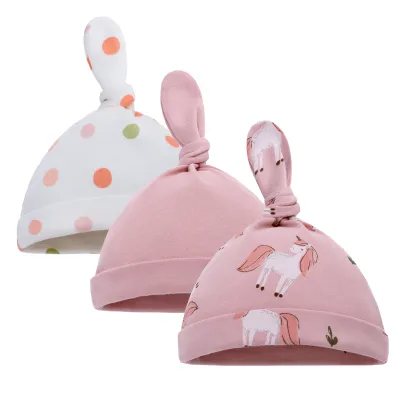
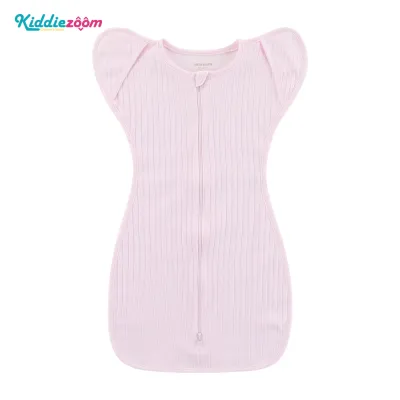
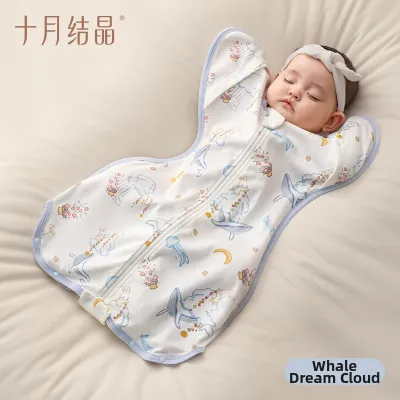
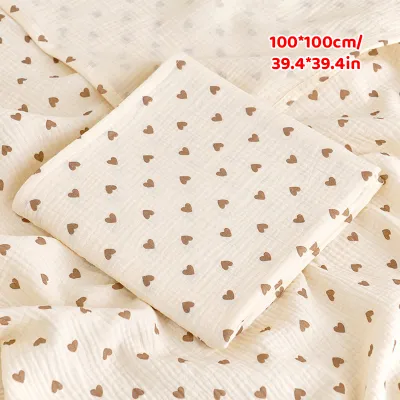
Prices are valid at publication and may change. Please refer to the product page for the latest price.
Caregiver routine and daily convenience are equally important factors to weigh before making a purchase. Consider your own confidence levels with wrapping techniques, especially during late-night diaper changes when you are sleep-deprived. A traditional blanket requires precise folding and tucking, which can be challenging to execute perfectly in the dark. If you prefer a rapid, straightforward solution that allows easy access to diapers without fully unwrapping your baby, a modern wrap with zippers or Velcro fasteners may save you significant time and stress.
Compare the Main Swaddle Types
The swaddle market is generally divided into three primary categories: traditional blankets, structured wraps, and transitional sleep sacks. Each design offers distinct advantages depending on your baby’s developmental stage, your budget, and your comfort level with different wrapping techniques. Understanding these differences allows you to choose a product that aligns with your family’s specific needs.

Traditional Swaddle Blankets
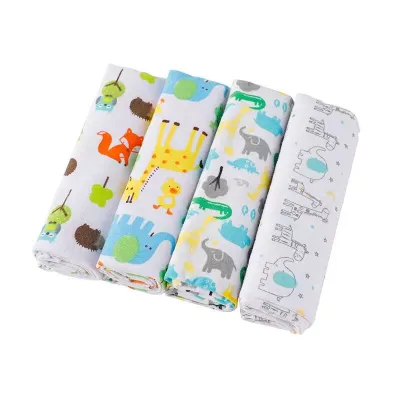
Traditional swaddle blankets are large, square pieces of fabric, typically made from cotton muslin or lightweight cotton flannel. These blankets offer the ultimate customizability because you can adjust the tightness, angle, and fold to fit your baby’s exact body shape as they grow. They are highly versatile items that can easily double as nursing covers, stroller shades, play mats, or burp cloths once your baby outgrows the need for swaddling.
However, traditional blankets require a specific folding technique that carries a distinct learning curve. If the blanket is not folded and tucked securely, your baby may wiggle free, leaving loose fabric in the crib, which poses a serious safety hazard. Because of this risk, parents must be highly diligent in mastering the wrapping technique and ensuring the fold remains secure throughout the night. If your baby is an exceptionally active sleeper who constantly breaks out of blankets, you may want to consider a more secure, structured alternative.
Swaddle Wraps (Velcro or Zipper with Wings)
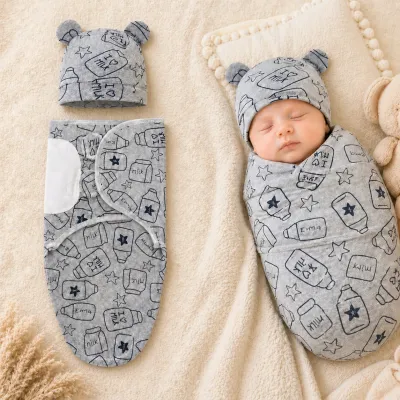
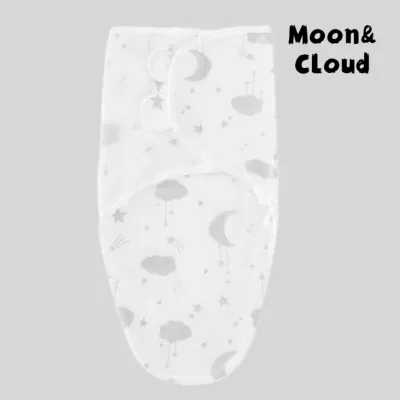
Swaddle wraps are pre-shaped garments designed to simplify the swaddling process through the use of built-in fasteners, such as Velcro tabs or zippers with adjustable fabric wings. These wraps are engineered to provide a quick, secure fit that prevents even the most active babies from breaking free. They are highly popular among sleep-deprived parents because they eliminate the guesswork of folding, allowing you to achieve a snug, safe wrap in a matter of seconds.
When choosing a swaddle wrap, it is critical to verify the quality and placement of the fasteners. Look for designs where the Velcro or zipper elements are covered or positioned away from the baby’s face to prevent accidental scratches on their sensitive skin. Additionally, ensure the leg pouch is sufficiently wide and loose. A proper swaddle wrap must allow your baby’s hips to bend and splay naturally, reducing the risk of hip development issues.
Transitional Sleep Sacks
Transitional sleep sacks are wearable blankets that offer a looser fit around the chest and arms, providing a middle ground between a tight swaddle and a standard blanket. These garments are ideal for babies who dislike intense chest pressure or those who are beginning to show early signs of wanting arm mobility. Many designs feature two-way zippers, which allow you to open the bottom of the sack for quick diaper changes while keeping your baby’s upper body warm and secure.
These sacks are highly adaptable, with many models offering convertible options that allow for arms-in, one-arm-out, or fully arms-out configurations. This flexibility makes them an excellent investment as your baby grows and transitions away from full swaddling. Because they do not restrict arm movement as severely as traditional wraps, they are a safer option for babies who are starting to wiggle actively but are not yet fully rolling over.
Choose the Right Fabric for a Tropical Climate
In a tropical and highly humid climate like the Philippines, preventing your baby from overheating is a primary safety concern. Babies cannot regulate their body temperature as efficiently as adults, making them highly susceptible to heat rash and heat-related sleep disruptions. When selecting a swaddle, you must prioritize lightweight, highly breathable fabrics that allow air to circulate freely and moisture to wick away from your baby’s skin.
Bamboo viscose and lightweight cotton muslin are excellent material choices for warm environments. These fabrics are naturally soft, breathable, and gentle on sensitive newborn skin, helping to keep your baby cool even during warm afternoon naps. Avoid thick fleece, heavy knits, or heavily padded materials unless you keep your nursery consistently air-conditioned at a cool temperature.
To make an informed decision, check the garment’s Thermal Overall Grade (TOG) rating, which is a measure of thermal resistance. For warm, non-air-conditioned tropical environments, look for swaddles with a very low TOG rating, typically between 0.2 and 0.5. If your nursery is air-conditioned, a TOG rating of 1.0 may be appropriate, but you should always adjust your baby’s undergarments accordingly.
As a practical rule, never rely solely on a product’s advertised temperature guide. Regularly check your baby’s thermal comfort by feeling the back of their neck or their chest; if the skin feels hot, sweaty, or damp, your baby is too warm. You should immediately transition them to a lighter fabric or reduce the layers worn underneath the swaddle to prevent overheating.
Essential Safety Rules and When to Stop Swaddling
Safe sleep practices are non-negotiable when using any type of swaddle. First and foremost, always place your swaddled baby on their back to sleep on a firm, flat mattress that is completely free of loose bedding, pillows, or soft toys. Swaddling a baby who is placed on their stomach or side significantly increases the risk of suffocation and sudden infant death syndrome (SIDS).
You must also ensure the swaddle is applied in a hip-healthy manner. The fabric should be snug around your baby’s chest to provide security, but it must remain loose and roomy around their hips and legs. Your baby should be able to bend their knees up and out naturally, forming a slight “frog-leg” position. Swaddling too tightly around the lower body, forcing the legs straight down and pressed together, can lead to hip dysplasia or developmental dislocation of the hip.
Always inspect the swaddle garment before use to ensure there are no loose threads, damaged zippers, or worn-out Velcro that could scratch your baby or unravel during sleep. Keep all loose blankets entirely out of the crib; only use a designated, properly fitted swaddle garment that fits your baby’s current weight and length according to the manufacturer’s size chart. Never purchase an oversized swaddle with the intention of letting your baby grow into it, as excess fabric can easily shift and cover their airway.
The most critical developmental milestone to watch for is the ability to roll over. You must stop swaddling your baby immediately—transitioning to an arms-free sleep sack—the moment they show any signs of attempting to roll over, which can occur as early as two months of age. If a swaddled baby rolls onto their stomach, they will not have their arms free to push themselves up, creating an immediate and severe suffocation hazard.
Frequently Asked Questions (FAQ)
Is it safe to swaddle my baby with their arms out?
Yes, swaddling your baby with their arms out is entirely safe and is often the preferred method for babies who resist having their arms restricted. This approach still provides comforting, snug pressure around the chest and abdomen, which can help soothe your infant. When using this method, ensure that the swaddle wrap or sack is securely fastened around the torso so that the fabric cannot slip upward and cover your baby’s nose or mouth.
How many swaddles should I buy before the baby arrives?
A practical starting point is to purchase three to four swaddles in the newborn size before your baby is born. This quantity allows you to have one swaddle in use, one in the laundry, and one or two clean spares ready for sudden spit-ups, diaper leaks, or drool. Avoid buying a large inventory of a single swaddle type or size initially, as your baby will grow rapidly and may show a strong preference for a specific style that you did not expect.

Community discussion
Share your experience or ask a question. Comments are reviewed before publication.