
Choosing the right portable playmat for your baby depends heavily on where you are going and how you plan to get there. For quick trips to a local park, a thick foldable mat provides the necessary cushioning against uneven ground. If you are heading to a busy shopping mall, a compact rollable mat fits easily into a stroller basket without adding unnecessary bulk. For long provincial road trips or beach outings, a pop-up playmat with built-in shade offers protection against the elements. Matching the mat’s design to your specific travel scenario ensures your baby has a clean, comfortable, and safe space to play wherever you go.
Comparing the Three Main Portable Playmat Styles
Portable playmats generally fall into three distinct design categories, each offering unique trade-offs in terms of cushioning, packed size, and setup speed. Understanding these structural differences helps you narrow down the options before evaluating specific features.
Foldable playmats utilize an accordion-style folding mechanism that allows them to collapse into a flat, rectangular shape. These mats are typically constructed from thicker foam materials, such as cross-linked polyethylene or polyurethane, which provide excellent impact absorption for babies who are learning to sit up or crawl. Because they fold along pre-creased lines, they can be set up or packed away in seconds. However, their flat folded shape can be somewhat bulky, making them more challenging to carry if your hands are already full with diaper bags and strollers.
Products mentioned in this guide
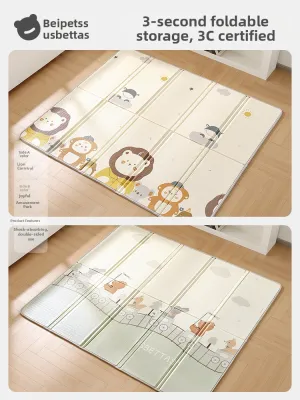
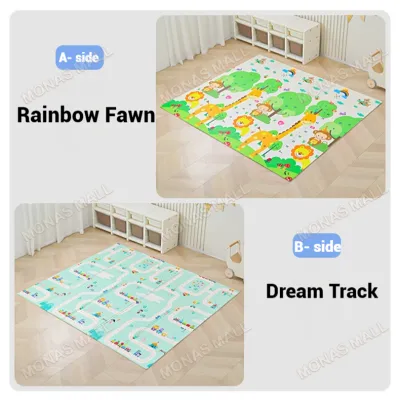
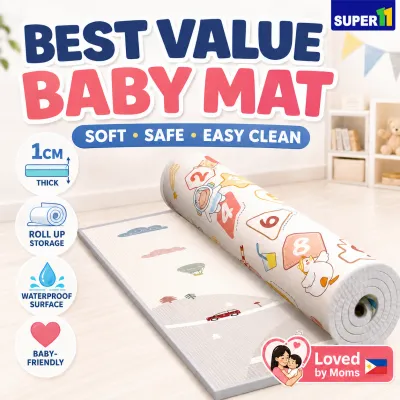
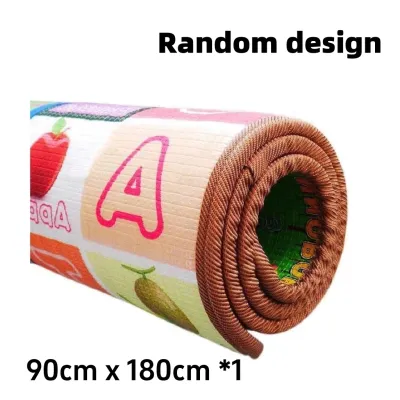
Prices are valid at publication and may change. Please refer to the product page for the latest price.
Rollable playmats are designed to roll tightly into a cylindrical shape, much like a yoga mat. They are usually thinner than foldable mats, prioritizing compact storage and lightweight portability over heavy cushioning. Many rollable models come with integrated carry straps or a dedicated travel bag, allowing you to sling them over your shoulder or strap them directly to the frame of a stroller. While they may not offer enough padding for hard concrete surfaces, they are highly convenient for quick transitions and tight spaces.
Pop-up playmats feature a flexible, spring-like frame that automatically expands into a dome or tent-like structure when unpacked. These mats often include an integrated fabric floor and mesh side panels, creating a semi-enclosed play yard. They are specifically designed to provide a barrier against wind, insects, and direct sunlight, making them highly functional for outdoor environments. The primary trade-off is that they require a specific twisting technique to collapse back into their circular carry bags, which can take some practice to master.
Matching Playmat Styles to Your Outing Scenarios
The ideal playmat style changes depending on the environment your baby will be playing in. Factors such as the hardness of the ground, exposure to tropical weather, and the amount of storage space available in your vehicle or stroller dictate which style will perform best.

Park Visits and Outdoor Picnics
When planning a family picnic at a local park or a grassy field, the ground beneath your playmat is likely to be uneven, damp, or littered with small pebbles. For these environments, a thick foldable mat or a heavy-duty rollable mat is highly beneficial. The extra cushioning protects your baby’s knees and hands from hard ground, while also insulating them from the natural chill or heat of the earth.
Before heading out, it is essential to check the bottom layer of the playmat to ensure it features a water-resistant or waterproof barrier. Grassy areas often hold morning dew or moisture from recent tropical rains, which can quickly seep through standard fabric mats and make your baby uncomfortable. A wipeable, non-porous bottom layer prevents moisture absorption and makes it easy to clean off dirt, grass stains, or mud before packing the mat back into your car.
Portability is another key factor to evaluate for park outings, as you may need to walk a short distance from your parking spot to your picnic area. Look for foldable mats that feature built-in carry handles or come with a durable shoulder strap. A lightweight design allows you to carry the mat comfortably while keeping your hands free to manage your baby’s stroller or diaper bag.
Mall Trips and Indoor Playdates
Taking your baby to an air-conditioned shopping mall or an indoor playdate requires a playmat that prioritizes compact storage and stability on polished surfaces. Mall floors are typically made of smooth tile or polished concrete, which can cause lightweight mats to slide easily when your baby moves.
A thin rollable mat or a highly compact foldable mat is ideal for these indoor settings because they can be tucked away easily. When folded or rolled, these mats should fit comfortably inside a standard stroller basket or hang securely from stroller hooks. This ensures you do not have to carry an extra bulky item while navigating crowded mall aisles or elevators.
To ensure safety on smooth indoor floors, verify that the playmat features a reliable non-slip bottom texture. Look for mats with rubberized backing, silicone grip patterns, or textured surfaces that prevent the mat from sliding when your baby rolls or crawls. Additionally, choosing a mat with neutral colors or subtle patterns can help it blend seamlessly into public indoor environments, keeping the focus on your baby’s play.
Provincial Travel and Long Journeys
Traveling to provinces or spending the weekend at a coastal resort requires a playmat that can handle changing outdoor conditions while remaining highly packable. Long journeys often involve packing a significant amount of luggage, meaning every inch of trunk space is valuable.
Pop-up playmats are highly suited for provincial travel because they offer built-in protection from the elements. Many pop-up models feature canopy covers that provide shade from the sun, as well as fine mesh sides that allow tropical breezes to pass through while keeping mosquitoes and other insects away. This semi-enclosed design creates a comfortable microclimate for your baby to rest or play while you enjoy outdoor resort areas.
Before purchasing a pop-up mat for travel, carefully check its collapsed dimensions to ensure it fits flat in your car trunk or slides easily into your travel luggage. It is also crucial to verify the manufacturer’s age, height, and weight limits for enclosed pop-up styles. Some models are designed strictly for infants who cannot yet sit up or crawl, while others can accommodate older babies. Adhering to these guidelines ensures your baby remains secure inside the structure.
Essential Features to Verify Before Purchasing
Regardless of the style you choose, several critical safety and quality specifications must be verified on the product packaging or the manufacturer’s official manual before making a purchase.
Material safety should always be your primary concern when selecting baby gear. Because babies spend a significant amount of time in direct contact with the playmat, and often place their mouths on the surface, you must verify that the materials are non-toxic. Look for clear labels indicating that the mat is free from harmful chemicals such as bisphenol A (BPA), phthalates, lead, and formaldehyde. Certifications from recognized safety standards should be verified directly on the product packaging.
Balancing thickness and density is another important consideration. While a thicker mat offers more cushioning for accidental falls, it also increases the overall weight and bulk of the product. For a portable mat, look for high-density foam that provides firm support without requiring excessive thickness. This allows the mat to remain lightweight and easy to carry while still offering sufficient protection for your baby’s joints.
Finally, evaluate the durability of the included carry accessories. The straps, buckles, and carry bags provided with portable playmats are subjected to frequent wear and tear during travel. Check that the stitching on carry handles is reinforced and that zippers operate smoothly. A high-quality carry bag not only makes transport easier but also protects the playmat from dust and dirt when it is stored in your home or car.
Cleaning and Storing Your Playmat on the Go
Maintaining proper hygiene is essential when using a playmat in public spaces or outdoor environments. Developing a quick cleaning routine during and after your outings helps prevent the buildup of bacteria and extends the lifespan of your mat.
Before packing your playmat away at the end of an outing, perform a quick wipe-down of the surface. Use baby-safe, alcohol-free wipes or a damp cloth to remove any visible dirt, food crumbs, or drool. This initial cleaning step prevents stains from setting and keeps the mat relatively clean until you can perform a more thorough wash at home.
In the warm and humid climate of the Philippines, moisture control is critical to prevent the growth of mold and mildew. Never roll or fold a damp playmat for long-term storage. If the mat became wet from damp grass or a spilled drink, allow it to air dry completely in a well-ventilated area before packing it away. If you must pack it up while damp to head home, unfold it as soon as you arrive and let it dry thoroughly.
For deep cleaning, always consult the manufacturer’s specific instructions. Some fabric-covered mats feature removable covers that are machine washable, while foam mats typically require hand washing with mild baby soap and warm water. Avoid using harsh chemical cleaners or bleach, as these can degrade the water-resistant coatings and irritate your baby’s sensitive skin.
Frequently Asked Questions (FAQ)
Can I use a regular indoor playmat for outdoor outings?
Using a standard indoor playmat for outdoor outings is generally not recommended. Indoor mats are often heavy, bulky, and lack convenient carry handles or travel bags, making them difficult to transport. Furthermore, they typically do not feature water-resistant bottom layers, meaning moisture from grass or soil can seep through and damage the foam. Outdoor use can also expose delicate indoor materials to rough surfaces, leading to punctures, tears, and premature wear.
How do I fold a pop-up playmat back into its bag?
Collapsing a pop-up playmat requires a specific twisting motion that can be challenging to perform without guidance. To avoid damaging the internal frame, always refer to the folding diagram provided in the manufacturer’s manual. Forcing the flexible wire frame in the wrong direction can bend or snap the internal support structure, rendering the mat unusable. It is highly recommended to practice folding the pop-up mat at home several times before attempting to use it on an actual outing.
Community discussion
Share your experience or ask a question. Comments are reviewed before publication.