
Choosing the right baby carrier is one of the most significant decisions you will make as a parent. A high-quality carrier provides hands-free convenience while keeping your little one secure and close to your chest. If you are considering a premium option like a Nuna carrier, the ideal model for your family depends on your baby’s current weight, physical development, and your daily lifestyle.
There is no single “best” model for every family because parent routines and infant growth stages vary widely. If you need a single carrier to last from the first week of life through the toddler years, a structured, multi-position model with an integrated infant booster is highly practical. For parents living in hot, humid climates who frequently commute outdoors, a model featuring extensive 3D mesh panels and breathable fabrics is essential. Alternatively, if you only require a carrier for quick indoor soothing sessions or brief errands, a lightweight, highly flexible model with simple fastening mechanisms may suit you best.
Before making any purchase, it is vital to verify the exact weight limits, age recommendations, and infant insert requirements on the specific product label. Checking these details ensures the model matches your baby’s current developmental stage and complies with all safety guidelines.
Products mentioned in this guide
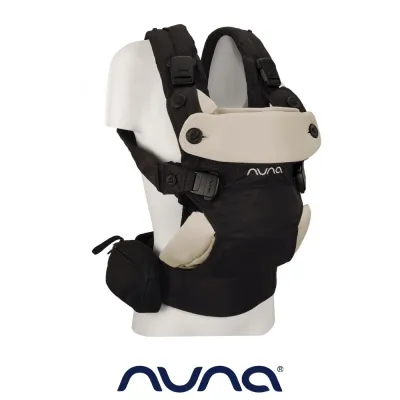
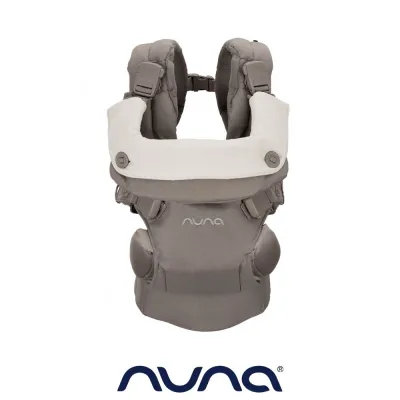
Prices are valid at publication and may change. Please refer to the product page for the latest price.
Key Decision Factors: Developmental Stages and Daily Routines
To select a carrier that remains comfortable for hours, you must first understand how your baby’s physical development dictates safe carrying positions. During the first few months, an infant’s spine and hips are highly vulnerable and require precise structural support. A proper carrier must support the natural “M-shape” seated position, where the baby’s knees are slightly higher than their hips, to promote healthy joint development. Additionally, the carrier must maintain the baby’s natural “C-shape” or “J-shape” spinal curve, preventing the infant’s back from being forced into an unnaturally straight position.
As your baby grows, their weight distribution changes, which directly impacts your physical comfort. A newborn requires minimal weight distribution across your body, but a ten-kilogram older infant will quickly strain your shoulders and lower back if the carrier lacks proper structural support. Parents who plan to carry their child for long walks, outdoor excursions, or extended shopping trips require robust lumbar support and thick, padded shoulder straps. Conversely, if you only need a carrier for short, twenty-minute soothing periods at home, you might prioritize a softer, less bulky design that is easy to store.
Living in a tropical climate like the Philippines introduces unique environmental challenges that must guide your decision. High humidity and persistent heat make sweat buildup a major concern for both the caregiver and the baby. Heat rash and chafing can develop quickly if moisture is trapped between your body and your child’s sensitive skin. To mitigate this risk, prioritize carriers constructed with advanced mesh fabrics, ventilated back panels, and moisture-wicking organic cotton blends that allow continuous airflow.
Furthermore, your daily transit habits play a crucial role in determining which carrier configuration is most practical. Navigating crowded city streets, boarding public transportation, or stepping in and out of local tricycles requires a carrier that is easy to secure and remove without assistance. If you frequently travel by car or taxi, a carrier that folds down compactly to fit inside a diaper bag or stroller basket will save you considerable effort.
Comparing Carrier Configurations by Developmental Stage
As your child transitions from a fragile newborn to an active toddler, their physical capabilities and curiosity change. Understanding how different carrier configurations accommodate these stages will help you decide whether to invest in an all-in-one, multi-stage carrier or a model designed for a specific phase of growth.

Newborn to Young Infant (Inward Facing)
During the first few weeks of life, a newborn lacks the muscle strength to support their own head, making proper head and neck support the most critical safety feature of any carrier. The seat width must be adjustable to ensure the fabric supports the baby from knee-to-knee without forcing their legs too far apart. Many premium carriers, including several Nuna models, feature integrated infant boosters or adjustable leg openings to safely accommodate smaller babies without requiring separate, bulky accessories.
When securing a young infant in the inward-facing position, look for padded, adjustable head support panels that can be folded up and secured as the baby sleeps. Easy-to-reach buckles, especially those located at the front of the carrier, are highly beneficial because they allow you to secure the baby quickly without awkward reaching. Some models utilize magnetic fasteners that snap together automatically, which minimizes fussing during the loading process.
From a safety perspective, you must always ensure the baby’s face is completely visible and their airway remains unobstructed. A helpful rule of thumb is the “close enough to kiss” standard: you should be able to easily kiss the top of your baby’s head simply by tipping your chin downward. If your baby’s chin is pressed tightly against their own chest, or if their face is smothered by thick fabric, immediately adjust the carrier to restore a safe, upright posture. Stop using the inward-facing newborn configuration as soon as your baby exceeds the specified weight limit or shows signs of developmental readiness for the next stage.
Older Infant (Outward Facing and Hip Carry)
Around six months of age, many infants develop strong head and neck control, can sit unassisted, and begin showing a keen interest in their surroundings. This transitional phase is when parents often explore the outward-facing or hip-carry positions. Outward facing allows your baby to satisfy their curiosity by looking at the world, but it should only be used once the baby’s physical development meets the manufacturer’s strict developmental guidelines.
Because an outward-facing baby’s center of gravity pulls forward, this position places significantly more strain on the parent’s shoulders and lower back. To counteract this pull, a high-quality carrier must feature a wide, structured waistbelt that effectively transfers the child’s weight to your hips. Lumbar support attachments and thick, crossable shoulder straps are highly effective at distributing this weight evenly across your torso, preventing localized muscle fatigue.
While outward facing is highly engaging for an active baby, it can easily lead to overstimulation in busy, noisy environments. If your baby becomes fussy, rubs their eyes, or turns their head away from the crowd, it is time to switch them back to the inward-facing position. Additionally, limit outward-facing carrying sessions to short periods—typically no more than twenty to thirty minutes at a time—to prevent joint strain for both you and your child.
Toddler Stage (Back Carry and Extended Use)
Once your child grows into a toddler, carrying them on your front becomes physically impractical and can block your forward vision. Transitioning to a back-carry position is the most ergonomic way to carry a heavier child, as it mimics the natural way our bodies carry heavy backpacks. This configuration allows you to comfortably support a toddler weighing up to fifteen kilograms or more, depending on the specific carrier’s maximum weight rating.
When evaluating a carrier for toddler use, verify that the seat base is wide enough to support the child’s thighs in an ergonomic position, preventing their legs from dangling straight down. The back panel of the carrier must also be tall enough to prevent an active toddler from leaning back too far or slipping out of the sides. Secure, heavy-duty buckles and reinforced stitching are absolute necessities to handle the increased physical strain of a larger child.
Loading a toddler into a back carry can be challenging and requires practice to master safely. Always perform your first few back-carry attempts over a soft surface, such as a bed or a cushioned play mat, and have another adult nearby to assist you. Carefully consult the manufacturer’s instructional manual or video guides to learn the proper hip-slide or over-the-shoulder loading techniques before attempting it independently.
Adapting to the Tropical Climate and Urban Commutes
Daily life in the Philippines presents specific environmental factors that directly influence how comfortable a baby carrier will be for long-term use. Balancing the need for structural support with the realities of local weather and urban travel is key to making a smart investment.
Beating the Heat and Humidity
In a warm, tropical climate, a solid canvas or heavily padded synthetic carrier can quickly turn into an oven, causing both parent and baby to sweat profusely. To prevent discomfort and heat rash, look for carriers designed specifically for warm weather, featuring extensive 3D mesh panels. These specialized mesh fabrics allow air to circulate freely through the body of the carrier, helping to regulate your baby’s body temperature during outdoor walks.
If you prefer natural materials, look for models that combine organic cotton blends with mesh inserts. This combination provides the soft, gentle feel of natural fibers against your baby’s sensitive skin while still offering the ventilation benefits of technical mesh. When using a carrier outdoors, dress your baby in a single layer of lightweight, breathable clothing, and avoid heavy padding or extra blankets inside the carrier.
Urban Commuting and Errands
Navigating local transportation, busy sidewalks, and crowded shopping malls requires a carrier that is highly maneuverable and quick to put on. Heavy, bulky carriers with complex wrapping sequences can be incredibly frustrating to manage when stepping off a tricycle or trying to quickly board an MRT train. For these fast-paced environments, magnetic buckles are incredibly convenient, as they guide themselves into place and lock securely with minimal effort.
Additionally, consider how compactly the carrier folds when it is not in use. If your toddler decides they want to walk while you are in the middle of a mall, you need a carrier that can be rolled up tightly and stowed in a standard diaper bag or under-stroller basket. A bulky, rigid frame carrier can quickly become an annoying obstacle to carry around when it is empty.
Home and Indoor Use
If your primary goal is to use the carrier indoors to soothe a fussy baby, help them nap, or keep your hands free while doing light household chores, your priorities will shift. In an air-conditioned indoor environment, the extreme ventilation of a mesh carrier may be less critical, but overall softness and flexibility become paramount. A heavily structured carrier with thick lumbar support and wide plastic buckles might feel too rigid and uncomfortable when you are sitting on the sofa or washing dishes.
For indoor environments, lightweight hybrid carriers or softer structured models offer a cozy, wrap-like feel while still providing the security of buckles. These models allow your baby to snuggle close to your chest, mimicking the comforting sensation of skin-to-skin contact, which is highly effective at calming newborns during the evening “witching hour.”
Care and Maintenance
Because baby carriers are subjected to sweat, drool, spilled milk, and outdoor dust, they require regular cleaning to maintain hygiene and fabric strength. Before washing your carrier, always consult the care label sewn onto the product for specific washing instructions. Using the wrong detergent or drying method can degrade the structural integrity of the straps, buckles, and safety stitching.
As a general rule, spot-cleaning with a damp cloth and mild, baby-safe detergent is the best way to handle minor spills and extend the life of the fabric. When a full wash is necessary, secure all buckles, place the carrier inside a mesh laundry bag, and use a gentle cycle with cold water. Always air-dry the carrier in a shaded, well-ventilated area; direct tropical sunlight can fade the fabric and weaken the synthetic fibers over time.
Safety, Fit, and Ergonomic Verification Checklist
No matter which Nuna carrier model you choose, its safety and comfort depend entirely on proper adjustment and fit. Use the following checklist before every carrying session to ensure your baby is secure and your body is protected from strain.
- Tightness (T): The carrier straps must be adjusted snugly enough to hold your baby close to your body. Any slack in the fabric will allow the baby to slump, which can restrict their breathing and place unnecessary strain on your back.
- In View at All Times (I): You must always be able to see your baby's face simply by looking down. Ensure the fabric of the carrier, your clothing, or any sunshades do not block your view of their nose and mouth.
- Close Enough to Kiss (C): Your baby's head should sit high on your chest, positioned so that you can easily kiss the top of their head without straining your neck forward. If they are sitting too low, raise the waistbelt higher on your torso.
- Keep Chin off Chest (K): Check that there is always a gap of at least one double-finger width between your baby's chin and their chest. A slumped posture that presses the chin downward can dangerously restrict their airway.
- Supported Back (S): In an inward-facing position, the baby's back should be supported in its natural, gentle curve. The fabric should be taut enough that they do not slump or lean to one side, but not so tight that it flattens their natural spinal alignment.
To ensure your own comfort, take the time to adjust the carrier’s fit to your unique body shape. The thick waistbelt should sit high on your natural waist for newborns to distribute their weight properly, and can be lowered slightly to sit on your hips as your child grows heavier. If your carrier allows for crossed shoulder straps (X-back configuration), try this style to see if it distributes weight more evenly across your upper back compared to standard parallel (H-style) straps.
Pay close attention to physical warning signs that indicate the carrier needs adjustment or that it is time to stop carrying. Red marks or deep indentations on your baby’s thighs suggest the seat width or leg openings are adjusted too tightly. If you experience persistent lower back, shoulder, or neck pain, the waistbelt may be too loose, or the shoulder straps may be unevenly tensioned. If you are unable to achieve a comfortable, pain-free fit after consulting the product manual, consider reaching out to a certified babywearing educator for personalized guidance.
Frequently Asked Questions (FAQ)
Can I use a Nuna carrier for a premature baby?
Premature infants, babies with low birth weight, or those with underlying medical conditions require specialized care and medical clearance before being placed in any baby carrier. Because premature babies often have weaker muscle tone and more vulnerable airways, standard carrier designs may not provide the precise support they need. Always consult your pediatrician or a qualified healthcare professional before using a carrier, and carefully verify the minimum weight requirements listed on the product label.
Do Nuna carriers come with a warranty in the Philippines?
Warranty terms for premium baby gear vary depending on the authorized retailer and the specific model you purchase. To ensure you receive valid warranty coverage and have access to genuine replacement parts, always purchase your carrier from official brand stores or authorized local distributors. Be cautious of heavily discounted listings on unauthorized online marketplaces, as these products may not be covered by local warranties and could be counterfeit, compromising your baby’s safety.
How do I know if my baby is too hot in the carrier?
In a warm, tropical climate, it is crucial to monitor your baby closely for signs of overheating, as infants cannot regulate their body temperature as effectively as adults. Check the back of your baby’s neck or their chest; if the skin feels hot, sweaty, or clammy, they are likely too warm. Other common signs of overheating include flushed cheeks, rapid breathing, damp hair, or unusual fussiness. If you suspect your baby is overheating, remove them from the carrier immediately, move to an air-conditioned or shaded space, and offer fluids.
Community discussion
Share your experience or ask a question. Comments are reviewed before publication.