
Selecting the ideal skincare product for your baby requires a clear understanding of their specific skin type and a careful reading of product labels. Mustela offers several distinct formulations designed to address different skin conditions, ranging from daily hydration for balanced skin to specialized care for extremely dry or eczema-prone skin. Making the right choice ensures your baby’s skin barrier remains supported without exposing them to unnecessary or mismatched ingredients.
To navigate these options successfully, caregivers must distinguish between daily maintenance lotions, intensive barrier creams, and rinse-off cleansing products. While the standard Moisturizing Body Lotion is formulated for normal skin, the Stelatopia range is specifically tailored for very dry and atopic-prone skin. Additionally, products labeled “Gentle Cleansing” are typically washes meant to be rinsed off rather than left on the skin. Always verify the manufacturer’s packaging for age suitability, ingredient lists, and application instructions before introducing any new product to your baby’s routine.
Identifying Your Baby's Skin Needs
Before purchasing any skincare product, take time to observe your baby’s skin in various conditions. Normal baby skin typically appears smooth, supple, and even in tone, requiring only light daily hydration to maintain its natural moisture barrier. If your baby’s skin occasionally feels rough or displays fine, flaky patches—especially after bathing or in air-conditioned rooms—it falls into the dry skin category, which benefits from a slightly richer daily moisturizer.
Products mentioned in this guide
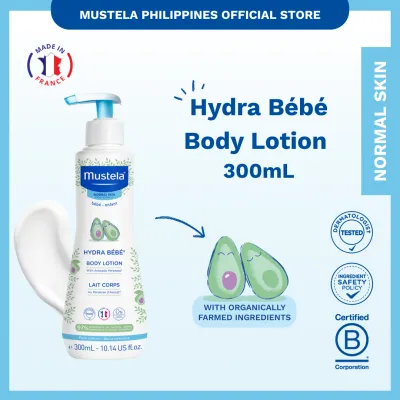
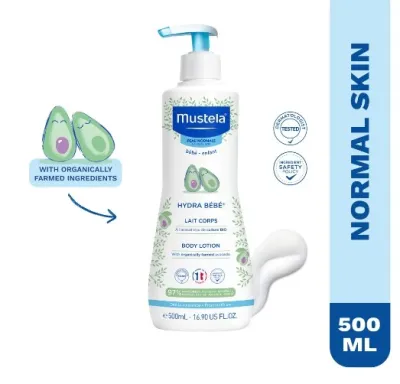
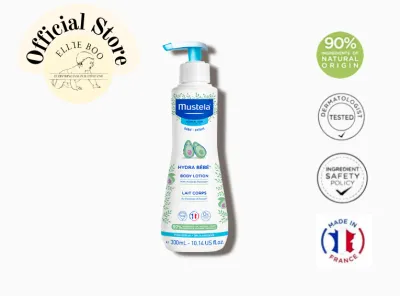
Prices are valid at publication and may change. Please refer to the product page for the latest price.
Eczema-prone or atopic skin requires a much more specialized approach. This condition is characterized by intense dryness, persistent rough patches, visible redness, and signs of discomfort or itching, which may cause your baby to rub their skin. If you observe cracked skin, oozing, bleeding, or signs of localized infection, stop using all over-the-counter cosmetic products immediately and consult a pediatrician or pediatric dermatologist for a proper medical assessment.
Environmental factors in the Philippines play a significant role in how your baby’s skin behaves. The combination of high tropical humidity and intense heat often leads to excessive sweating, which can accumulate in skin folds and trigger heat rashes or irritate existing dry patches. Conversely, prolonged exposure to indoor air conditioning strips moisture from the air, rapidly drying out delicate infant skin. Caregivers must balance these factors by choosing lightweight, breathable hydration for normal skin, or protective, emollient-rich barriers when dealing with compromised skin barriers in air-conditioned environments.
Comparing Mustela Variants for Different Skin Conditions
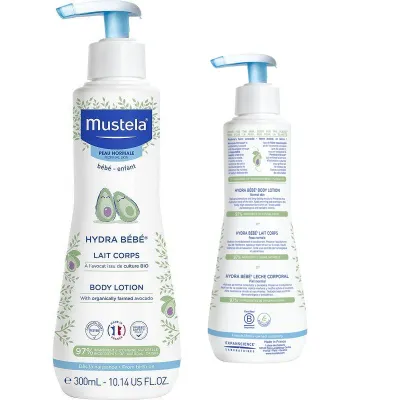
Understanding how to read and interpret product labels is essential when comparing different skincare variants. European baby care brands often feature bilingual labeling or specific terminology that indicates the target skin type. Look closely at the front and back of the packaging for terms like “peau normale” for normal skin, “peau sèche” for dry skin, or “peau à tendance atopique” for atopic-prone skin to ensure the product aligns with your baby’s current skin condition.

Manufacturer packaging also displays crucial information regarding age recommendations, such as “suitable from birth” or specific warnings for newborns. By matching these label indicators to your baby’s observed skin needs, you can narrow down the selection to the correct product line. Let us examine the primary variants available to help you make an informed decision.
Stelatopia Line for Eczema-Prone Skin
The Stelatopia line is specifically engineered for babies with extremely dry, sensitive, or eczema-prone skin. When examining the packaging, look for the prominent “Stelatopia” branding alongside clear indicators specifying suitability for atopic-prone skin. This range is formulated to help replenish lipids and support a compromised skin barrier, rather than simply providing surface-level moisture.
This line is available in different textures, primarily creams and balms, which you should select based on the severity of the dryness. Stelatopia Emollient Cream offers a rich yet fluid texture suitable for daily maintenance of very dry skin, while the Stelatopia Emollient Balm features a much thicker, lipid-replenishing consistency designed for intense dryness and dry patches. Check the product bottle to confirm which texture best suits your baby’s current comfort level.
Always follow the manufacturer’s instructions for application frequency, which typically suggest applying the product twice daily to clean, dry skin. Before applying it widely, perform a localized patch test on a small, unaffected area of your baby’s skin to ensure compatibility. If your baby is experiencing an active, severe eczema flare-up with broken skin, consult your pediatrician before applying any over-the-counter emollient.
Moisturizing Body Lotion for Normal Skin
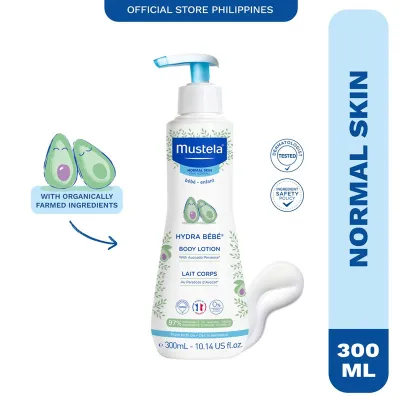
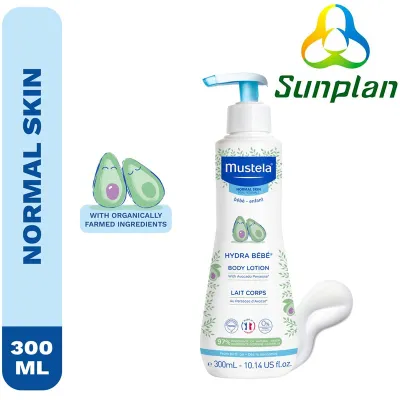
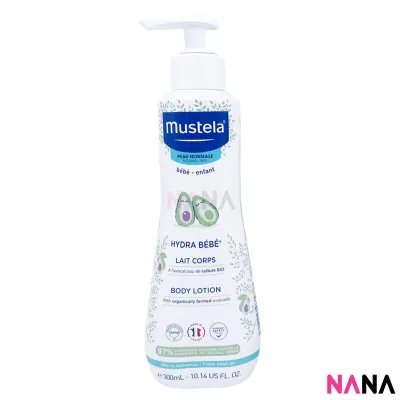
For babies with balanced, healthy skin that does not exhibit chronic dryness or redness, the standard Moisturizing Body Lotion—frequently labeled as Hydra Bébé—is the appropriate choice. This product is designed for daily hydration, helping to maintain the skin’s natural softness and protect it from everyday environmental stressors. The packaging typically highlights its suitability for normal skin and daily use from birth onwards.
The texture of this standard lotion is lightweight, fluid, and designed for rapid absorption. This makes it highly suitable for the warm, humid climate of the Philippines, as it hydrates the skin without leaving a heavy, greasy, or sticky residue that could trap sweat and cause discomfort. It is best applied after bath time to lock in moisture while the skin is still slightly damp.
Always verify the age and application guidelines printed on the back of the bottle. While many of these daily lotions are labeled as safe for newborns, checking the specific packaging ensures you are aware of any updated manufacturer warnings or usage limits. If your baby’s skin begins to show signs of persistent flaking or redness, you may need to transition to a richer formula after consulting a healthcare professional.
Clarifying "Gentle Cleansing" Products
A common point of confusion for many caregivers is distinguishing between leave-on moisturizing lotions and rinse-off cleansing products. The term “Gentle Cleansing” within baby care lines almost always refers to a liquid wash, cleansing gel, or shampoo rather than a moisturizing lotion. Applying a rinse-off cleansing gel and leaving it on the skin can cause severe dryness, irritation, and chemical sensitivity.
To verify whether a product is a moisturizer or a cleanser, carefully inspect the usage instructions on the label. Cleansing products will explicitly instruct you to lather, apply to wet skin, and rinse thoroughly with water, or they may be labeled as “Cleansing Gel” or “Hair and Body Wash.” In contrast, leave-on lotions will instruct you to massage the product gently into the skin until fully absorbed, without any mention of rinsing.
Rinse-off cleansers play a vital role in preparing your baby’s skin for lotion application. Using a mild, soap-free cleanser during bath time removes sweat, dirt, and environmental impurities without stripping away the skin’s natural oils. Once the skin is clean and gently patted dry with a soft towel, it is in the ideal state to receive and absorb the appropriate moisturizing lotion or emollient.
Decision Framework: Which Variant to Choose
To simplify your selection process, use a conditional framework based on your baby’s current, observable skin state. Choose the Stelatopia line if your baby’s skin is consistently rough, extremely dry, flaky, or prone to red, itchy patches associated with atopic dermatitis. This specialized formulation provides the intensive lipid replenishment required to soothe and protect a compromised skin barrier.
Choose the standard Moisturizing Body Lotion if your baby’s skin is generally smooth, clear, and free from chronic dry patches. This lightweight lotion is ideal for maintaining daily hydration, especially in tropical climates where heavy creams might feel too occlusive or uncomfortable during warm days.
Verify first with a pediatrician if your baby exhibits an unidentified rash, oozing skin, persistent redness that does not improve with standard moisturizing, or if you are introducing skincare to a premature infant. It is always safest to seek professional medical guidance before attempting to treat complex skin conditions at home.
When you are ready to purchase, compare current prices in ₱ across authorized local retailers, official brand stores, and reputable online marketplaces. Be cautious of unusually low prices on unauthorized ecommerce platforms, as counterfeit baby products can contain harsh chemicals that pose severe risks to your baby’s delicate skin. Purchasing directly from official flagship stores or certified physical baby boutiques ensures you receive authentic, properly stored products with valid expiration dates.
Safety Checks and Label Verification
Prioritizing safety when introducing any new skincare product to your baby’s routine is paramount. Before applying any lotion or cream to your baby’s face or body, perform a step-by-step patch test. Apply a pea-sized amount of the product to a small, clean area of your baby’s skin, such as the inner forearm or behind the ear, once a day for three consecutive days. Monitor the area closely for any signs of redness, swelling, tiny bumps, or itching; if any reaction occurs, wash the area immediately and do not use the product.
Be aware of red flags that require you to stop using the product immediately and seek medical attention. These include sudden hives, widespread redness, swelling of the face or limbs, or signs that the baby is in pain or experiencing intense itching after application. Never apply lotions over open wounds, broken skin, or active infections unless specifically directed to do so by a qualified pediatrician.
Finally, always verify the product’s expiration date and packaging integrity before use. Look for the Period After Opening symbol on the bottle—typically represented by an open jar icon with a number followed by “M” (such as 6M or 12M)—which indicates how many months the product remains safe to use after it has been opened. Check that the packaging has intact security seals, clear batch codes, and legible manufacturing details to confirm you are using a genuine, safe product for your baby.

Community discussion
Share your experience or ask a question. Comments are reviewed before publication.