
Healing a baby’s irritated skin requires a careful balance of moisture protection and cellular repair. When combatting diaper rash, the effectiveness of any baby diaper rash cream relies entirely on its active and inactive ingredients rather than eye-catching front-label claims. Understanding how these specific components interact with compromised skin allows you to make an informed, safe choice that matches your baby’s current skin condition.
In tropical environments where high humidity and heat are constant, diaper rash can develop rapidly. Sweat, friction, and trapped moisture accelerate skin breakdown, making the choice of ingredients even more critical. By learning to decode the ingredient list on the back of the packaging, you can select a formulation that actively shields the skin from moisture while delivering targeted soothing agents to reduce inflammation.
The Core Purpose of Diaper Rash Cream Ingredients
To choose the right baby diaper rash cream, you must first understand its dual mechanism of action. An effective cream serves two primary functions: it creates a physical, waterproof barrier on top of the skin, and it delivers active agents to soothe inflammation and support the skin’s natural healing process. Without a barrier, urine and fecal enzymes will continue to irritate the raw skin; without soothing agents, the skin takes much longer to repair itself.
Products mentioned in this guide
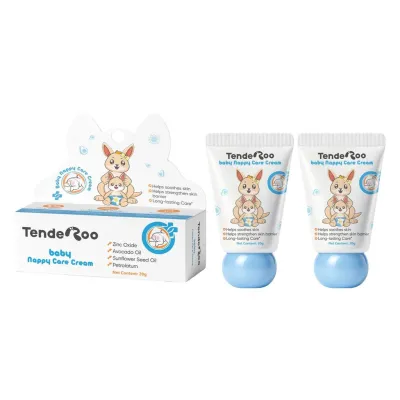
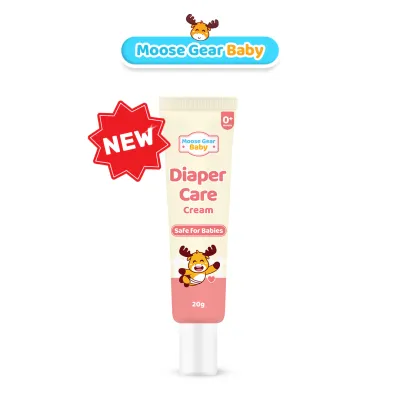
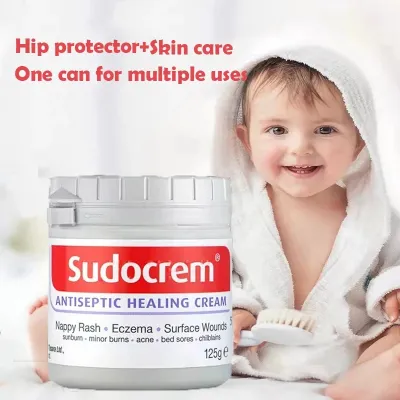
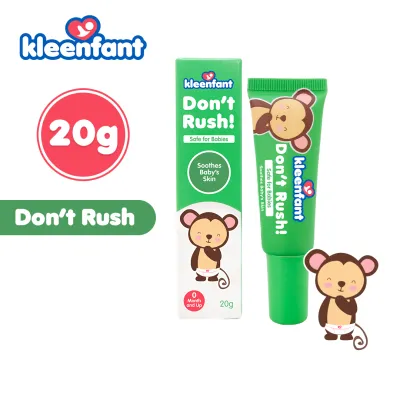
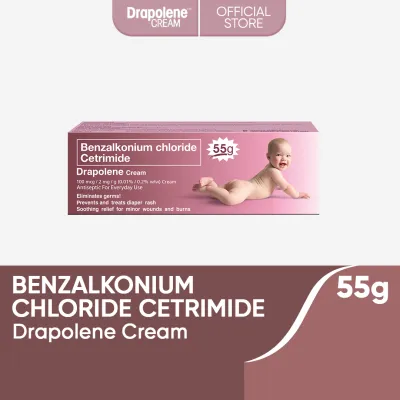
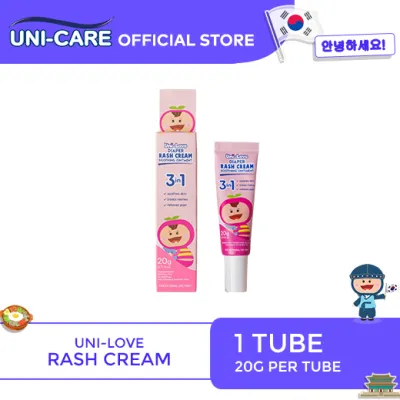
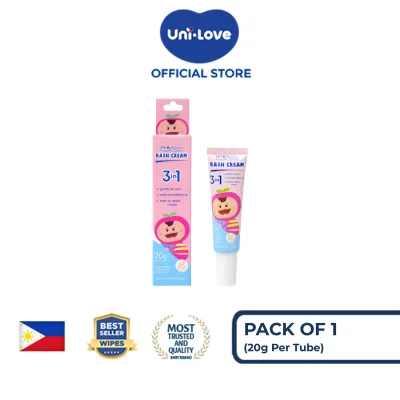
Prices are valid at publication and may change. Please refer to the product page for the latest price.
No single ingredient can accomplish both tasks perfectly. This is why manufacturers combine different classes of ingredients, typically pairing heavy occlusives with soft emollients and botanical extracts. When evaluating products at local pharmacies or online marketplaces, look past marketing buzzwords like “miracle relief” or “instant cure.” Instead, flip the bottle over to verify the concentrations of the active barrier builders and the presence of skin-identical lipids.
Barrier Builders: Zinc Oxide and Petroleum-Based Ointments
Occlusives are the foundation of any diaper rash treatment. These ingredients do not necessarily sink deep into the skin to heal it; instead, they sit firmly on the surface to block external moisture, friction, and irritants. In a humid climate, keeping wetness away from already compromised skin is the most crucial first step in preventing secondary infections.

Zinc Oxide (The Gold Standard for Protection)
Zinc Oxide is widely recognized as the premier physical barrier ingredient in baby skincare. This naturally occurring mineral creates a visible, opaque layer over the skin that completely blocks moisture from urine and feces. Beyond its excellent shielding capabilities, zinc oxide possesses mild astringent and antimicrobial properties, which help dry out weeping rashes and keep the skin surface clean.
When shopping for a baby diaper rash cream, you will notice that zinc oxide concentrations vary significantly, usually ranging from 10% to 40%. Lower concentrations (around 10% to 12%) are lightweight and ideal for daily prevention during regular diaper changes. Higher concentrations (20% to 40%) form a thick, pasty shield designed specifically to treat active, moderate-to-severe diaper dermatitis.
While highly effective, thick zinc oxide pastes can be challenging to clean off during diaper changes. Parents should avoid scrubbing or rubbing the baby’s skin to remove the leftover paste, as this friction can worsen the rash. Instead, use a soft cotton pad saturated with a gentle baby oil or mineral oil to wipe away the soiled upper layer of the cream, leaving the clean base layer intact to minimize skin contact.
Petroleum Jelly and Mineral Oil
Petroleum jelly (petrolatum) and mineral oil are classic, highly refined hydrocarbon occlusives. They work by forming an extremely hydrophobic, waterproof seal over the stratum corneum. Because they are highly stable and chemically inert, they rarely react with other substances, making them incredibly safe for sensitive skin.
These ingredients are highly effective at preventing water loss from the skin while keeping external wetness out. However, they do not contain active anti-inflammatory properties to calm pre-existing, severe redness. This makes pure petroleum jelly or mineral-oil-based ointments best suited for daily prevention on healthy skin or for treating very mild, early-stage pinkness before the skin barrier breaks down.
One major advantage of petroleum jelly and mineral oil is their exceptionally low risk of allergic reactions. Unlike complex botanical blends or creams containing synthetic preservatives, pure petrolatum is tolerated by almost all skin types, including infants with a family history of eczema or severe skin sensitivities.
Soothing and Healing Agents: Botanicals and Emollients
While barrier builders keep external irritants out, soothing agents and emollients work underneath the shield to reduce redness, calm burning sensations, and actively rebuild the skin’s damaged lipid structure. These ingredients are most effective when formulated alongside a strong occlusive that locks them in place.
Calendula and Chamomile Extracts
Botanical extracts like calendula (marigold) and chamomile are frequently added to baby diaper rash cream formulations for their traditional soothing properties. These plants contain natural compounds, such as bisabolol and flavonoids, which help reduce localized skin inflammation and calm the stinging sensation associated with diaper rash.
Despite their soothing potential, botanical ingredients carry a distinct safety boundary. Because they are derived from plants, they can occasionally trigger allergic contact dermatitis, especially in babies with highly sensitive skin or existing allergies to the Asteraceae plant family. Parents should always perform a patch test by applying a small amount of the cream to a patch of healthy skin on the baby’s inner arm for 24 hours before applying it to a raw diaper area.
When reading product labels, verify whether the manufacturer uses standardized, high-quality extracts rather than simply listing the plant name for marketing purposes. If a product contains a long list of unstandardized plant oils, the risk of sensitization increases, making a simpler, fragrance-free formulation a safer choice for highly reactive skin.
Lanolin, Shea Butter, and Ceramides
Emollients play a different role than occlusives. While occlusives block water loss, emollients sink into the skin to smooth out rough patches and fill the microscopic cracks between skin cells. Ingredients like shea butter and ceramides are excellent emollients that mimic the skin’s natural lipid barrier, helping to restore elasticity and accelerate cellular repair.
Ceramides are particularly valuable because they are skin-identical lipids that help rebuild the damaged stratum corneum. Shea butter provides natural fatty acids that nourish dry, irritated skin. Together, these ingredients help the skin recover its natural moisture-retaining capabilities, preventing the dryness and cracking that often follow a resolved diaper rash.
Lanolin is another highly effective emollient known for its deep moisturizing properties. However, because lanolin is a natural substance harvested from sheep’s wool, it can occasionally cause allergic reactions in sensitive individuals. If your baby has a known wool allergy or extremely sensitive skin, verify their tolerance with a patch test or opt for lanolin-free formulations to avoid unnecessary irritation.
Ingredients to Avoid or Use with Caution
When a baby has an active diaper rash, their skin barrier is compromised, making it highly permeable to sensitizing chemicals. What you leave off your baby’s skin is just as important as what you put on it. Parents must carefully scan the ingredient list to avoid ingredients that can cause stinging, burning, or long-term contact allergies.
- Fragrances and Essential Oils: Synthetic fragrances and natural essential oils (such as lavender, citrus, or tea tree oil) are the leading causes of cosmetic contact dermatitis. While they make a cream smell pleasant, they can cause severe stinging on broken skin and sensitize the baby's immune system over time.
- Harsh Preservatives: Preservatives are necessary to prevent bacterial growth in water-based creams, but some are known allergens. Avoid products containing parabens, methylisothiazolinone (MI), or formaldehyde-releasing preservatives, which can easily irritate raw, inflamed skin.
- Talc: Historically used to absorb moisture, talc is generally avoided in modern baby skincare. It carries a severe risk of respiratory tract irritation if inhaled during application. Furthermore, talc does not provide the protective, skin-repairing barrier properties offered by modern zinc oxide or petrolatum formulations.
To ensure maximum safety, prioritize creams explicitly labeled “fragrance-free.” Note that “unscented” products may still contain masking fragrances designed to cover up the natural scent of the ingredients, which can still irritate compromised skin.
How to Match Ingredients to Your Baby’s Rash Severity
Choosing the right cream depends entirely on the current state of your baby’s skin. Using a heavy, maximum-strength treatment for daily prevention can make diaper changes unnecessarily messy, while a light preventative ointment will not provide enough protection for a severe flare-up.
- Daily Prevention: For healthy skin or very mild pinkness, choose simple, lightweight formulations. A thin layer of plain petroleum jelly or a cream with a low zinc oxide percentage (10% to 12%) applied at every diaper change is sufficient to shield the skin from daily moisture.
- Mild to Moderate Redness: When distinct red patches appear, upgrade to a medium-strength baby diaper rash cream containing 15% to 20% zinc oxide. Look for formulations that pair this barrier with soothing emollients like shea butter or calendula to calm active irritation while providing a robust physical shield.
- Severe, Weeping, or Persistent Rash: For intense, bright red, or weeping rashes, select a maximum-strength paste containing 30% to 40% zinc oxide. This thick paste provides an impenetrable barrier that stays on the skin even under heavy moisture conditions, allowing the underlying tissue to heal.
While over-the-counter creams are highly effective for standard diaper dermatitis, parents must recognize when professional medical intervention is required. If the rash becomes bright red with distinct, tiny red dots spreading outward (satellite lesions), develops yellow crusts, oozes pus, starts bleeding, or does not show noticeable improvement after three days of diligent barrier cream application, stop self-treating. These symptoms often indicate a secondary fungal (yeast) or bacterial infection that requires a targeted prescription treatment from a pediatrician.
Frequently Asked Questions (FAQ)
Selecting the right skincare products for an infant often brings up practical questions regarding safety, formulation differences, and application techniques.
Can I use adult zinc oxide cream on my baby?
You should avoid using zinc oxide creams formulated for adults on your baby’s skin. Adult formulations are often designed for different skin concerns, such as acne or eczema, and may contain higher concentrations of salicylic acid, heavy synthetic fragrances, or strong preservatives that are not tested or approved for infant skin safety. Always choose products specifically formulated, tested, and labeled for babies.
Does the thickness of the cream matter more than the ingredients?
The thickness of a baby diaper rash cream indicates the strength of its physical barrier, which is highly beneficial for blocking moisture in severe rashes. However, thickness alone does not guarantee healing. The specific ingredients within the formulation still dictate whether the cream will actively soothe the skin, support lipid repair, or potentially cause an allergic reaction due to added fragrances or harsh preservatives.

Community discussion
Share your experience or ask a question. Comments are reviewed before publication.