
While no topical ingredient can completely stop stretch marks from forming due to the deep physical tearing of dermal fibers, certain ingredients excel at keeping the skin highly hydrated, elastic, and comfortable. To support your skin during rapid expansion, look for humectants like hyaluronic acid and glycerin to draw in moisture, alongside rich emollients like shea butter and plant oils to lock it in. These ingredients help the skin stretch more smoothly and relieve the intense itching that often accompanies a growing belly.
The Role of Skincare in Stretch Mark Prevention
Stretch marks, or striae gravidarum, occur when the body grows faster than the overlying skin can keep up with. This rapid stretching causes the collagen and elastin fibers in the deeper layer of the skin, known as the dermis, to rupture or tear. Genetics, hormonal changes, and the rate of physical expansion play the most significant roles in whether these marks develop.
Because topical skincare products only penetrate the outermost layers of the skin, they cannot physically alter or prevent the breakdown of collagen fibers deep within the dermis. Instead, stretch mark creams, lotions, and oils function primarily to maintain surface hydration, support the skin barrier, and relieve the dry, tight itching that occurs as the abdomen expands. Keeping the stratum corneum flexible and well-hydrated helps the skin surface adapt to tension more comfortably, even if it cannot entirely override genetic predispositions.
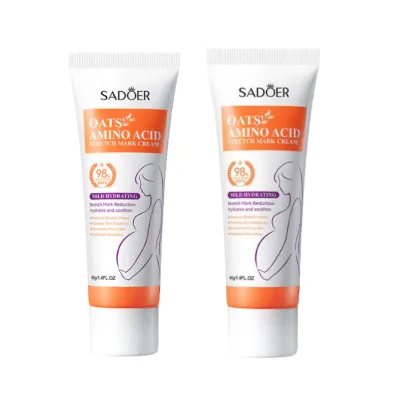
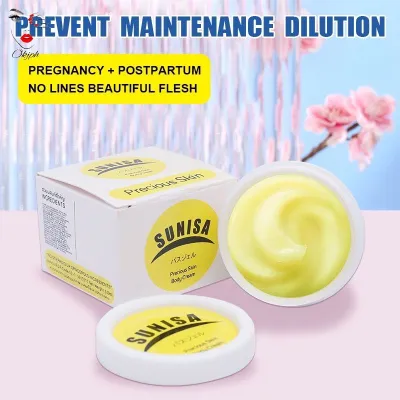
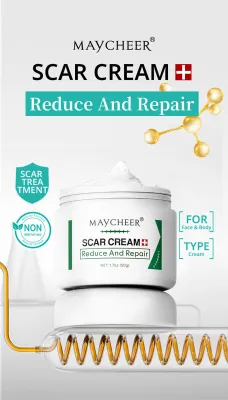
Products mentioned in this guide
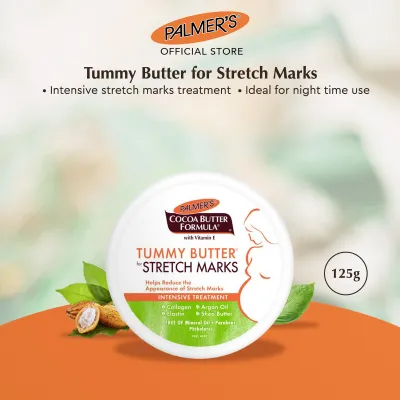
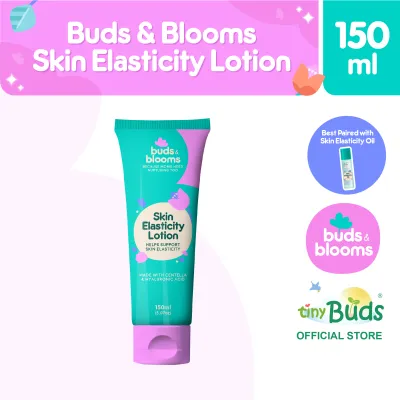
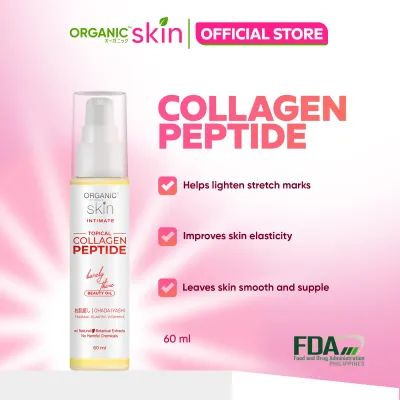
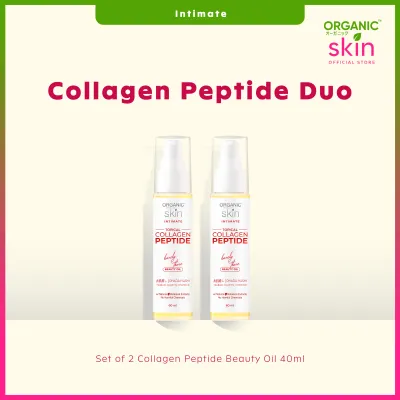
![[ Precious Scar Eliminating Cream ] Acne Scars Stretch Marks Keloids Wound Scars Improves the Appearance of Scar All Skin Types](https://img.lazcdn.com/g/p/21c7977b9f8a13421b5671b887d1abd1.png_400x400q80.png_.webp)
Prices are valid at publication and may change. Please refer to the product page for the latest price.
Common Ingredients Used for Skin Hydration and Elasticity
To effectively support the skin during pregnancy, formulations typically combine different classes of moisturizing agents. These ingredients work in tandem to improve the skin’s overall suppleness and resilience against physical stretching.

Humectants and Emollients
Humectants are water-binding ingredients that draw moisture from the air or deeper skin layers into the outer epidermis. Common humectants like hyaluronic acid and glycerin are highly effective at plumping the skin surface and keeping it hydrated. They provide the initial surge of moisture that tight, dry skin needs to feel comfortable.
Emollients, on the other hand, act as softening agents that fill the spaces between skin cells, sealing in that vital moisture. Ingredients such as shea butter, cocoa butter, and squalane smooth the stratum corneum, reducing flaking and tightness. When shopping for a product, check the ingredient list order; ingredients are listed from highest concentration to lowest, so these key humectants and emollients should ideally appear near the top of the list.
Barrier-Supporting Oils and Extracts
Botanical oils offer a rich source of essential fatty acids that reinforce the skin’s natural lipid barrier. Plant-derived options like jojoba oil, sweet almond oil, and rosehip oil mimic the skin’s natural sebum, helping to prevent transepidermal water loss without leaving an excessively greasy residue. These oils keep the skin pliable as it stretches.
Soothing botanical extracts are also frequently added to calm localized irritation and reduce the persistent itching common in the second and third trimesters. Centella asiatica (often called cica) and vitamin E are popular choices known for their skin-soothing properties. However, because natural origins do not guarantee an absence of allergic reactions, it is essential to patch-test any new botanical product on a small area of your forearm before applying it widely to your abdomen.
Ingredients to Avoid or Verify During Pregnancy
While maintaining skin elasticity is important, safety remains the primary concern when selecting maternity skincare. Certain common skincare ingredients should be avoided entirely or verified with a healthcare provider before use during pregnancy.
Retinoids, which are vitamin A derivatives frequently found in anti-aging and skin-renewing products, are widely recommended to be avoided during pregnancy due to potential risks to the developing baby. On product labels, look out for terms like retinol, retinyl palmitate, retinaldehyde, or adapalene, and set these products aside until after postpartum and breastfeeding.
High-concentration exfoliating acids, such as salicylic acid (a beta hydroxy acid or BHA), also require caution. While low concentrations in daily face washes are generally considered low-risk, high-concentration peels or leave-on body treatments should be verified with your obstetrician. Additionally, undiluted essential oils and heavy synthetic fragrances can trigger severe skin sensitivities or allergic contact dermatitis on sensitized pregnant skin, making fragrance-free options a safer choice. Always cross-reference a manufacturer’s “pregnancy-safe” marketing claims with the actual ingredient list, and consult your doctor if you are unsure about any component.
How to Evaluate Product Claims and Labels
Navigating the marketing claims on maternity skincare requires a critical eye. Terms like “dermatologically tested” or “clinically evaluated” simply mean the product was tested on human skin under the supervision of a dermatologist, but they do not guarantee that the product will completely prevent stretch marks. No cosmetic product can offer an absolute guarantee of prevention.
To understand what a product actually delivers, look past the front label and examine the ingredient hierarchy on the back. If a product advertises a rare botanical extract but lists it at the very bottom of the ingredients—below preservatives and fragrances—it is unlikely to provide significant benefits. Instead, prioritize formulas where proven humectants, emollients, and stable plant oils occupy the first few lines.
Choosing fragrance-free or hypoallergenic formulations is highly beneficial for minimizing the risk of contact dermatitis. Pregnant skin is often more sensitive and prone to sudden reactions due to hormonal fluctuations. If you experience persistent redness, a burning sensation, a rash, or severe irritation after applying a product, stop using it immediately, wash the area with mild soap, and seek professional medical advice.
Building a Realistic Prevention Routine
Integrating these ingredients into a consistent daily routine can maximize their hydrating benefits. The optimal time to apply stretch mark creams or oils is immediately after bathing while your skin is still damp. This helps lock in the surface moisture before it evaporates into the air, especially in humid tropical climates where air conditioning can dry out the skin.
When applying your chosen product, use a gentle, circular massaging motion. This massage helps distribute the product evenly and supports local blood circulation, but avoid applying excessive pressure to your abdomen. The goal is to soothe and hydrate the skin, not to manipulate the underlying tissues deeply.
Topical care is most effective when combined with overall wellness habits. Supporting your skin from the inside out involves maintaining steady weight management under your doctor’s guidance, drinking adequate water throughout the day, and eating a nutrient-rich diet. Ultimately, recognizing that stretch marks may still form due to genetics can help shift your focus from achieving flawless skin to prioritizing comfort, relief, and overall well-being during this transformative journey.
Frequently Asked Questions (FAQ)
Can cocoa butter completely prevent stretch marks?
No, cocoa butter cannot completely prevent stretch marks. While it is an excellent emollient that deeply softens the skin, relieves dryness, and improves surface flexibility, it cannot stop the deeper dermal tearing caused by rapid physical expansion and genetic factors.
When is the best time to start using stretch mark creams?
It is best to start using hydrating products early in your pregnancy, or as soon as you notice your skin beginning to feel tight, dry, or itchy. Consistent daily hydration is far more important for skin comfort than starting on a specific week of gestation.
Are prescription creams safer than over-the-counter options?
Prescription topical treatments are not necessarily safer and are typically formulated with active ingredients, like retinoids, designed to treat existing stretch marks post-pregnancy. Any medicated or prescription skin treatment must be strictly evaluated and approved by your healthcare provider before use during pregnancy.
Community discussion
Share your experience or ask a question. Comments are reviewed before publication.