
Transitioning your child from a bottle or breast to a cup is a major milestone in their weaning journey. Choosing the right cup for kid depends on matching the vessel to your child’s physical development and oral motor skills rather than relying strictly on age. In the warm, tropical climate of the Philippines, keeping your little one hydrated with water during the weaning process is essential as they explore solid foods. By understanding the unique benefits of straw, 360-degree, sippy, and open cups, you can support their dental health and speech development while minimizing mealtime spills.
Every child develops at their own pace, meaning a rigid age-based schedule rarely works. Instead, focusing on physical milestones ensures your child learns to drink safely and efficiently. Introducing the correct cup style at the right time helps build the jaw, lip, and tongue muscles necessary for clear speech and healthy adult swallowing patterns.
Quick Diagnostic: Which Cup Matches Your Child's Current Stage?
Navigating the transition from milk to water is simpler when you can quickly identify where your child stands developmentally. While age ranges offer a helpful baseline, observing your baby’s physical coordination provides the most accurate guide for choosing their next cup.
Products mentioned in this guide
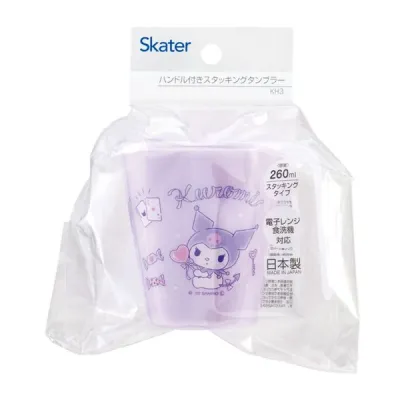
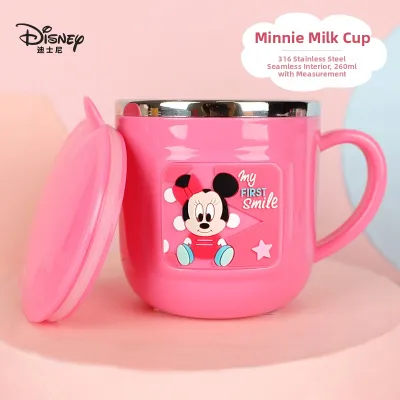
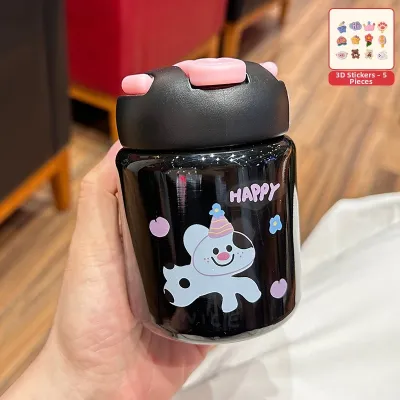
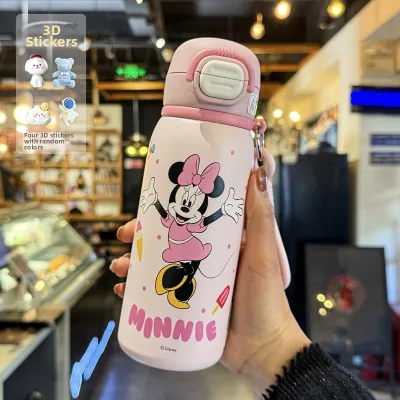
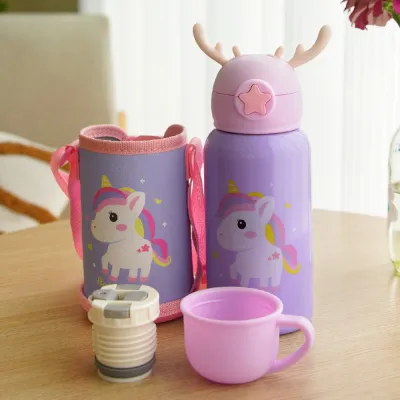
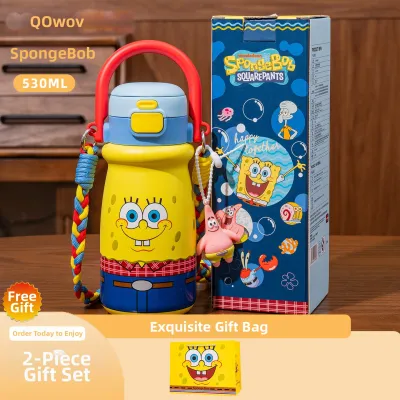
Prices are valid at publication and may change. Please refer to the product page for the latest price.
Here is a general mapping of developmental stages to cup types:
- Starter Stage (Around 6 Months): Soft-spout sippy cups or weighted straw training cups are often introduced alongside first solid foods to teach the basic concept of holding a vessel.
- Intermediate Stage (8 to 12 Months): Straw cups and 360-degree rim cups become highly beneficial, helping your child develop advanced lip sealing and tongue control.
- Advanced Stage (12 Months and Older): Open training cups are introduced to master the ultimate goal of independent, spill-free drinking.
The core diagnostic principle to remember is that observable developmental readiness and motor skills are far more reliable indicators than strict chronological age. If your child is not yet sitting upright or showing interest in liquids, forcing a transition can lead to frustration and mealtime resistance.
Observable Signs Your Child Is Ready to Transition
Before purchasing a new cup for kid, observe how your child behaves during family meals. Their physical readiness is the most reliable indicator that they can safely handle a new drinking mechanism without choking or experiencing excessive fatigue.

When preparing to introduce an introductory cup, look for these specific physical cues:
- Unassisted Sitting: Your child can sit upright in a highchair without slumping, which is crucial for maintaining a safe airway during swallowing.
- Hand-to-Mouth Coordination: They can easily reach for toys, grasp them, and bring them directly to their mouth without losing balance.
- Active Interest: They closely watch you drink from your glass, reach for your water bottle, or mimic drinking motions during meals.
As your child grows, you will need to look for signs that it is time to move away from basic sippy cups and toward more advanced options. A child is ready for this shift when they develop a firm lip seal around a spoon, swallow liquids without letting them pool in their cheeks, and successfully chew soft solid foods. These skills demonstrate that their tongue is learning to move independently of their jaw.
Always prioritize safety during this transition. If your child shows significant delays in oral motor skills, experiences persistent coughing or choking while swallowing, or struggles to maintain an upright sitting posture, pause the transition. In such cases, consult a pediatrician, pediatric dentist, or a pediatric feeding specialist for personalized guidance.
Matching a Cup for Kid to Specific Weaning Stages
Understanding the physiological impact of different cup designs helps you make informed choices that benefit your child’s long-term oral health. Each cup type serves a distinct purpose in refining your child’s swallowing mechanics.
Starter Stage (Around 6 Months): Sippy and Spout Training Cups
During the initial phase of weaning, introductory cups help bridge the gap between bottle nipples and solid food utensils. Many parents opt for soft-spout or hard-spout sippy cups because the familiar shape and sucking motion make the initial transition easy for the baby.
However, pediatric dentists advise limiting the use of traditional sippy cups. Prolonged reliance on a spout can negatively impact oral development, potentially altering the shape of the developing palate and leading to dental misalignment. Because spouts require a forward tongue-thrust motion similar to bottle feeding, they do not encourage the mature swallowing patterns needed for speech articulation.
To protect your child’s oral development, treat sippy cups strictly as a brief, transitional tool. Limit their use to a few weeks, or use them primarily when traveling, before moving on to healthier alternatives.
Intermediate Stage (8 to 12 Months): Straw and 360-Degree Cups
As your child reaches the late infancy stage, their oral motor skills require more challenging drinking mechanics. This is the ideal window to introduce straw cups and 360-degree rim cups, both of which promote excellent muscle development.
Straw cups are highly recommended by pediatric feeding specialists because they encourage tongue retraction, active lip closure, and coordinated swallowing. Sucking through a straw strengthens the cheeks and jaw, which directly supports speech development. If you are teaching your baby to use a straw for the first time, try the pipette method: dip a clean plastic straw into water, cover the top with your finger to trap a small drop, place the tip in your baby’s mouth, and release your finger so they get a quick taste. Alternatively, you can use a specialized training straw cup that allows you to gently squeeze the base to push water up the straw, helping them understand the mechanism.
Meanwhile, 360-degree cups feature a silicone valve that releases liquid only when your child presses their upper lip against the rim. This design teaches them how to tip a cup and drink from the edge without the risk of massive spills, closely mimicking the mechanics of a real open cup.
Advanced Stage (12 Months and Older): Open Cups
Transitioning to an open cup is the final developmental milestone in your child’s weaning journey. Open cups are the gold standard for long-term oral health because they require complete lip control, tongue elevation, and precise hand-eye coordination.
To introduce an open cup safely, start with small steps. Use a very small, lightweight, easy-to-grip cup made of food-grade silicone or durable plastic, and fill it with only a tablespoon or two of water. Provide close adult supervision at all times to prevent choking and to guide their hands as they learn to control the tilt of the cup.
Inevitable spills will happen, but it is important to reframe these moments as a normal and necessary part of the learning process rather than a failure. In the warm Philippine climate, a little spilled water is easily wiped away and provides an excellent sensory learning experience for your toddler.
Troubleshooting Common Cup Transition Challenges
It is common for children to resist a new cup or struggle with the physical mechanics of drinking. Approaching these challenges with patience and consistent strategies will help prevent mealtime stress.
If your child constantly bites the straw or spout instead of sipping, they may be experiencing teething discomfort. The cool, smooth texture of silicone can feel soothing on sore gums. To address this, check for emerging teeth, offer a chilled teething toy before meals, or try a cup with a slightly firmer, bite-resistant silicone spout.
When a child refuses to switch from a familiar bottle or favorite sippy cup, avoid forced transitions. Instead, try gradual replacement. Offer a highly preferred drink, such as expressed breast milk or formula, exclusively in the new straw or 360-degree cup, while keeping only plain water in the old bottle. This helps them associate the new cup with a positive, rewarding taste.
If your child becomes highly frustrated, crying or pushing the cup away, it is best to pause the transition entirely. Forcing the issue can create negative associations with drinking and solid foods. Put the new cup away for a few days, continue with their current comfortable routine, and try introducing it again when they are relaxed and happy.
Frequently Asked Questions (FAQ)
Can I skip the sippy cup and go straight to a straw or open cup?
Yes, you can absolutely skip the sippy cup. Many pediatric dentists and feeding specialists recommend bypassing spouted cups entirely to avoid prolonged tongue-thrusting habits. Moving directly from breast or bottle to a weighted straw cup or a small open training cup at around 6 months is highly beneficial for your child’s oral motor development.
Are 360-degree cups better than straw cups?
Neither cup is objectively better than the other, as they target different motor skills. Straw cups are excellent for building cheek strength and tongue retraction, while 360-degree cups are perfect for teaching lip sealing and the physical tilting motion required for open cups. Offering both styles provides your child with well-rounded practice.
How do I clean and maintain these cups to prevent mold?
In humid tropical climates, mold can develop quickly inside complex cup valves and straws. To prevent this, fully disassemble all cup parts, including valves, straws, and silicone seals, after every use. Wash them thoroughly with warm, soapy water using specialized straw brushes, or place them in the dishwasher if the manufacturer’s care instructions permit. Always allow all components to air dry completely in a well-ventilated area before reassembling.
Community discussion
Share your experience or ask a question. Comments are reviewed before publication.