
Selecting the right car seat for baby passengers is one of the most vital decisions you will make to protect your child during transit. In the Philippines, where daily commutes involve navigating congested city streets, unpredictable traffic patterns, and long highway drives, ensuring your child is secured in a crash-tested, properly fitted seat is essential. The ideal car seat is not determined by a single factor, but rather by a combination of your baby’s current weight, height, and physical development.
While age provides a general timeline, it should never be the sole metric you use to choose or transition a seat. Every child grows at a unique pace, and car seat structures are engineered to manage crash forces based on physical mass and skeletal maturity. By understanding the distinct stages of child passenger safety, you can make an informed choice that keeps your child secure on every journey.
Quick Diagnostic: Which Car Seat Stage Is Your Baby In?
To help parents quickly identify the correct category, child safety experts organize car seats into three primary developmental stages. Weight and height are the most critical diagnostic factors because they dictate how the harness and shell will distribute crash forces. Using a seat that does not match your child’s current measurements can lead to severe injury, as the protective features may not align correctly with their body.
Products mentioned in this guide
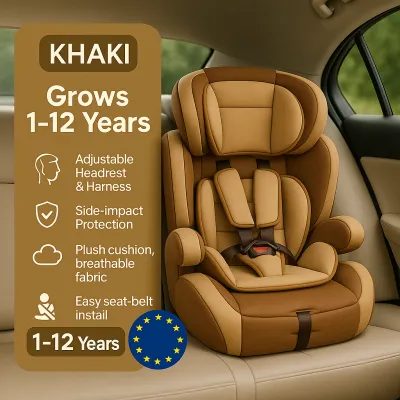
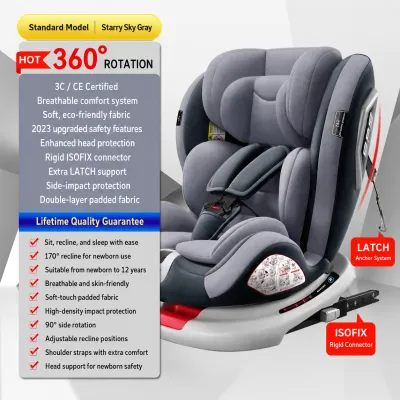
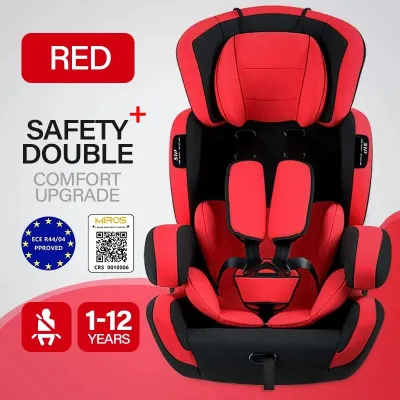
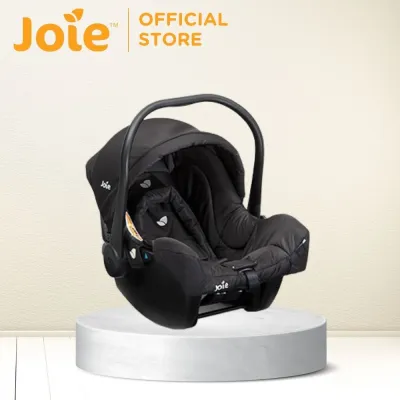
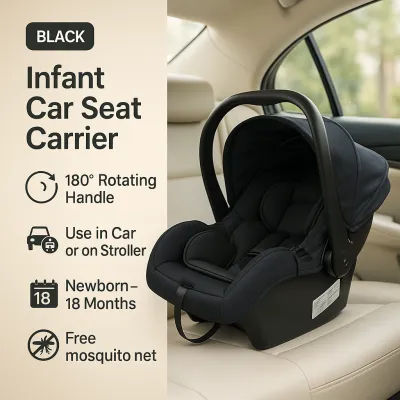
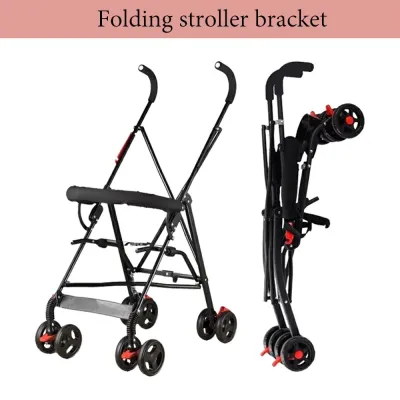
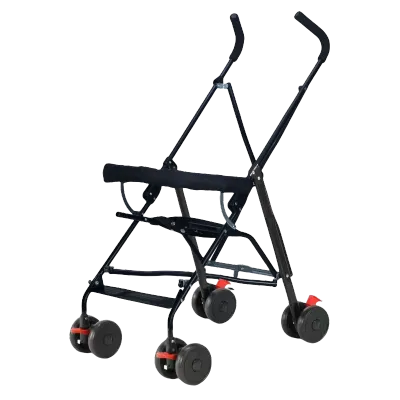
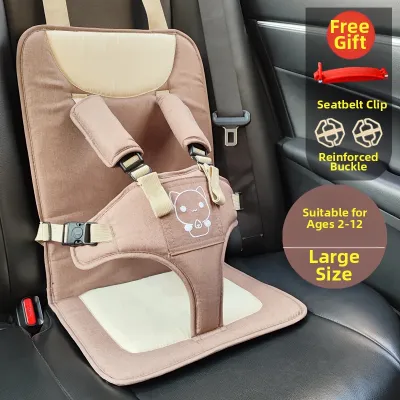
Prices are valid at publication and may change. Please refer to the product page for the latest price.
Below is a quick-reference summary mapping general developmental milestones to the recommended seat type. You must always cross-reference these ranges with the physical safety label and instruction manual of your specific car seat model, as limits vary significantly by manufacturer.
- Stage 1: Rear-Facing Infant Car Seat
- Typical Weight Range: Birth up to 10–13 kg (approx. 22–30 lbs)
- Typical Height Range: Head must be at least 1 inch (2.5 cm) below the top of the seat shell
- Primary Use Case: Newborns and young infants who require complete head, neck, and spinal support
- Stage 2: Convertible Car Seat (Rear-Facing to Forward-Facing)
- Typical Weight Range: 2.2 kg up to 18–22 kg (40–50 lbs) rear-facing; up to 30 kg (65 lbs) forward-facing
- Typical Height Range: Up to 110–125 cm, depending on the harness slot height
- Primary Use Case: Growing infants and toddlers transitioning from an infant carrier, allowing for extended rear-facing safety
- Stage 3: Booster Seat (Belt-Positioning)
- Typical Weight Range: 18 kg to 36 kg (approx. 40–80 lbs) or more
- Typical Height Range: Up to 145 cm (4 feet 9 inches) tall
- Primary Use Case: Older children who have outgrown their forward-facing harness but are still too small for the vehicle's adult seat belt alone
Understanding Car Seat Categories by Age and Weight
To choose the best car seat for baby safety, you must understand the mechanical design and specific purpose of each category. Each type of seat is engineered to manage the physics of a collision in a way that matches a child’s skeletal development.

Infant Car Seats (Rear-Facing Only)
Infant car seats are designed exclusively for rear-facing use, protecting newborns and young babies from birth until they reach the seat’s maximum weight or height limit. For most models, the weight limit ranges from 10 to 13 kilograms, though some modern designs accommodate slightly more. You must verify the exact limits printed on your specific product’s safety sticker before use.
During a collision, a rear-facing infant seat acts as a protective cradle. It absorbs the forces of a sudden stop by distributing the impact across the entire back of the seat shell, shielding the baby’s fragile head, neck, and spine. This orientation is critical because an infant’s head is disproportionately heavy compared to their body, and their neck muscles and bones are still developing.
For parents, the primary benefit of an infant car seat is its portability. Most models feature a detachable carrier that clicks into a base installed semi-permanently in your vehicle. This allows you to carry your sleeping baby to and from the car without disturbing them. However, as your baby grows, the combined weight of the carrier and the child can make carrying the seat physically demanding, signaling that it may be time to transition to a permanent cabin installation.
Convertible Car Seats (Rear and Forward-Facing)
Convertible car seats are highly versatile systems designed to grow with your child by adapting to multiple developmental stages. They install directly into the vehicle’s cabin without a detachable base. These seats start in a rear-facing position for infants and toddlers, and later convert to a forward-facing position with a five-point harness as the child matures.
Because convertible seats are larger and structurally heavier than infant carriers, they feature significantly higher rear-facing weight and height limits. Many models allow children to remain rear-facing up to 18 or 22 kilograms. This extended rear-facing capability is highly recommended by global safety experts, as it keeps toddlers in the safest possible position for a longer duration.
From a financial perspective, convertible seats are exceptionally cost-effective. Investing in a high-quality convertible seat can eliminate the need to purchase separate infant and toddler seats, serving your child for several years. The primary trade-off is portability; because they are heavy and lack a detachable carrier handle, they are not designed for carrying a sleeping baby outside the vehicle and can be cumbersome to transfer between different cars.
Booster Seats (Seat Belt Positioning)
Booster seats represent the final stage of child passenger safety before a child can transition to using the vehicle’s adult seat belt alone. They are designed strictly for older children who have fully outgrown the forward-facing harness limits of their convertible seats. A booster seat does not have an integrated five-point harness; instead, it relies on the vehicle’s active three-point seat belt system.
These seats function by raising the child’s body so that the vehicle’s lap and shoulder belts sit across the strongest skeletal points. High-back boosters feature side-impact wings and integrated belt guides that position the shoulder belt across the center of the chest and collarbone, while backless boosters simply lift the child so the lap belt rests low across the hips and upper thighs. If the belt rests on the soft abdomen or rubs against the neck, it can cause severe internal injuries during a sudden stop.
Before transitioning to a booster, your child must meet a behavioral requirement in addition to physical weight and height minimums. The child must be mature enough to sit relatively still for the entire duration of the drive. If your child regularly slumps over, leans out of position, or attempts to unbuckle or tuck the shoulder belt behind their back, they are not yet ready for a booster and should remain in a harnessed forward-facing seat.
Signs It Is Time to Transition to the Next Car Seat
Transitioning your child to the next stage too early is a common safety mistake. To provide maximum protection, you should keep your child in their current car seat stage for as long as possible, up to the maximum weight or height limits specified by the manufacturer. Do not rush to turn a child forward-facing or move them to a booster simply because they have reached a certain birthday.
To determine if your child has outgrown their rear-facing infant seat, look for physical indicators rather than checking their age. Your child has outgrown the seat if their weight exceeds the limit on the safety label, or if the top of their head is within 1 inch (2.5 cm) of the very top of the plastic seat shell. Do not worry if their feet touch or bend against the vehicle’s seat back; this is completely safe and does not indicate that the seat is too small.
When using a convertible seat, you should only transition from rear-facing to forward-facing once your child has reached the absolute maximum rear-facing weight or height limit of that specific seat. Once forward-facing, they should remain in the five-point harness until they exceed the forward-facing weight limit (often 25 to 30 kg) or when their shoulders rise above the highest harness slot. Another key indicator is if the tops of their ears reach the top of the car seat’s headrest.
Essential Safety Checks for Car Seat Fit and Installation
Even the highest-rated car seat cannot protect your child if it is installed incorrectly or if the harness is adjusted poorly. Regular checks are necessary to ensure the system functions as intended during an emergency.
- The Pinch Test: Once your child is buckled into the harness, try to pinch the strap webbing vertically at their collarbone using your thumb and index finger. If you can pinch any excess fabric together, the harness is too loose. Tighten the straps until your fingers slide smoothly over the webbing without being able to pinch a fold.
- Chest Clip Position: The chest clip is designed to keep the harness straps positioned correctly over the child's shoulders. Always position the chest clip so that it sits exactly at armpit level. Placing it too low on the abdomen or too high near the neck can cause injury during a crash.
- The Inch Test: Grab the installed car seat near the belt path (where the vehicle seat belt or ISOFIX straps pass through) and pull it firmly from side-to-side and front-to-back. The seat should not shift more than 1 inch (2.5 cm) in any direction. If it moves more than this, tighten the installation straps or reinstall the seat.
- Expiration and Integrity Checks: Car seats have a limited lifespan due to plastic degradation from heat and UV exposure. Locate the manufacturer's expiration date stamped on the bottom or back of the seat. Additionally, never use a seat that has been involved in a moderate or severe vehicle crash, as invisible micro-fractures can compromise its structural integrity.
- Tropical Climate Considerations: In the hot and humid climate of the Philippines, children can easily overheat in a car seat. Choose seats with breathable, moisture-wicking fabrics, and ensure the vehicle's air conditioning is fully cooling the rear cabin. Never place aftermarket cooling pads, thick liners, or heavy blankets behind the child's back or under the harness unless they are certified by the seat manufacturer, as they can interfere with harness tension.
Frequently Asked Questions (FAQ)
Can I use a second-hand car seat for my baby?
You should avoid using a second-hand car seat unless you know its complete history from a highly trusted source. A used seat may have been involved in a crash, have missing parts, or have active safety recalls. Furthermore, the intense tropical heat in the Philippines accelerates the aging of plastic components, meaning older second-hand seats may have weakened structures that cannot withstand crash forces.
Is it safe to let my baby sleep in the car seat outside the car?
No, it is unsafe to let your baby sleep in a car seat once you have exited the vehicle. When a car seat is placed on a flat floor, bed, or table, it can easily tilt forward or backward, changing the angle of the baby’s head. This increases the risk of positional asphyxiation, where the baby’s chin drops to their chest and blocks their airway. Always transfer your baby to a firm, flat sleep surface like a crib as soon as you arrive.
How do I clean the car seat harness straps?
You must never machine wash, submerge, or use harsh chemicals like bleach on your car seat’s harness straps. These methods strip away the flame-retardant coatings and weaken the structural fibers of the webbing, making them prone to snapping during a crash. Instead, gently wipe the straps with a damp cloth and mild soap, and always consult your product’s specific care manual for approved cleaning steps.
Community discussion
Share your experience or ask a question. Comments are reviewed before publication.