
Choosing the correct chair for car use is one of the most critical safety decisions you will make as a parent. While many parents assume that a child’s age is the primary factor when selecting or upgrading a car seat, safety experts emphasize that weight, height, and physical development are the true indicators of readiness. Navigating the transition between different types of car seats can feel overwhelming, but understanding the specific physical milestones of each stage ensures your child remains protected on every journey.
A child’s safety in a vehicle relies on a precise fit between their body, the car seat, and the vehicle’s safety restraint system. Because children grow at vastly different rates, relying solely on age guidelines can lead to premature transitions, which significantly increases the risk of injury during sudden stops or collisions. By focusing on physical limits and developmental milestones, you can confidently determine exactly when to maintain your current setup and when it is time to transition to the next stage.
Quick Diagnostic: Which Car Seat Stage Is Your Child In?
To keep your child safe, you must identify which of the three main car seat categories matches their current physical profile. These stages include rear-facing infant seats, convertible seats (which can transition from rear-facing to forward-facing), and booster seats. Each category is engineered to manage crash forces based on a child’s skeletal strength and size, providing targeted protection for their head, neck, and spine.
Products mentioned in this guide
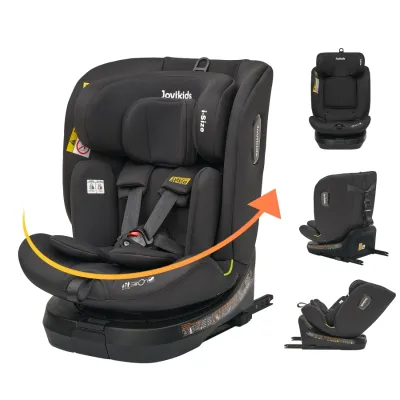
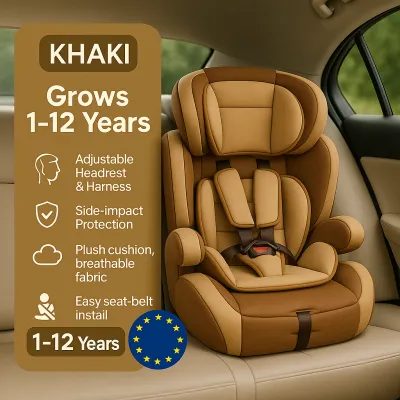
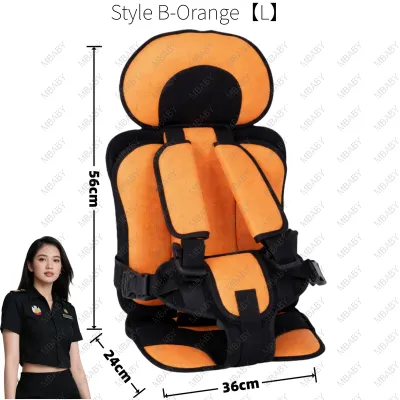
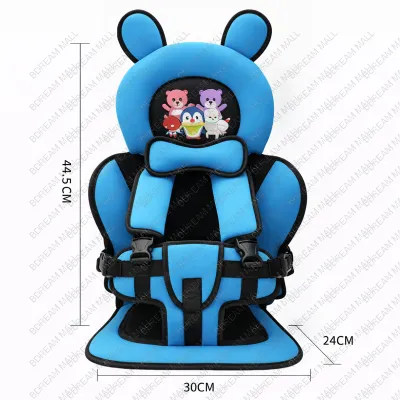
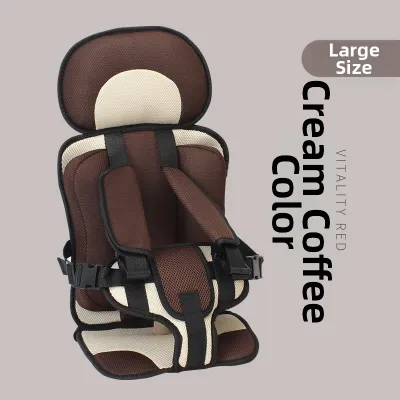
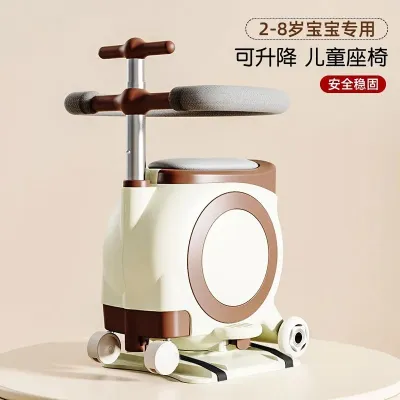
Prices are valid at publication and may change. Please refer to the product page for the latest price.
Transitioning your child to the next stage should never be treated as a milestone to rush. Instead, it is a safety downgrade in terms of overall protection, meaning you should keep your child in their current stage for as long as possible. Before making any transition decisions, always locate and read the manufacturer’s label on your specific seat, which lists the exact height and weight limits for that model.
To determine if your child has outgrown their current seat, use this quick diagnostic checklist:
- Weight Limit: Has your child's weight reached or exceeded the maximum limit printed on the seat's safety label?
- Height Limit: Does your child's height exceed the maximum height limit specified by the manufacturer, or is the top of their head within one inch of the top of the seat shell?
- Harness Position: Are the harness straps no longer positioned correctly according to the manufacturer's instructions for their current configuration?
- Physical Development: Does your child lack the physical development or behavioral maturity required for the next stage, such as the ability to sit upright unassisted or sit still for an entire trip?
Stage 1: Rear-Facing Infant Seats (Newborn to Toddler)
Dedicated rear-facing infant seats, often referred to as infant carriers, are designed specifically for newborns and young infants. These seats feature a convenient, removable carrier design that clicks into a stayed-in-car base, allowing you to transport a sleeping baby without disturbing them. They are tailored to cradle a tiny infant’s body, providing optimal support for their delicate head and neck during the earliest months of life.

An infant carrier is outgrown the moment your child reaches either the maximum weight limit or the maximum height limit specified by the manufacturer. Additionally, a critical visual diagnostic signal is the space above your child’s head: if the top of their head is within one inch of the top edge of the plastic seat shell, they have outgrown the seat, even if they are still below the weight limit. At this point, you must transition them to a larger rear-facing seat, such as a convertible model, to maintain proper head protection.
The safety benefits of keeping your child rear-facing cannot be overstated. In a frontal collision, which is the most common and severe type of crash, a rear-facing seat supports the child’s entire head, neck, and back, absorbing the crash forces and preventing the head from violently snapping forward. Because an infant’s neck muscles and bones are still developing, this position is crucial for preventing severe spinal cord injuries.
If you are considering reusing an infant seat for a second child, you must perform several safety checks first. Locate the expiration date stamped on the bottom or back of the plastic shell; most seats expire six to ten years after manufacture due to plastic degradation. Inspect the seat thoroughly for any hairline cracks, stress marks, or frayed harness straps, and confirm that the seat has never been involved in a vehicle collision. If the seat’s history is unknown or if it shows signs of wear, it must be replaced.
Stage 2: Convertible Seats and the Forward-Facing Transition
A convertible seat is a highly versatile option that can be used in both rear-facing and forward-facing configurations, offering an extended lifespan compared to infant carriers. Because they are larger and heavier, they remain semi-permanently installed in your vehicle. These seats are designed to accommodate growing toddlers, allowing them to remain in the safer rear-facing position for a much longer period.
When your child outgrows their infant carrier, the next logical step is to transition them to a convertible seat installed in the rear-facing position. This transition is necessary because the convertible seat has much higher weight and height limits for rear-facing use, often allowing children to remain rear-facing until they weigh 18 kilograms (approx. 40 pounds) or more.
To decide when to switch your convertible seat from rear-facing to forward-facing, you must rely on physical limits rather than age. Keep your child rear-facing until they reach the absolute maximum rear-facing weight or height limit of the convertible seat. Only when they have fully outgrown these limits should you turn the seat forward-facing. This transition typically occurs well into toddlerhood, often around three or four years of age, depending on the child’s growth pattern and the seat’s specifications.
Once the seat is forward-facing, verifying a proper harness fit is essential for maintaining safety. Perform these two non-negotiable checks every time you buckle your child in:
- The Chest Clip Position: The plastic chest clip must be positioned at armpit level, resting flat against the child's breastbone, to keep the shoulder straps securely in place.
- The Pinch Test: Attempt to pinch the harness webbing horizontally at your child's collarbone; if you can pinch any excess fabric between your fingers, the straps are too loose and must be tightened until your fingers slip off the smooth webbing.
Stage 3: Booster Seats and the Adult Seat Belt Test
Booster seats are designed for older children who have outgrown their forward-facing harness but are still too small for the vehicle’s adult seat belt to fit them safely. Boosters work by lifting the child up so that the lap and shoulder belts rest on the strongest parts of their skeletal system. You can choose between high-back boosters and backless boosters, depending on your vehicle’s design and your child’s needs.
High-back booster seats are highly recommended for younger children or vehicles that lack headrests, as they provide built-in side-impact protection and guide the shoulder belt precisely across the collarbone. Backless boosters are more compact and portable, making them ideal for older, taller children, provided the vehicle’s seat back or headrest fully supports the child’s head up to the top of their ears.
Your child is ready to transition from a forward-facing harness to a booster seat when they meet the diagnostic signs of outgrowing their harness. This occurs when their shoulders rise above the top harness slots, when their ears reach the top of the seat shell, or when they exceed the manufacturer’s weight or height limits for the harness. Furthermore, the child must possess the behavioral maturity to sit properly in a booster seat for the entire ride without slouching, leaning over, or pulling the seat belt out of position.
To determine if your child is ready to transition from a booster seat to using only the vehicle’s adult seat belt, you must perform the standard “5-Step Test.” Age alone is never a safe metric for abandoning a booster, as seat belts are designed to fit adult bodies. Have your child sit directly on the vehicle seat and check the following five criteria:
- Back Flat: Does your child's back rest completely flat against the vehicle's seatback?
- Knees Bent: Do your child's knees bend comfortably over the front edge of the vehicle seat cushion without slouching?
- Lap Belt Position: Does the lap belt rest low and snug across your child's upper thighs or hips, rather than on their soft abdomen?
- Shoulder Belt Position: Does the shoulder belt cross the center of your child's shoulder and collarbone, avoiding their neck or face?
- Constant Position: Can your child maintain this exact sitting position comfortably for the entire duration of the trip?
If the answer to any of these five questions is no, your child must continue using a booster seat to prevent severe internal injuries during a crash.
Selecting a Chair for Car: Verifying Vehicle Fit and Tropical Climate Safety
Finding the right chair for car safety involves more than just selecting a model that fits your child; it must also fit your specific vehicle. Before purchasing or installing any car seat, consult your vehicle’s owner manual to locate the ISOFIX or LATCH anchor points, identify approved seating positions, and check for any weight limits associated with the anchors. Some vehicles do not permit car seat installation in the center rear seat, or they may require a seat belt installation instead of ISOFIX once the child reaches a certain weight.
In the Philippines, you should also verify that the car seat complies with local safety regulations. Look for official compliance markings, such as the Import Commodity Clearance (ICC) sticker or the Philippine Standard (PS) mark, which indicate that the product has met local quality and safety standards. Ensure you purchase from reputable, authorized retailers to avoid counterfeit products that may fail during an accident.
Operating a car seat in a tropical climate presents unique environmental challenges that require active management. Intense heat and high humidity can accelerate the degradation of plastic components and webbing over time. Regularly inspect the plastic buckles, shell, and harness straps for signs of warping, brittleness, or discoloration. To protect the materials from sun damage, use windshield sunshades when parked, and cover the car seat with a light towel when not in use to prevent metal buckles from becoming hot enough to burn your child’s skin.
Most importantly, never leave a child unattended in a parked vehicle under any circumstances. In a tropical environment, the internal temperature of a closed car can rise to life-threatening levels within minutes, posing an extreme risk of heatstroke. Finally, always register your car seat with the manufacturer using the registration card included in the box. This ensures you will be notified immediately if there is a safety recall or product update.
Frequently Asked Questions (FAQ)
Can I safely use a second-hand car seat for my baby?
Using a second-hand car seat is generally discouraged unless you can verify its complete history. To be safe, a used seat must have never been involved in a moderate or severe collision, must not have passed its expiration date, and must have all original parts, labels, and instruction manuals intact. You must also verify that the model has not been recalled. If you cannot confirm every single one of these details with absolute certainty, it is highly recommended to purchase a new car seat to ensure your baby’s protection.
What if my child's legs touch the vehicle seat while rear-facing?
It is a common concern for parents when they see their rear-facing child’s legs touching or pressing against the vehicle’s seatback, but this is entirely safe. Children’s joints are highly flexible, and they naturally find comfortable positions, such as crossing their legs or resting them on the seat. The primary safety goal of a rear-facing seat is to protect the child’s head, neck, and spine. In a collision, a rear-facing seat shields these critical areas, and there is no evidence of increased leg injuries from this position. Keeping your child rear-facing remains the safest choice.
Community discussion
Share your experience or ask a question. Comments are reviewed before publication.