
Keeping baby feeding gear sanitary is a top priority for parents, especially in tropical climates like the Philippines where high humidity and warm temperatures can rapidly accelerate the growth of bacteria and mold on damp surfaces. When maintaining your baby’s feeding essentials, choosing a dedicated, mild cleaning agent is crucial. Most common bottle materials—including glass, polypropylene (PP), polyphenylsulfone (PPSU), and food-grade silicone—are highly compatible with gentle, baby-specific detergents. Establishing a reliable unilove cleansing bottle washing routine helps ensure that milk fats, proteins, and residues are thoroughly broken down without compromising the structural integrity of the bottles. However, determining absolute safety requires looking closely at how different materials interact with cleaning agents and understanding how to verify compatibility.
How to Verify Compatibility with Your Unilove Cleansing Bottle Routine
To ensure your chosen cleaning agent is fully compatible with your baby’s feeding gear, you must look beyond general marketing claims and perform a systematic check. The term “safe” is always conditional; it depends heavily on the chemical formulation of the cleanser and the specific material limits set by the bottle manufacturer.
Begin by examining the product label on your cleanser. A high-quality baby bottle cleanser typically utilizes plant-derived, biodegradable surfactants designed to strip away stubborn breast milk and formula oils without leaving harsh chemical residues. Check the label for specific material compatibility listings, safety warnings, and recommended dilution ratios.
Products mentioned in this guide
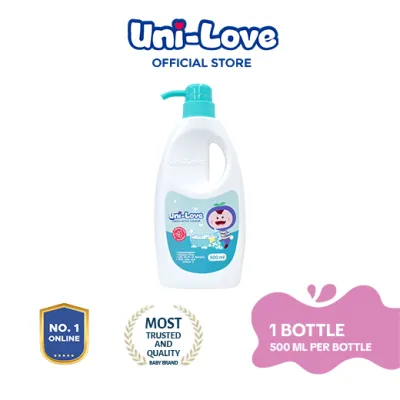
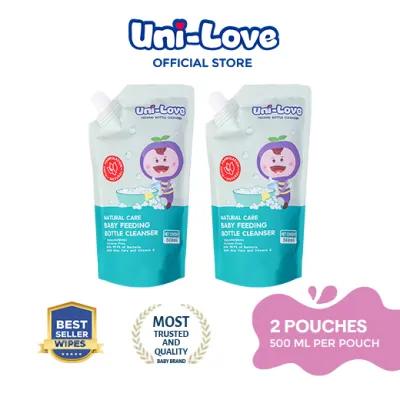
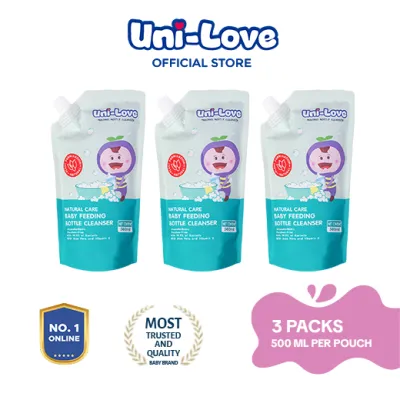
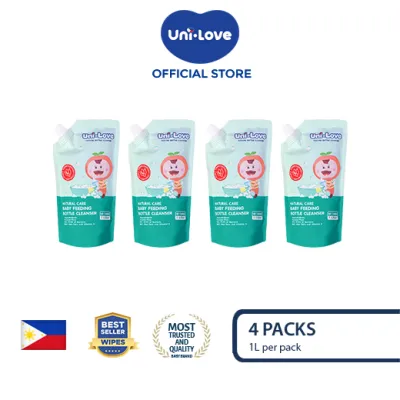
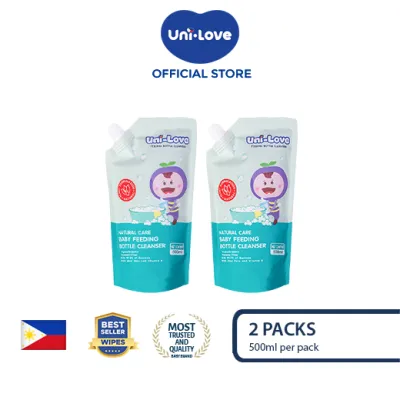
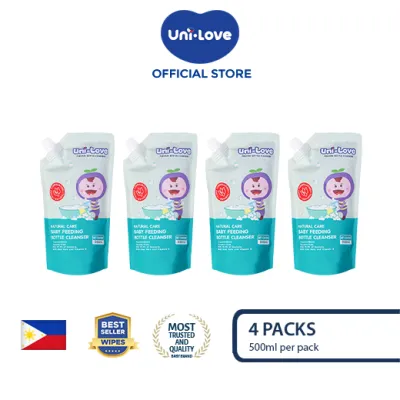
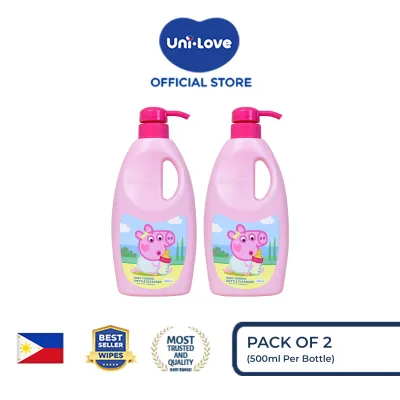
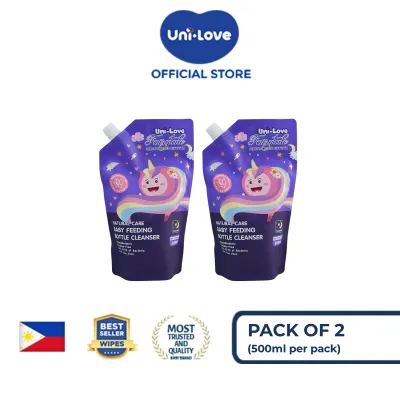
Prices are valid at publication and may change. Please refer to the product page for the latest price.
Next, cross-reference these details with the care instructions provided by your baby bottle manufacturer. Bottle brands often outline specific washing restrictions, such as avoiding certain chemical groups, limiting exposure to high heat, or prohibiting abrasive scrubbing. If the bottle manufacturer’s guidelines conflict with the cleanser’s instructions, always defer to the bottle manufacturer to protect the material from premature wear and preserve any product warranties.
Additionally, look at the ingredient list of the cleanser to verify that it is free from heavy artificial dyes, synthetic fragrances, and aggressive industrial surfactants. In a humid tropical climate, residues from highly fragranced cleansers can cling to materials, potentially altering the taste of the milk and causing your baby to reject the bottle. Taking a few minutes to verify these details ensures a safe, reliable cleaning process for every feed.
Material-by-Material Cleaning Guide for Baby Bottles
Baby bottles are manufactured from a variety of materials, each possessing distinct chemical and physical properties. Understanding how these materials behave when exposed to moisture, friction, and cleaning solutions is essential for maintaining their longevity and safety.

Glass Bottles
Glass remains a classic choice for many parents due to its excellent hygienic properties. Because glass is non-porous and highly stable, it does not absorb odors, colors, or chemical residues from cleaning solutions. This natural resistance makes glass bottles exceptionally compatible with mild baby cleansers, as the material will not degrade, cloud, or weaken when exposed to standard washing agents.
The primary concern when cleaning glass bottles is physical handling rather than chemical reaction. Glass is susceptible to thermal shock, which occurs when the material experiences rapid, extreme temperature changes—such as moving a bottle directly from cold tap water into a boiling sterilizer. This sudden shift can cause the glass to crack or shatter.
Additionally, while the glass body itself is highly durable, you must inspect the external components. Many glass bottles feature painted measurement markings, brand logos, or protective silicone sleeves. Check the manufacturer’s care guide to ensure that your cleanser’s formulation will not cause these external markings to fade, peel, or dissolve over time, and handle the bottles with care to prevent accidental drops.
Plastic Bottles (PP and PPSU)
Plastic baby bottles are lightweight and shatterproof, making them highly practical for daily use, but they require closer monitoring during the cleaning process. The two most common plastics used in modern baby bottles are Polypropylene (PP) and Polyphenylsulfone (PPSU), each requiring specific care.
Polypropylene (PP) bottles are typically translucent or slightly cloudy and are widely appreciated for their affordability. However, PP is a relatively soft plastic, making it highly susceptible to micro-scratches. If you use stiff brushes or abrasive cleaning pads, you can easily create tiny grooves on the inner walls of the bottle. These micro-scratches can harbor microscopic milk proteins and bacteria, which are difficult to remove with standard washing and can lead to persistent odors.
Polyphenylsulfone (PPSU) is a premium, medical-grade plastic easily identified by its natural honey-colored tint. PPSU is significantly more durable, scratch-resistant, and heat-tolerant than PP, allowing it to withstand repeated sterilization cycles without degrading. Despite its superior durability, PPSU still requires a mild, non-solvent-based cleanser to maintain its clarity and strength.
When washing plastic bottles of either type, regularly inspect the material under direct light. Look for signs of degradation such as persistent cloudiness, deep scratches, a sticky or tacky texture, or permanent discoloration. If you observe any of these changes, the plastic has begun to break down, and the bottle should be replaced immediately to ensure your baby’s safety.
Silicone Bottles and Nipples
Food-grade silicone is widely used for baby bottle nipples, collar seals, anti-colic valves, and even entire bottle bodies. This material is highly flexible, durable, and capable of withstanding high sterilization temperatures, making it an excellent choice for infant feeding.
Silicone is generally highly compatible with mild, baby-specific cleansing solutions. However, because silicone is slightly porous compared to glass, it has a tendency to absorb strong fragrances, essential oils, and artificial dyes from cleaning products. If a cleanser contains heavy synthetic perfumes, the scent can linger in the silicone nipple even after thorough rinsing, which may alter the taste of the milk and cause your infant to reject the bottle.
To maintain silicone components, always use a fragrance-free or extremely mild cleanser and rinse them thoroughly. During your daily cleaning routine, gently stretch the nipples and valves to inspect them for signs of wear. Look for swelling, a sticky surface texture, cloudiness, or tiny tears. Because silicone nipples are subjected to constant friction and suction, they degrade faster than the bottle bodies and should typically be replaced every two to three months, or immediately if you detect any physical damage.
Step-by-Step Washing and Rinsing to Prevent Residue
To maximize the safety of your cleaning routine and ensure no soap residue remains on your baby’s feeding equipment, follow a structured, hygienic washing process. This step-by-step method is designed to protect all bottle materials while ensuring thorough sanitization.
- Disassembly: Before starting, fully disassemble every single part of the bottle. Separate the nipple from the screw ring, remove any anti-colic valves, caps, and silicone seals. Milk residue easily becomes trapped in the threads of screw rings and the tight crevices of valves. In the warm, humid climate of the Philippines, these hidden pockets of moisture can become breeding grounds for bacteria and mold within hours if left uncleaned.
- Dilution: Always refer to the instructions on your cleanser's label for the correct dilution ratio. Avoid applying concentrated cleaning liquid directly onto bottle parts or nipples unless the manufacturer's label explicitly instructs you to do so. Instead, prepare a warm basin of clean, potable water and mix in the recommended amount of cleanser to create a gentle, soapy bath. This ensures even distribution and prevents excess soap from clinging to porous materials like silicone.
- Washing Tools: Select the right tools for the job. Use a soft-bristle nylon brush or a dedicated silicone bottle brush. Never use steel wool, abrasive scouring pads, or stiff household utility brushes, as these will scratch plastic and silicone surfaces. Keep your baby bottle brushes completely separate from your general household dishwashing sponges to avoid cross-contamination with grease, spicy food residues, or household bacteria.
- Rinsing: After scrubbing all surfaces thoroughly, rinse every component under clean, running potable water. Pay close attention to the inside of the nipples and valves, ensuring that water flows freely through the openings to flush out any trapped soap. Continue rinsing until the surfaces feel completely clean and free of any slippery, soapy film or lingering scent.
- Drying: Once rinsed, place all components on a clean, elevated drying rack in a well-ventilated area. Avoid drying bottles with kitchen towels, as these can transfer lint and bacteria back onto the clean surfaces. In high-humidity environments, ensure the drying area has good airflow to help the parts dry quickly, preventing the formation of water spots and mold.
When to Stop Using a Cleanser or Replace a Bottle
Knowing when to retire feeding equipment or switch cleaning products is a critical aspect of baby safety. Even high-quality bottles and cleansers have operational limits, and physical wear is inevitable over time.
Regularly monitor your feeding gear for clear, observable signs of material degradation. For plastic bottles (PP and PPSU), look for persistent cloudiness that does not clear up after washing, deep scratches on the interior walls, or a sticky surface texture. For silicone nipples and valves, check for swelling, loss of elasticity, a tacky feel, or visible tears. If any of these signs are present, replace the affected component immediately. Additionally, if the printed measurement markings on the exterior of a bottle begin to flake or peel, replace the bottle to avoid the risk of loose ink particles contaminating your hands or feeding environment.
You should also pay close attention to how the cleaning solution interacts with the bottles. If you notice a persistent chemical or soapy odor remaining on the bottle parts even after thorough rinsing with potable water, or if a visible cloudy residue begins to build up on the surfaces, stop using that specific cleanser batch.
Finally, always prioritize the bottle manufacturer’s explicit care instructions. If the manufacturer of your baby bottles states that certain chemical compounds, surfactants, or essential oils must be avoided, and you find those ingredients listed on your cleanser’s label, cease using the cleanser immediately. When in doubt, consult a qualified healthcare professional or contact the bottle manufacturer’s customer support for guidance on compatible cleaning solutions.
Frequently Asked Questions (FAQ)
Can I use Unilove cleansing solution to wash breast pump parts?
Yes, you can generally use mild baby bottle cleansers to wash breast pump parts, but you must consult your breast pump manufacturer’s instruction manual first. Some pump components, such as delicate silicone membranes, backflow protectors, or specific tubing, may have strict cleaning limitations. Certain parts may require only water or specialized cleaning methods to prevent damage, loss of suction, or mold accumulation. Always follow the manufacturer’s guidelines to maintain your pump’s performance and warranty.
Do I still need to sterilize bottles after using the cleansing solution?
Yes, cleaning and sterilizing serve two distinct and complementary functions. Washing with a cleansing solution physically removes milk fats, proteins, and organic residues from the surfaces, which is an essential first step. Sterilizing uses heat or steam to eliminate any remaining microscopic pathogens and bacteria. Health authorities and pediatricians generally recommend sterilizing feeding equipment daily, especially for newborns, infants under three months, or babies with weakened immune systems. Always consult your pediatrician for specific guidance tailored to your baby’s developmental stage and health needs.
Community discussion
Share your experience or ask a question. Comments are reviewed before publication.